

Article
Andrew Kuchins
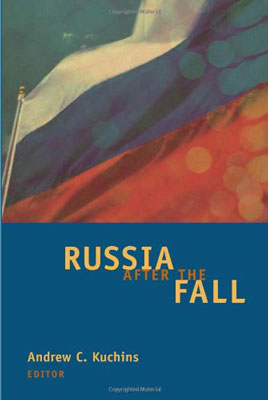
Internationally renowned experts provide retrospective analyses of how Russia has fared in its post-1991 reform efforts and a prospective look at the challenges ahead.
Source: Washington

Russia after the Fall examines Russian politics, economics, society, and foreign and security policy. Internationally renowned experts provide retrospective analyses of how Russia has fared in its reform efforts and a prospective look at the challenges ahead. This book will be of interest to scholars, students, and a general audience seeking to better understand where Russia has been and where it is going.
About the Editor
Andrew C. Kuchins was director of the Carnegie Moscow Center, where he conducted research on Russian foreign and security policy. He is a member of the governing council of the Program on Basic Research and Higher Education in Russia, the advisory committee of Washington Profile, and the editorial board of the journal, Demokratizatsiya.
"An important and constructive contribution to our understanding of what has happened in Russia, what is likely to happen next, and to what extent can it be influenced by Western policy."
—Strobe Talbott, president, The Brookings Institution
"Each chapter is written by a leading expert at the top of his or her game which makes the book of interest to specialist and non-specialist alike."
—Blair A. Ruble, Woodrow Wilson Center
"...a top-drawer collection of essays on the vicissitudes of contemporary Russia, strong on politics, economics, and foreign policy."
—Stephen Kotkin, Princeton University

Former Senior Associate and Director, Russian & Eurasian Program
Recent Work
Andrew Kuchins
Andrew Kuchins
Carnegie does not take institutional positions on public policy issues; the views represented herein are those of the author(s) and do not necessarily reflect the views of Carnegie, its staff, or its trustees.

Regulation, not embargo, allows Beijing to shape how other countries and firms adapt to its terms.
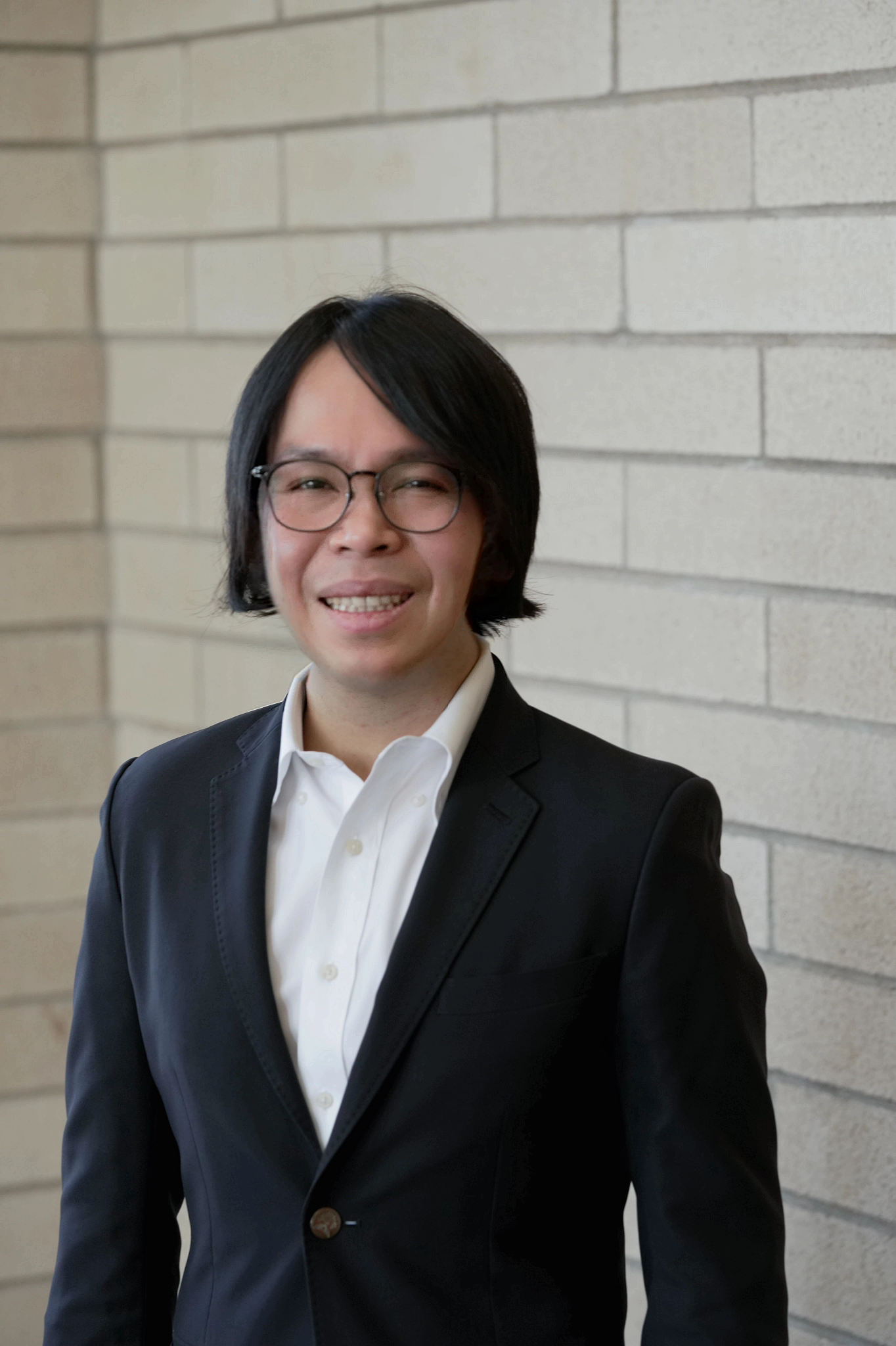
Alvin Camba

Beijing believes that Washington is overestimating its own leverage and its ability to handle the trade war’s impacts.


Rick Waters, Sheena Chestnut Greitens
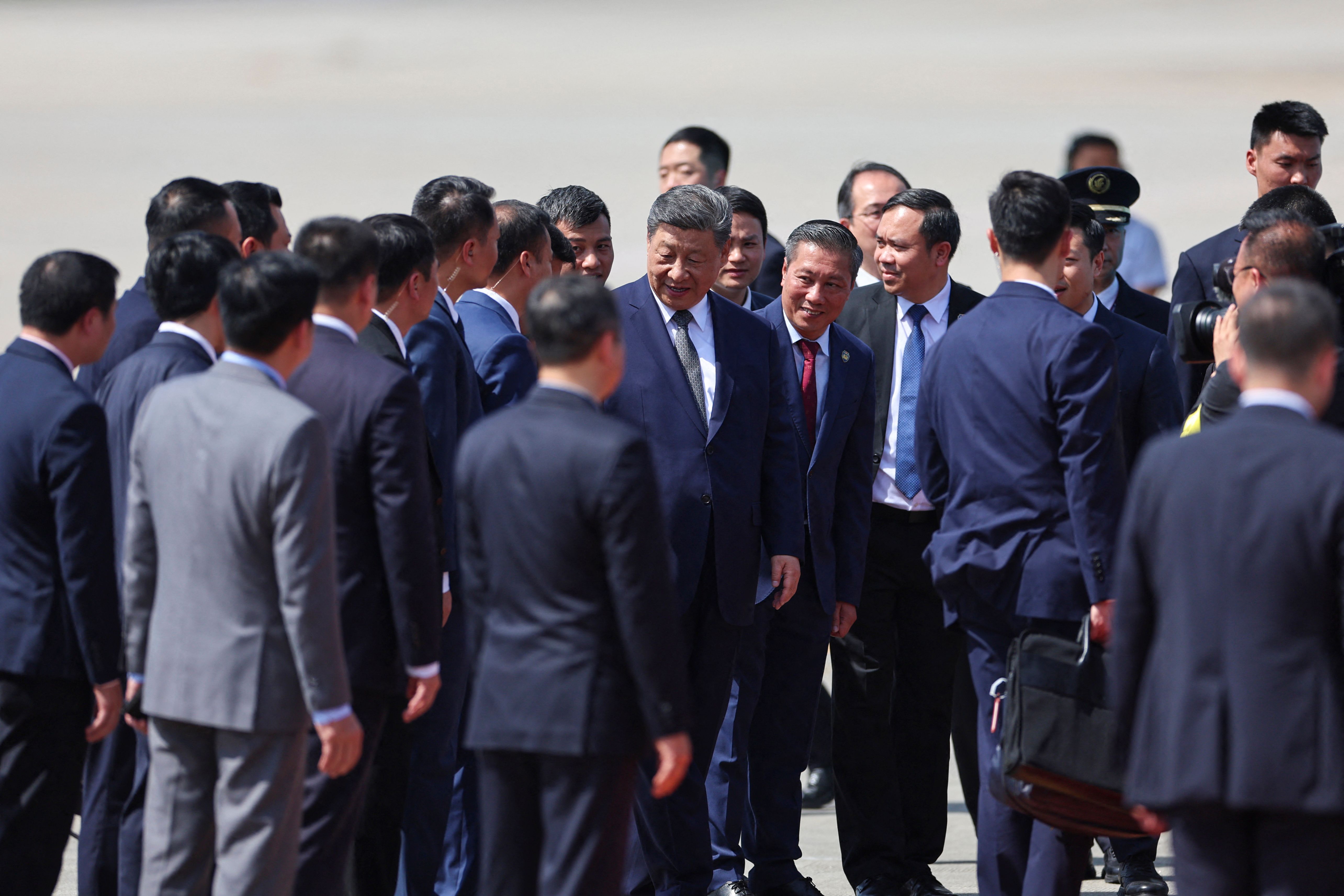
Tapping our network of China experts in the region, Carnegie China offers this latest “China Through a Southeast Asian Lens” report to offer preliminary assessments of whether the U.S. effort to reshape the global trading order will lead countries in the region to tilt toward Beijing.
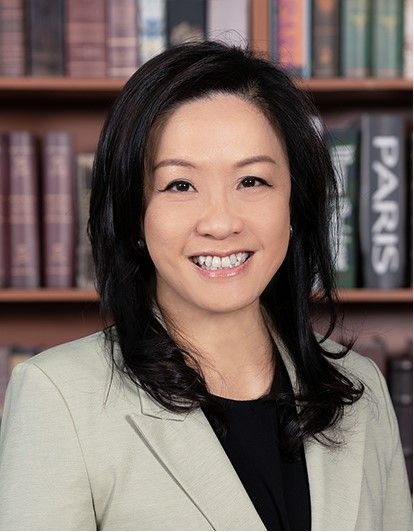


Selina Ho, Khin Khin Kyaw Kyee, Joseph Ching Velasco, …
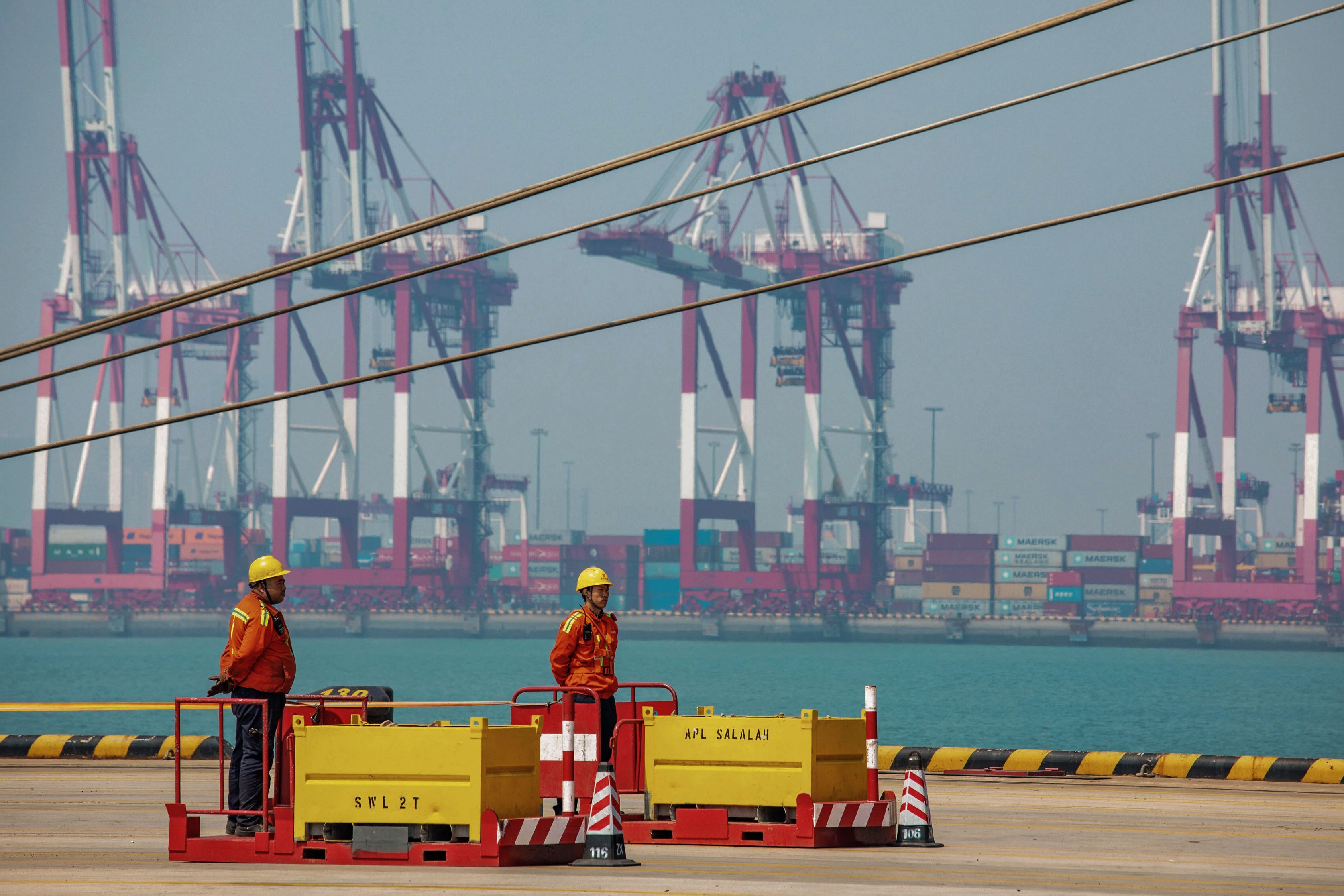
In order to keep production growing, China must either increase investment, and with it its debt burden, or increase its trade surplus.

Michael Pettis
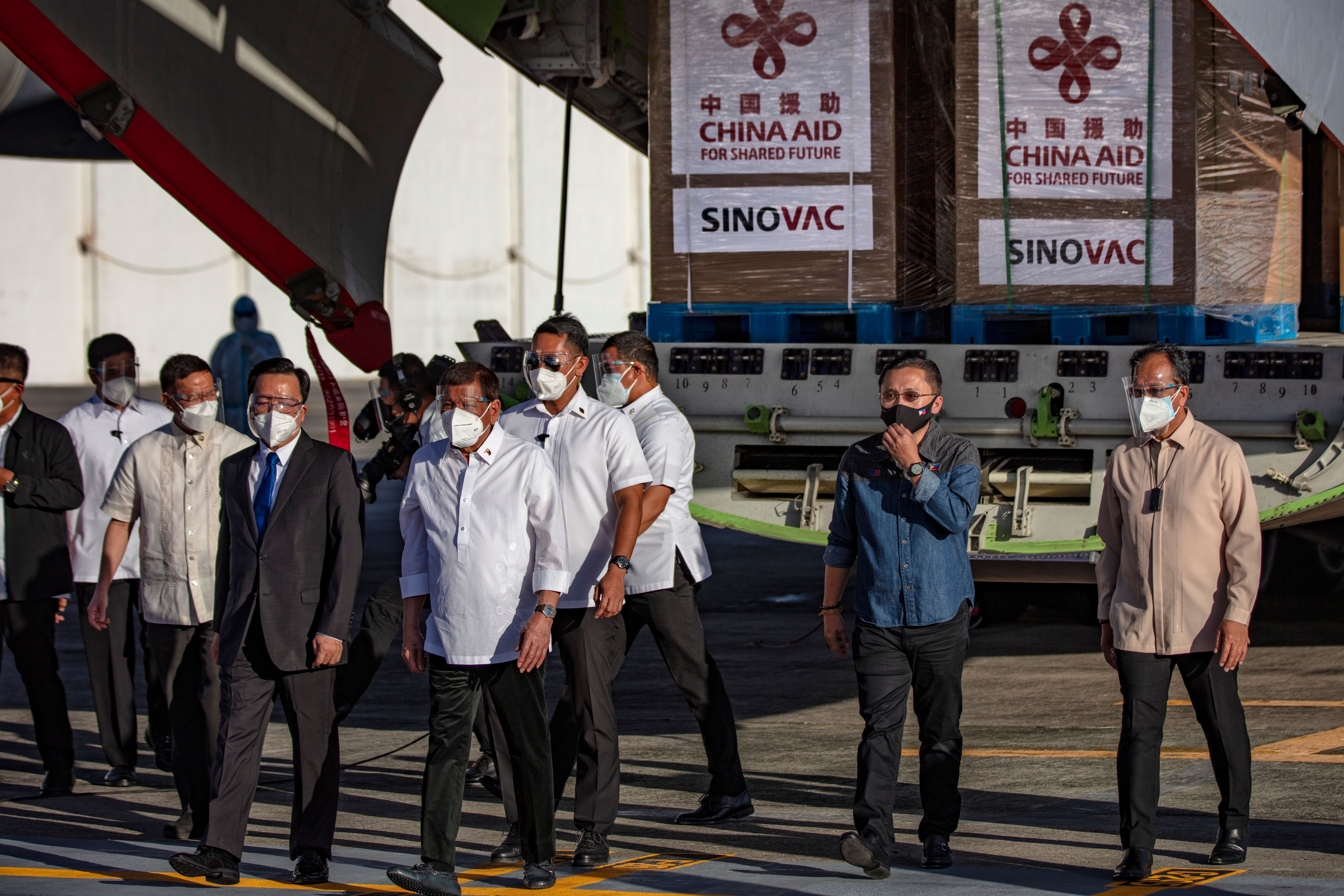
As tech competition moves into the biotech sector, China is increasingly shifting its focus to nearby regions to alleviate U.S.-induced supply chain pressures. As part of this transition, Southeast Asia has emerged as a favored destination.

Xue Gong