

Article
Thomas Carothers

REQUIRED IMAGE
The rapidly growing field of rule-of-law assistance is operating from a disturbingly thin base of knowledge—with respect to the core rationale of the work, how change in the rule of law occurs, and the real effects of the changes that are produced.
Western aid agencies prescribe rule-of-law programs to cure a remarkably wide array of ailments in developing and post-communist countries, from corruption and surging crime to lagging foreign investment and growth. Yet there is a surprising amount of uncertainty about their actual impact on these problems, as well as a lack of knowledge at many levels of conception, operation, and evaluation of the entire rule-of-law field.
In this new working paper, Thomas Carothers argues that the rapidly growing field of rule-of-law assistance is operating from a disturbingly thin base of knowledge—with respect to the core rationale of the work, how change in the rule of law occurs, and the real effects of the changes that are produced.
About the Author
Thomas Carothers, a senior associate at the Carengie Endowment, is the founder and director of the Endowment's Democracy and Rule of Law Project. He is the author of several books on democracy promotion, including Aiding Democracy Abroad: The Learning Curve.
A limited number of print copies are available.
Request a copy.

Harvey V. Fineberg Chair for Democracy Studies; Senior Fellow, Democracy, Conflict, and Governance Program
Thomas Carothers, a senior fellow in the Carnegie Endowment for International Peace’s Democracy, Conflict, and Governance Program, is a leading expert on comparative democratization and international support for democracy.
Recent Work
Thomas Carothers
Thomas Carothers
Carnegie does not take institutional positions on public policy issues; the views represented herein are those of the author(s) and do not necessarily reflect the views of Carnegie, its staff, or its trustees.
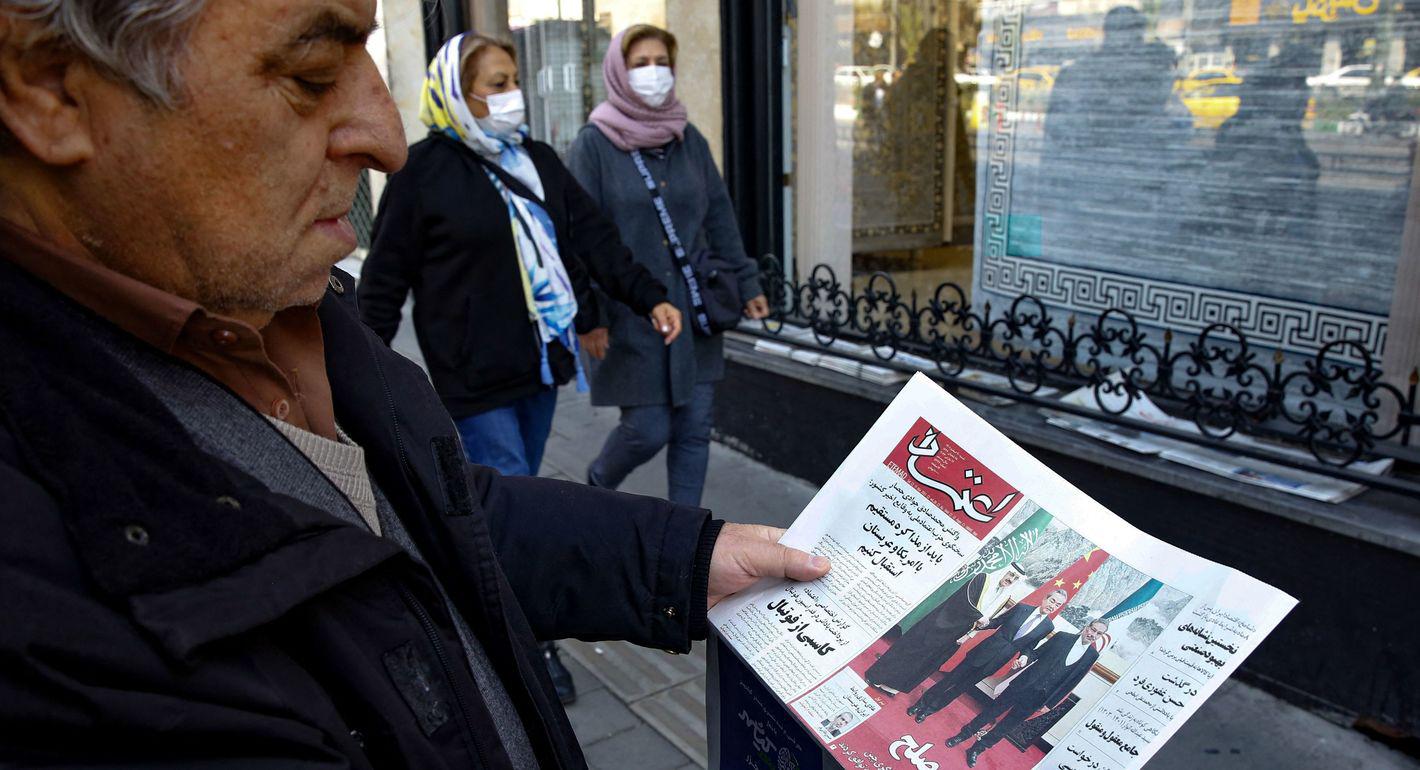
Transactional relationships are stable but can be shallow.



Paul Haenle, Maha Yahya, Benjamin Ho, …
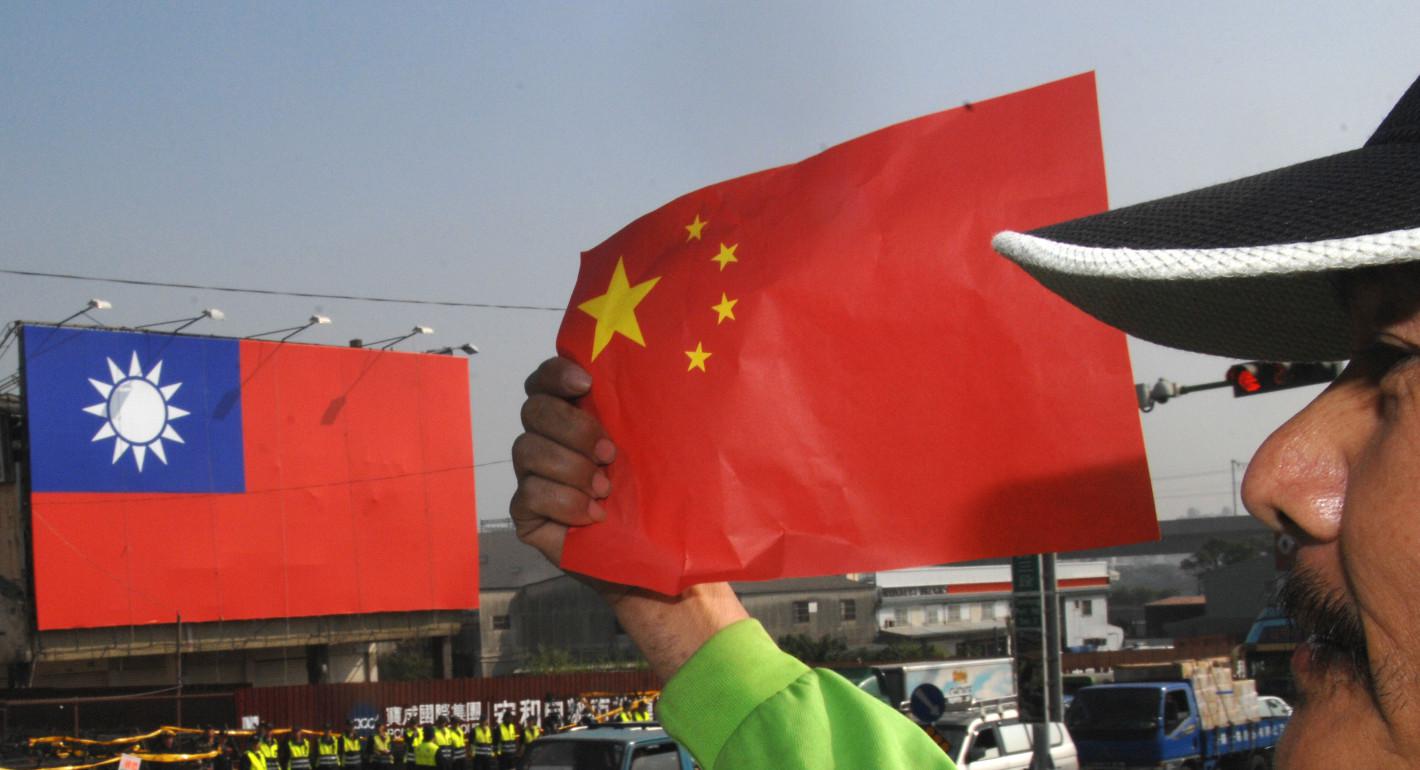
Beijing says that over 180 countries accept its “one China principle” regarding Taiwan, but the reality is more complicated.

Chong Ja Ian

Beijing must choose between preserving its pandemic narrative or facing more unrest.
Paul Haenle

It’s about managing oil prices, bread prices, and strategic partnerships.



Amr Hamzawy, Karim Sadjadpour, Aaron David Miller, …
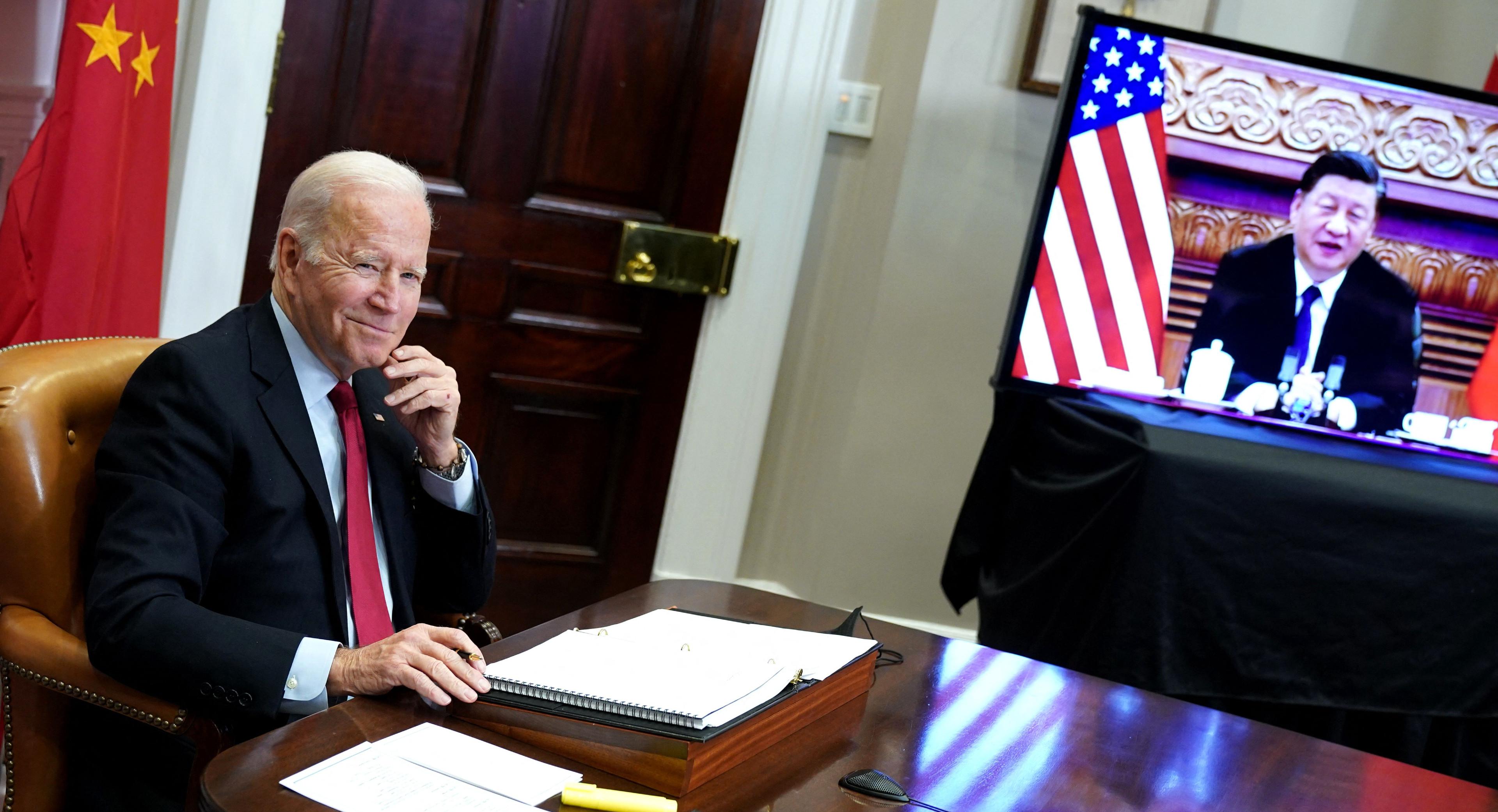
Three months after the Biden-Xi summit, the two sides’ divergent framings of the bilateral relationship are hindering progress.
Paul Haenle, Sam Bresnick