

Commentary
In the latest Five-Year Plan, the Chinese president cements the shift to an innovation-driven economy over a consumption-driven one.
Damien Ma

REQUIRED IMAGE
Foreign direct investment (FDI) has transformed Mexico's banking system over the past decade and made it the most foreign owned financial sector in Latin America. This paper traces the foreign investments and resulting structural changes in Mexico's banking sector, identifies key impacts on Mexican finance, and evaluates the results from an economic and development perspective.
Summary
Foreign direct investment (FDI) has transformed Mexico's banking system over the past decade and made it the most foreign owned financial sector in Latin America. This paper traces the foreign investments and resulting structural changes in Mexico's banking sector, identifies key impacts on Mexican finance, and evaluates the results from an economic and development perspective.
Click on link above for the full text of this Carnegie Paper.
About the Author
Jacob Steinfeld is the Junior Fellow on the Trade, Equity, and Development Project. He is a former Fulbright Binational Business Scholar in Mexico and a graduate of Emory University.
Jacob Steinfeld
Carnegie does not take institutional positions on public policy issues; the views represented herein are those of the author(s) and do not necessarily reflect the views of Carnegie, its staff, or its trustees.

In the latest Five-Year Plan, the Chinese president cements the shift to an innovation-driven economy over a consumption-driven one.

Damien Ma

Regulation, not embargo, allows Beijing to shape how other countries and firms adapt to its terms.
Alvin Camba
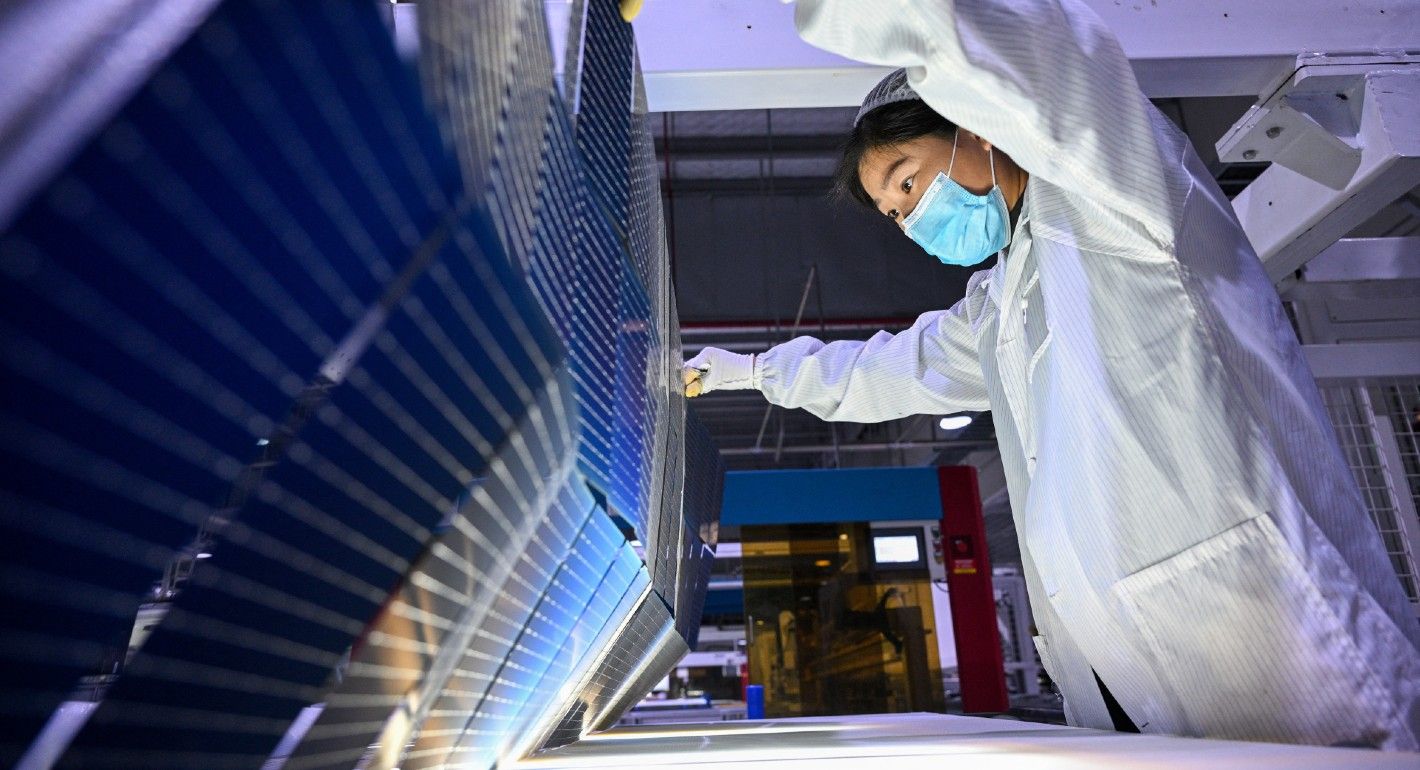
Rather than climate ambitions, compatibility with investment and exports is why China supports both green and high-emission technologies.

Mathias Larsen
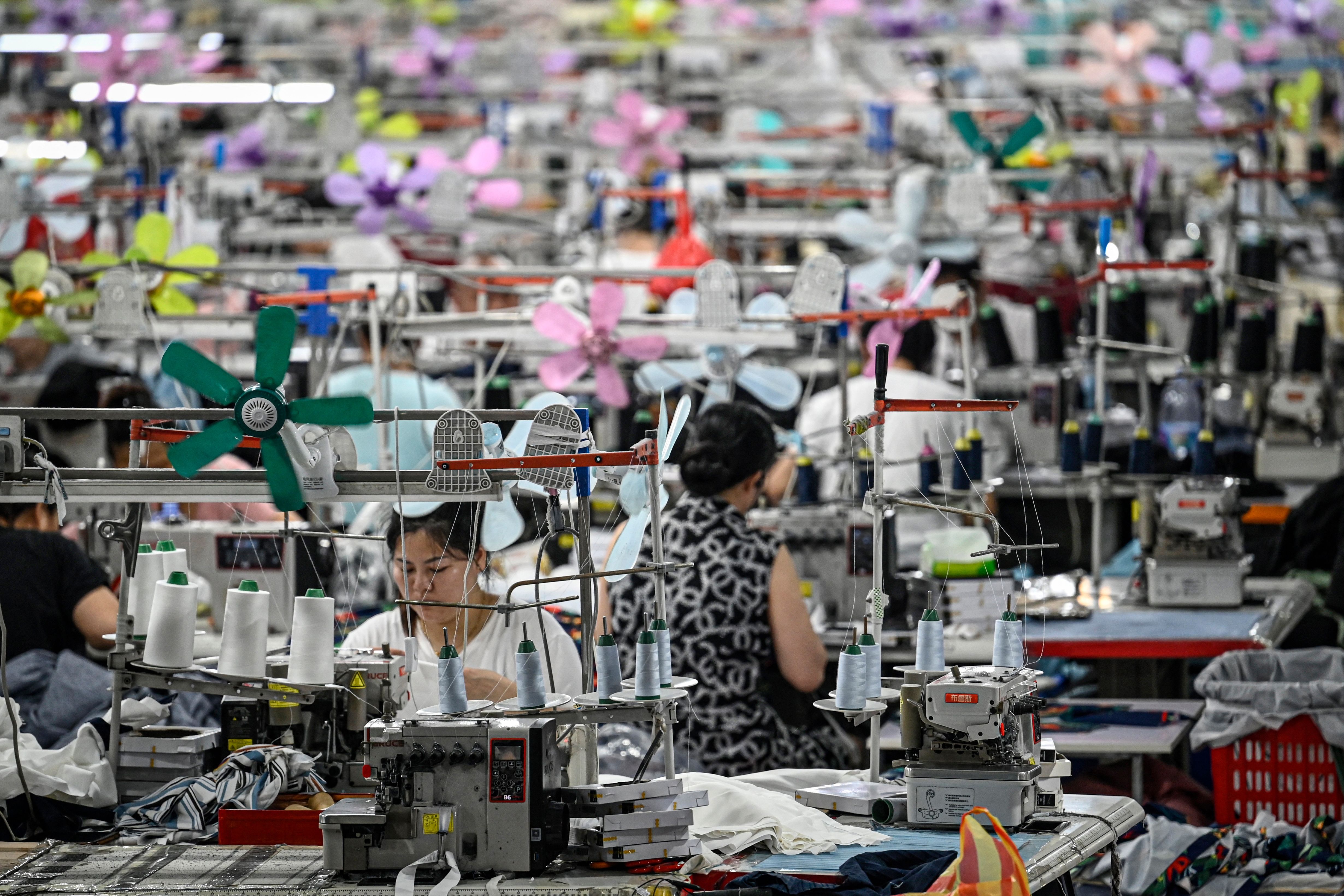
“Involution” is a new word for an old problem, and without a very different set of policies to rein it in, it is a problem that is likely to persist.

Michael Pettis
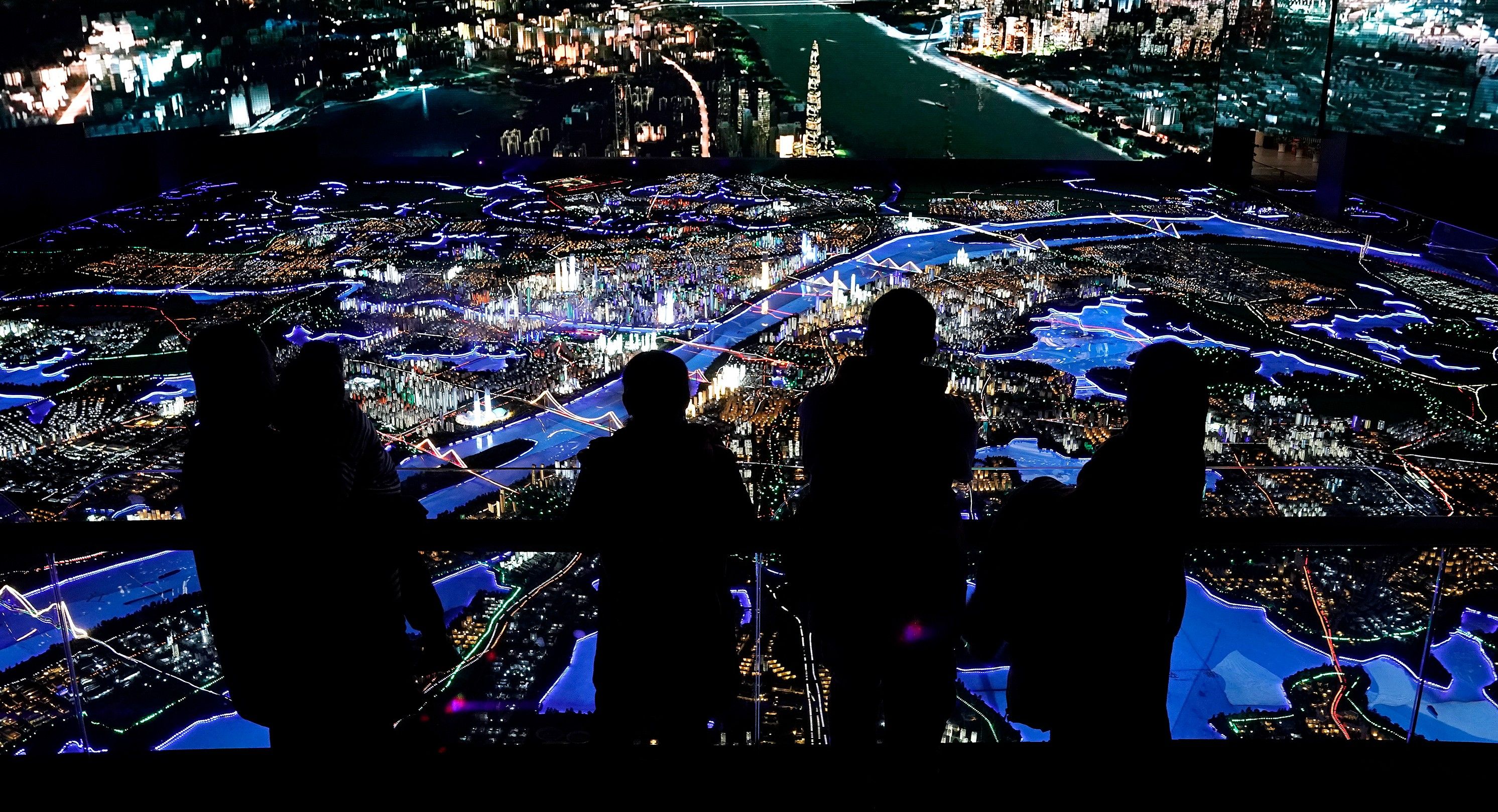
While China's investment story seems contradictory from the outside, the real answers to Beijing's high-quality growth ambitions are hiding in plain sight across the nation's cities.
Yuhan Zhang