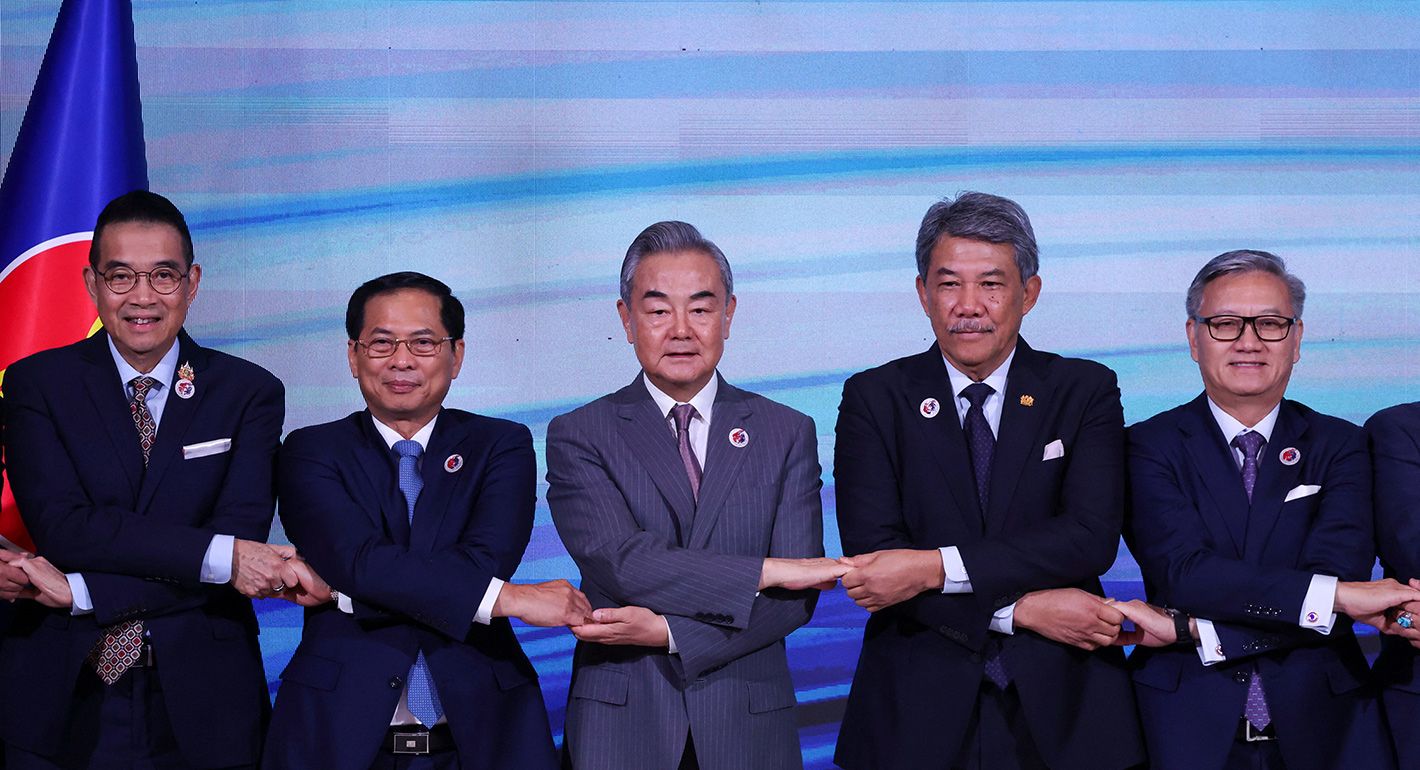
The Thai-Cambodian conflict highlights the limits to China's peacemaker ambition and the significance of this role on Southeast Asia’s balance of power.
Pongphisoot (Paul) Busbarat
REQUIRED IMAGE
Source: publisher
Summary
Are Islam and democracy compatible? And are Islamists willing to accept a democratic order and work within it? Debate has swirled around these two grand questions for decades and has produced a broad variety of responses, often quite polarized. Whatever we may think about Islamists, the topic matters vitally because in the Middle East today they have few serious ideological rivals in leading opposition movements against a failing status quo. This paper argues that democracy and political Islam are potentially quite compatible in principle, and the record indicates as much.
Click on link above for the full text of this Carnegie Paper.
About the Author
Graham E. Fuller is a former vice-chair of the National Intelligence Council at the U.S. Central Intelligence Agency, a former senior political scientist at RAND, and currently an independent writer and analyst. He is the author of many books and
articles on the Muslim world. His latest book is The Future of Political Islam (2003).
Graham E. Fuller
Carnegie does not take institutional positions on public policy issues; the views represented herein are those of the author(s) and do not necessarily reflect the views of Carnegie, its staff, or its trustees.
The Thai-Cambodian conflict highlights the limits to China's peacemaker ambition and the significance of this role on Southeast Asia’s balance of power.
Pongphisoot (Paul) Busbarat
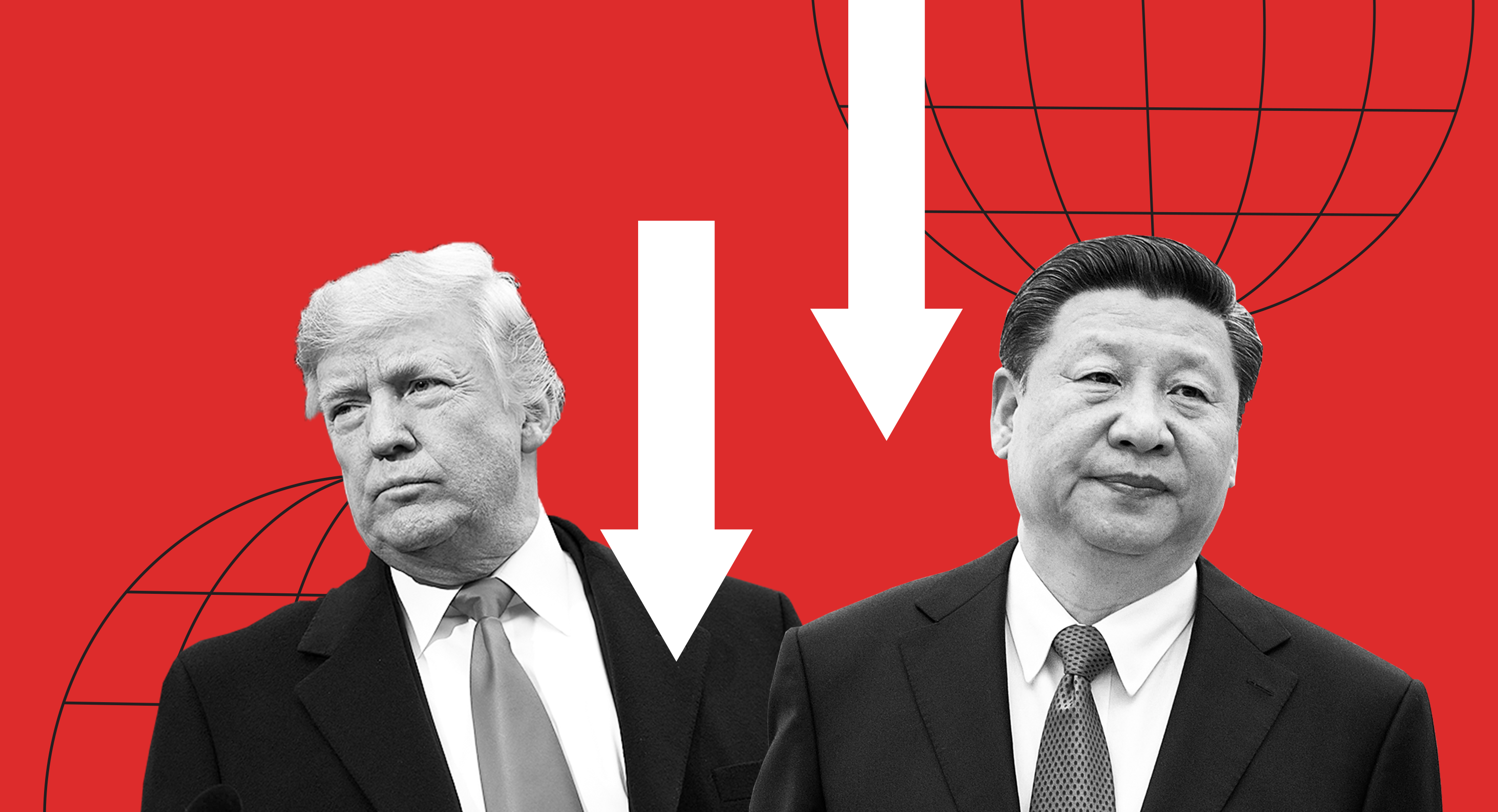
Beijing believes that Washington is overestimating its own leverage and its ability to handle the trade war’s impacts.
Rick Waters, Sheena Chestnut Greitens
Tapping our network of China experts in the region, Carnegie China offers this latest “China Through a Southeast Asian Lens” report to offer preliminary assessments of whether the U.S. effort to reshape the global trading order will lead countries in the region to tilt toward Beijing.
Selina Ho, Khin Khin Kyaw Kyee, Joseph Ching Velasco, …
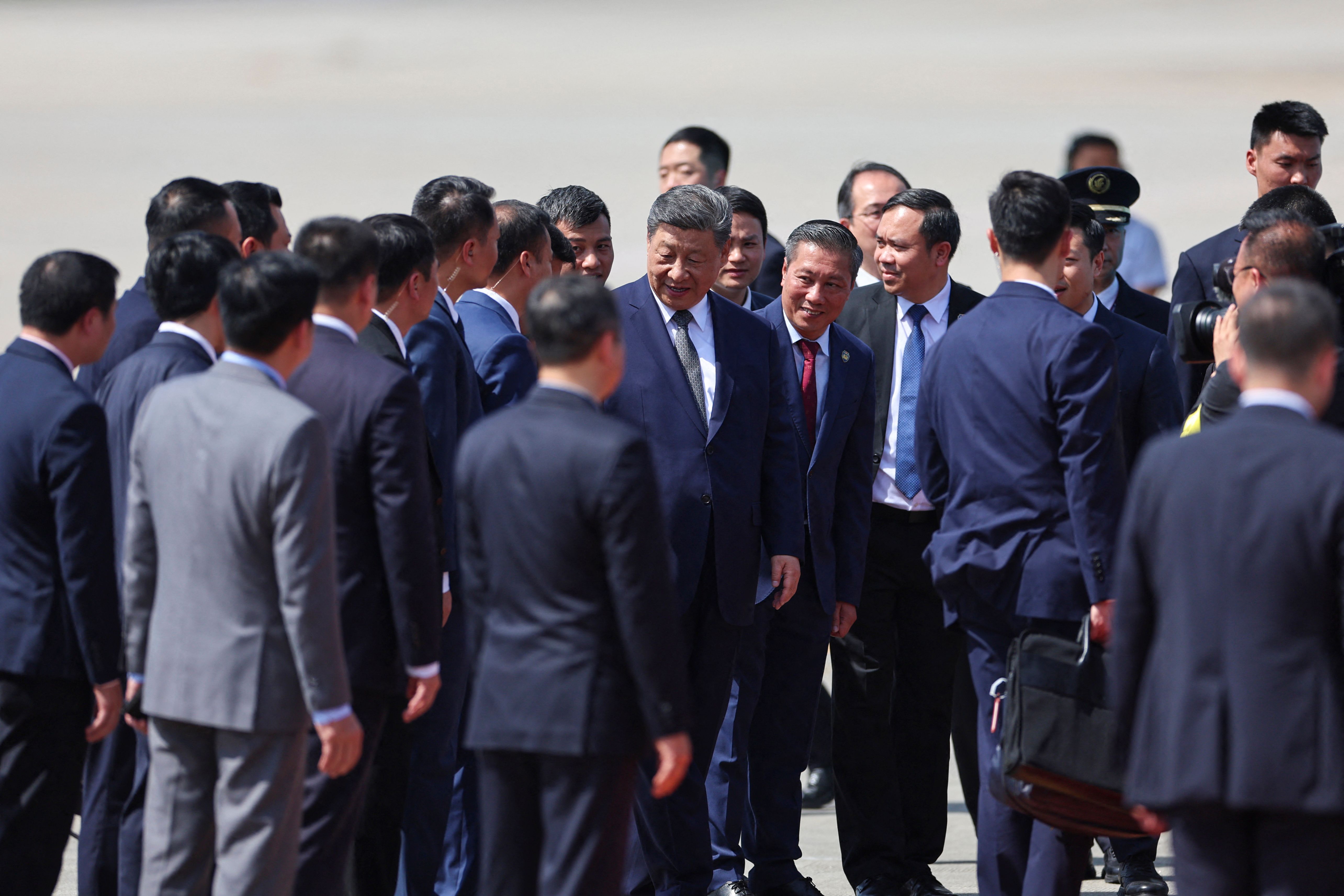
Because strategic, economic, and ideological perceptions of China contain multiple, sometimes contradictory facets in Southeast Asia, receptions of and responses to Beijing diverge across and within state lines.
Evan A. Feigenbaum, Chong Ja Ian, Elina Noor
Most Southeast Asian states behave as if the actions of their Northeast Asian neighbors and the Philippines will be sufficient to maintain a regional status quo from which they can benefit.
Chong Ja Ian