

Commentary
The advantage that China has over other global powers, especially America, is that its foreign policy is closely aligned with those of many of the Middle Eastern countries.
Jin Liangxiang, Maha Yahya, Hesham Alghannam

REQUIRED IMAGE
Source: Carnegie Endowment
Summary
The Egyptian government has allowed the religious establishment to increase its control on Egyptian politics and society in an attempt to tighten the influence of more radical Islamist organizations. In this new Carnegie paper, Bassma Kodmani writes a case study on the relationship between religious authority and political authority in Egypt.
Kodmani outlines the motivations, interests, strategies, and agendas of the institutions that represent and speak for Islam and those that represent the state and act in its name. She concludes that, “Conservative Islamic authorities that claim to be nonpolitical are more problematic and dangerous for social progress than legally recognized parties participating in the democratic process would be.” Therefore, in order to secure responsible behavior from the state, the religious establishment, and the citizenry, Kodmani advocates greater space for political parties, including Islamist ones.
Click on link above for the full text of this Carnegie Paper.
About the Author
Bassma Kodmani is an associate professor at the College de France and director of the Arab Reform Initiative. She is an expert on Middle East politics and contributing writer to the Carnegie Endowment’s Middle East Political Reform Initiative (MEPRI).
Bassma Kodmani
Carnegie does not take institutional positions on public policy issues; the views represented herein are those of the author(s) and do not necessarily reflect the views of Carnegie, its staff, or its trustees.
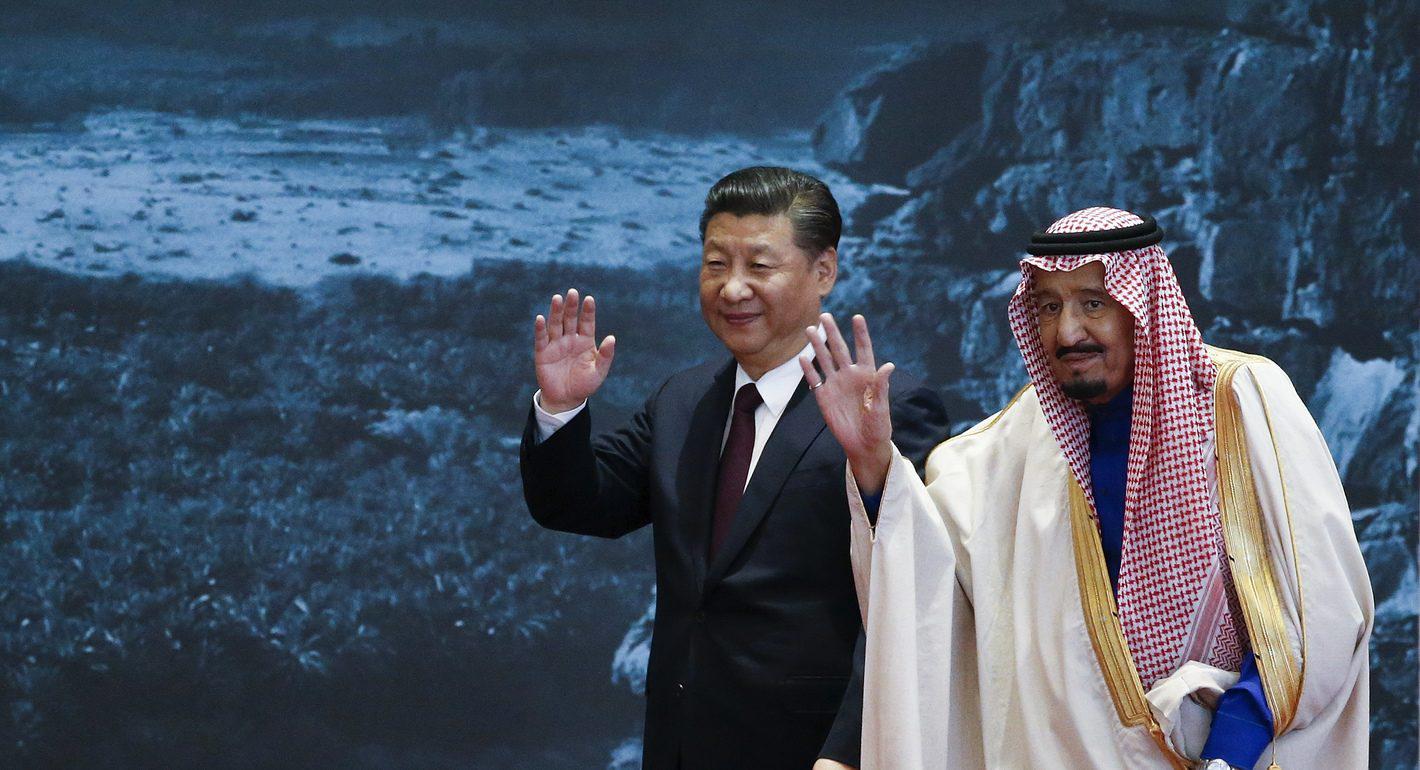
The advantage that China has over other global powers, especially America, is that its foreign policy is closely aligned with those of many of the Middle Eastern countries.
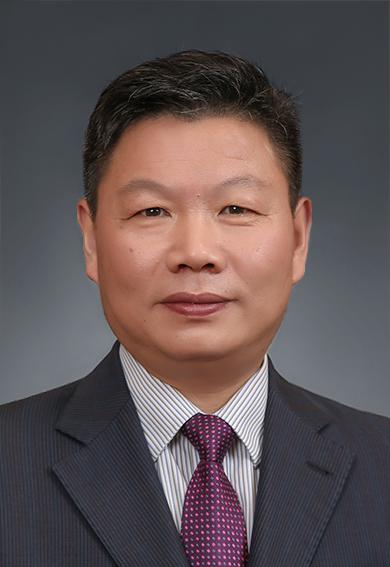


Jin Liangxiang, Maha Yahya, Hesham Alghannam
Transactional relationships are stable but can be shallow.

Paul Haenle, Maha Yahya, Benjamin Ho, …
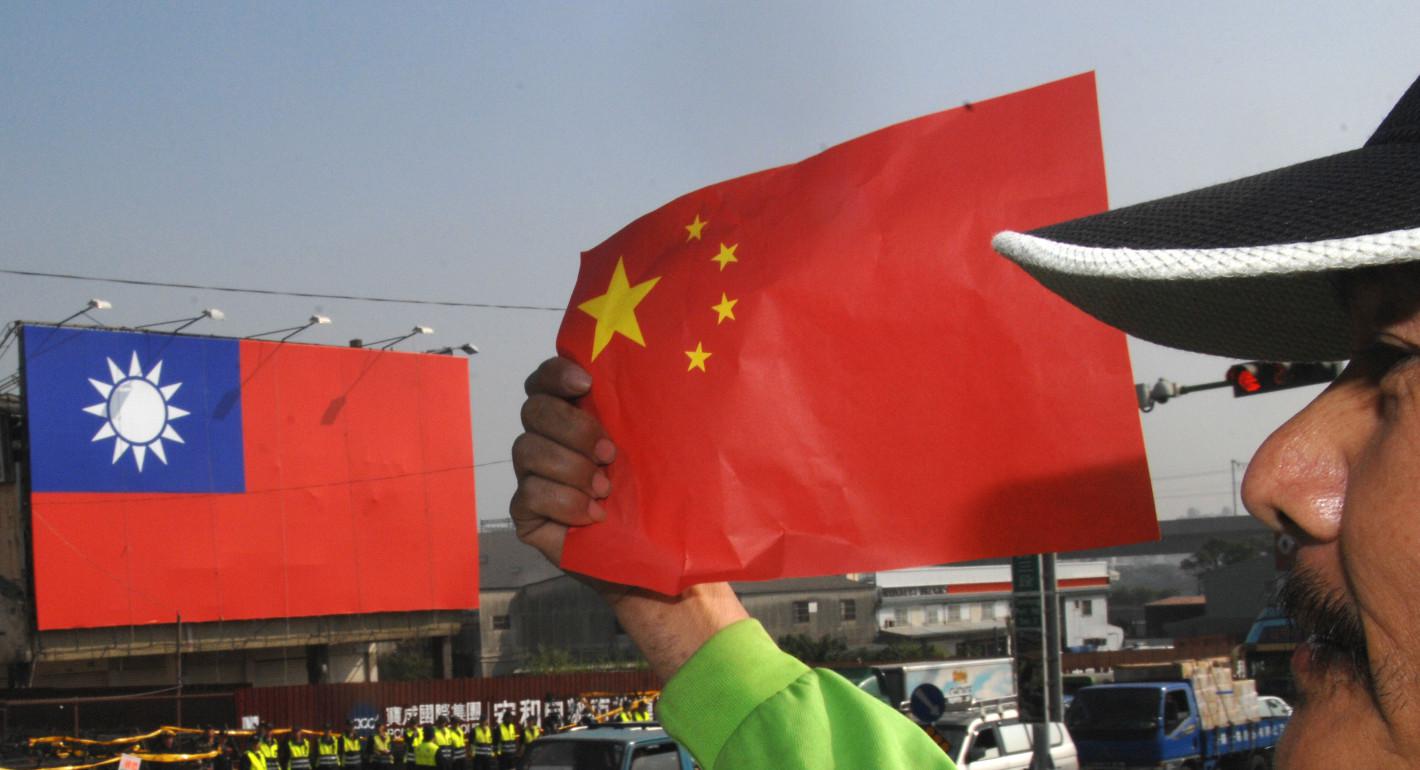
Beijing says that over 180 countries accept its “one China principle” regarding Taiwan, but the reality is more complicated.

Chong Ja Ian
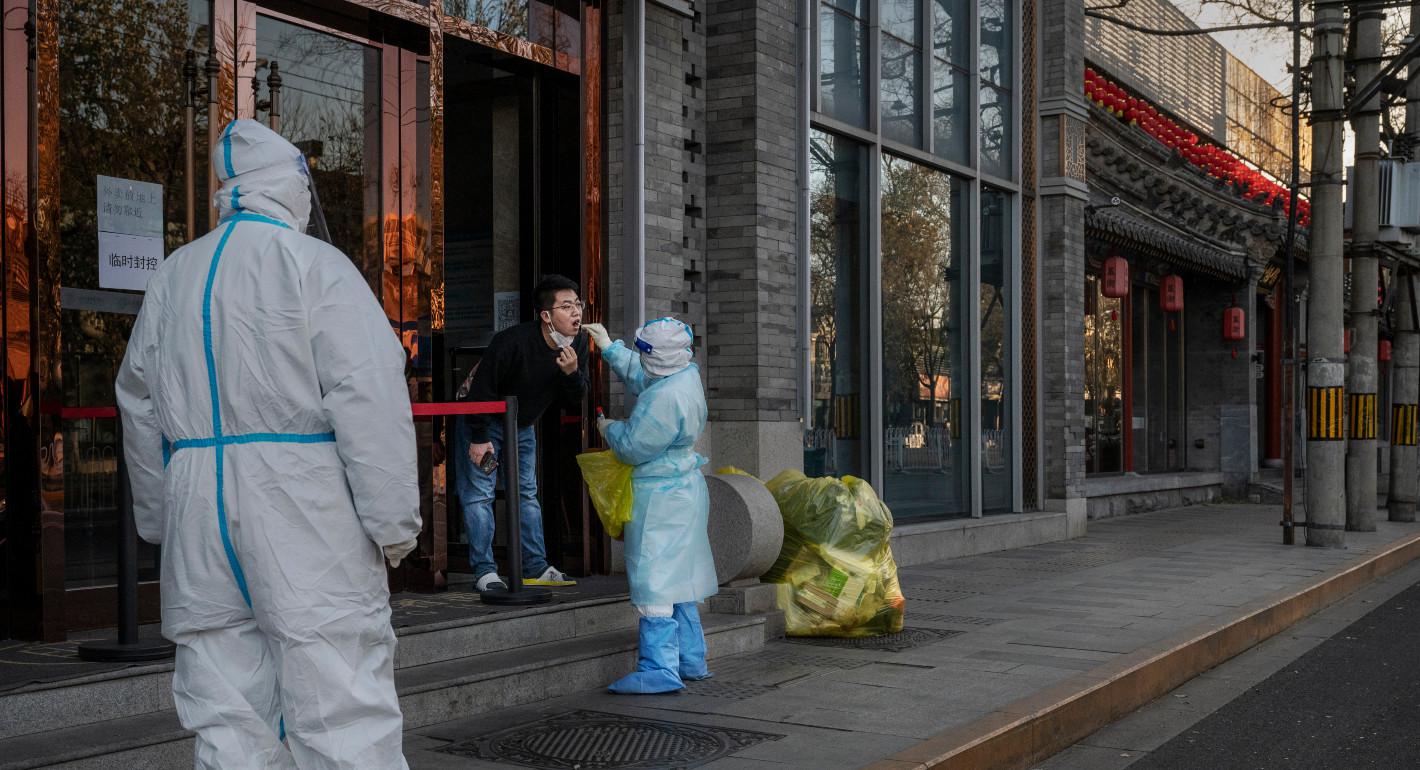
Beijing must choose between preserving its pandemic narrative or facing more unrest.
Paul Haenle
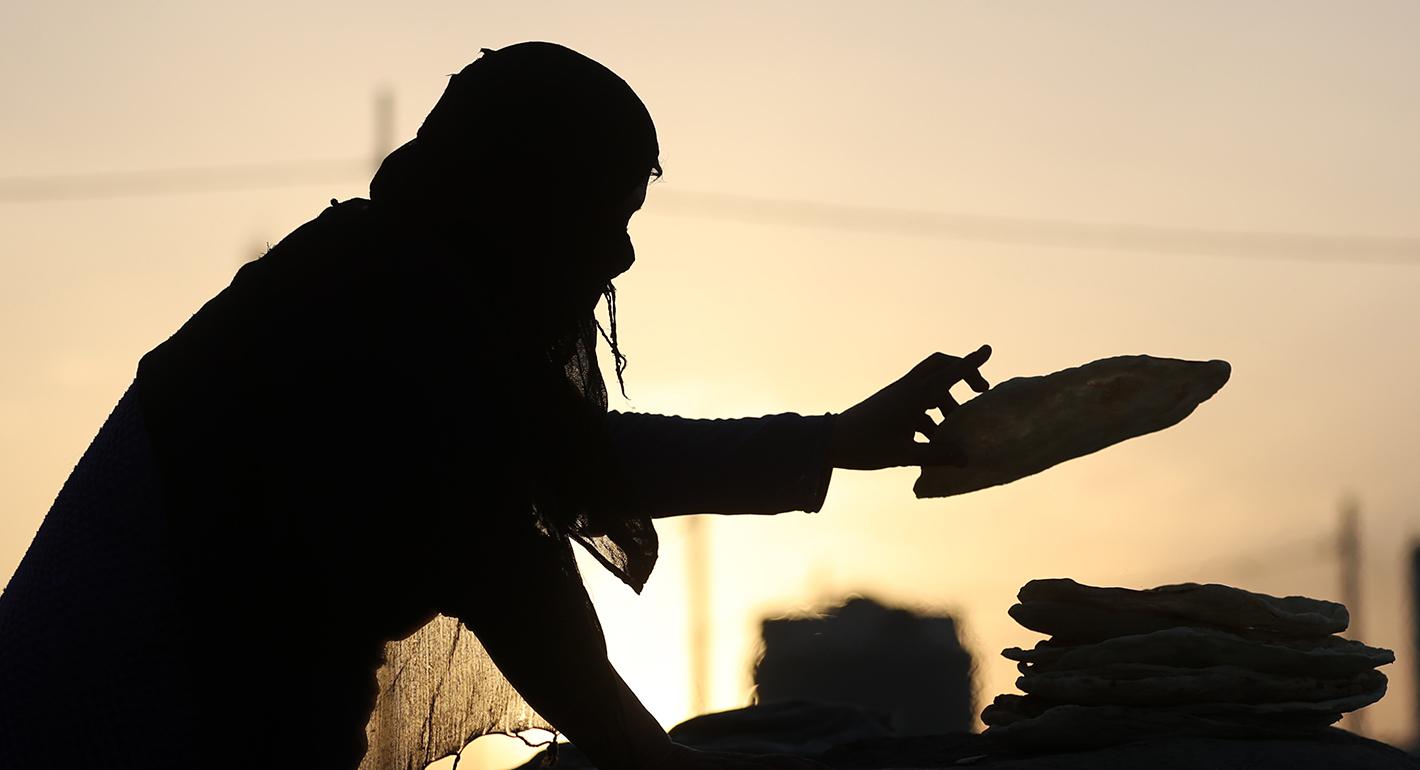
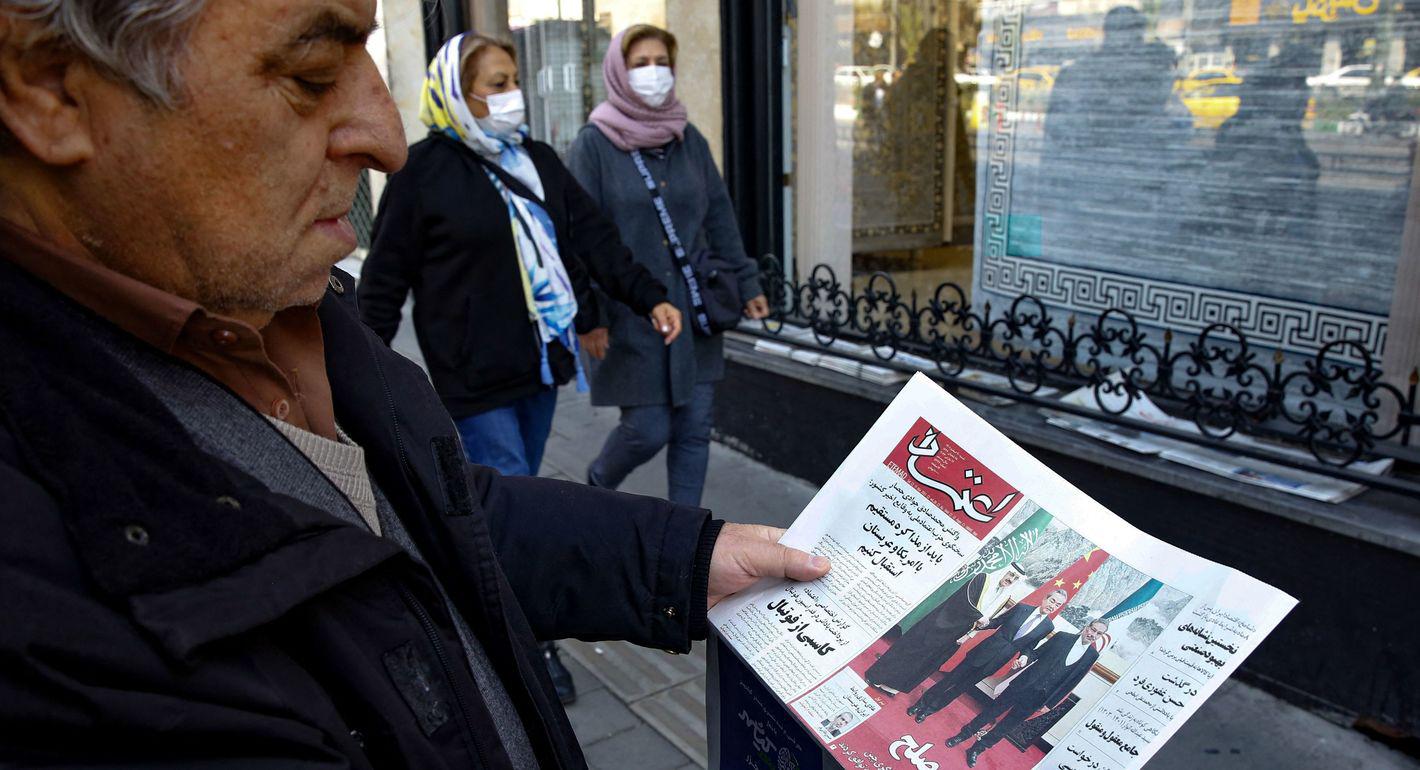
It’s about managing oil prices, bread prices, and strategic partnerships.



Amr Hamzawy, Karim Sadjadpour, Aaron David Miller, …