

Research
- +6
Yasmine Farouk, Nathan J. Brown, Maysaa Shuja Al-Deen, …

REQUIRED IMAGE
Source: Carnegie Endowment
Summary
Is Egypt irreversibly moving toward democratization, or is it merely undergoing a brief liberal episode that will not fundamentally change the way political power is exercised? Middle East specialist Michele Dunne presents her latest analysis in the Carnegie Paper, Evaluating Egyptian Reform, and assesses recent reform measures and the next priorities for Egypt.
This paper is part of a series of Carnegie Endowment country case studies on the Arab world, which attempts to address what would constitute qualitative political change in each country and what role outside forces can play to support a domestic reform process.
Click on link above for the full text of this Carnegie Paper.
About the Author
Michele Dunne is editor of the Arab Reform Bulletin, published by the Carnegie Endowment, and a visiting assistant professor of Arabic at Georgetown University.

Former Nonresident Scholar, Middle East Program
Michele Dunne was a nonresident scholar in Carnegie’s Middle East Program, where her research focuses on political and economic change in Arab countries, particularly Egypt, as well as U.S. policy in the Middle East.
Recent Work



Yasmine Farouk, Nathan J. Brown, Maysaa Shuja Al-Deen, …

Robert Springborg, Emile Hokayem, Becca Wasser, …
Carnegie does not take institutional positions on public policy issues; the views represented herein are those of the author(s) and do not necessarily reflect the views of Carnegie, its staff, or its trustees.
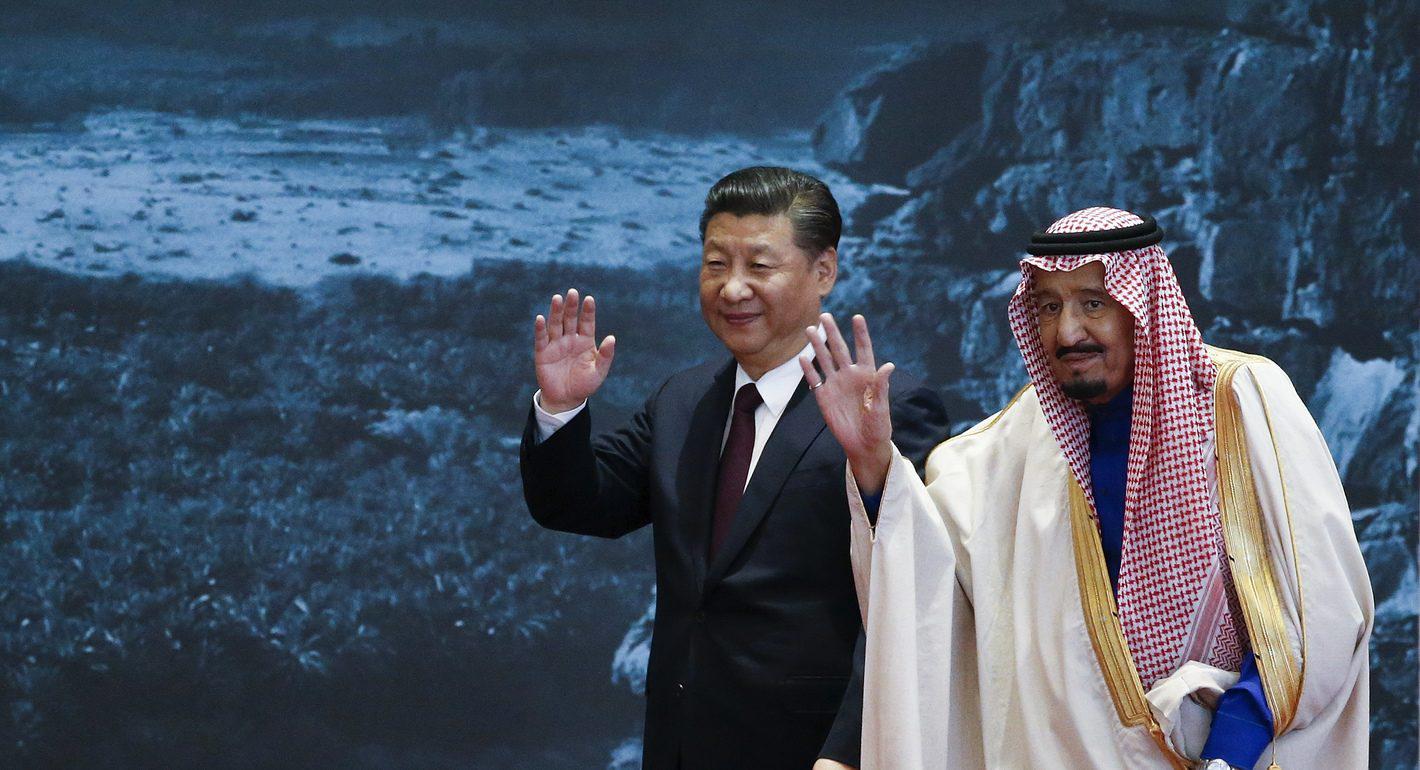
The advantage that China has over other global powers, especially America, is that its foreign policy is closely aligned with those of many of the Middle Eastern countries.


Jin Liangxiang, Maha Yahya, Hesham Alghannam
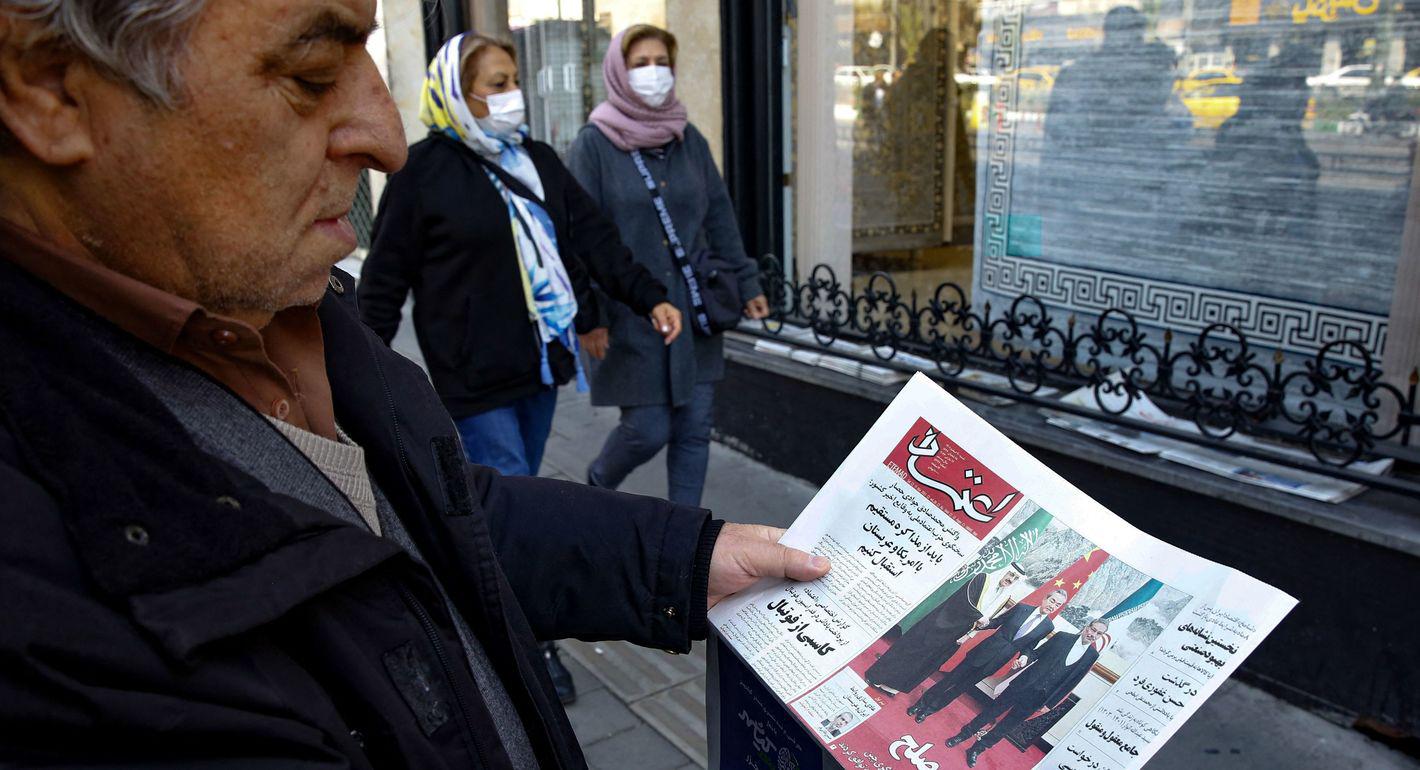
Transactional relationships are stable but can be shallow.

Paul Haenle, Maha Yahya, Benjamin Ho, …
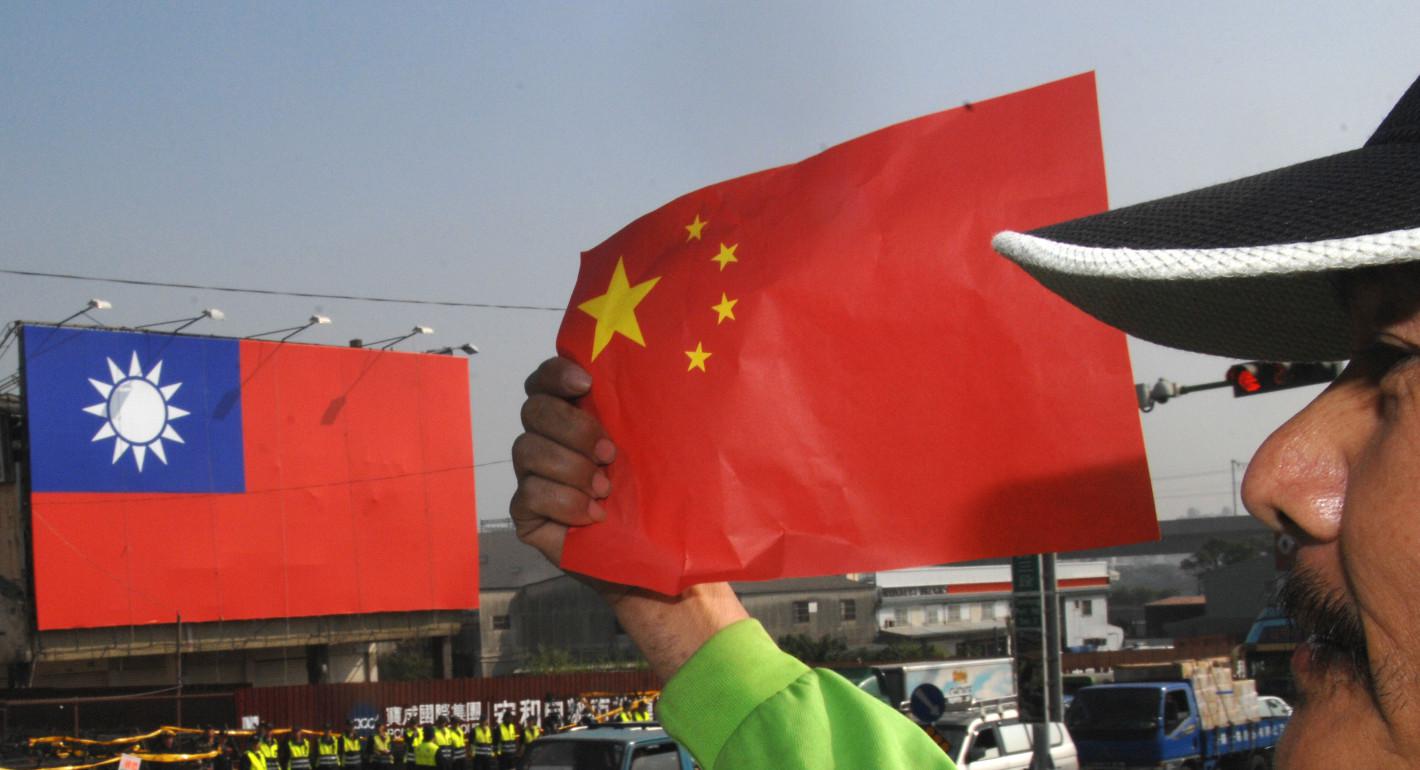
Beijing says that over 180 countries accept its “one China principle” regarding Taiwan, but the reality is more complicated.

Chong Ja Ian
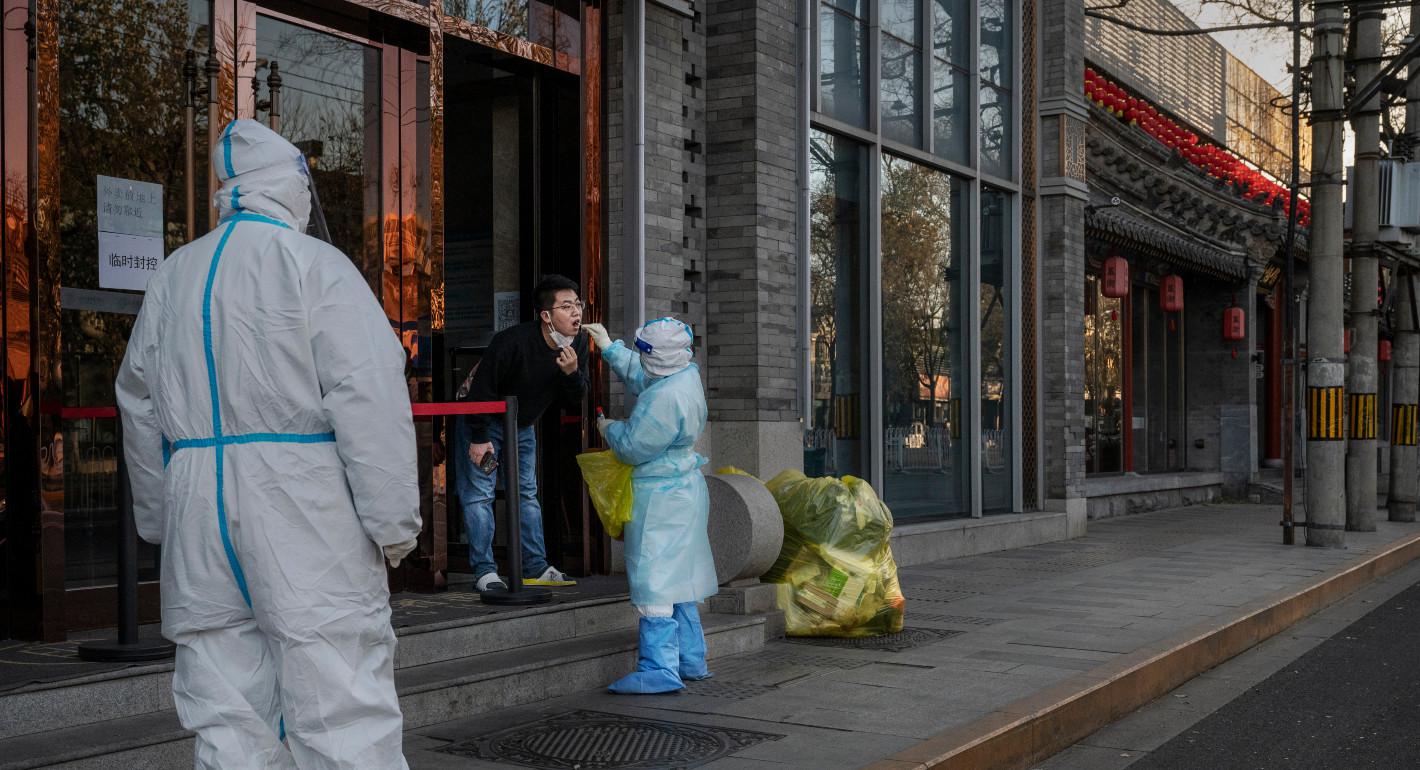
Beijing must choose between preserving its pandemic narrative or facing more unrest.
Paul Haenle

It’s about managing oil prices, bread prices, and strategic partnerships.



Amr Hamzawy, Karim Sadjadpour, Aaron David Miller, …