

Commentary
Transactional relationships are stable but can be shallow.
- +1
Paul Haenle, Maha Yahya, Benjamin Ho, …

REQUIRED IMAGE
Political reform in the Arab world is a top priority in U.S. foreign policy and Morocco is often held up as an example of a country successfully moving toward democracy under the guidance of an enlightened monarch. The threat to a democratic transition lead by the Islamist PJD Party is not that it is too radical, but that it may be co-opted by the monarch.
Source: Carnegie Endowment
Political reform in the Arab world is a top priority in U.S. foreign policy and Morocco is often held up as an example of a country successfully moving toward democracy under the guidance of an enlightened monarch. For over a decade, the Moroccan monarchy has embraced a reformist agenda. As impressive as some of the reforms undoubtedly are, the missing piece—political reform—consistently ensures that there is no threat to the ultimate power of the king. In a new Carnegie Paper, Morocco: From Top-Down Reform to Democratic Transition?, Marina Ottaway and Meredith Riley discuss the necessary steps toward creating a truly democratic political system.
In the case of “reform from the top,” the authors argue that the Morocco example shows the limitations of monarchial reform. Despite significant improvements in free speech, women’s rights, and economic reform, true democratization cannot exist without formal restrictions on the king’s power. Political reform, independent branches of government, and elected institutions are vital components of a democratic society.
Morocco’s main Islamist party, the PJD, may hold the key to democracy in the country. Expected to obtain the largest number of votes in the 2007 parliamentary elections, the party will become a major player in the new government. The threat to a democratic transition is not that the party is too radical, but that it may allow itself to be co-opted by the monarch as all other parties have done. In a region where Islamists often threaten political reform, Morocco’s main Islamist party could be, paradoxically, its best chance for legitimate democracy.
A limited number of print copies of this Carnegie Paper are available.
Request a copy
Marina Ottaway is director of the Middle East Program and senior associate in the Democracy and Rule of Law Project at the Carnegie Endowment. She coedited with Thomas Carothers Uncharted Journey: Promoting Democracy in the Middle East (Carnegie, 2005).
Meredith Riley was a junior fellow in the Democracy and Rule of Law Project in 2005-2006. She is currently a Wellesley-Yenching fellow at the Chinese University of Hong Kong.
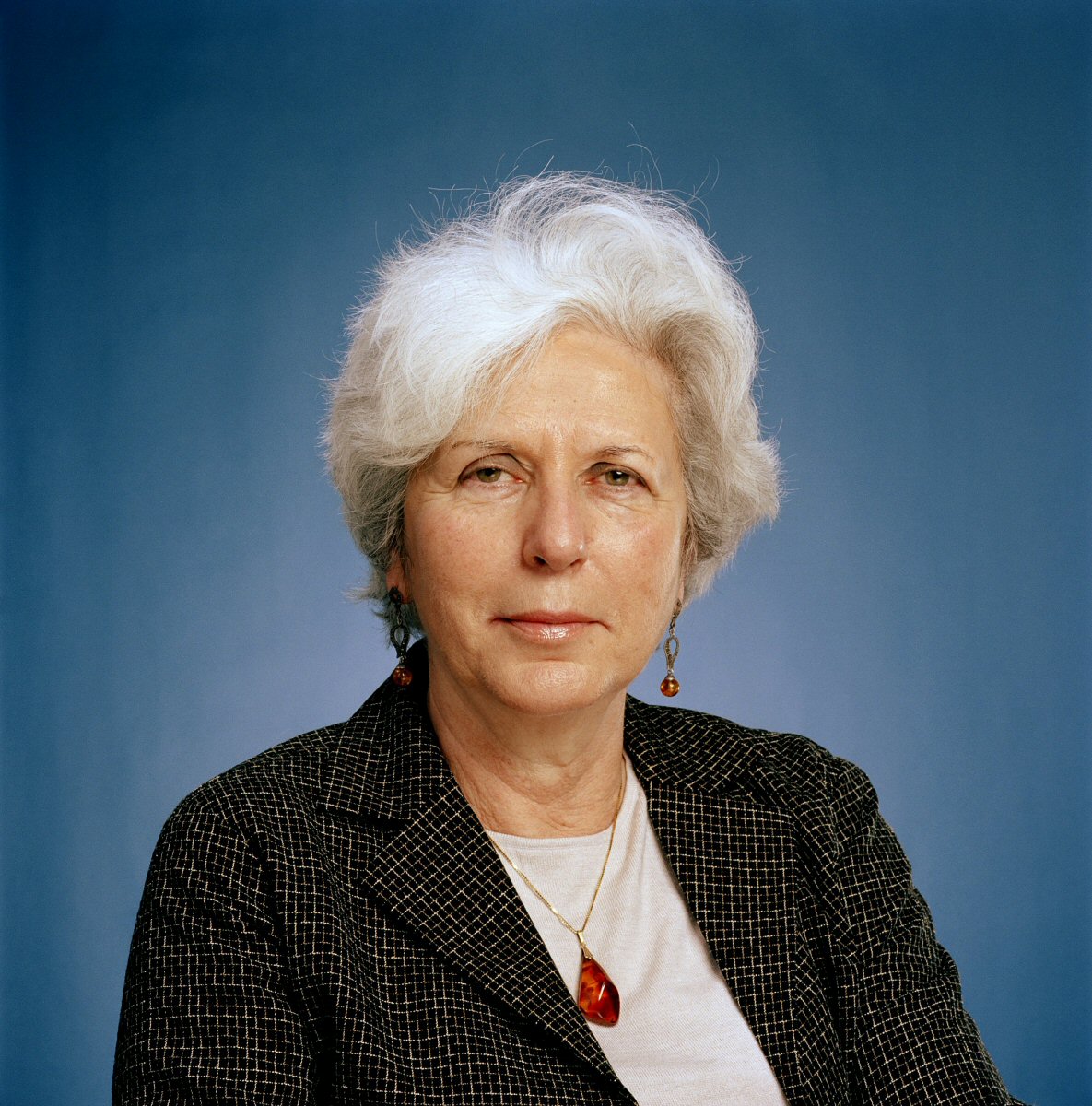
Former Senior Associate, Middle East Program
Before joining the Endowment, Ottaway carried out research in Africa and in the Middle East for many years and taught at the University of Addis Ababa, the University of Zambia, the American University in Cairo, and the University of the Witwatersrand in South Africa.
Meredith Riley
Carnegie does not take institutional positions on public policy issues; the views represented herein are those of the author(s) and do not necessarily reflect the views of Carnegie, its staff, or its trustees.
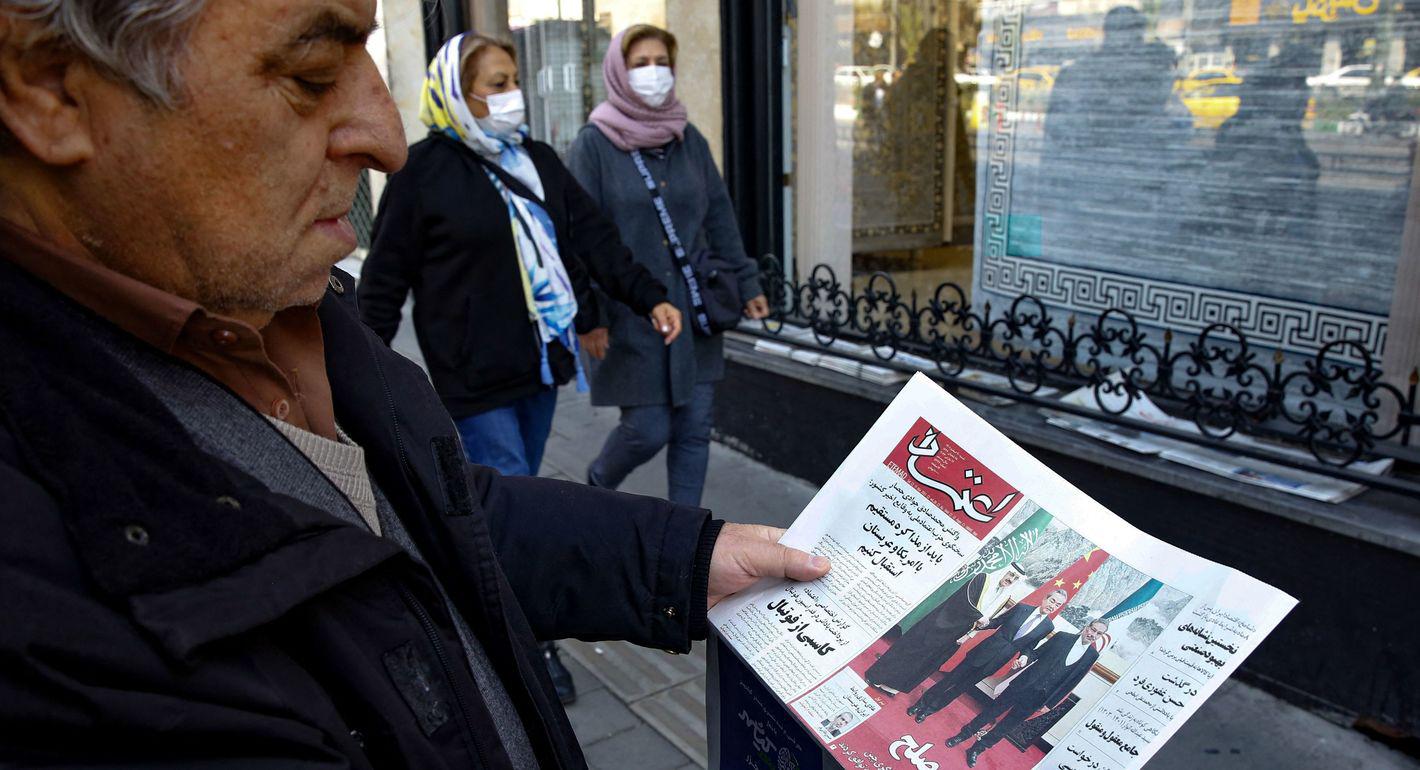
Transactional relationships are stable but can be shallow.


Paul Haenle, Maha Yahya, Benjamin Ho, …
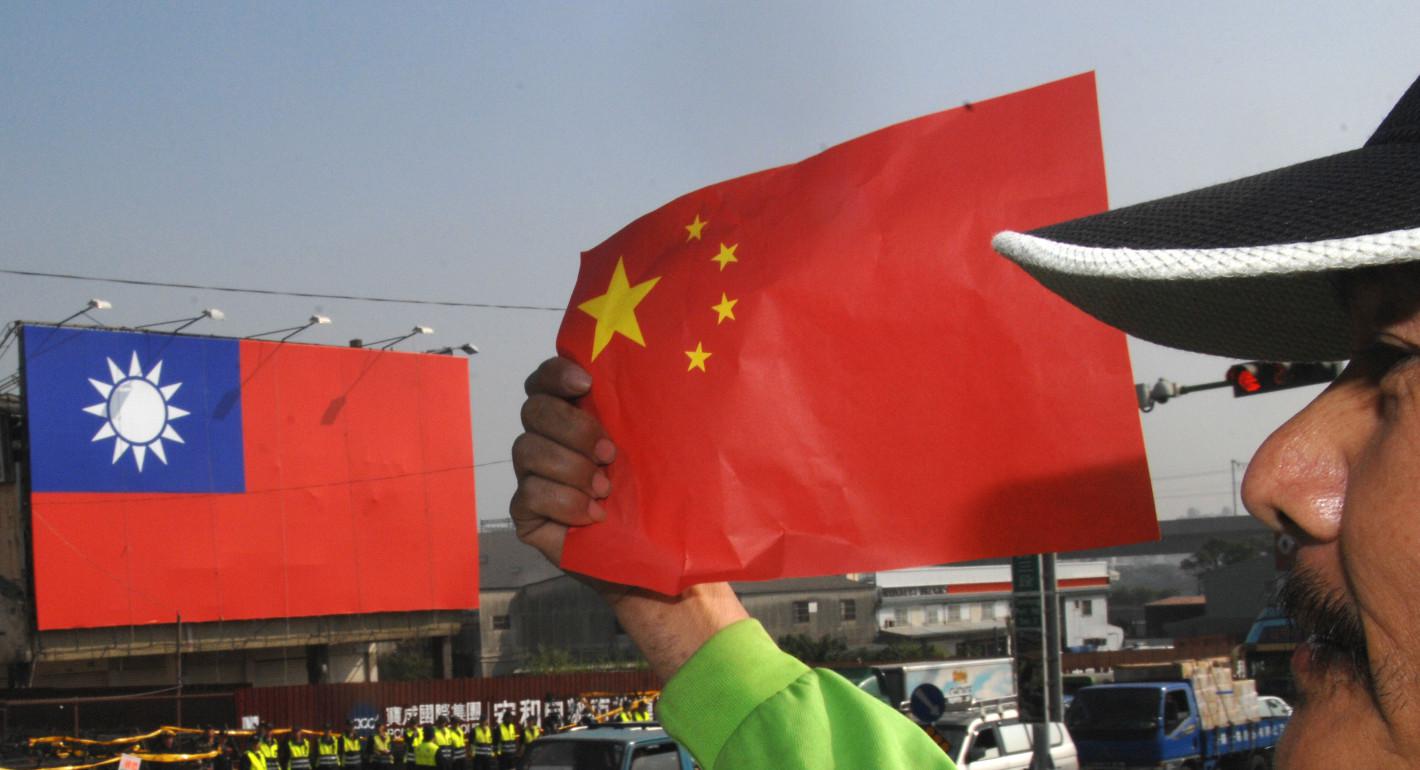
Beijing says that over 180 countries accept its “one China principle” regarding Taiwan, but the reality is more complicated.

Chong Ja Ian
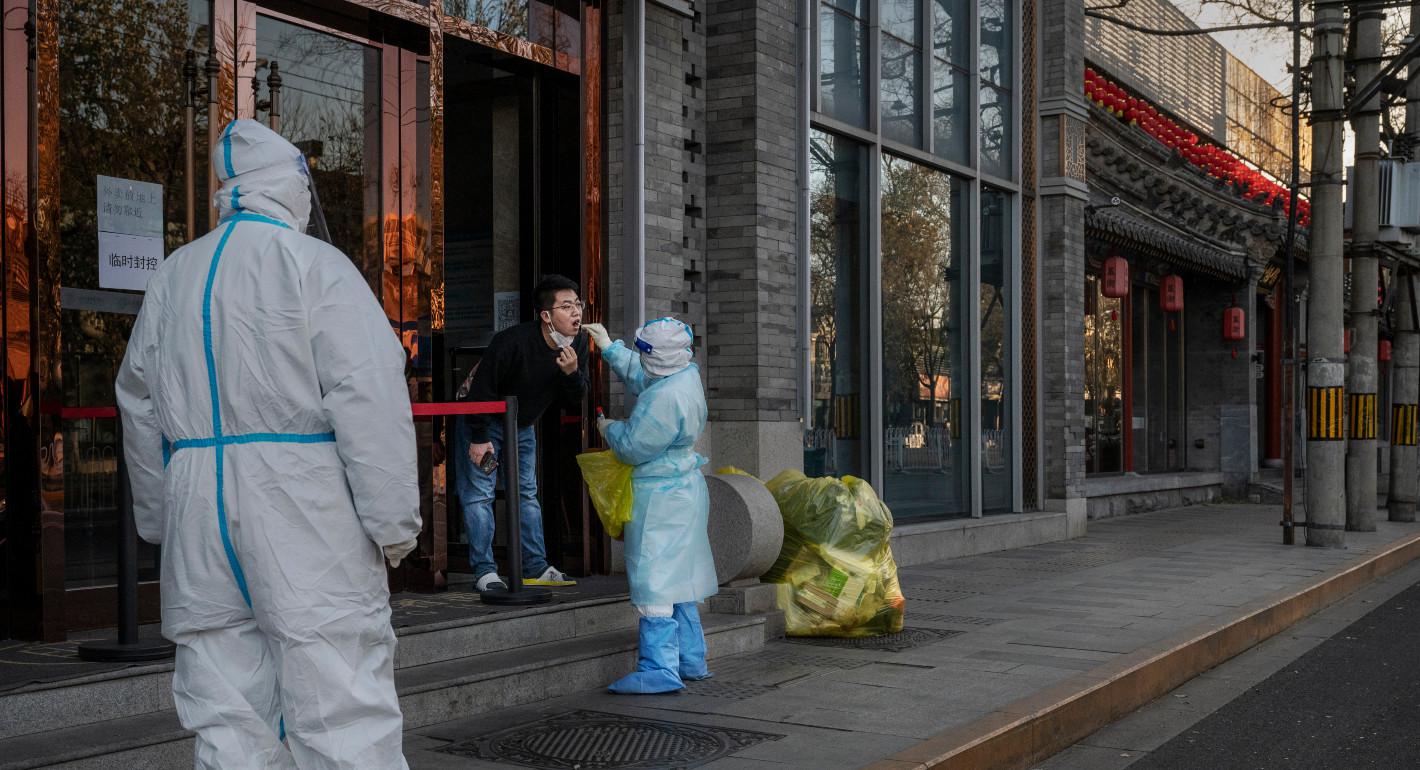
Beijing must choose between preserving its pandemic narrative or facing more unrest.
Paul Haenle
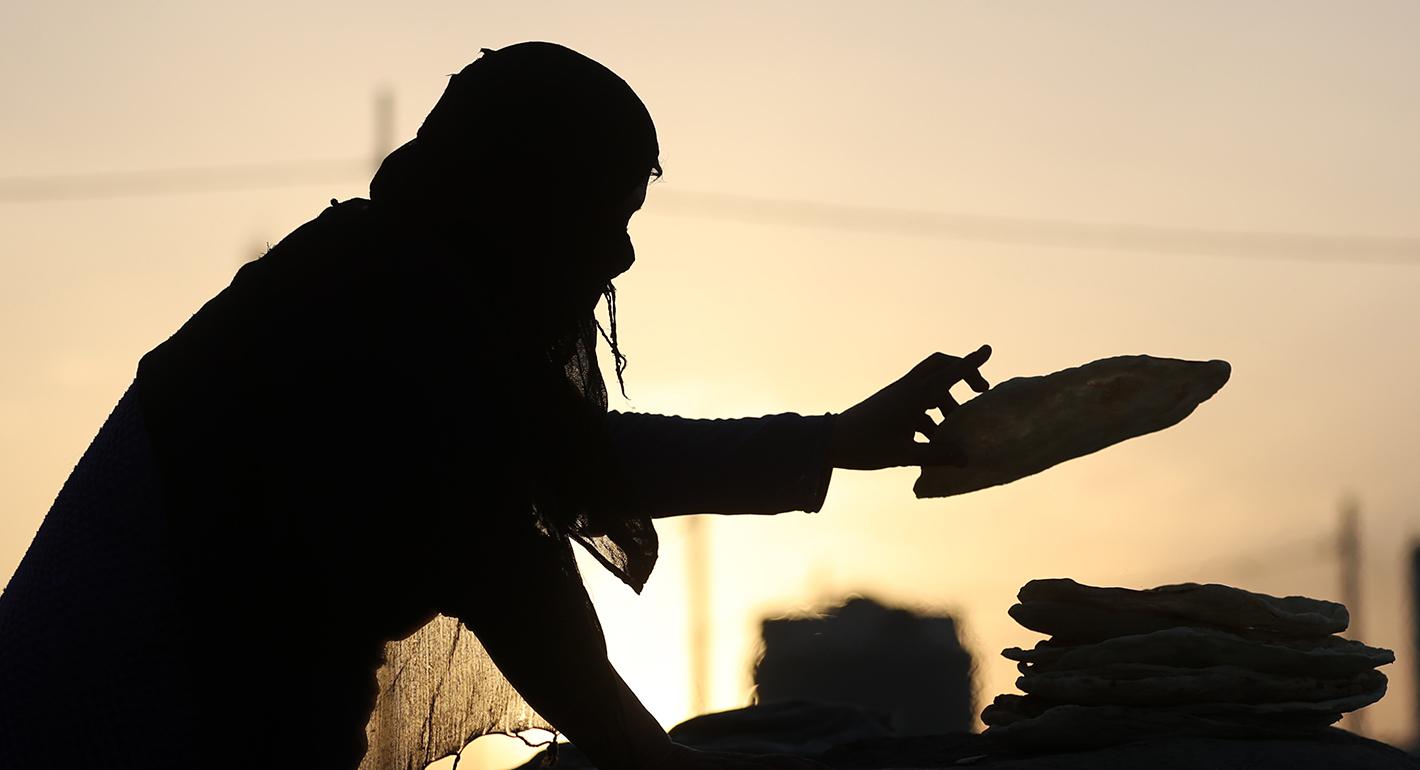
It’s about managing oil prices, bread prices, and strategic partnerships.



Amr Hamzawy, Karim Sadjadpour, Aaron David Miller, …
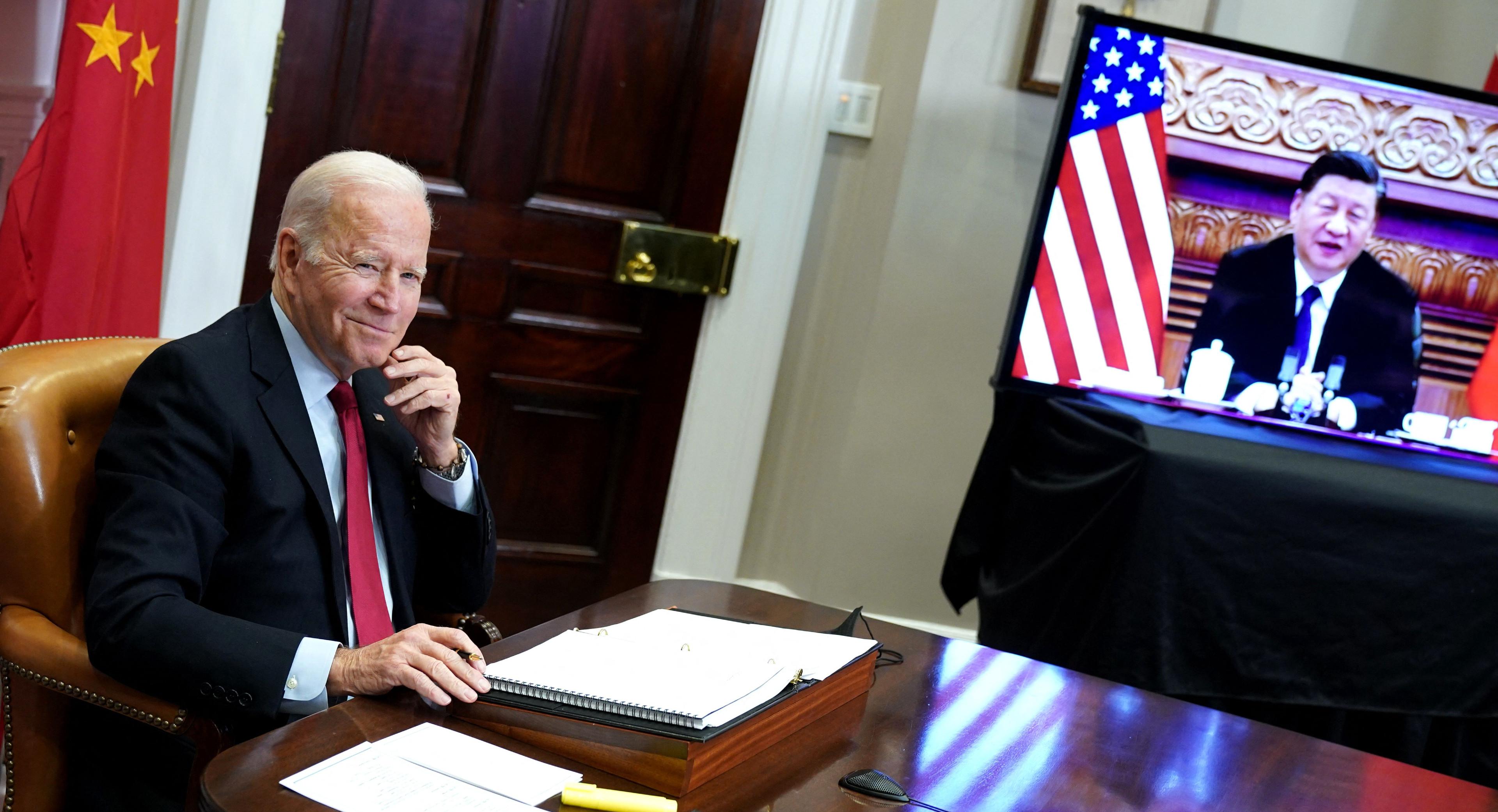
Three months after the Biden-Xi summit, the two sides’ divergent framings of the bilateral relationship are hindering progress.
Paul Haenle, Sam Bresnick