• Research
  • Experts
  • Events
Carnegie China logoCarnegie lettermark logo
REQUIRED IMAGE

REQUIRED IMAGE

Article

Britain: Nuclear Business As Usual, or Catalyst for Change?


The Acronym Institute published a report, Worse than Irrelevant? British Nuclear Weapons in the 21st Century, addressing the future ofBritain’s nuclear weapons system and outlining potential replacement options for the existing stockpile.


Britain’s decision will have important ramifications for the nonproliferation regime and the commitment of nuclear weapons states towards their disarmament obligations under Article VI of the Non-Proliferation Treaty.


The report calls for a comprehensive review ofBritain’s security and defense strategies, taking into accountBritain’s commitment to nonproliferation and the efficacy of nuclear deterrence in the changing security environment of the 21st century. The report contrasts the nuclear threats of the Cold War with the predominant security challenges in today’s post-Cold War environment such as climate change and environmental degradation, terrorism, poverty, transnational illicit trade, and failing states. The authors conclude that nuclear weapons have no useful role in protecting against today’s security challenges, adding that nuclear weapons are “not merely irrelevant,” but that they “have the potential to add greatly to other threats, notably terrorism, organised crime and trafficking.” (Read More)


Link Copied
By Caterina Dutto
Published on Nov 28, 2006

The Acronym Institute published a report, Worse than Irrelevant? British Nuclear Weapons in the 21st Century, addressing the future of Britain’s nuclear weapons system and outlining potential replacement options for the existing stockpile.


Britain’s decision will have important ramifications for the nonproliferation regime and the commitment of nuclear weapons states towards their disarmament obligations under Article VI of the Non-Proliferation Treaty.


The report calls for a comprehensive review of Britain’s security and defense strategies, taking into account Britain’s commitment to nonproliferation and the efficacy of nuclear deterrence in the changing security environment of the 21st century. The report contrasts the nuclear threats of the Cold War with the predominant security challenges in today’s post-Cold War environment such as climate change and environmental degradation, terrorism, poverty, transnational illicit trade, and failing states. The authors conclude that nuclear weapons have no useful role in protecting against today’s security challenges, adding that nuclear weapons are “not merely irrelevant,” but that they “have the potential to add greatly to other threats, notably terrorism, organised crime and trafficking.”


Britain currently deploys four Vanguard-class nuclear submarines equipped with US Trident DF missiles, which are due to retire in 2020s. The report discusses five possible policy options.


  • Direct “like-for-like” replacement of Britain’s current force structure with a new generation of strategic ballistic-missile-carrying nuclear submarines (SSBNs) and missiles. This plan would further extend the UK’s reliance on the US for weapons procurement and nuclear cooperation.
  • The “Trident Lite” plan would further reduce Britain’s “minimum deterrent” of Trident missiles from 65 to 58 and would decrease the British nuclear stockpile from 300 to “fewer than 200.” The plan would also revise and “de-target” the operational readiness levels of nuclear forces from Cold War hair-trigger alert of 15 minutes to a measure of days.
  • Adapting smaller submarines to carry nuclear weapons is another policy option. The smaller HMS Astute nuclear-powered “hunter-killer” submarines are scheduled to be completed by 2009, and the government may be considering reconfiguring them to carry either a reduced number of Trident missiles, tipped cruise missiles, or a new type of submarine-launched intermediate range missile (SLIRBM) still in production in the United States. 
  • Other proposals for smaller, more “flexible nuclear weapons” would be less expensive than the Trident system and would be more in line with the new US national security strategy. While many British policymakers and military officials are noted as skeptical of the new US strategy, the possibility of deploying tactical or sub-strategic nuclear forces have not been ruled out.
  • A final option is for service life extension for the existing nuclear force structure. The House of Commons Defence Committee expressed concerns that the extension would likely only add “an additional five years,” but other experts insist that extension could add another 15-20 years based on the US experience.


The authors of the report conclude that the elimination of worldwide nuclear stockpiles is “a more feasible—and more pressing—security priority than current official assumptions and policies acknowledge.” They urge British policymakers to “take time for an informed debate” about the replacement of the Trident system rather than rushing to a decision. The Acronym Institute’s report has been published ahead of the release of a White Paper on Britain's policy options on replacing Britain’s nuclear weapons system due later this year.


To access the full text of the Acronym Institute's report, click here.

Caterina Dutto
Former Research Assistant
North AmericaUnited StatesNuclear PolicyNuclear Energy

Carnegie does not take institutional positions on public policy issues; the views represented herein are those of the author(s) and do not necessarily reflect the views of Carnegie, its staff, or its trustees.

More Work from Carnegie China

  • Commentary
    When It Comes to Superpower Geopolitics, Malaysia Is Staunchly Nonpartisan

    For Malaysia, the conjunction that works is “and” not “or” when it comes to the United States and China.

      Elina Noor

  • Commentary
    Today’s Rare Earths Conflict Echoes the 1973 Oil Crisis — But It’s Not the Same

    Regulation, not embargo, allows Beijing to shape how other countries and firms adapt to its terms.

      Alvin Camba

  • Trump and Xi on a red background
    Commentary
    Emissary
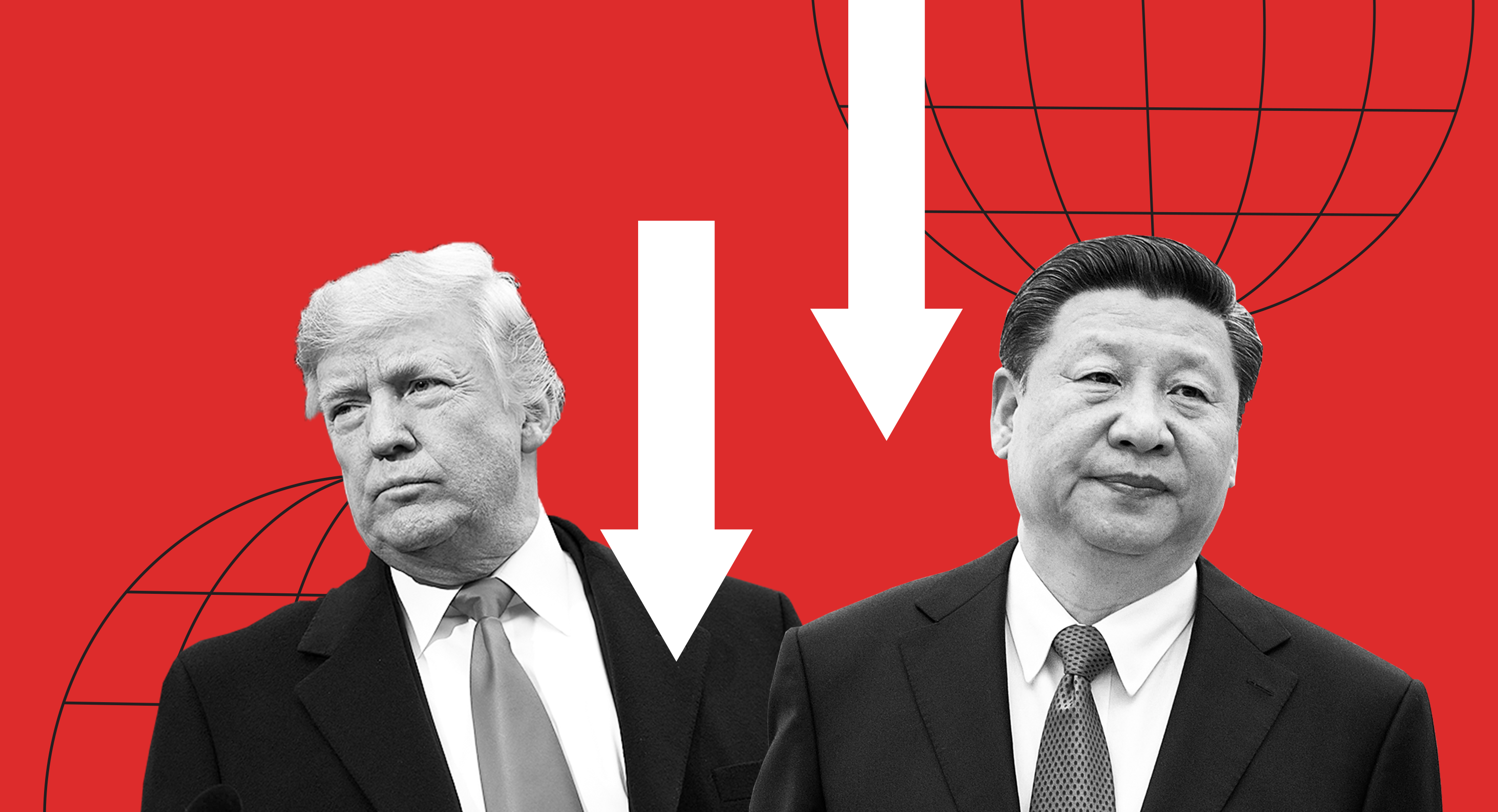
    China Is Determined to Hold Firm Against Trump’s Pressure

    Beijing believes that Washington is overestimating its own leverage and its ability to handle the trade war’s impacts. 

      • Sheena Chestnut Greitens

      Rick Waters, Sheena Chestnut Greitens

  • Commentary
    A Second Trump Term: Will Southeast Asia Tilt Toward China?

    Tapping our network of China experts in the region, Carnegie China offers this latest “China Through a Southeast Asian Lens” report to offer preliminary assessments of whether the U.S. effort to reshape the global trading order will lead countries in the region to tilt toward Beijing. 

      • +6

      Selina Ho, Khin Khin Kyaw Kyee, Joseph Ching Velasco, …

  • Commentary
    Is China Willing to Influence Russia on the Ukraine War?

    Beijing is trying to navigate the overall situation regarding Ukraine, especially the substance of interactions between Washington and Moscow.

      • Ellen Nakashima
      • Zhao Long
      • +1

      Ellen Nakashima, Zhao Long, Pavlo Klimkin, …

Get more news and analysis from
Carnegie China
Carnegie China logo, white
  • Research
  • About
  • Experts
  • Events
  • Contact
  • Careers
  • Privacy
  • For Media
Get more news and analysis from
Carnegie China
© 2026 Carnegie Endowment for International Peace. All rights reserved.