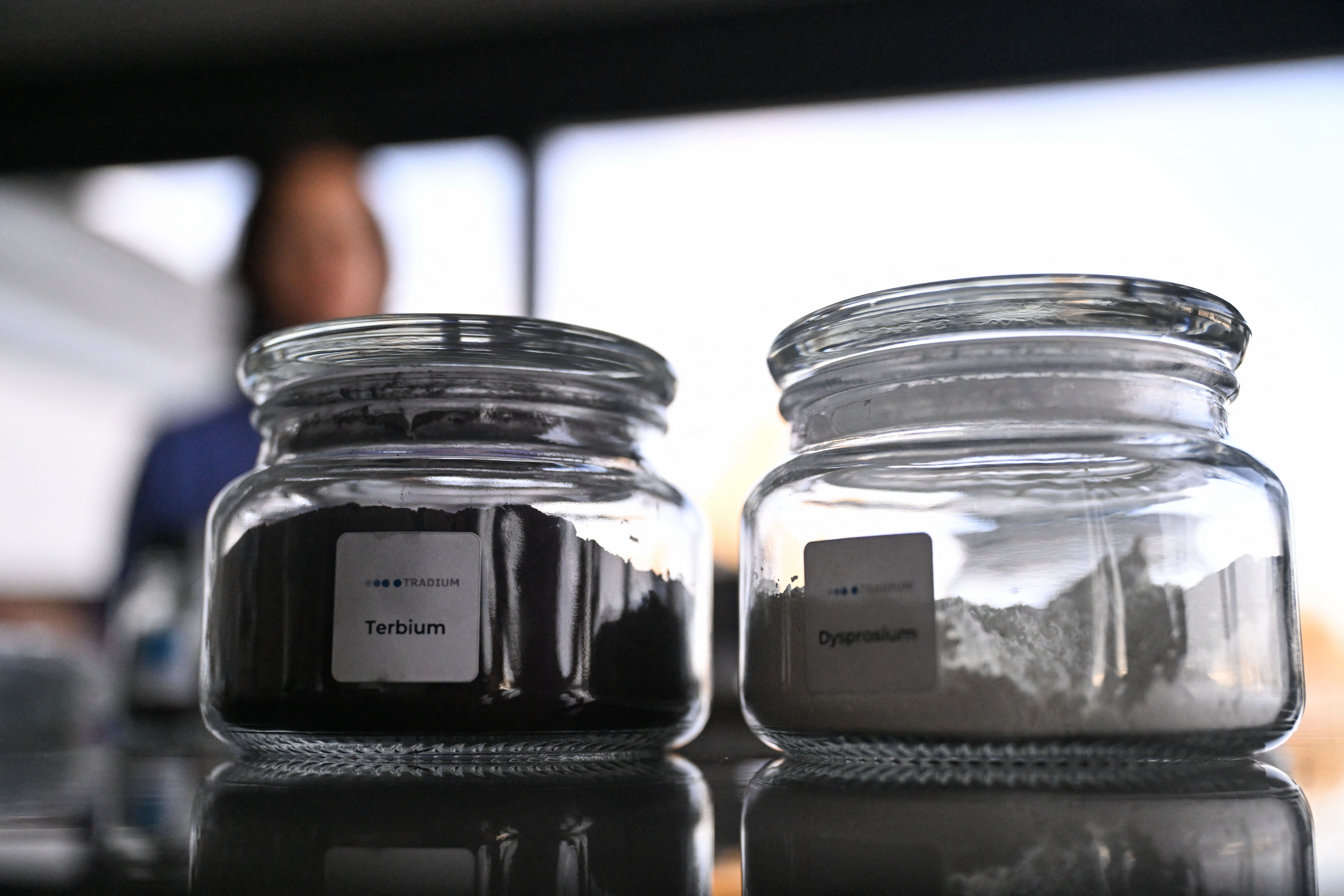
Regulation, not embargo, allows Beijing to shape how other countries and firms adapt to its terms.
Alvin Camba
REQUIRED IMAGE
Without special provisions, a Doha deal will do more harm than good for low-income countries in Sub-Saharan Africa. To benefit the world's poor and make a deal politically viable, rich countries should offer a development package that includes full duty-free quota-free access for the exports of the poorest.
Since the launch of a new round of trade negotiations in 2001, members of the World Trade Organization have been struggling to reach a deal that can deliver significant benefits for all member countries. Many developing countries, such as China, are poised to take advantage of global trade liberalization, and many of the millions of poor in those countries could benefit as a result. But it is less clear how to ensure that the poorest countries will also benefit, particularly those in Sub-Saharan Africa, which saw their share of global exports drop from 6% to 2% in the last two decades.
Could any trade deal really deliver on the promise of development for Africa? Advocates of the Round routinely cite studies showing millions of people in these countries will be lifted out of poverty, while opponents find numbers to the contrary. In a new web commentary, Katherine Vyborny examines the evidence on Doha’s implications for Africa, showing that a range of models built by different economists agree on the fundamentals: a Doha round with no special provisions for the poorest will hurt Africa; but no round would be a loss as well. Sub-Saharan African countries would benefit from a development-oriented round that includes measures such as full duty-free quota-free access for their exports.
The slow progress in the “Doha Development Round” of trade talks does not mean the round will fail: previous rounds have taken longer and floundered often before succeeding. But it is also clear that the Doha Round must deliver development benefits in order to succeed politically – developing countries have taken a seat at the negotiating table as never before. To revive the WTO negotiations and benefit the world’s poor, the U.S. should offer this development package and negotiate a true Doha Development Round.
Katherine Vyborny
Carnegie Endowment for International Peace
Carnegie does not take institutional positions on public policy issues; the views represented herein are those of the author(s) and do not necessarily reflect the views of Carnegie, its staff, or its trustees.
Regulation, not embargo, allows Beijing to shape how other countries and firms adapt to its terms.
Alvin Camba
Rather than climate ambitions, compatibility with investment and exports is why China supports both green and high-emission technologies.
Mathias Larsen
“Involution” is a new word for an old problem, and without a very different set of policies to rein it in, it is a problem that is likely to persist.
Michael Pettis
While China's investment story seems contradictory from the outside, the real answers to Beijing's high-quality growth ambitions are hiding in plain sight across the nation's cities.
Yuhan Zhang
China's stimulus addiction cannot go on forever. Beijing still has policy space to clean up the country's massive debt issue, but time is running short.
Michael Pettis