Amel Boubekeur
REQUIRED IMAGE
Salafism and Radical Politics in Postconflict Algeria
Since the civil war of the 1990s, Algeria’s government has given moderate Islamist parties only a superficial role in politics. The resulting rise of Salafism, which rejects the country’s political system, reveals the need for Algeria to increase political transparency and participation and engage its citizens to discourage radicalization outside the political system.
Since the civil war of the 1990s, Algeria’s government has given moderate Islamist parties only a superficial role in politics. Consequently, support for Algerian Salafism, which rejects the country’s political system, has increased, creating for its followers a separate Islamic way of life without engagement in politics or confrontation with the army. In a new paper, Amel Boubekeur examines how the rise of Salafism indicates the need for Algeria to increase political transparency and participation and engage its citizens, particularly the young, to discourage radicalization outside the political system.

- Da’wa Salafism, currently the most popular Salafi movement, refuses to recognize a secular political system and encourages its followers to re-Islamize society outside the framework of a political party. The success of this movement signals the growing disinterest among young people toward more moderate Islamist parties and their fake participatory strategies.
- The development of Da’wa Salafism is due in large part to Algeria’s recent economic boom. Benefiting greatly from the oil rent through various business networks, Da’wa Salafists adopt a neutral attitude toward the state which, in turn, tolerates them—contradicting the premise that Islamic radicalization is linked to economic depression.
- The detachment of Da’wa Salafism has allowed many former FIS militants to reintegrate within civil society. However, it has not provided a complete solution against terrorist violence, or an opportunity to reintegrate repentant terrorists and radicals into a democratic political system.
- Since 9/11, the United States has considered Algeria an important partner in the fight against terrorism. However, this legitimacy has also allowed the government to continually postpone any normalization or pluralization in the political field. The evolution of Algerian Salafism reveals a need within the international community to rethink the place of radical movements in democracy promotion, and focus on bringing radicals—not just moderates—into the political system.
- The Algerian government should empower civil societies, promote the integration of Salafi members into democratic institutions and political parties, make the reconciliation process more transparent, and promote new forms of political legitimacy which are not based on violence and religion.
About the Author
Former Resident Scholar, Middle East Center
Boubekeur was an associate scholar at the Carnegie Middle East Center. Her research focuses on Maghreb country politics, Euro–Arab relations, and Islam in Europe.
- The Tunisian Elections: International Community Must Insist on Moving Beyond Façade DemocracyArticle
- Morocco: The Emergence of a New Palace PartyArticle
Amel Boubekeur
Recent Work
Carnegie does not take institutional positions on public policy issues; the views represented herein are those of the author(s) and do not necessarily reflect the views of Carnegie, its staff, or its trustees.
More Work from Carnegie China
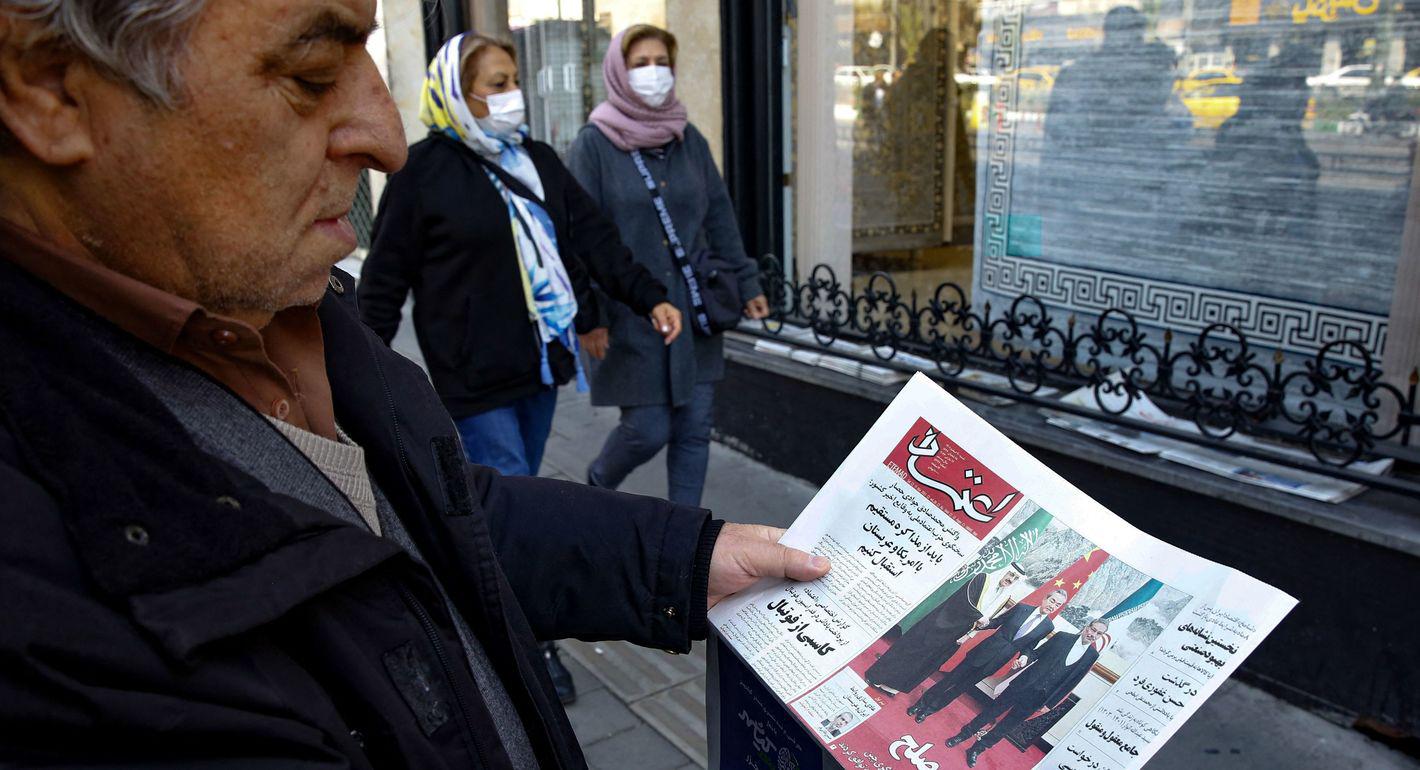
- China’s Rising Influence in the Middle EastCommentary
Transactional relationships are stable but can be shallow.

- +1
Paul Haenle, Maha Yahya, Benjamin Ho, …
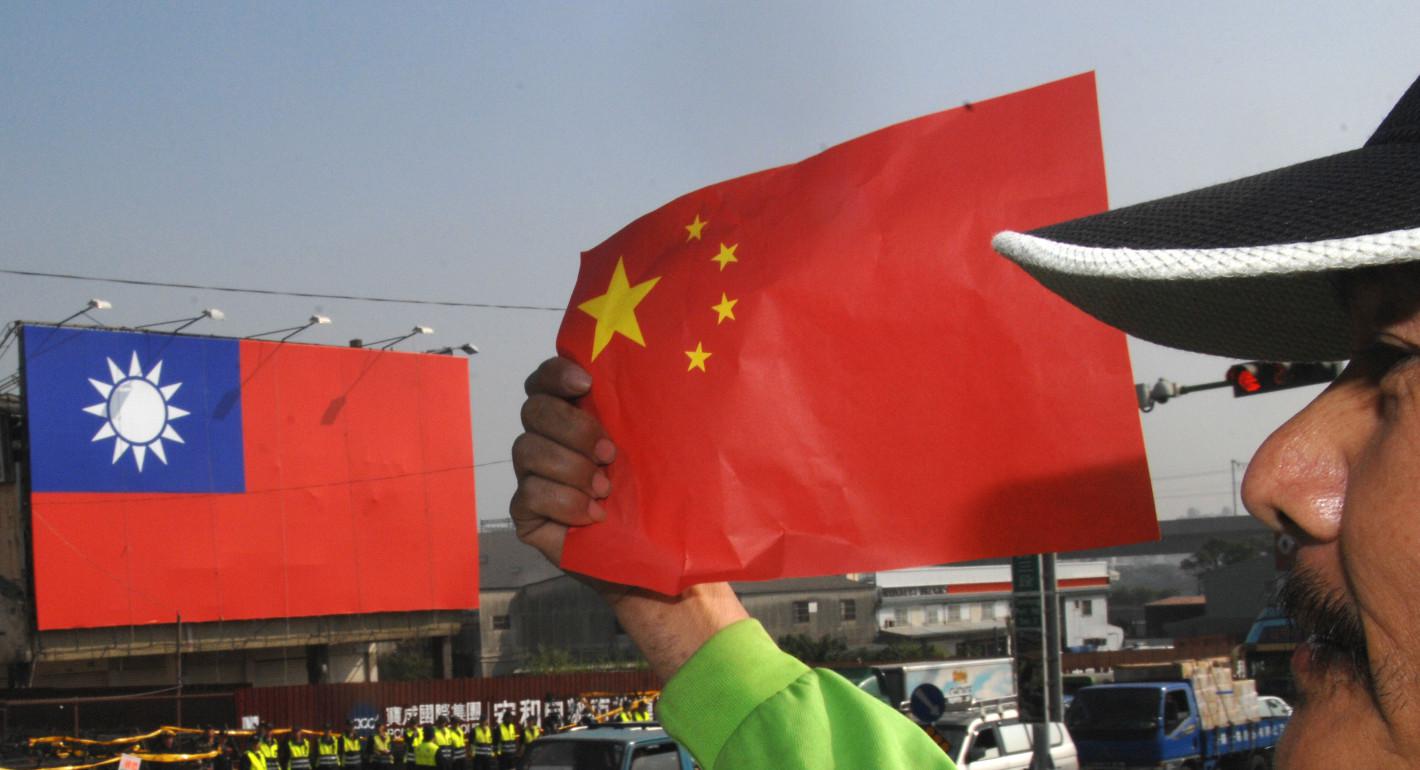
- The Many “One Chinas”: Multiple Approaches to Taiwan and ChinaArticle
Beijing says that over 180 countries accept its “one China principle” regarding Taiwan, but the reality is more complicated.

Chong Ja Ian
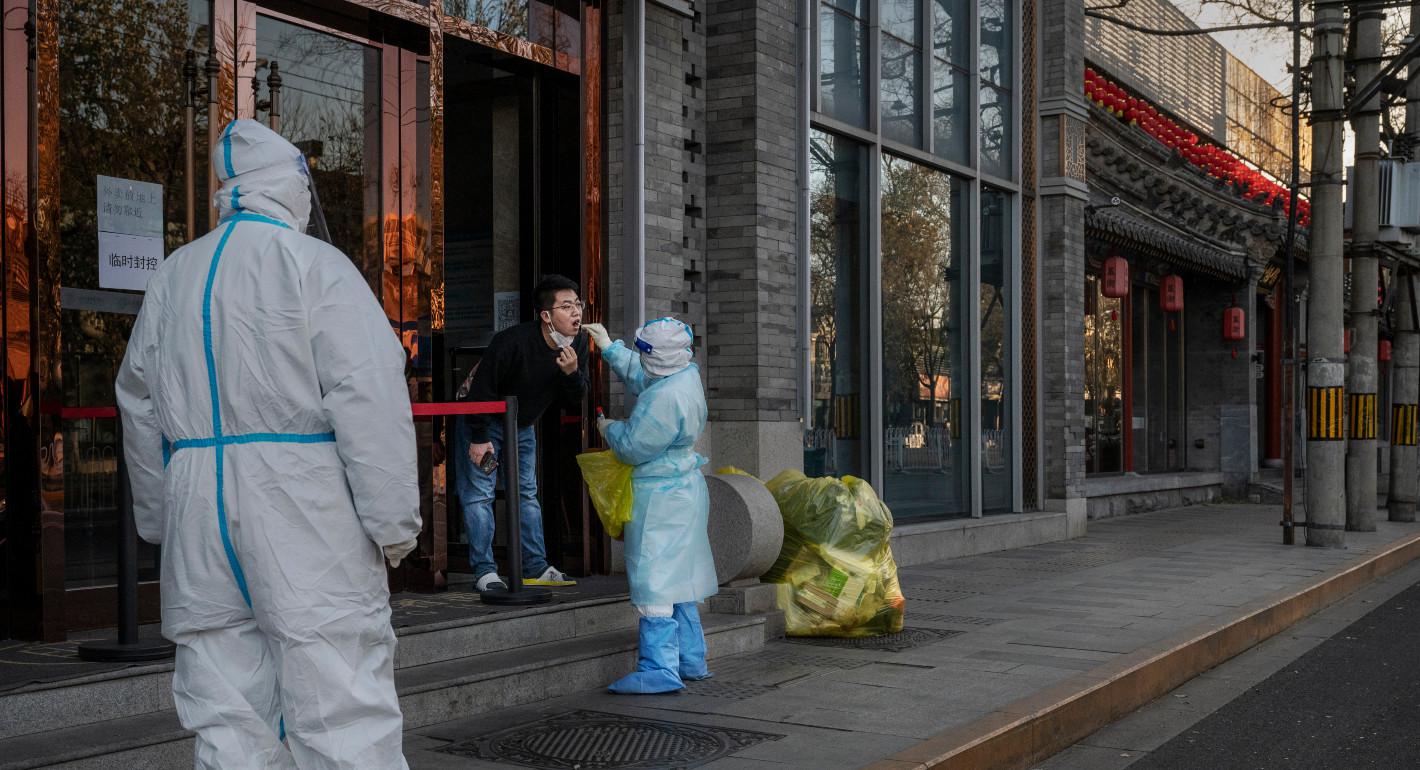
- China’s Zero COVID Policy Is a Double-Edged SwordCommentary
Beijing must choose between preserving its pandemic narrative or facing more unrest.
Paul Haenle
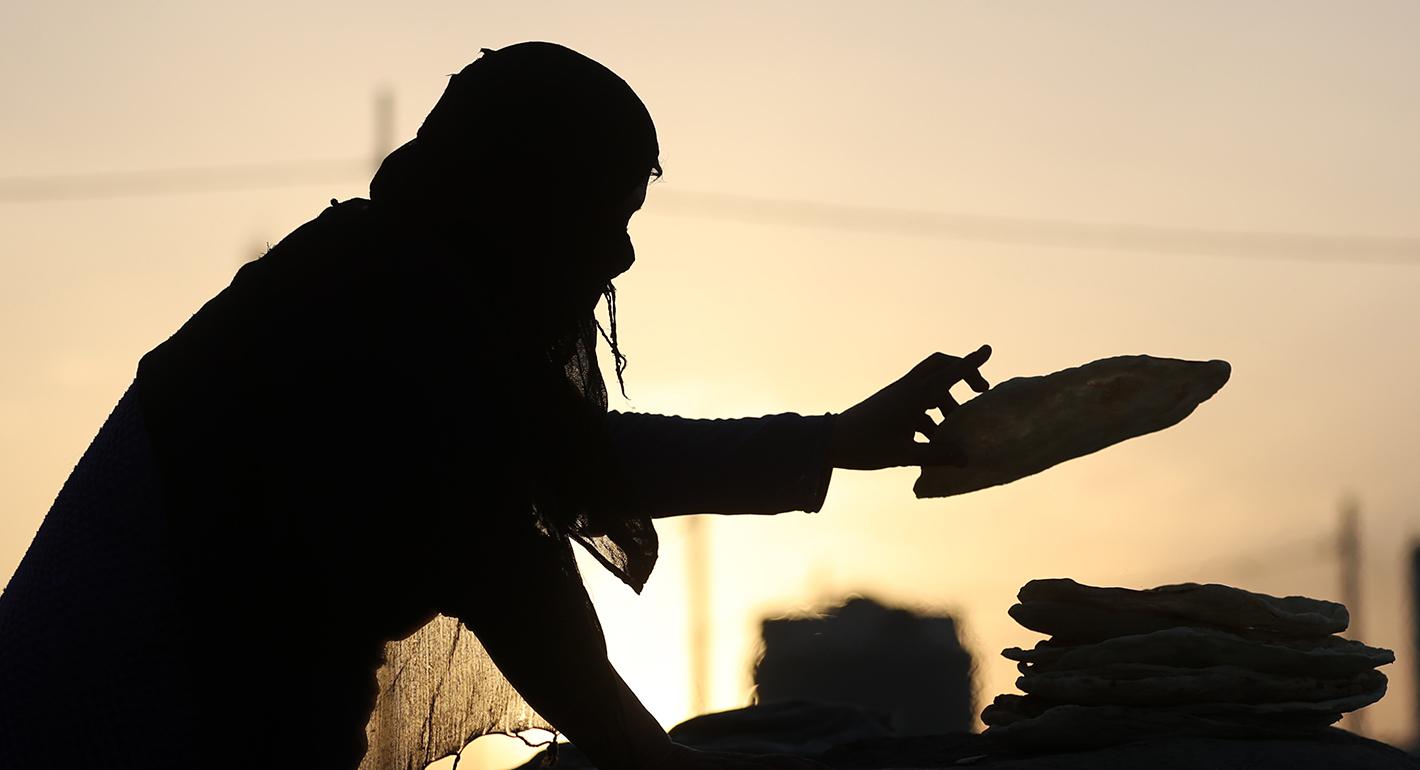
- What the Russian War in Ukraine Means for the Middle EastCommentary
It’s about managing oil prices, bread prices, and strategic partnerships.

- +8
Amr Hamzawy, Karim Sadjadpour, Aaron David Miller, …
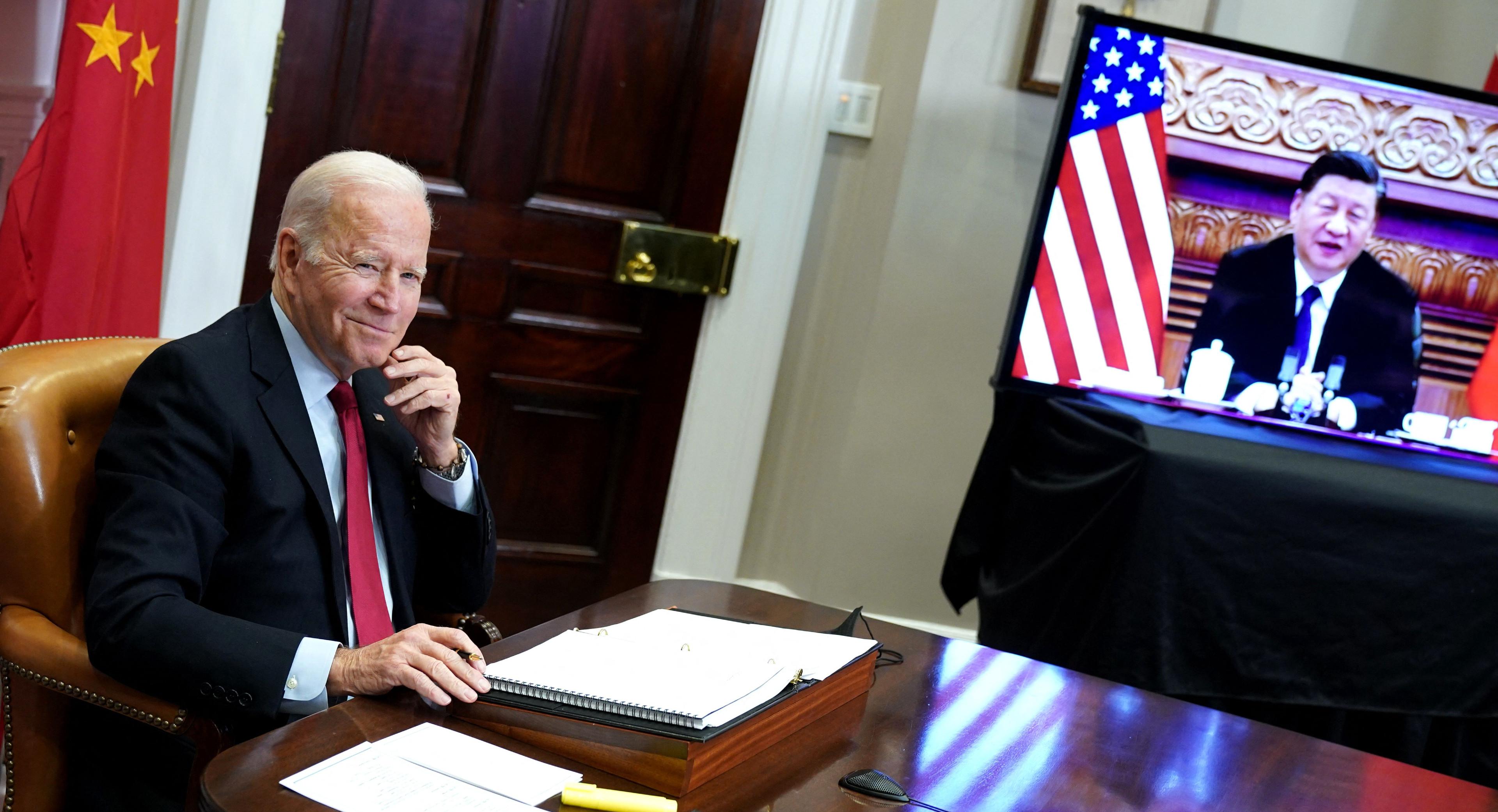
- Why U.S.-China Relations Are Locked in a StalemateCommentary
Three months after the Biden-Xi summit, the two sides’ divergent framings of the bilateral relationship are hindering progress.
Paul Haenle, Sam Bresnick