


Path to Europe: Estonia, Lithuania, Latvia, Poland, Hungary, Czech Republic, Slovakia, Bulgaria, Romania, Slovenia, and East Germany
Eastern European and Baltic countries that have recently joined NATO and the European Union have undergone social and economic reforms, but they have also faced significant challenges along the way. Can their experience be of use to Russia?
Source: Moscow: Liberal Mission Foundation

The book explores the reforms these countries have undertaken, the problems they have encountered and how they have addressed them, and their accomplishments to date, as well as the differences and similarities between their reforms and those undertaken in Russia. Delegations from each country presented detailed information, including statistical data, on the economic and social development of their respective state, as well as on the structure and efficiency of its system of government and the particulars of its foreign policy (including relations with Russia) prior to and since joining NATO and the European Union.
Russia faces the same challenges and threats in the modern world as does the West, and it will not be able to counter them unless it has the West's support and acts in coordination with the West's actions.
The concluding portion of the book provides commentaries from the three Russian participants in the discussions, Lilia Shevtsova, Igor Klyamkin and Evgeniy Saburov, summarizing the project. Lilia Shevtsova, senior associate of the Carnegie Endowment for International Peace, writes, "Having Russia join all of the European structures and NATO may become something of a program-maximum for Russian liberal groups, with the program-minimum being to establish multiple levels of partnership between Russia and the EU, and Russia and NATO, that will make it easier for them to come together in the next stage of development, which will happen sooner or later. But before that we still have to come to realize that the current paradigm of the Kremlin’s attitude towards the West ('together and against') contradicts Russia's strategic interests: Russia faces the same challenges and threats in the modern world as does the West, and it will not be able to counter them unless it has the West's support and acts in coordination with the West's actions."
About the Authors
Igor Klyamkin
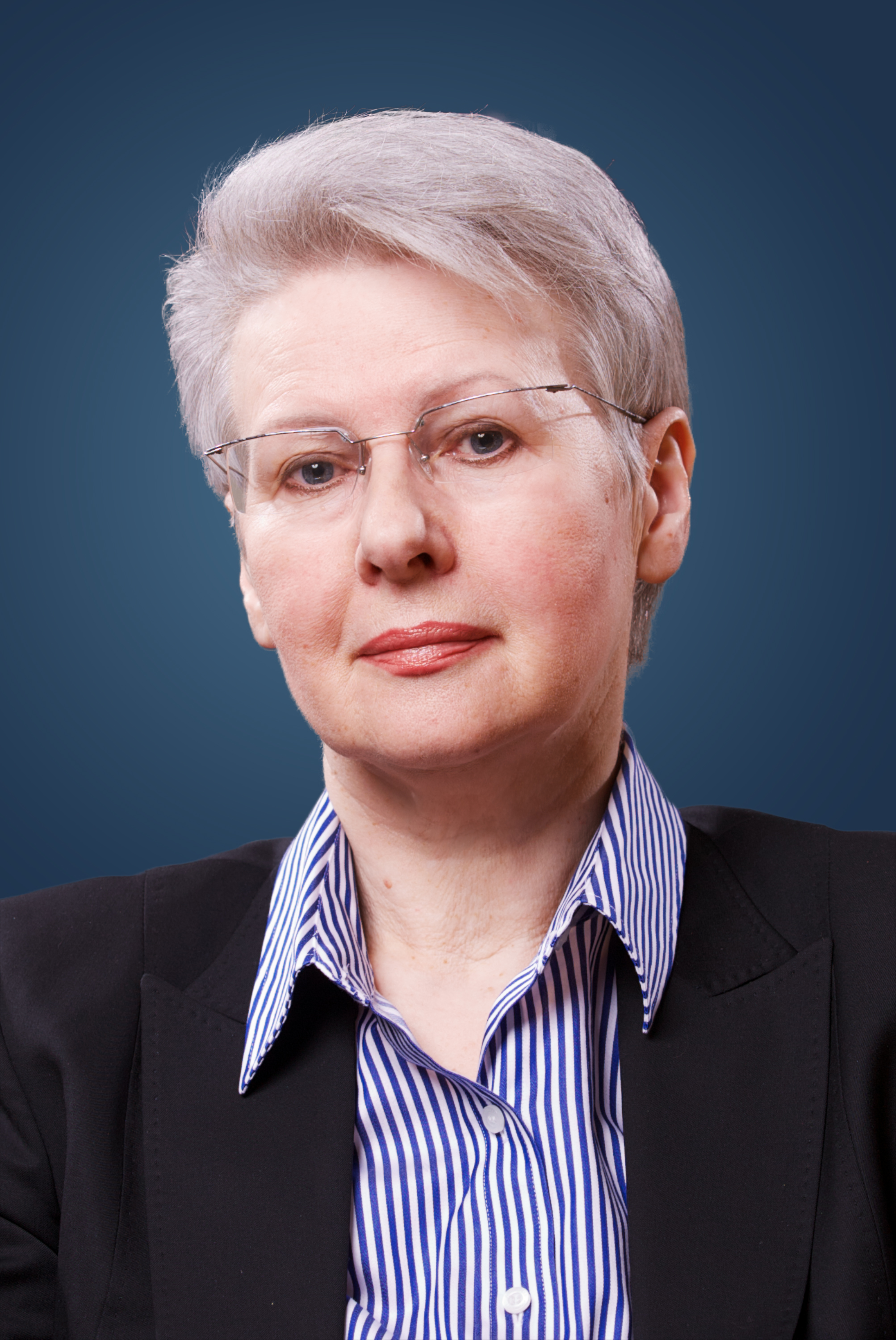
Former Senior Associate, Russian Domestic Politics and Political Institutions Program, Moscow Center
Shevtsova chaired the Russian Domestic Politics and Political Institutions Program at the Carnegie Moscow Center, dividing her time between Carnegie’s offices in Washington, DC, and Moscow. She had been with Carnegie since 1995.
Carnegie does not take institutional positions on public policy issues; the views represented herein are those of the author(s) and do not necessarily reflect the views of Carnegie, its staff, or its trustees.