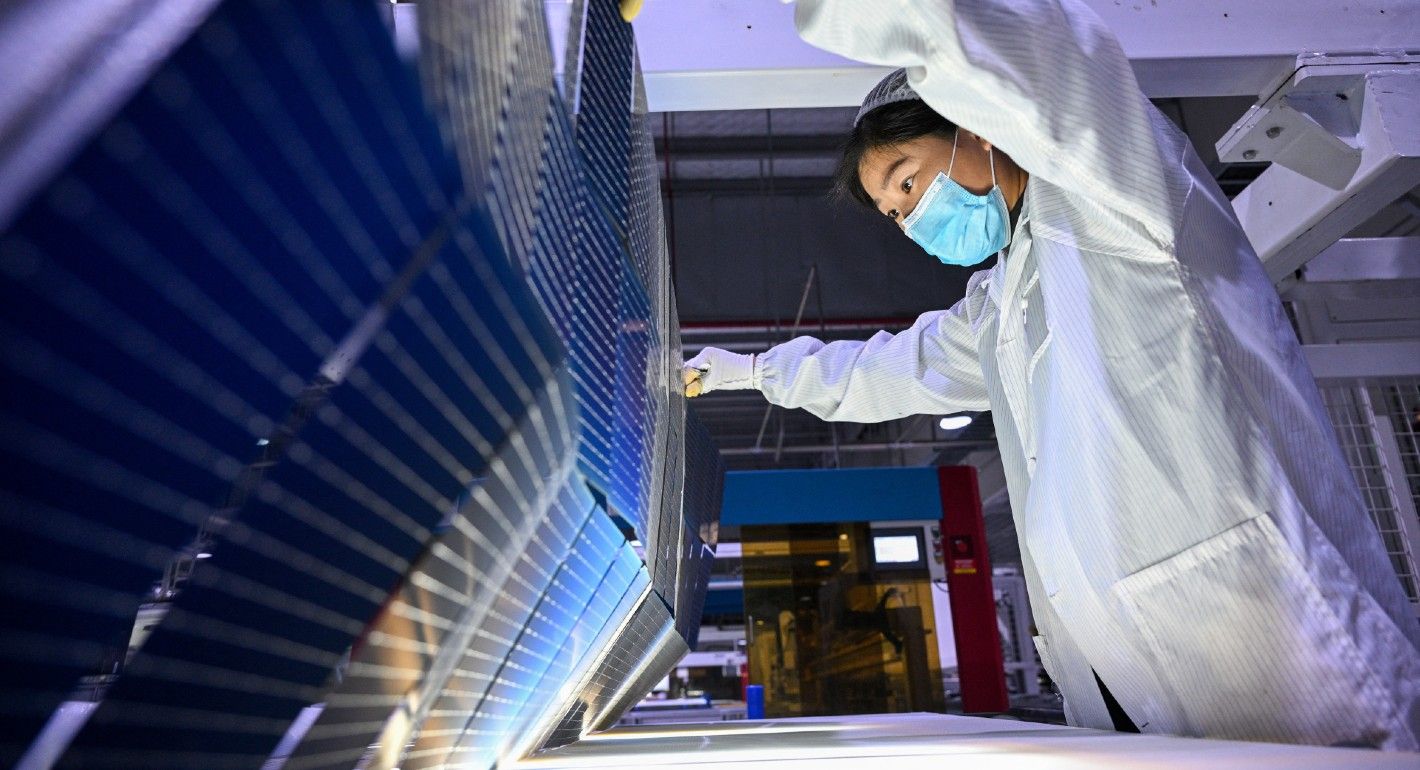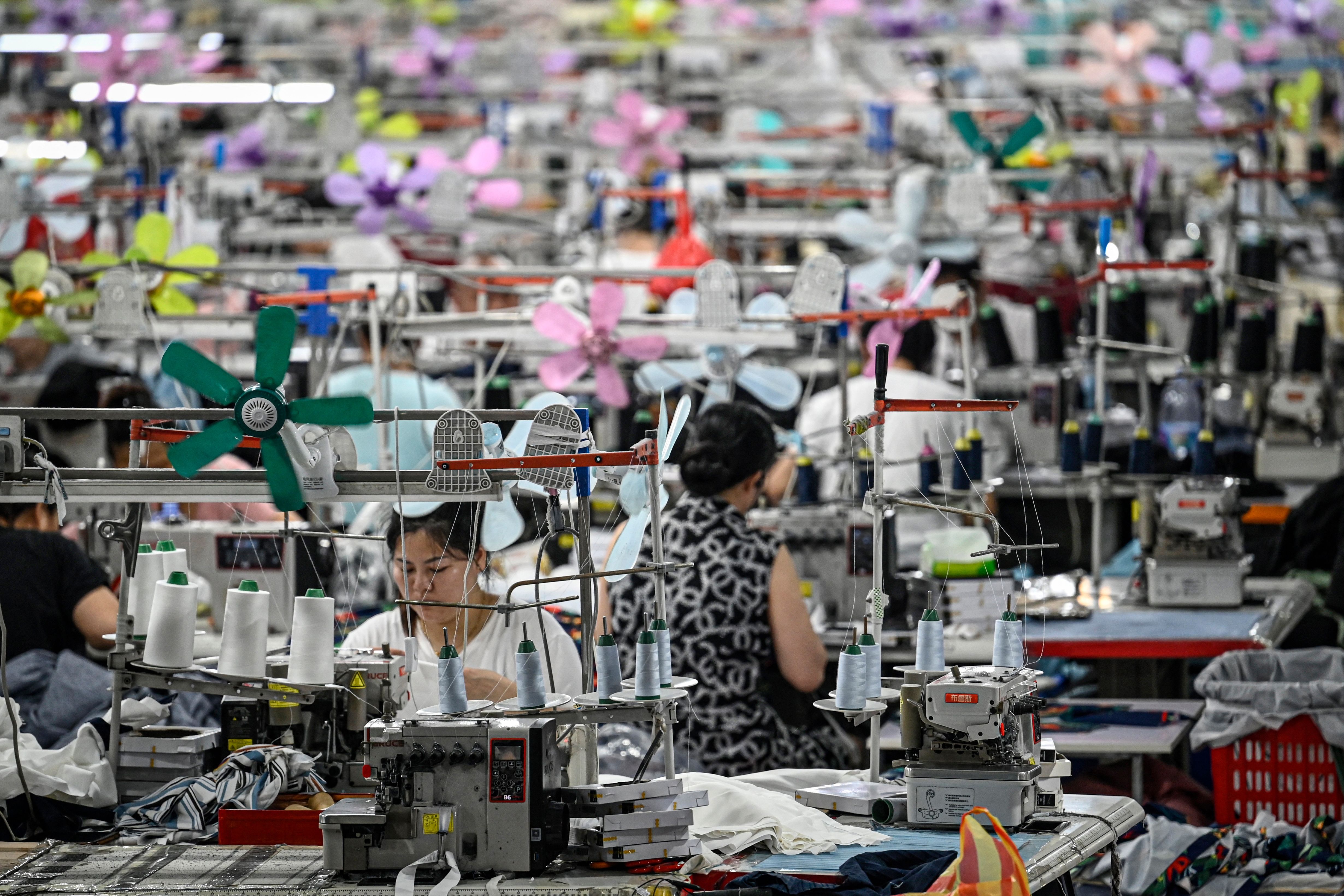

Rather than climate ambitions, compatibility with investment and exports is why China supports both green and high-emission technologies.
Mathias Larsen
Source: Getty
Helped by monetary and fiscal stimulus, as well as by the need to rebuild inventories, various production indicators continued to show improvement last week. However, final private demand and consumer confidence continued to register weakness, suggesting that while world economic activity is stabilizing, it is not yet firmly on a path of sustained recovery.
Although there has been a marked easing of credit conditions and stock markets are rallying, low levels of activity (e.g. industrial production in May is down over last year by 13.6 percent in the U.S., 29.5 percent in Japan, and 17 percent in the Euro Area), and high and rising unemployment, signal continued strain on the balance sheets of many households and firms. This is reflected in rising loan default rates. The consensus forecast and the financial markets are betting on a sustained recovery beginning in the third or fourth quarter of this year, and this is probably on balance the right bet. However, so long as corporate and household balance sheets remain under such great strain, the risk of a failed take-off, or of a take-off followed by a relapse, remain considerable.
Appropriately, signals from the Fed and other central banks convey that monetary policy will remain supportive in the foreseeable future, especially given low inflation readings. Furthermore, much of the effect of fiscal stimulus still lies ahead.
The Real Economy: Production stabilizing but final demand remains weak
Economic Policy: Still stimulative
Financial Markets: Credit conditions continuing to ease
Carnegie does not take institutional positions on public policy issues; the views represented herein are those of the author(s) and do not necessarily reflect the views of Carnegie, its staff, or its trustees.
Rather than climate ambitions, compatibility with investment and exports is why China supports both green and high-emission technologies.
Mathias Larsen
“Involution” is a new word for an old problem, and without a very different set of policies to rein it in, it is a problem that is likely to persist.
Michael Pettis
While China's investment story seems contradictory from the outside, the real answers to Beijing's high-quality growth ambitions are hiding in plain sight across the nation's cities.
Yuhan Zhang
China's stimulus addiction cannot go on forever. Beijing still has policy space to clean up the country's massive debt issue, but time is running short.
Michael Pettis
A quick look at the complexities behind Beijing’s enduring Catch-22 situation with revaluing the Renminbi, despite advantages of a stronger currency.
Michael Pettis