

Article
China has showcased its engineering prowess with small modular reactor demonstration projects. But turning these technological achievements into commercial success will be a greater challenge.
Tong Zhao

Source: Getty
Despite recent improvements in the global economy, demand for labor will likely remain weak for a prolonged period, preventing a strong recovery in employment, particularly in the United States and Europe.
With the global economy projected to grow at a rate well below pre-crisis levels and permanent output loss likely, demand for labor will remain weak. In addition, the U.S. focus on export growth and the Euro area’s low productivity levels will further hurt labor demand.
Unemployment Rises Above Previous Recession’s Levels
Unemployment rates and total job losses are reaching levels with few historical parallels.

Labor Market Remains Weak
Slow Global Growth Limits Labor Demand
Stabilizing inventories and business investment and gradually improving housing markets are underpinning current global growth. However, consumer demand has yet to rise significantly and some indicators have even fallen off recent highs.
U.S. Focus on Exports Will Temper Labor Demand
With U.S. consumers remaining cautious and the United States focusing on export growth, manufacturing will benefit, but services will grow more slowly.
Low Productivity Hurts Euro Area Workers
Euro area policies limited layoffs during the recession but, as output fell, these policies came at the expense of worker productivity. As the economy recovers and output rises, businesses will likely demand higher productivity rather than hire more workers.
Underemployment Weakens Labor Recovery
The number of underemployed individuals—part-time workers who would rather hold a full-time position and people who want work but have given up looking—is at a record-high. In addition, as Euro area job-supporting polices expire, new waves of layoffs will continue to drive up the labor supply.
Encouraging Recent News
Labor markets in Japan, Germany, Australia, and Canada improved recently and U.S. job losses slowed.
Monetary Policy Tightened and Financial Markets Improved
Looking Ahead
For an update on the U.S. job market, look for the release of this week’s initial jobless claims on Thursday, October 15.
Carnegie does not take institutional positions on public policy issues; the views represented herein are those of the author(s) and do not necessarily reflect the views of Carnegie, its staff, or its trustees.

China has showcased its engineering prowess with small modular reactor demonstration projects. But turning these technological achievements into commercial success will be a greater challenge.

Tong Zhao

The Plaza Accord was not an externally imposed punishment of Japan but part of a broader restructuring that Japanese economists and policymakers themselves recognized was necessary. Its effects were undermined, however, when Tokyo responded to the resulting slowdown with policies that exacerbated investment, credit expansion, and the very imbalances the adjustment was intended to resolve.

Michael Pettis
China’s banking crisis in the 2000s was resolved by transferring the costs to households through financial repression—a decision that recapitalized the banks while exacerbating the structural imbalances that continue to shape the Chinese economy today.
Michael Pettis
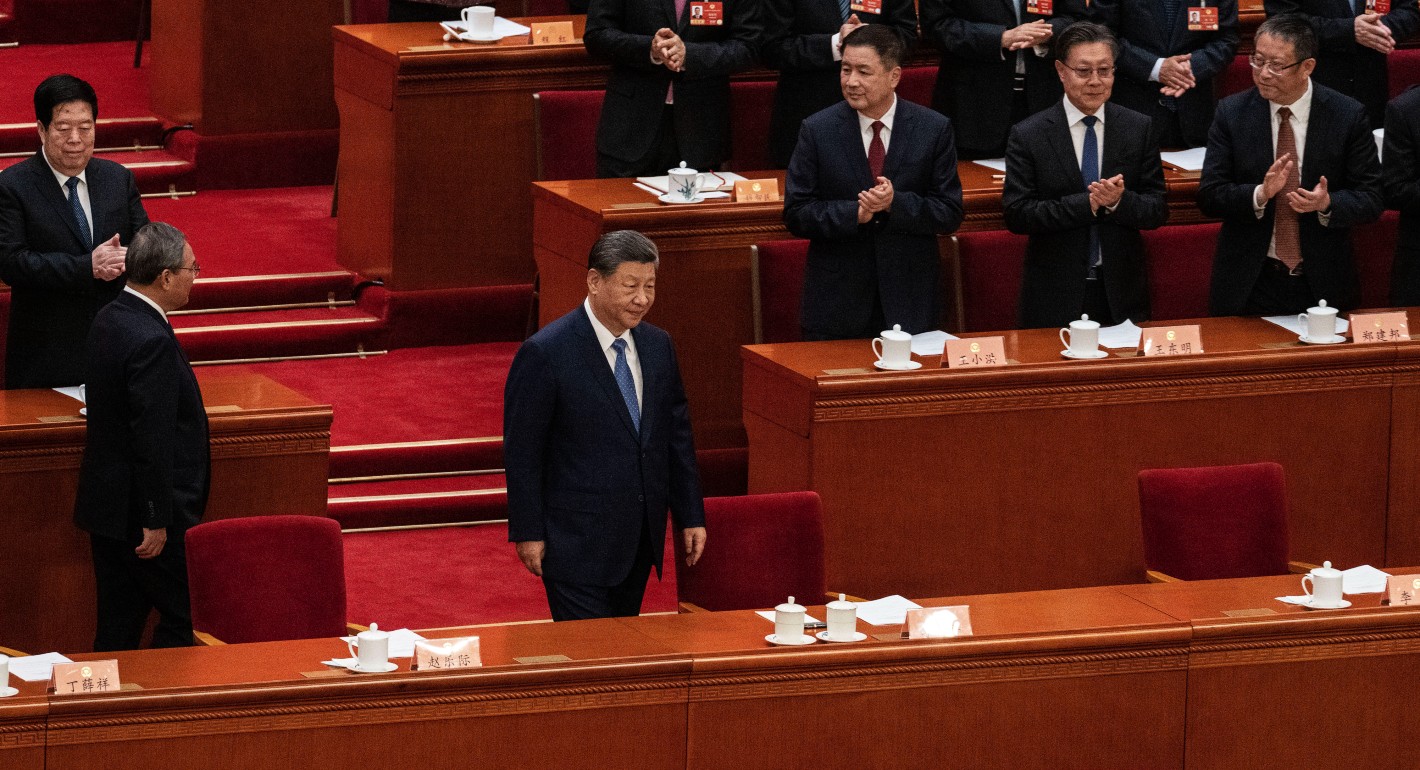
In the latest Five-Year Plan, the Chinese president cements the shift to an innovation-driven economy over a consumption-driven one.

Damien Ma

Rather than climate ambitions, compatibility with investment and exports is why China supports both green and high-emission technologies.

Mathias Larsen