
• Commentary
  • Research
  • Experts
  • Events
Carnegie China logoCarnegie lettermark logo
De-Baathification Saga Continues

Source: Getty

Article

De-Baathification Saga Continues

The saga of the banning and unbanning of alleged Baathists has cast a pall on the elections even before the campaign starts in earnest. Whatever the final decision on the banning issue, it is bound to be highly controversial.

Link Copied
Published on Feb 9, 2010

Editor's Note: Read updates on the JAC ban: February 25, 2010.

In a continuation of an increasingly politicized and confusing saga, the decision of the ad hoc appeals committee that ordered the conditional unbanning of alleged former Baathists has been reversed. On February 3 the committee ruled that the banned individuals should be allowed to participate in the elections, but that all cases would be reviewed after the elections to determine whether the allegations were valid. This raised the possibility that some elected candidates would not be allowed to take their seats.

The unbanning provoked a storm of protest particularly by the predominant Shia parties, which insisted that Baathists could not be allowed to run. Prime Minister Nouri al-Maliki’s Dawa party in particular organized a number of demonstrations around Iraq to protest the decision. Responding to the outcry and to political pressures, the ad hoc committee backtracked. Claiming that it had originally misunderstood its mandate as requiring it to examine all banning cases, rather than just those of the 177 individuals who appealed the ban, it revoked the blanket unbanning and announced that it would review all appeals by February 11 to decide who is eligible to run. At the same time the election commission announced that the election campaign, originally scheduled to start on February 8, would start instead on February 12.

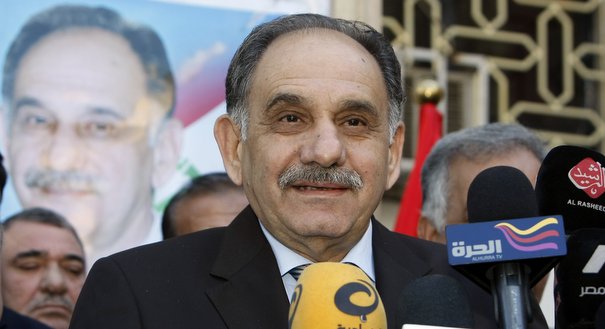
The saga of the banning and unbanning of alleged Baathists has cast a pall on the elections even before the campaign starts in earnest. The final ruling of the review committee will probably not put the issue to rest completely. It is bound to be highly controversial, no matter what it decides, particularly in the case of high profile candidates. Above all, a decision to maintain the ban on Saleh al-Mutlaq risks reviving threats of an election boycott by his allies in the Iraqi National Movement and by some Sunni parties. The decision to let him run would enrage Shia parties and possibly put Maliki at a disadvantage vis-à-vis his adversaries in the Iraqi National Alliance.

Middle EastIraqPolitical Reform

Carnegie does not take institutional positions on public policy issues; the views represented herein are those of the author(s) and do not necessarily reflect the views of Carnegie, its staff, or its trustees.

More Work from Carnegie China

  • Commentary
    China’s Evolving Economic and Security Role in the Middle East

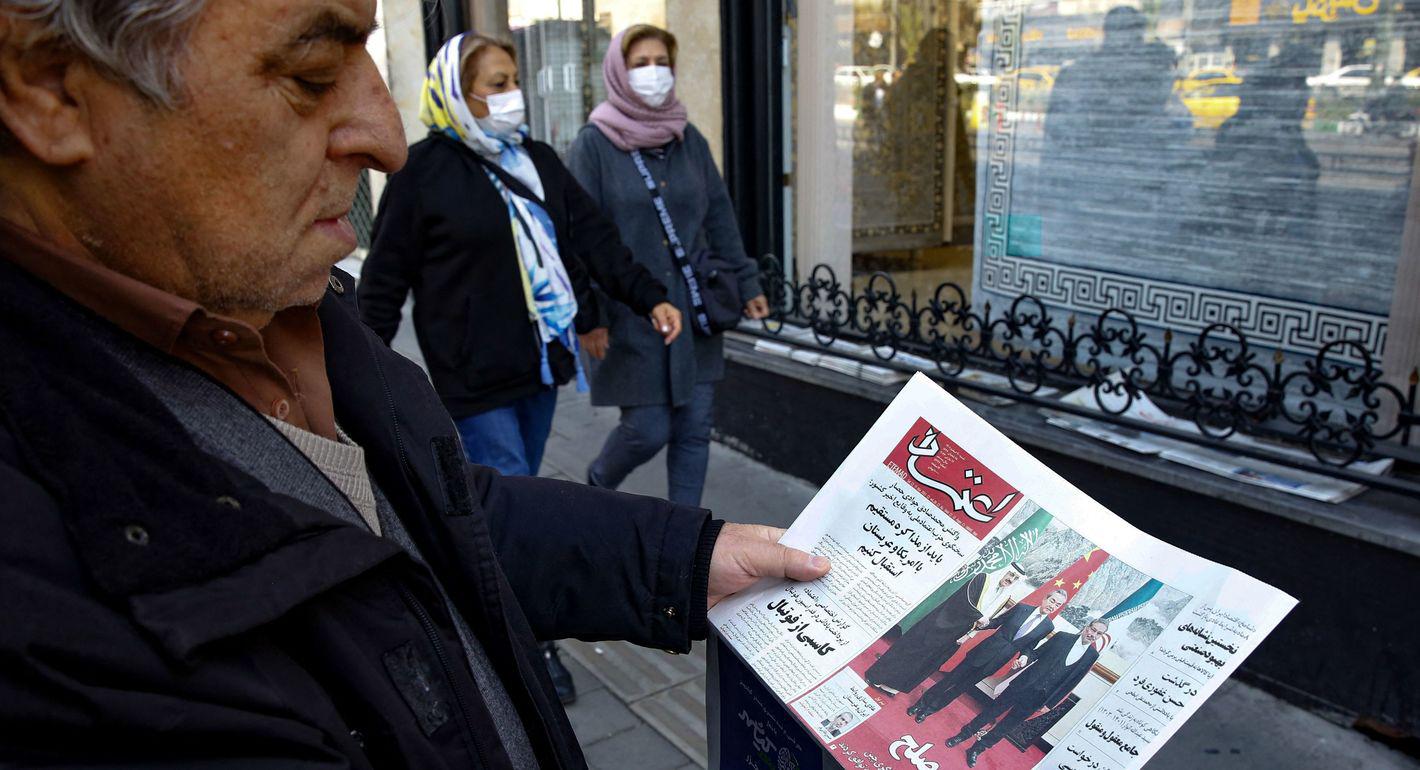
    The advantage that China has over other global powers, especially America, is that its foreign policy is closely aligned with those of many of the Middle Eastern countries.

      Jin Liangxiang, Maha Yahya, Hesham Alghannam

  • Commentary
    China’s Rising Influence in the Middle East

    Transactional relationships are stable but can be shallow.

      • +1

      Paul Haenle, Maha Yahya, Benjamin Ho, …

  • Commentary
    What the Russian War in Ukraine Means for the Middle East

    It’s about managing oil prices, bread prices, and strategic partnerships.

      • +8

      Amr Hamzawy, Karim Sadjadpour, Aaron David Miller, …

  • Commentary
    A Message to the Carnegie Endowment Community

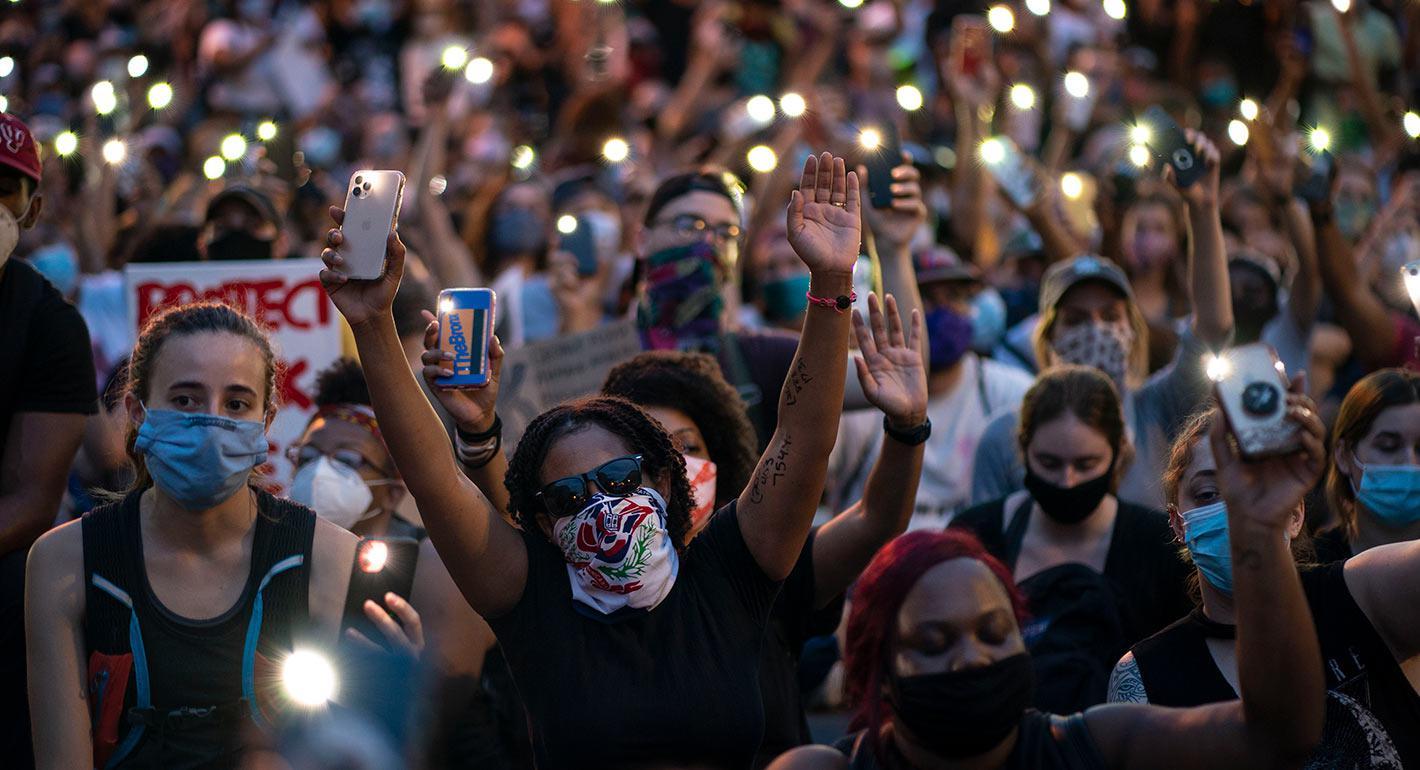
    The murder of George Floyd has underscored the deep inequities that have long plagued American society. In a note to the Carnegie community, Bill Burns reflects on Carnegie’s commitment to build a more just future here at home and around the world, without which peace will remain beyond our grasp.

      William J. Burns

  • Commentary
    U.S., China Should Pursue Peace, Not Military Brinkmanship

    While the world hoped this pandemic might lead to more cooperation between these two great powers, American and Chinese leaders instead fell into a blame game and allowed their increasing suspicions to guide their decision-making.

      Lyu Jinghua

Get more news and analysis from
Carnegie China
Carnegie China logo, white
Keck Seng Tower133 Cecil Street #10-01ASingapore, 069535Phone: +65 9650 7648
  • Research
  • About
  • Experts
  • Events
  • Contact
  • Careers
  • Privacy
  • For Media
Get more news and analysis from
Carnegie China
© 2026 Carnegie Endowment for International Peace. All rights reserved.