

Commentary
Alexey Malashenko
Source: Getty
When the Middle East Quartet meets in Moscow, they will most likely devote their time to looking for ways to influence the parties involved rather than trying to settle the actual conflict.
Today’s meeting of the Middle East quartet (UN, EU, United States and Russia) is a normal part of the Middle East routine and no one is expecting it to produce any breakthroughs.
But there is some suspense nevertheless.
First of all, it will be interesting to see what line Hillary Clinton takes in response to the sudden friction that has arisen in U.S.-Israeli relations. Although the U.S. Secretary of State said just before the Moscow meeting that these relations are strong and no one can call them into question, it is obvious that America has grown weary with Israel’s unpredictable behavior. Israeli prime minister Benjamin Netanyahu’s latest decision to build 1,600 homes in East Jerusalem is obviously not the best surprise just before the latest round of talks.
Moscow has also produced a “surprise” of its own, announcing that the Bushehr nuclear power plant in Iran would be launched in the middle of the year.
There is no way of making sense of the political intrigue in the Middle East without taking Iran into account. Sometimes it is not clear who people in Israel fear more today: Hamas with its ongoing jihad, or Ahmadinejad, who takes such pains to hide what exactly is being cultivated in Iran’s nuclear “greenhouses.”
The upcoming launch of the Bushehr power station comes as further confirmation of Russia’s “special” relationship with Iran and Moscow’s continued trust in Iran’s president. This is in contrast with the American position, which demands tough sanctions against Iran. Washington sees as untimely Moscow’s contribution to Iran’s nuclear program, the main aims of which remain unclear for the international community.
Finally, it appears that the participants in the quartet, formed back in 2002, will not discuss actual solutions to the seemingly endless Middle East conflict, but will look at possibilities for somehow influencing the different parties involved. They realize that the only realistic option today is not so much to find solutions as to “manage” this conflict, which, if they succeed, would be in itself be quite useful.
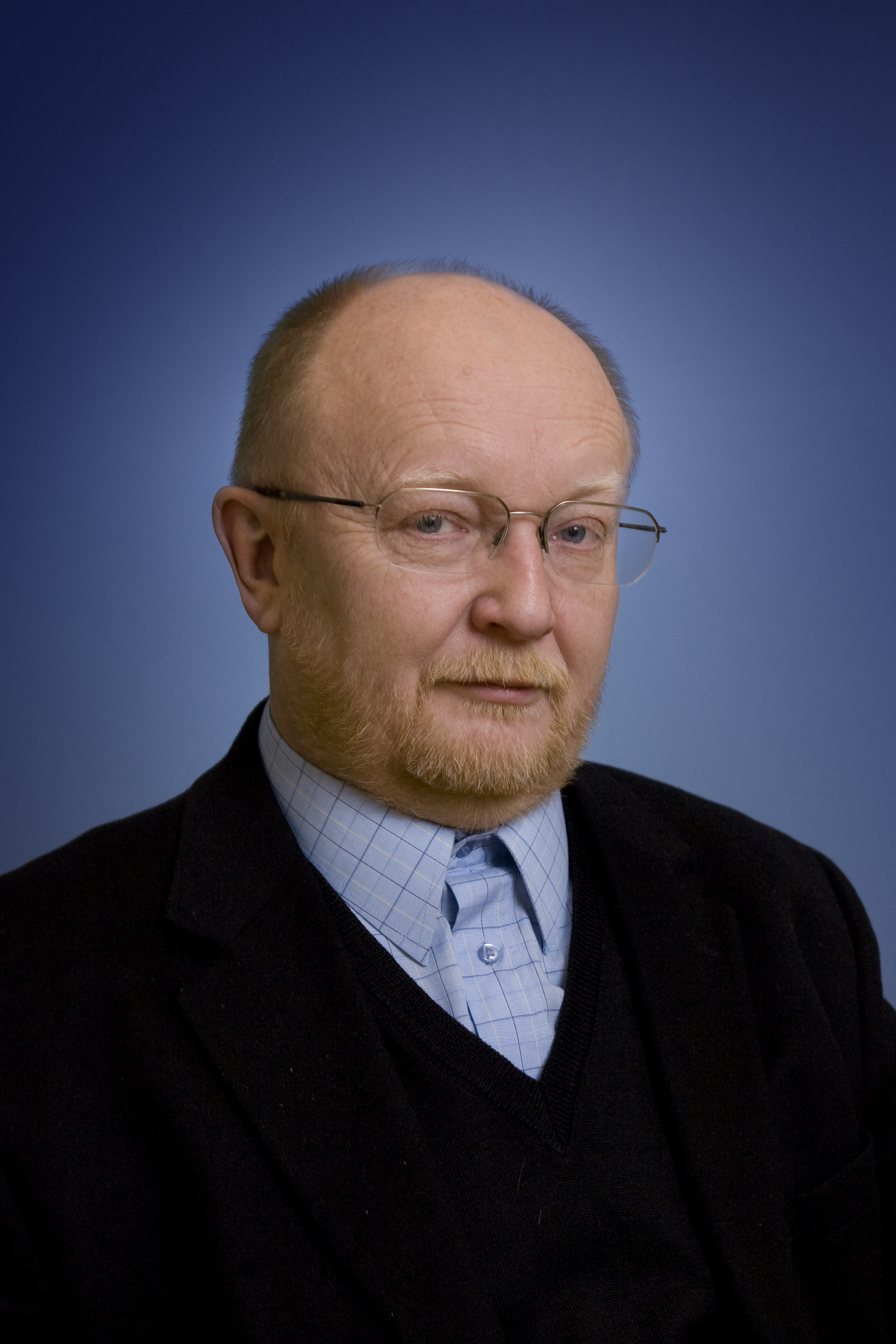
Former Scholar in Residence, Religion, Society, and Security Program
Malashenko is a former chair of the Carnegie Moscow Center’s Religion, Society, and Security Program.
Recent Work
Alexey Malashenko
Alexey Malashenko
Carnegie does not take institutional positions on public policy issues; the views represented herein are those of the author(s) and do not necessarily reflect the views of Carnegie, its staff, or its trustees.