

Commentary
The advantage that China has over other global powers, especially America, is that its foreign policy is closely aligned with those of many of the Middle Eastern countries.
Jin Liangxiang, Maha Yahya, Hesham Alghannam
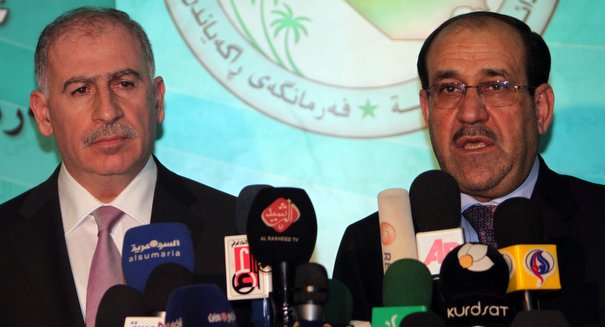
Source: Getty
Iraq’s election campaign is marked by the usual mixture of unrealistic promises, verbal attacks against competitors, and attempts by parties to appropriate symbols that do not properly belong to any one faction, as well as, more worryingly, the certainty voiced by all alliances that the elections will be marred by fraud.
What can be gleaned from the election campaign about the political situation in Iraq?
The first impression is the striking normality of the election campaign, with the usual mixture of unrealistic promises by all parties, verbal attacks against competitors, and attempts by parties to appropriate symbols that do not properly belong to any one faction—the Iraqi equivalent of wrapping oneself up in the flag. For example, both the Iraqi National Alliance (INA), which groups most Shi’i religious parties, as well as individual candidates from the supposedly secular Iraqi National Movements, have displayed picture of Ayatollah Ali al-Sistani on their campaign posters; Sistani actually refused to endorse any organization, limiting himself to urging voters to choose capable and honest candidates. Electoral politics, it seems, has a logic of its own that applies to all countries.
A more unusual theme common to all the Iraqi campaigns is the certainty all alliances voice that the elections will be marred by fraud. No group specifies who it thinks is committing the fraud and certainly no group is presenting any evidence, although they state they will provide it in good time. The INA warns, for example, that it has proof that some 800,000 false names were added to the voter lists, mostly in Baghdad. The Iraqi National Movement (Iraqiya) states that fraud has already been committed when candidates were banned under the guise of de-Baathification. Several parties have complained that far too many ballots have been printed—7 million extra copies according to an Iraqiya candidate. The Iraqi Accord Front (Tawafuq) has expressed concern that too many polling stations have been opened abroad, and that this could lead to fraud.
The warnings about fraud by all parties are somewhat alarming, suggesting that all alliances are likely to cry foul if they are not happy with election results. The worst case scenario would then be a protracted battle like the one that marred the 2009 presidential elections in Afghanistan and left permanent doubts about the legitimacy of Hamid Karzai’s re-election. Such a drastic outcome is not likely, but it is quite possible that claims of fraud, which will have to be examined, will slow down the seating of the new parliament, and thus the election of the new president, the appointment of a prime minister-designate and the beginning of negotiations over the formation of the cabinet. The period between the elections and the formation of new government—which even optimists expect to last at least three months,—will be a dangerous period and its prolongation is thus worrisome. Some Iraqis have even begun to warn of election day and post-election unrest, and former prime minister Iyad Allawi, leader of the INA, has warned that he will only accept a 20 percent threshold of fraud.
Another feature of the election campaign, common to all coalitions, is the practice of distributing gifts to potential voters in the attempt to secure their vote. Prime Minister Nouri al-Maliki has distributed hand guns inscribed as a gift from the prime minister to tribal leaders—claiming that this is simply a “thank you” for their help in restoring and maintaining security and is not related to the elections. Other candidates, in the best Tammany Hall tradition, have distributed shoes, blankets, and other practical items. The practice is so widespread that it receives little attention in the media, except briefly just after the campaign started. Maliki, however, has been accused by other parties of abusing his position by using state funds to finance his campaign activities, presumably including vote buying.
Beyond such commonalities, different alliances are stressing different themes in their campaign. While it is impossible to know whether voters will make their choices on the basis of campaign themes, personalities, or sectarian identities, there is no doubt that the differences among alliances are real.
Maliki’s State of Law coalition has stressed several main themes:
The Iraqi National Alliance is openly appealing to the Shia religious element in Iraq in its campaign. It is also seeking to distance itself from the Maliki government, which is normal for an opposition alliance, but also somewhat hypocritical since most of the INA member parties were part of the coalition that backed the Maliki government and even controlled ministries.
The Iraqi National Movement (Iraqiya) is running its campaign on a strong nationalist theme and is also the only alliance to emphasize the importance of a new foreign policy that forges strong ties with all neighboring countries.
The United Iraqi Alliance (UIA), like the INM, is stressing non-sectarianism and reconciliation
The tone of the campaign by the Iraqi Accord or (Tawafuq) suggests that the organization has low or no expectation of joining a government coalition after the elections. Thus it stresses what it would do to prevent government abuse rather than what it would do if it were in power.
The Kurdish Parties
In the course of the campaign, definite differences have appeared between the Kurdistan Democratic Party and the Patriotic Union of Kurdistan, running as the Kurdish Alliance, and the Gorran (Change), the new organization that broke off from the PUK and is now competing for its constituency. The Kurdish Alliance and Gorran are running against each other and spend much of their time trading accusations—the rivalry is especially bitter between the PUK and Gorran, both of which are concentrating their efforts on the province of Suleimaniya.
In addition to fighting Gorran, to which PUK’s official media routinely refers to as the “the so-called Change movement that belongs to the Wesha company”, the Kurdish Alliance is campaigning on its record in running the Kurdistan Regional Government.
In addition to trading accusations with the Kurdish alliance, Gorran is seeking to cast itself as a democratic force in Kurdistan and Iraq.
Former Senior Associate, Middle East Program
Before joining the Endowment, Ottaway carried out research in Africa and in the Middle East for many years and taught at the University of Addis Ababa, the University of Zambia, the American University in Cairo, and the University of the Witwatersrand in South Africa.
Danial Kaysi
Carnegie does not take institutional positions on public policy issues; the views represented herein are those of the author(s) and do not necessarily reflect the views of Carnegie, its staff, or its trustees.
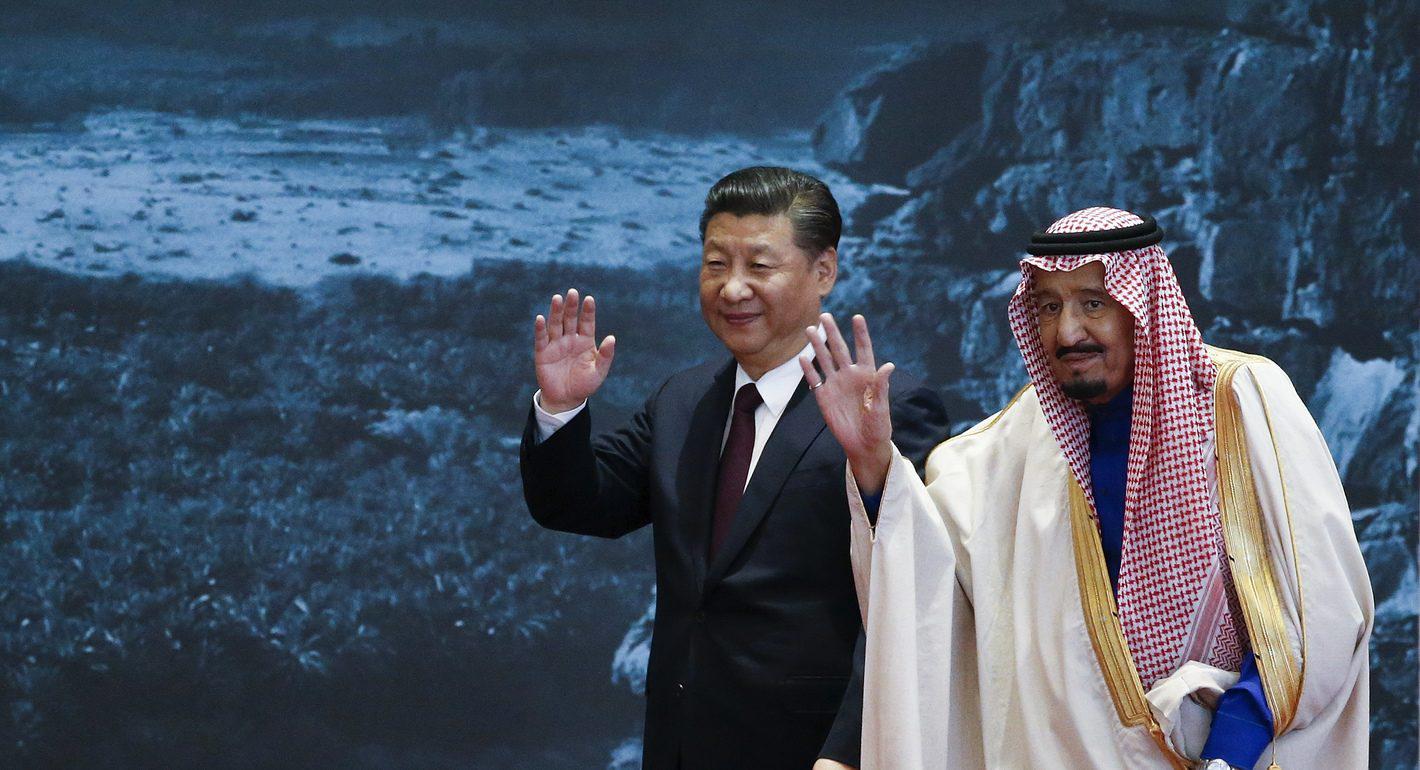
The advantage that China has over other global powers, especially America, is that its foreign policy is closely aligned with those of many of the Middle Eastern countries.


Jin Liangxiang, Maha Yahya, Hesham Alghannam
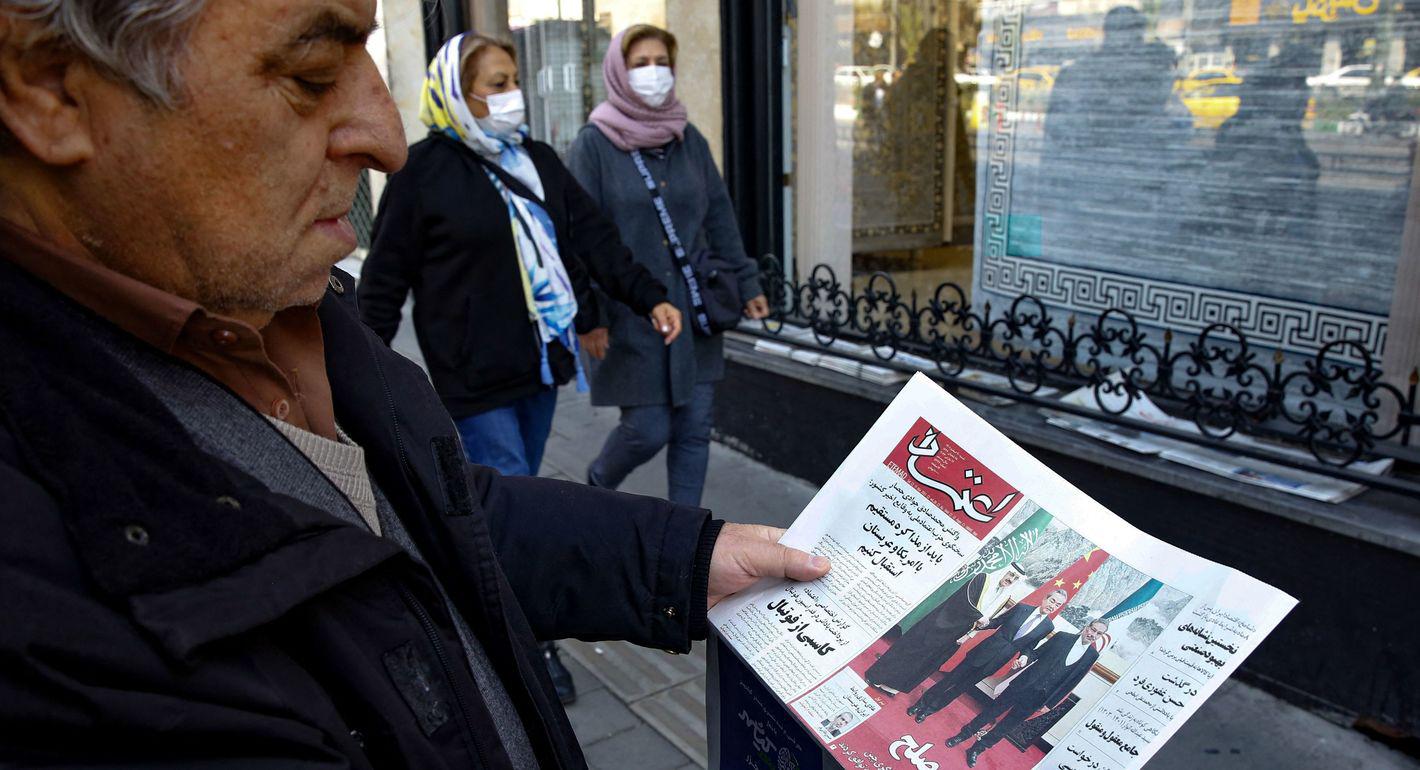
Transactional relationships are stable but can be shallow.


Paul Haenle, Maha Yahya, Benjamin Ho, …
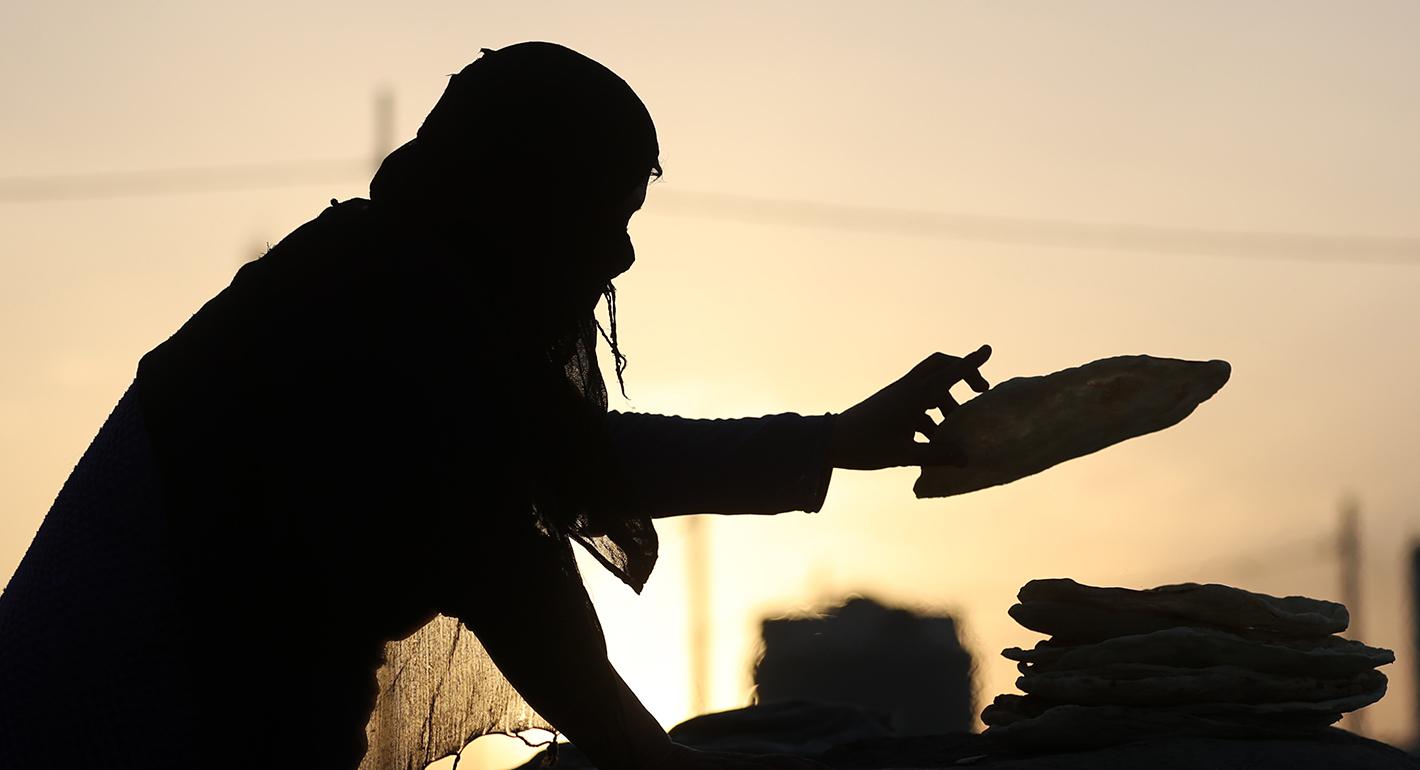
It’s about managing oil prices, bread prices, and strategic partnerships.



Amr Hamzawy, Karim Sadjadpour, Aaron David Miller, …
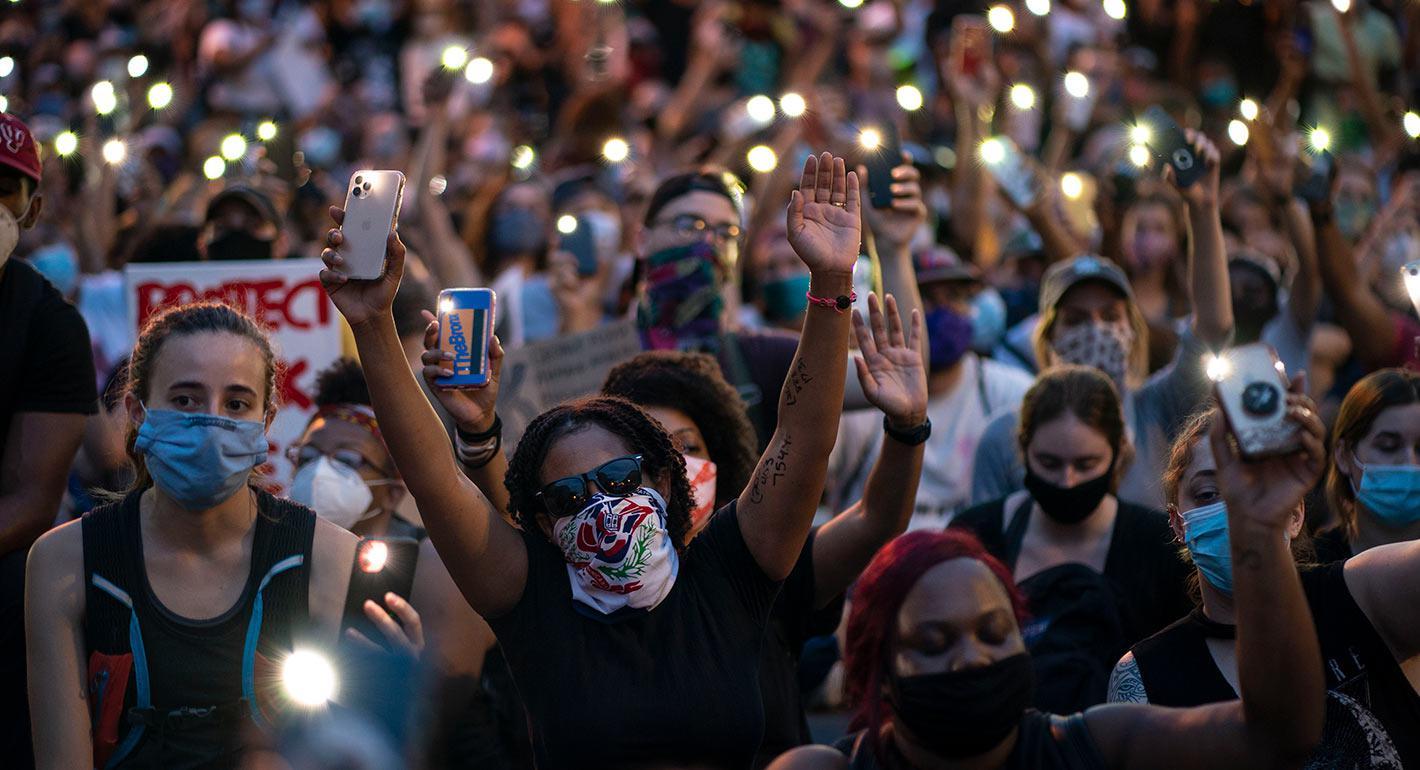
The murder of George Floyd has underscored the deep inequities that have long plagued American society. In a note to the Carnegie community, Bill Burns reflects on Carnegie’s commitment to build a more just future here at home and around the world, without which peace will remain beyond our grasp.
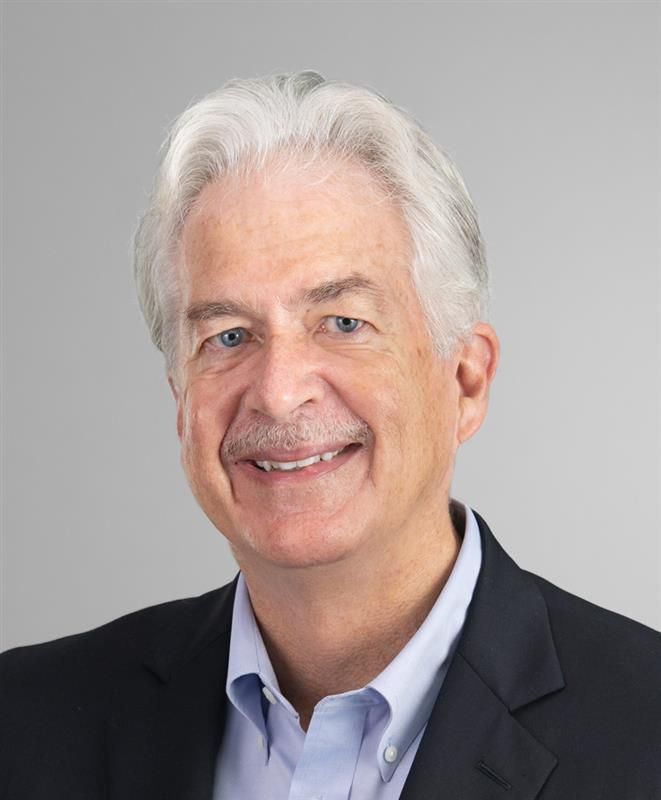
William J. Burns
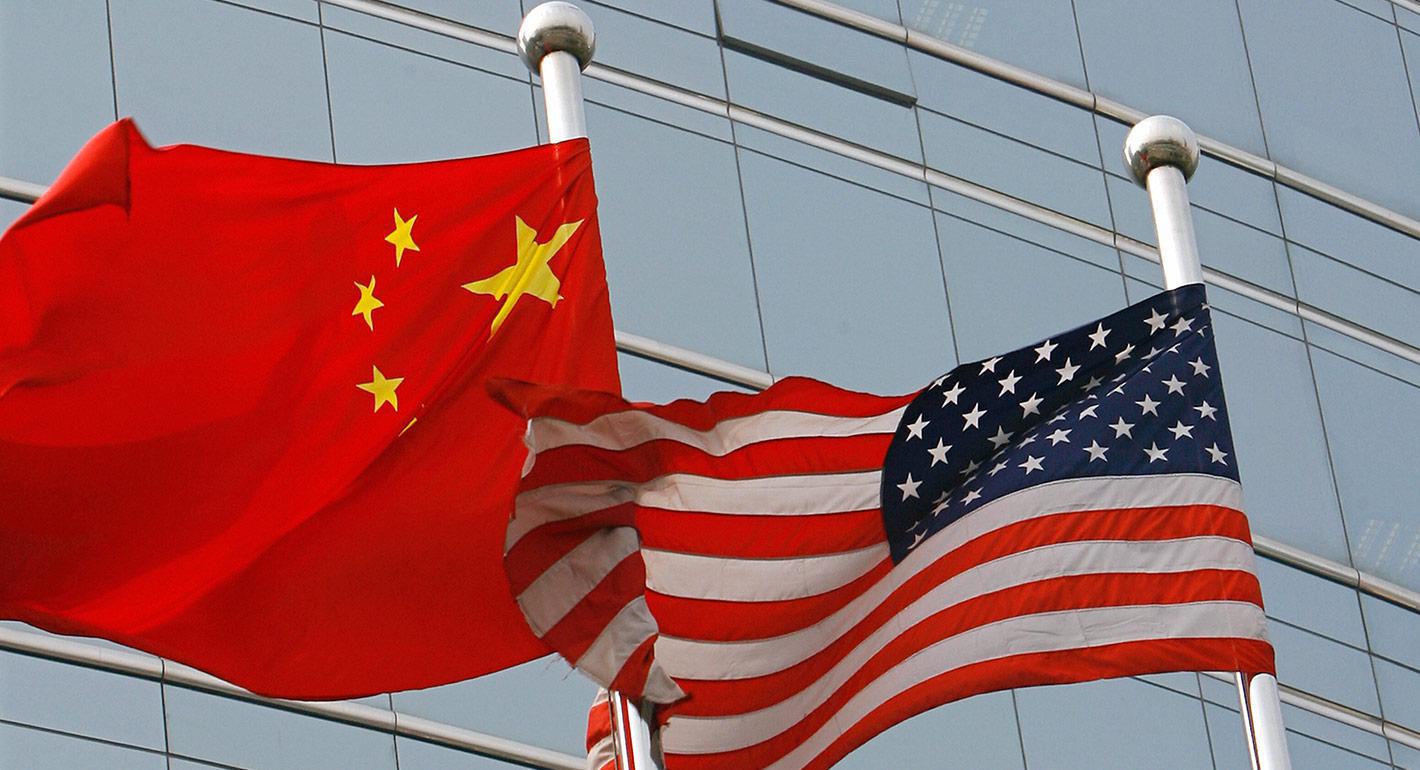
While the world hoped this pandemic might lead to more cooperation between these two great powers, American and Chinese leaders instead fell into a blame game and allowed their increasing suspicions to guide their decision-making.
Lyu Jinghua