

Paper
Gilles Dorronsoro
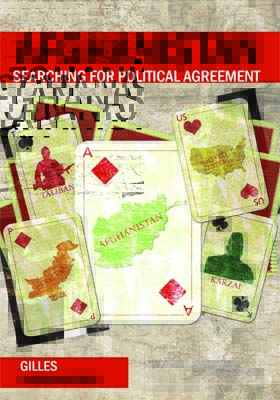
A less costly and more effective way for the international coalition to overcome the impasse in Afghanistan is a negotiated agreement with the Taliban, which could pave the way for a unity government.
Coalition strategy in Afghanistan has reached an impasse: tactical successes will not defeat the Taliban while Pakistan offers sanctuary, nor can security be “Afghanized” by a government that lacks legitimacy and is irreparably unpopular. A less costly—both in lives and money—and more effective option would be a negotiated agreement with the Taliban that paves the way for a unity government.
“Nothing guarantees that negotiations—if agreed to by the Taliban—will succeed. Furthermore, the regime that will be established will be unstable for months, perhaps even years,” writes Dorronsoro.
“But if the negotiations succeed, they will enable the formation of a national unity government in Kabul, a new constitution negotiated during a Loya Jirga, and internal and international guarantees to prevent the return of al-Qaeda. Given the current impasse in which the coalition finds itself, such a result is the best that one can hope for.”

Former Nonresident Scholar, South Asia Program
Dorronsoro’s research focuses on security and political development in Afghanistan. He was a professor of political science at the Sorbonne in Paris and the Institute of Political Studies of Rennes.
Recent Work
Gilles Dorronsoro
Gilles Dorronsoro
Carnegie does not take institutional positions on public policy issues; the views represented herein are those of the author(s) and do not necessarily reflect the views of Carnegie, its staff, or its trustees.

Across Asia, China is better positioned to withstand energy shocks from the fallout of the Iran war. Its abundant coal capacity can ensure stability in the near term. Yet at the same time, the country’s energy transition away from coal will make it even less vulnerable during the next shock.

Damien Ma

Malaysia’s chairmanship sought to fend off short-term challenges while laying the groundwork for minimizing ASEAN’s longer-term exposure to external stresses.

Elina Noor

For Malaysia, the conjunction that works is “and” not “or” when it comes to the United States and China.
Elina Noor
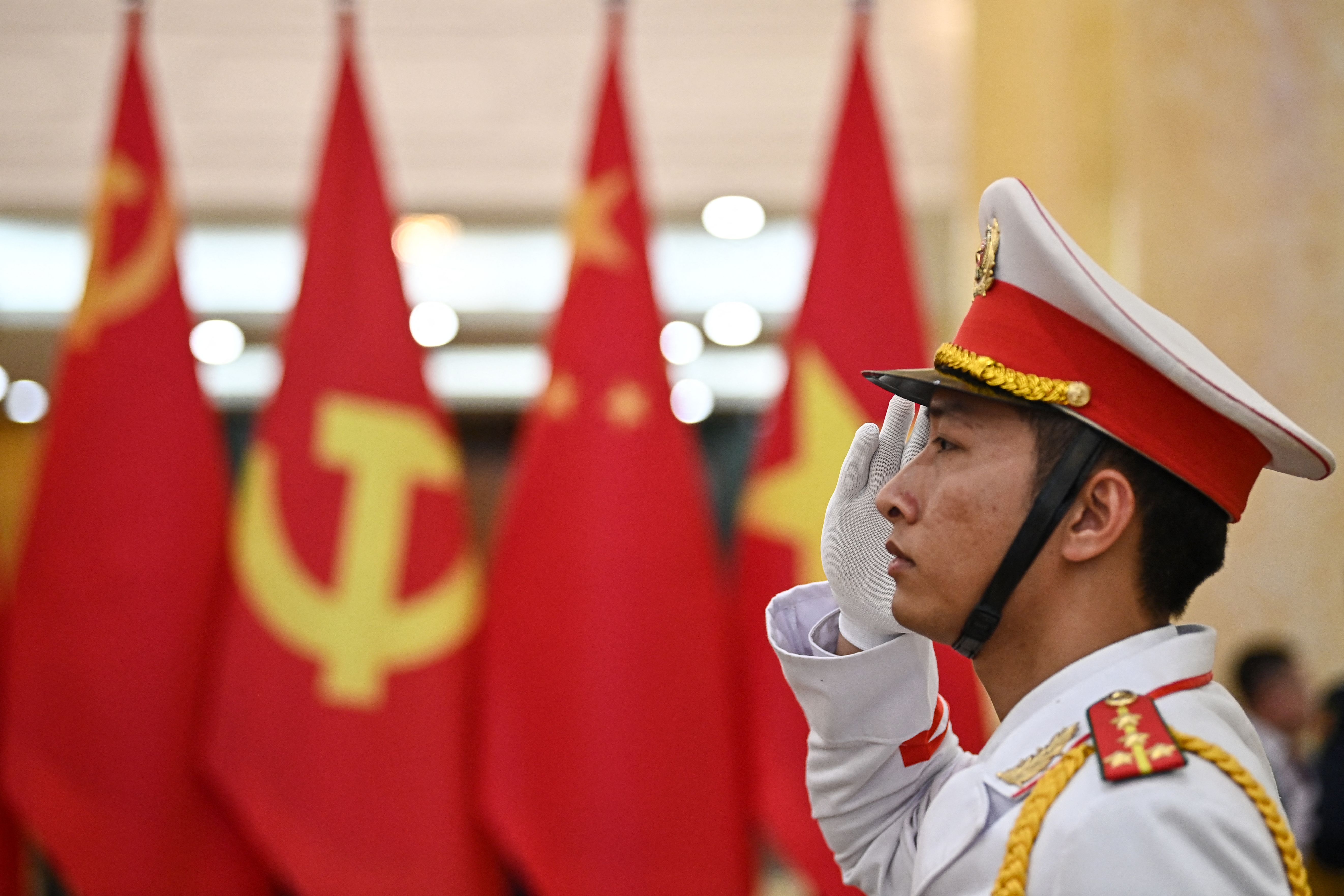
In July 2025, Vietnam and China held their first joint army drill, a modest but symbolic move reflecting Hanoi’s strategic hedging amid U.S.–China rivalry.

Nguyễn Khắc Giang

Regulation, not embargo, allows Beijing to shape how other countries and firms adapt to its terms.
Alvin Camba