• Commentary
  • Research
  • Experts
  • Events
Carnegie China logoCarnegie lettermark logo
REQUIRED IMAGE

REQUIRED IMAGE

Paper

Could Al-Qaeda Turn African in the Sahel?

Regional cooperation and discreet aid from the West are critical for countries to regain control of their territory and prevent al-Qaeda from gaining ground in Africa.

Link Copied
By Jean-Pierre Filiu
Published on Jun 10, 2010

Additional Links

Full Text

Lightly patrolled borders, sparsely populated areas, and recent terrorist activity raise fears that the Sahel is a fertile ground for jihadist movements, notably al-Qaeda in the Islamic Maghreb (AQIM). Regional cooperation and discreet aid from the West are critical for countries to regain control of their territory and prevent al-Qaeda from gaining ground in Africa, asserts a paper by Jean-Pierre Filiu. 

Key Conclusions

  • AQIM poses more of a security threat than a direct political threat to governments. Terrorist networks linked to al-Qaeda operate in Mauritania, Mali, and Niger, but their roots are shallow and they enjoy little popular support. AQIM is weakened by internal rivalry and its partnership with criminals, limiting its broader appeal.
     
  • Al-Qaeda’s central leadership doesn’t seem to have any grand plans for Africa, but leaders are interested in incorporating new recruits from the Sahel. 
     
  • The ethno-racial divide within al-Qaeda prevents African recruits from gaining leadership roles. The terror organization’s three affiliates—in the Arabian Peninsula, Iraq, and the Islamic Maghreb—remain essentially Arab, and AQIM struggles to prove its commitment to “Africanized” jihad without Africanizing some of its leadership.

Recommendations for policy makers

  • Equip security forces. Counterterrorism forces in Sahel countries are ill-equipped to chase and fight AQIM across vast areas and need quiet international assistance to control areas that are now security risks for foreigners.
     
  • Collaborate regionally. Security cooperation between neighboring countries is critical for disrupting AQIM’s mobility.
     
  • Avoid direct intervention from the West. Any public display of U.S. or European involvement will play into AQIM’s hands.

“Mauritania, Mali, and Niger are among the world’s poorest states and will require international support to defuse AQIM’s momentum,” writes Filiu. “Algeria is right to push for regional cooperation to address the threat, and discreet aid from the West is crucial to help the Sahel countries regain control of their territory from al-Qaeda forces and prevent the terror group from taking hold in Africa.”
 

About the Author

Jean-Pierre Filiu

Jean-Pierre Filiu
North AfricaMaliMaghrebMiddle EastSecurity

Carnegie does not take institutional positions on public policy issues; the views represented herein are those of the author(s) and do not necessarily reflect the views of Carnegie, its staff, or its trustees.

More Work from Carnegie China

  • Commentary
    China’s Mediation Offer in the Thailand-Cambodia Border Dispute Sheds Light on Beijing’s Security Role in Southeast Asia

    The Thai-Cambodian conflict highlights the limits to China's peacemaker ambition and the significance of this role on Southeast Asia’s balance of power.

      Pongphisoot (Paul) Busbarat

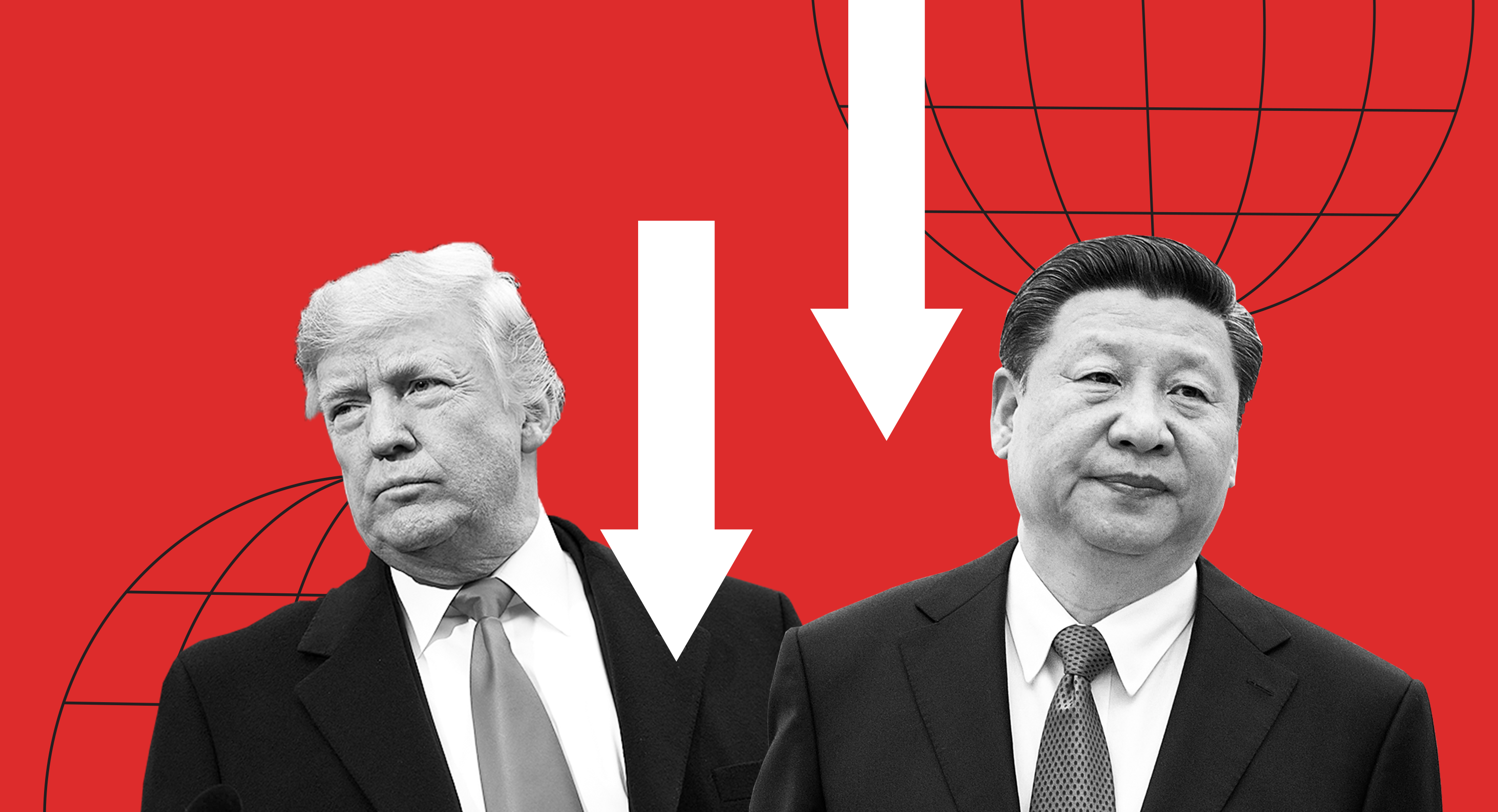
  • Trump and Xi on a red background
    Commentary
    Emissary
    China Is Determined to Hold Firm Against Trump’s Pressure

    Beijing believes that Washington is overestimating its own leverage and its ability to handle the trade war’s impacts. 

      • Sheena Chestnut Greitens

      Rick Waters, Sheena Chestnut Greitens
  • Commentary
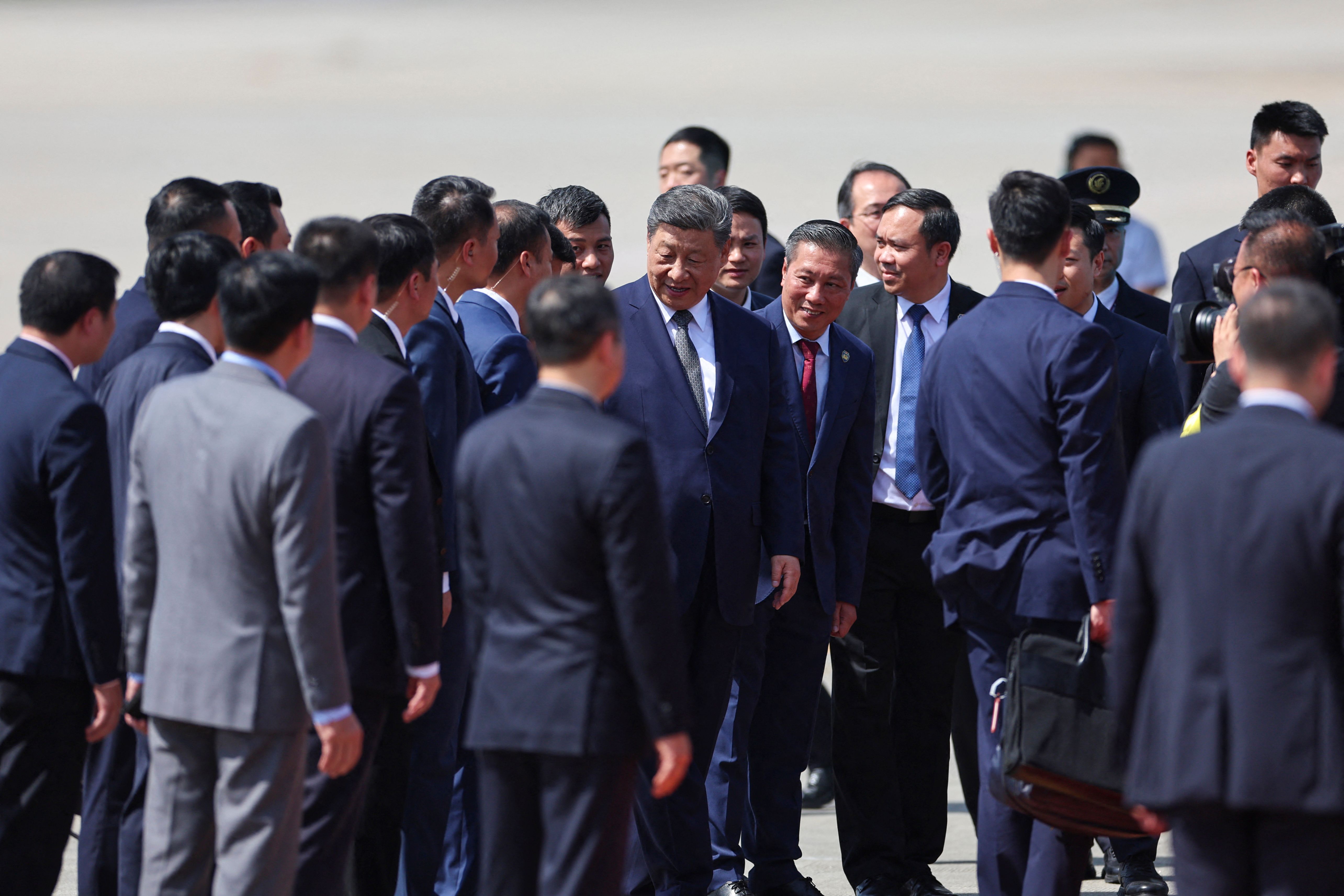
    A Second Trump Term: Will Southeast Asia Tilt Toward China?

    Tapping our network of China experts in the region, Carnegie China offers this latest “China Through a Southeast Asian Lens” report to offer preliminary assessments of whether the U.S. effort to reshape the global trading order will lead countries in the region to tilt toward Beijing. 

      • +6

      Selina Ho, Khin Khin Kyaw Kyee, Joseph Ching Velasco, …
  • Research
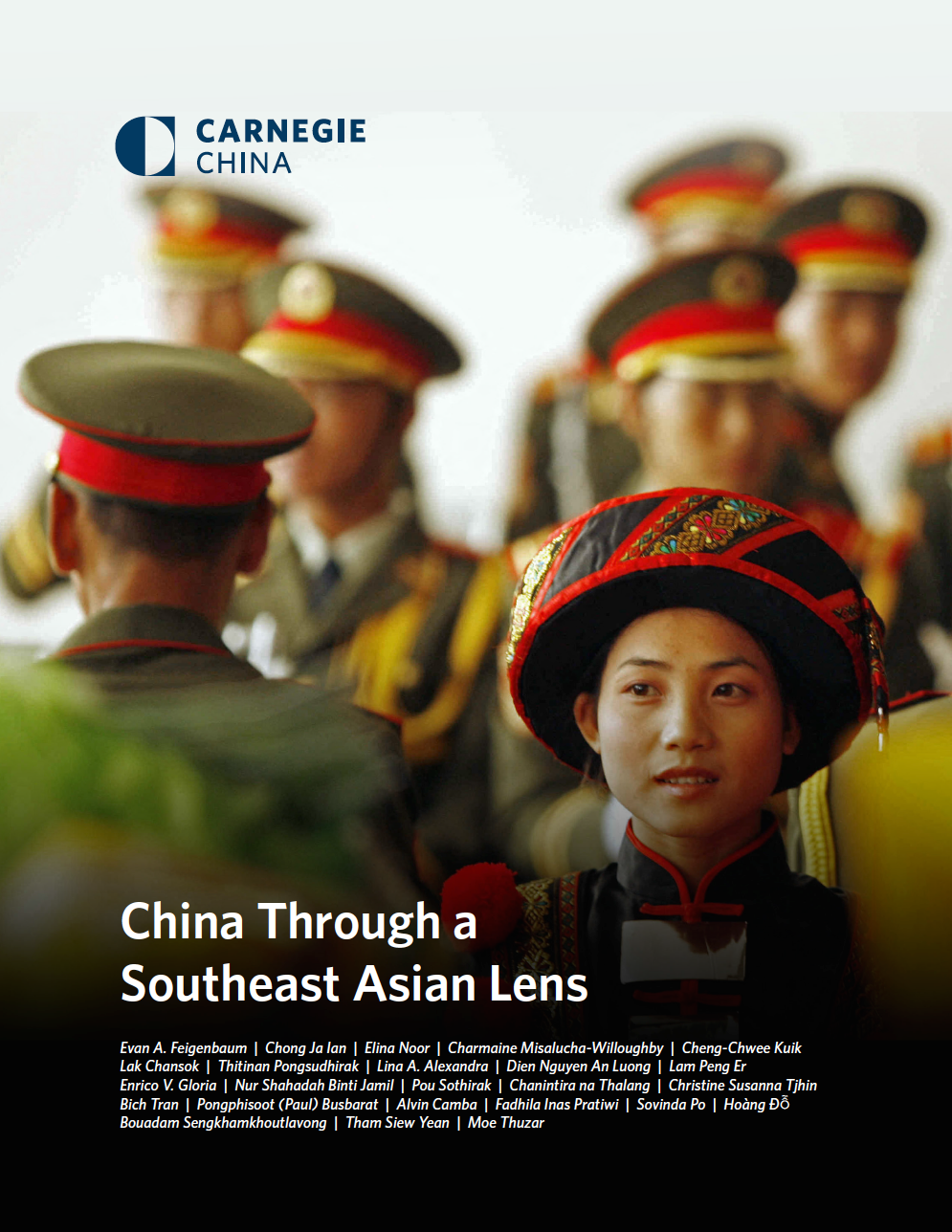
    China Through a Southeast Asian Lens

    Because strategic, economic, and ideological perceptions of China contain multiple, sometimes contradictory facets in Southeast Asia, receptions of and responses to Beijing diverge across and within state lines.


      Evan A. Feigenbaum, Chong Ja Ian, Elina Noor

  • Article
    Northeast Asia Is for Deterrence and Southeast Asia Is (Mostly) for Freeriding: Appreciating Divergent East Asian Approaches to Order, Uncertainty, and Contestation

    Most Southeast Asian states behave as if the actions of their Northeast Asian neighbors and the Philippines will be sufficient to maintain a regional status quo from which they can benefit.

      Chong Ja Ian

Get more news and analysis from
Carnegie China
Carnegie China logo, white
Keck Seng Tower133 Cecil Street #10-01ASingapore, 069535
  • Research
  • About
  • Experts
  • Events
  • Contact
  • Careers
  • Privacy
  • For Media
Get more news and analysis from
Carnegie China
© 2026 Carnegie Endowment for International Peace. All rights reserved.