

Commentary
The advantage that China has over other global powers, especially America, is that its foreign policy is closely aligned with those of many of the Middle Eastern countries.
Jin Liangxiang, Maha Yahya, Hesham Alghannam
Source: Getty
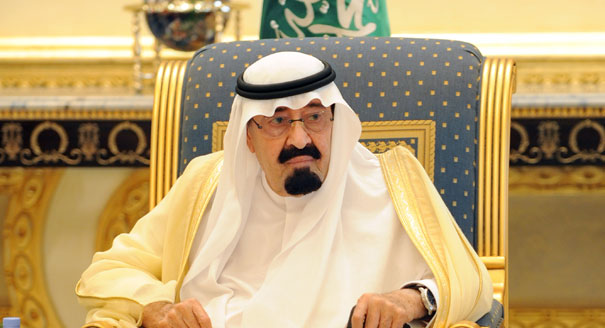
Arab monarchs have an opportunity to embark on a path of far-reaching political reform without losing their thrones, but the window to act is closing
Contrary to what ongoing protests across the Middle East and North Africa might imply, monarchs and ruling families in the Arab world still enjoy an extraordinary degree of legitimacy in the eyes of their people. Most citizens of Arab monarchies want to see changes within their ruling governments, not complete regime change. This in turn affords those rulers an opportunity to embark on a path of far-reaching political reform without losing their thrones—all the while gaining acclaim at home and abroad.
Yet, so far, no monarch has made the effort. Sovereigns are not seeking to truly take advantage of their legitimacy to engineer a process of controlled reform from the top that would prevent an escalation of demands from the bottom. These rulers have not accepted that the change sweeping the region is profound, and that the unique opportunity they still have to lead their countries into a decisive program of reform will not last forever.
All monarchs have taken steps to appease their citizens, but they have either provided material benefits to try to placate demands or introduced narrow reforms that give their people a limited voice in governance. Political measures have ranged from ostensibly bold but in reality limited in Morocco, to hesitant and uncertain in Jordan, to practically nonexistent in the Gulf countries. With a few partial exceptions, Arab monarchs are not moving their countries toward the representative governments that protesters are demanding.
With the possible exception of Bahrain, the one place where protesters are calling for a true constitutional monarchy, there is still time for Arab sovereigns to change course. It is less dangerous for the monarchs to act now than to wait until the demand is overwhelming and could indeed spiral into an uncontrolled process of change. Their legitimacy is at stake, and they will likely face more severe challenges if they do not act soon.
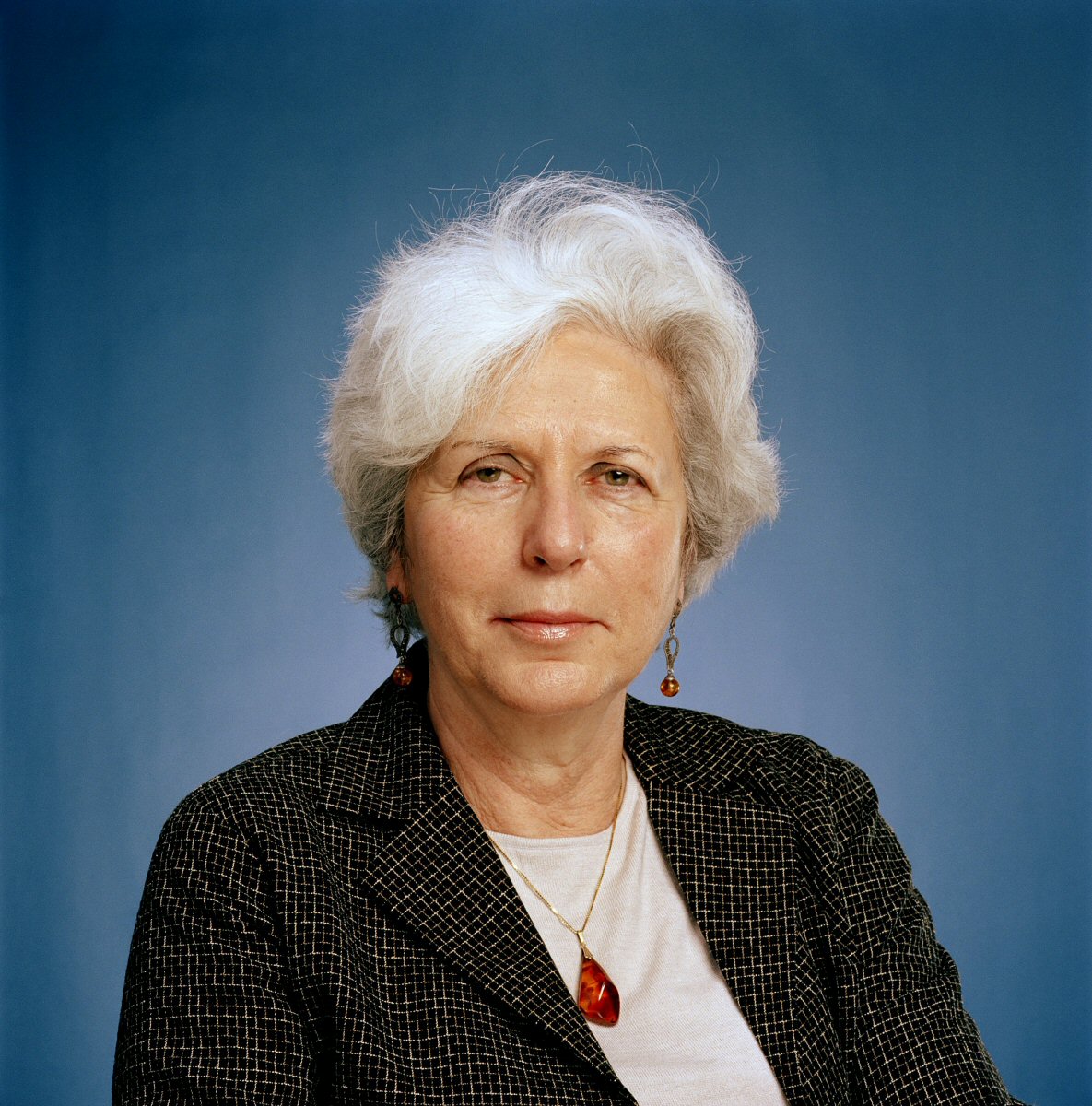
Former Senior Associate, Middle East Program
Before joining the Endowment, Ottaway carried out research in Africa and in the Middle East for many years and taught at the University of Addis Ababa, the University of Zambia, the American University in Cairo, and the University of the Witwatersrand in South Africa.

Vice President for Studies
Marwan Muasher is vice president for studies at Carnegie, where he oversees research in Washington and Beirut on the Middle East. Muasher served as foreign minister (2002–2004) and deputy prime minister (2004–2005) of Jordan, and his career has spanned the areas of diplomacy, development, civil society, and communications.
Carnegie does not take institutional positions on public policy issues; the views represented herein are those of the author(s) and do not necessarily reflect the views of Carnegie, its staff, or its trustees.
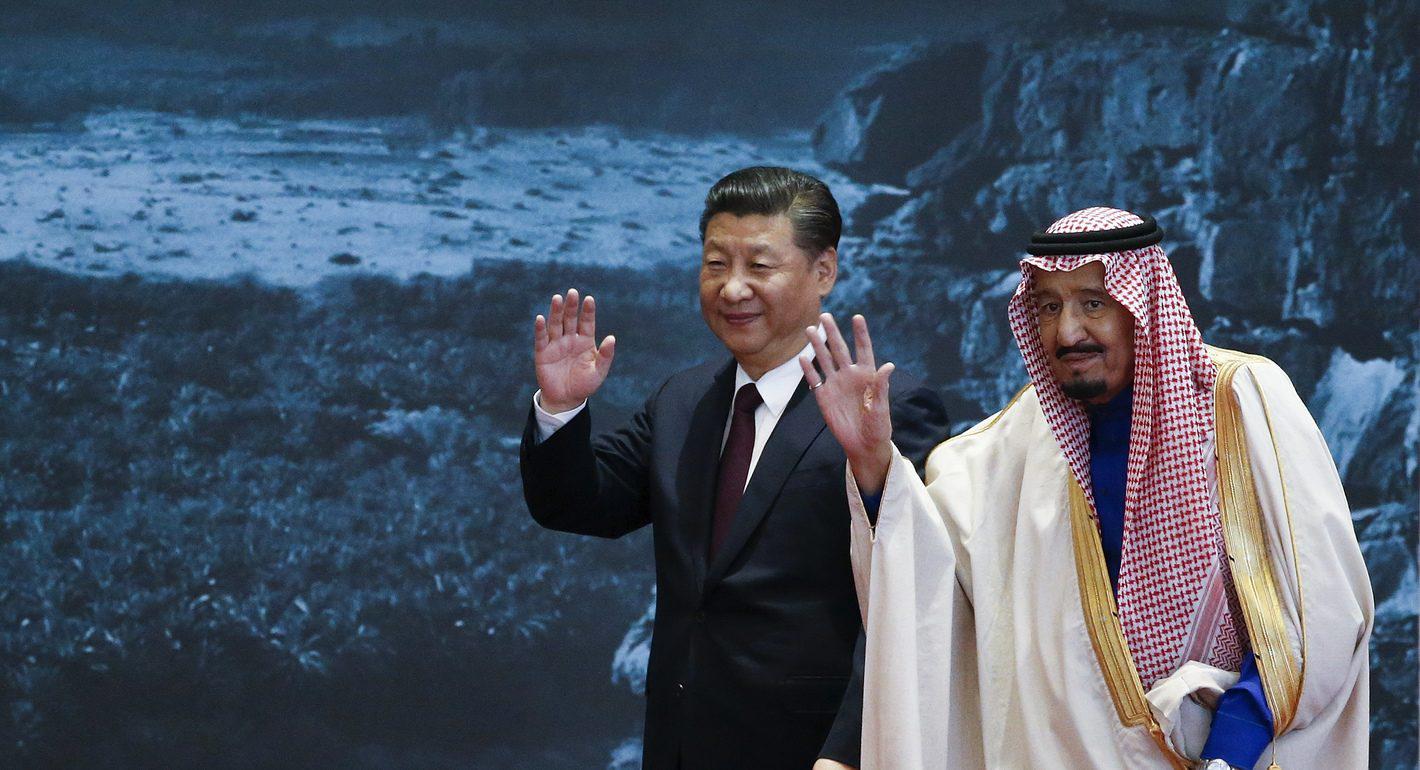
The advantage that China has over other global powers, especially America, is that its foreign policy is closely aligned with those of many of the Middle Eastern countries.
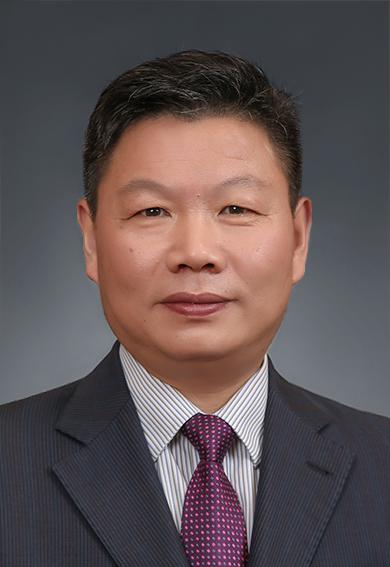


Jin Liangxiang, Maha Yahya, Hesham Alghannam
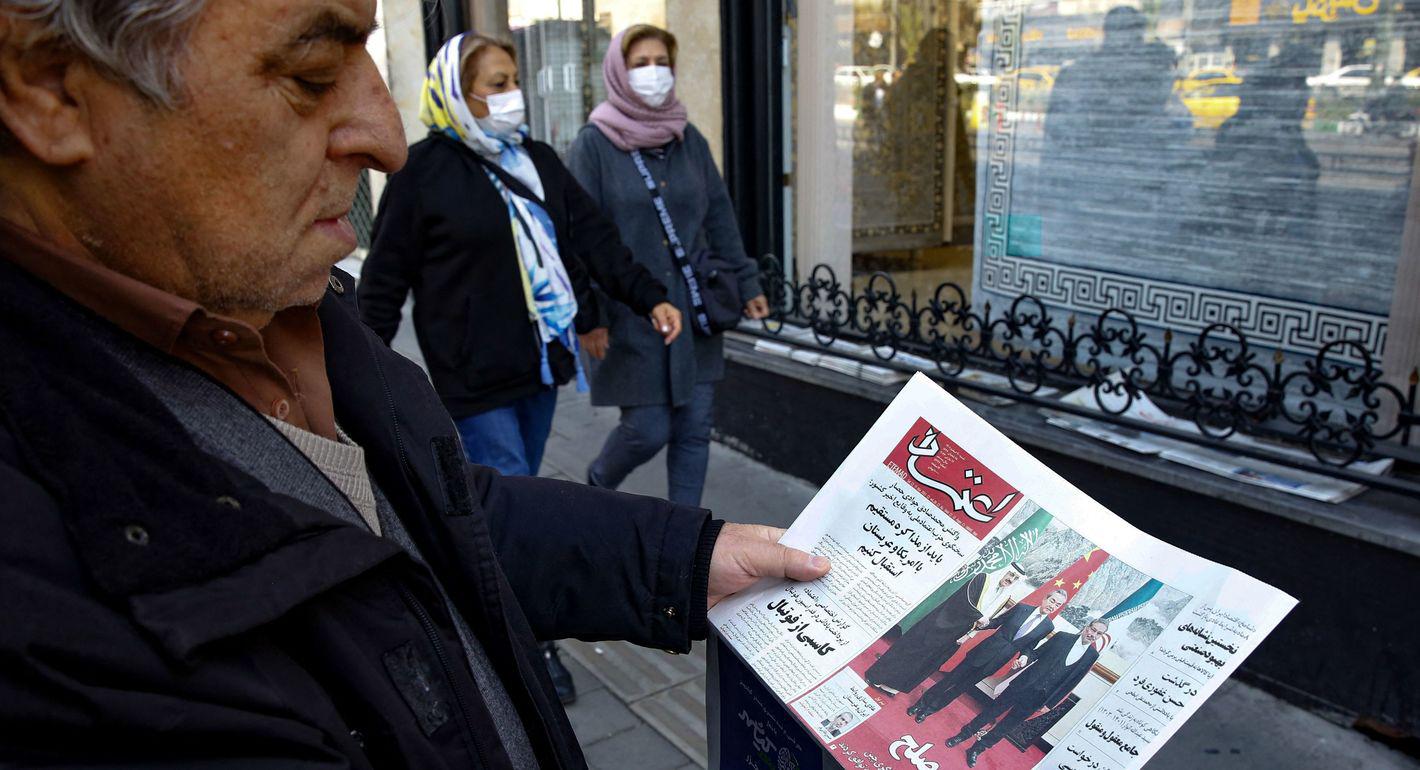
Transactional relationships are stable but can be shallow.


Paul Haenle, Maha Yahya, Benjamin Ho, …

It’s about managing oil prices, bread prices, and strategic partnerships.



Amr Hamzawy, Karim Sadjadpour, Aaron David Miller, …

The murder of George Floyd has underscored the deep inequities that have long plagued American society. In a note to the Carnegie community, Bill Burns reflects on Carnegie’s commitment to build a more just future here at home and around the world, without which peace will remain beyond our grasp.

William J. Burns
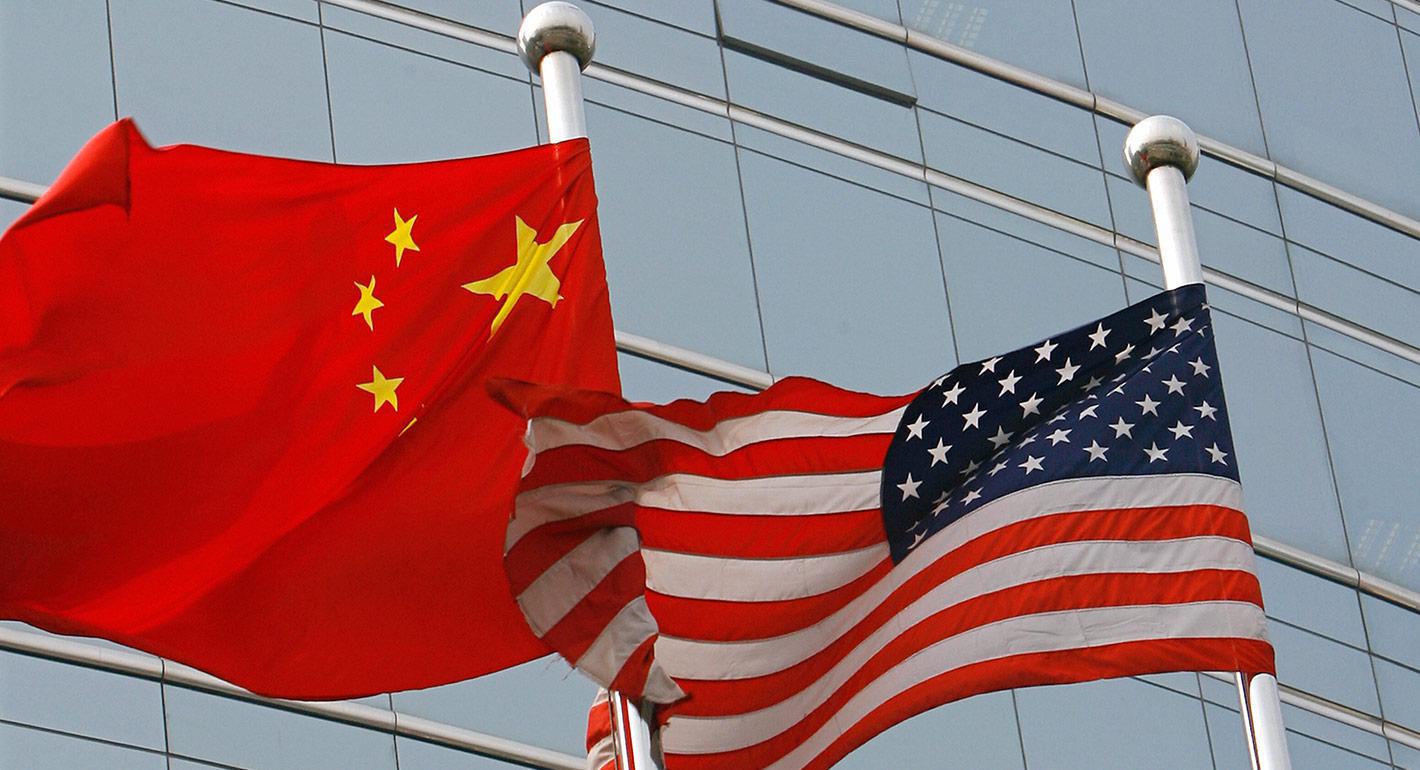
While the world hoped this pandemic might lead to more cooperation between these two great powers, American and Chinese leaders instead fell into a blame game and allowed their increasing suspicions to guide their decision-making.
Lyu Jinghua