

Commentary
Sinan Ülgen

Source: Getty
Faced with the consequences of the Arab Spring, Turkey's foreign policy is changing. This has significant consequences for Turkey’s relations with its neighbors, as well as its partners in the West.
Over the past month, anti-Ankara rhetoric has become a common theme among Turkey’s southern neighbors. In fact, wartime excepted, few countries have seen the kind of surprisingly rapid degradation in neighborly relations that Turkey is experiencing today.
Hussain Ibrahimi, the head of the Iranian parliament’s foreign policy and national security committee, stated that if Iran were ever to be attacked, its first retaliatory strike would be against the missile defense early warning radar site in Eastern Turkey. Syria’s beleaguered president Bashar al-Assad has announced measures targeting trade and transport links with Turkey. And in an interview with the Wall Street Journal, Iraqi Prime Minister Nuri al-Maliki complained openly about Turkey’s blatant interference in his country’s domestic affairs.
These confrontational attitudes signal the collapse of Turkey’s much vaunted “zero problems with neighbors” policy. But how can this radical transformation in Ankara’s regional relations be explained?
The culprit is the Arab Spring, or rather the unintended consequences of the Arab popular revolts.
Traditionally, Turkish policy was driven by the principle of noninterference in the domestic affairs of other countries. Acting as the “Middle Empire” of the Middle East, Turkey favored maintaining good relations with neighboring regimes while turning a blind eye to their gross violations of human rights. It was often claimed that Turkey, as a developing country and an emerging power, did not have the luxury to act like the West and chastise its neighbors for their disregard of democratic standards. As a result, Ankara even welcomed Omar al Bashir, disregarding the International Criminal Court’s arrest warrant against the Sudanese president.
The “zero problems with neighbors” approach was ideally suited to this policy of benign neglect. It allowed Turkey to nurture frictionless relationships with the authoritarian leaders of the Arab world. But with the Arab wave of popular revolts, this policy became unsustainable. As an ambitious regional player and a member of the North Atlantic Treaty Organization (NATO), Turkey could not appear to continue supporting oppressive regimes.
Faced with the consequences of the Arab Spring, Turkey is taking a new tack. Demonstrating its ability to shift its foreign policy priorities in response to changing geopolitical conditions, Ankara adopted entirely new foreign policy rhetoric that highlights Turkey’s mission to protect the weak and oppressed of the region. Turkey is branding itself as the champion of the victimized in the Middle East.
Gone are references to zero problems. Instead Turkey is championing democratic transition, positioning itself at the vanguard of the international community. In a clear departure from established diplomatic practice, Ankara is for instance giving overt support to the main opposition group in Syria, the Syrian National Council, and is harboring the leadership of the Free Syrian Army, a rebel militia.
Ankara’s positioning of itself as an ardent supporter of pro-democracy movements across the Arab world is having significant consequences for Turkey’s relations with its neighbors as well as its partners in the West.
This new approach is at the core of the rising tension in Ankara’s relations with nonreformists in the region. It is not only driving a wedge between Ankara and Damascus but also causing friction with Tehran. This wedge is likely to deepen in coming months as Turkey consolidates the pro-democracy proclivities in its regional vision and discourse.
At the same time, however, this fundamental policy reversal is hastening Turkey’s realignment toward the West. The rebranding of Turkish foreign policy in the wake of the demise of the “zero problems with neighbors” approach is radically transforming Ankara’s view of the balance in its relations with the West and its neighbors. It is no coincidence that, compared to the Iranian nuclear-fuel-swap deal it engineered with Brazil last year, Turkey’s Syria policy is far better coordinated with its partners in the West.
In this new era, which will be defined by the challenge of managing the consequences of the Arab Spring, policymakers in Ankara will increasingly rely on their upgraded relations with their transatlantic partners to steer Turkish foreign policy in a visibly more confrontational regional environment.

Senior Fellow, Carnegie Europe
Sinan Ülgen is a senior fellow at Carnegie Europe in Brussels, where his research focuses on Turkish foreign policy, transatlantic relations, international trade, economic security, and digital policy.
Recent Work
Sinan Ülgen

Raluca Csernatoni, Sinan Ülgen
Carnegie does not take institutional positions on public policy issues; the views represented herein are those of the author(s) and do not necessarily reflect the views of Carnegie, its staff, or its trustees.
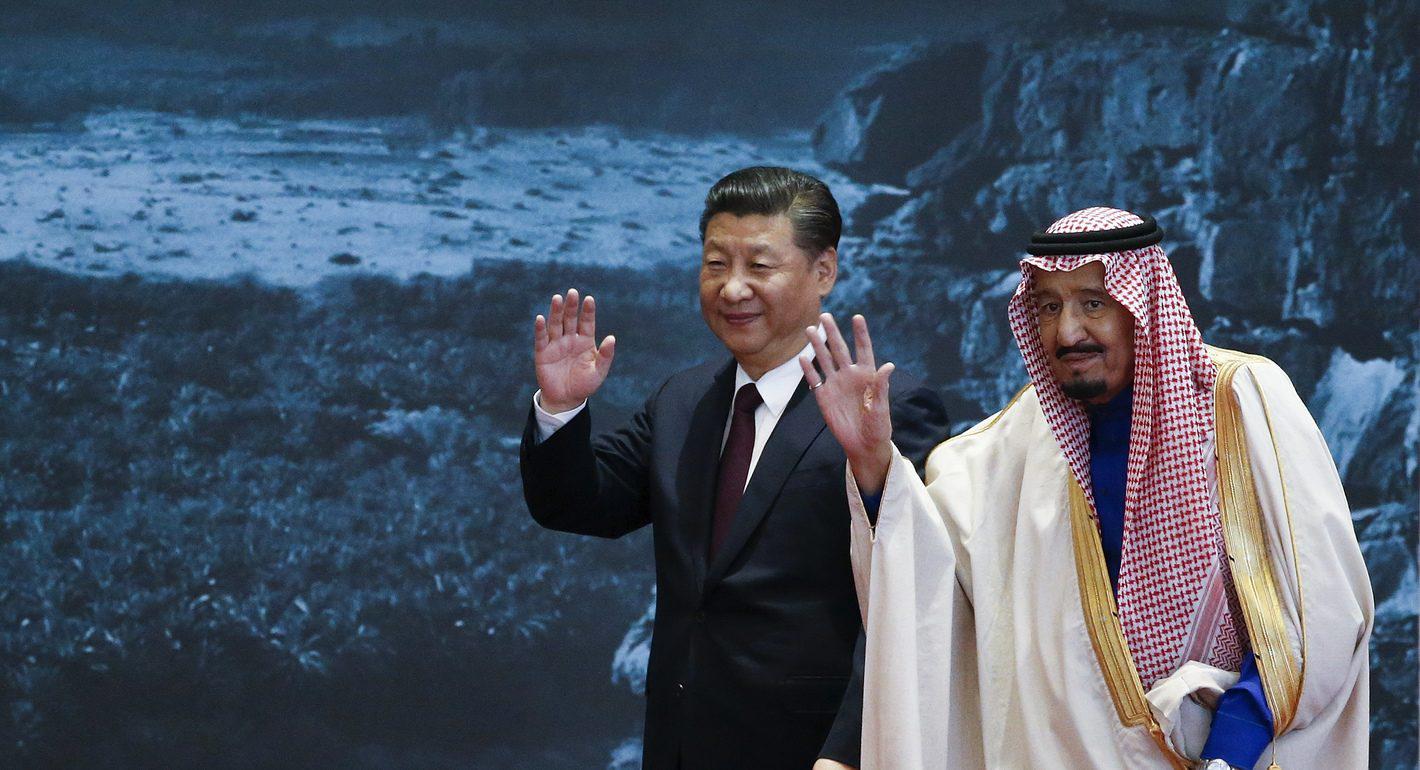
The advantage that China has over other global powers, especially America, is that its foreign policy is closely aligned with those of many of the Middle Eastern countries.


Jin Liangxiang, Maha Yahya, Hesham Alghannam
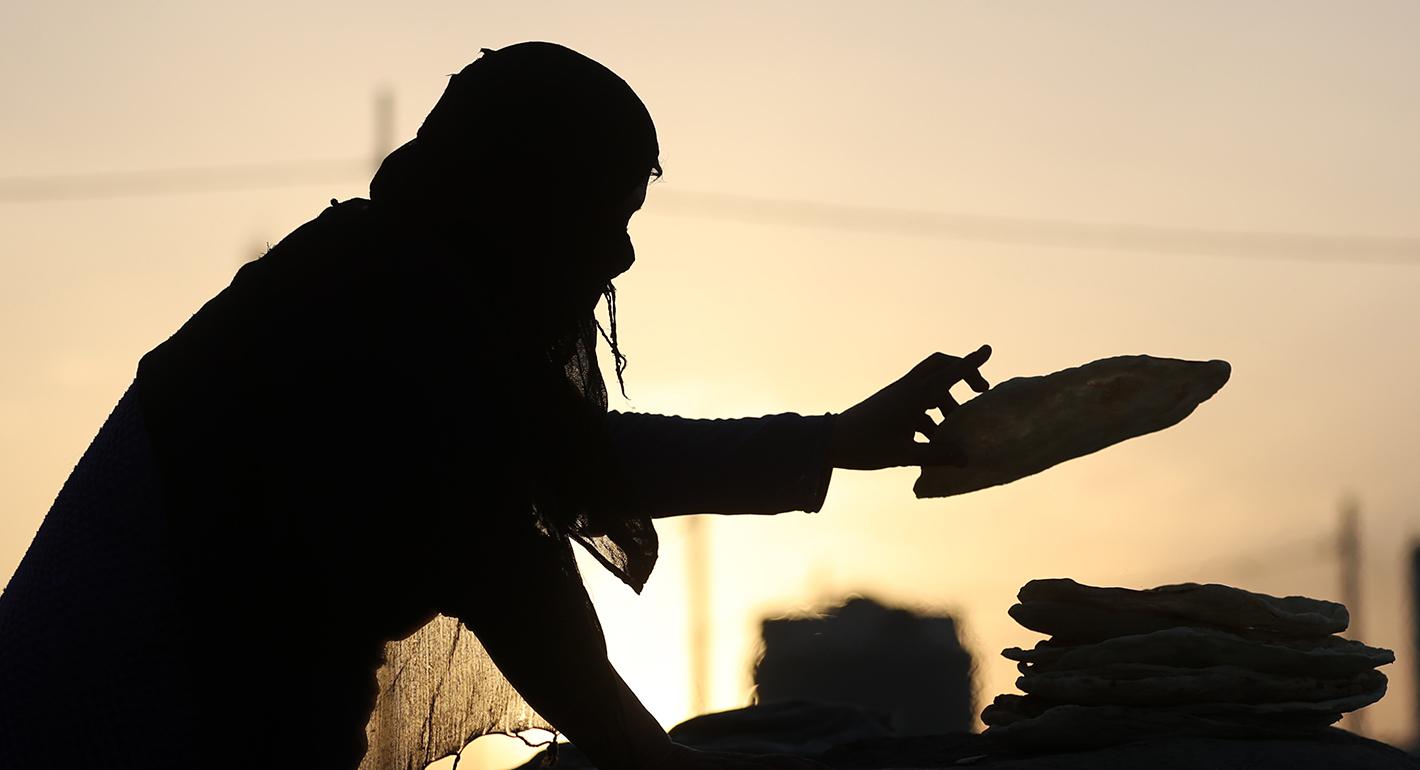
It’s about managing oil prices, bread prices, and strategic partnerships.



Amr Hamzawy, Karim Sadjadpour, Aaron David Miller, …
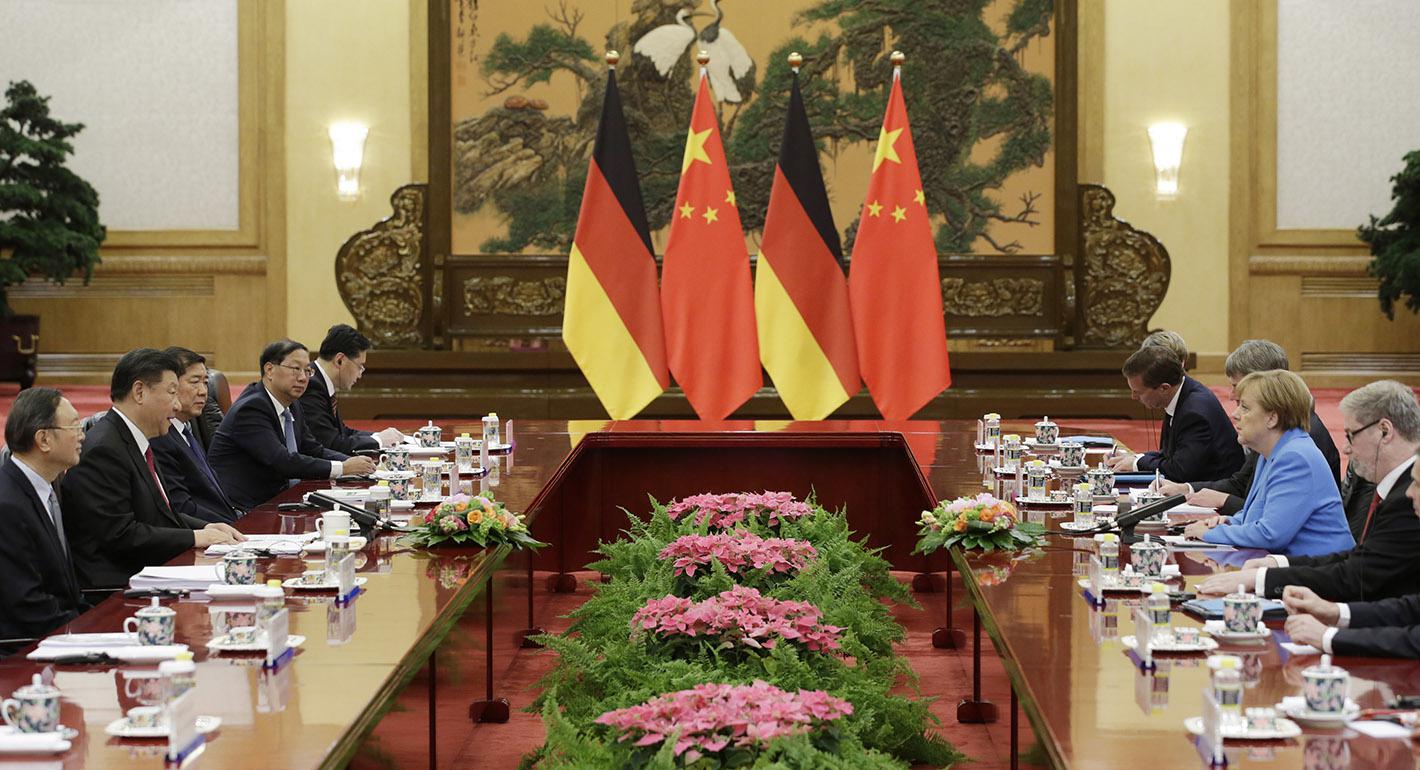
As the United States confronts China more directly, Merkel is exploring deeper cooperation with Xi. Economic upheaval from the coronavirus could reinforce the temptation in Berlin to keep Beijing close.
Noah Barkin
Fundamentally, it seems irrational to leave an agreement that’s working today out of a fixation on potential growth of Iran’s nuclear program more than a decade from now, when such growth could happen tomorrow if we unravel the agreement.
John Kerry
The smart way to get tough on Iran would be to commit to the nuclear deal, enforce it to the hilt, and work with global partners on a long-term strategy to deal with Iran’s challenge.

William J. Burns, Jake Sullivan