

Commentary
The Thai-Cambodian conflict highlights the limits to China's peacemaker ambition and the significance of this role on Southeast Asia’s balance of power.
Pongphisoot (Paul) Busbarat
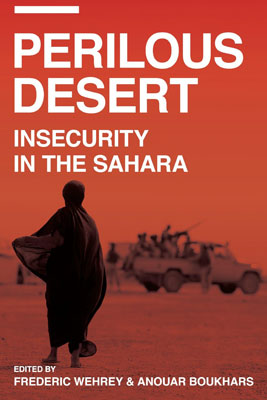
The Sahara suffers from a perfect storm of weaknesses. Foreign assistance that relies exclusively on counterterrorism will only exacerbate the problems.
Source: Carnegie Endowment for International Peace
The geopolitical significance of the Sahara is becoming painfully clear. Islamist militant groups and transnational criminal networks are operating in the region's most fragile states, exploiting widespread corruption, weak government capacity, crushing poverty, and entrenched social and ethnic tensions. The unrest spills over borders and aggravates protracted regional crises.
This insecurity raises urgent concerns for the broader Sahara and the West. Perilous Desert details the sources of instability and what can be done to minimize the threat of simmering conflicts.
Leading experts, through comprehensive accounts of the changing landscape, demonstrate how foreign assistance that relies exclusively on counterterrorism will only exacerbate the problems. Solutions require understanding and combatting the roots of the Sahara's many challenges.

Senior Fellow, Middle East Program
Frederic Wehrey is a senior fellow in the Middle East Program at the Carnegie Endowment for International Peace, where his research focuses on governance, conflict, and security in Libya, North Africa, and the Persian Gulf.
Former Nonresident Fellow, Middle East Program
Boukhars was a nonresident fellow in Carnegie’s Middle East Program. He is a professor of countering violent extremism and counter-terrorism at the Africa Center for Strategic Studies, National Defense University.
Carnegie does not take institutional positions on public policy issues; the views represented herein are those of the author(s) and do not necessarily reflect the views of Carnegie, its staff, or its trustees.

The Thai-Cambodian conflict highlights the limits to China's peacemaker ambition and the significance of this role on Southeast Asia’s balance of power.

Pongphisoot (Paul) Busbarat

Beijing believes that Washington is overestimating its own leverage and its ability to handle the trade war’s impacts.


Rick Waters, Sheena Chestnut Greitens
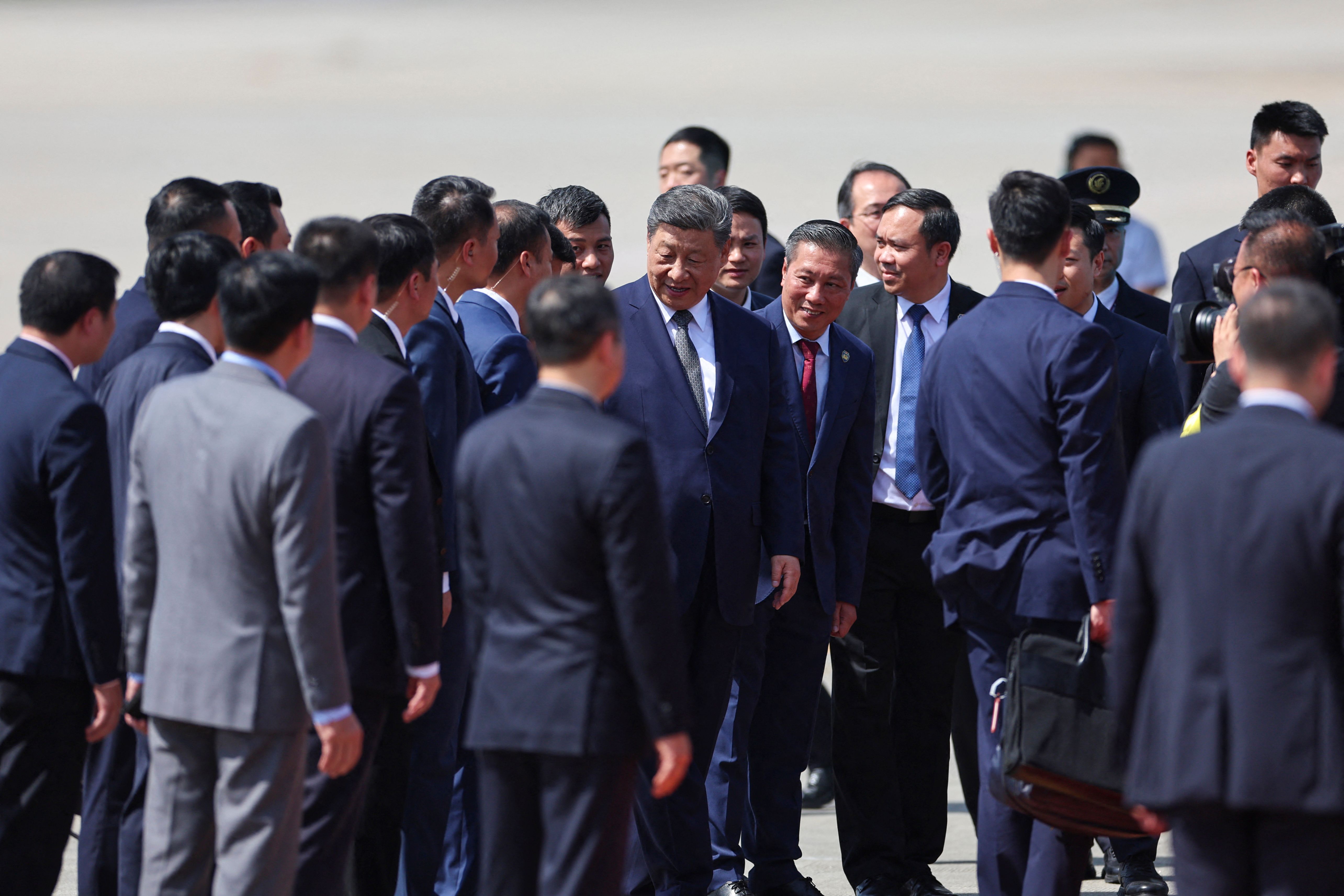
Tapping our network of China experts in the region, Carnegie China offers this latest “China Through a Southeast Asian Lens” report to offer preliminary assessments of whether the U.S. effort to reshape the global trading order will lead countries in the region to tilt toward Beijing.



Selina Ho, Khin Khin Kyaw Kyee, Joseph Ching Velasco, …
Because strategic, economic, and ideological perceptions of China contain multiple, sometimes contradictory facets in Southeast Asia, receptions of and responses to Beijing diverge across and within state lines.



Evan A. Feigenbaum, Chong Ja Ian, Elina Noor
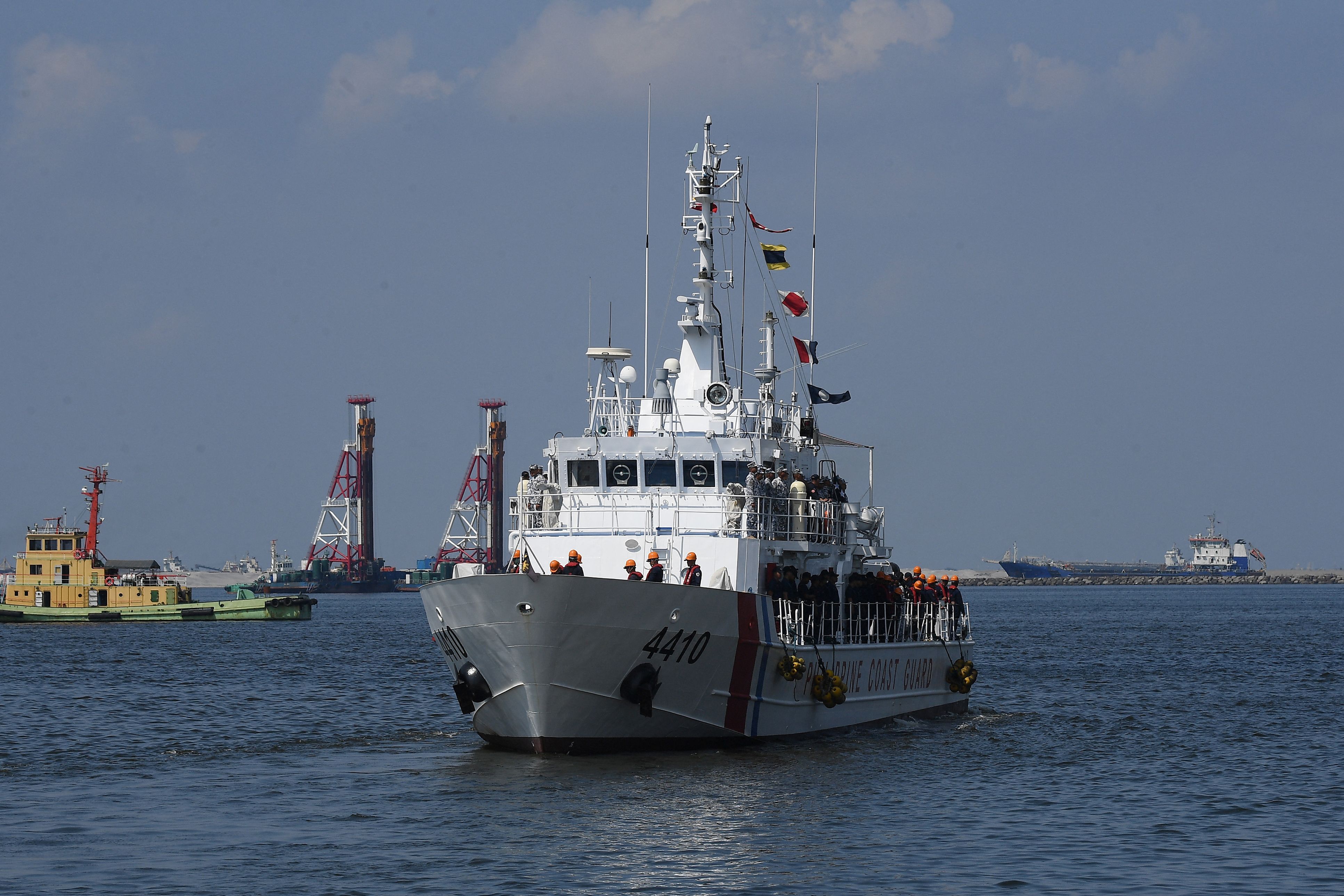
Most Southeast Asian states behave as if the actions of their Northeast Asian neighbors and the Philippines will be sufficient to maintain a regional status quo from which they can benefit.
Chong Ja Ian