

Paper
James M. Acton, Ankit Panda
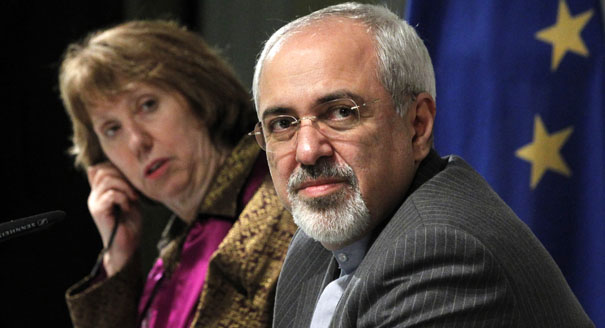
Source: Getty
The agreement reached in Geneva will slow Iran’s nuclear progress. For that reason alone it deserves support.
Critics were decrying the nascent interim agreement on Iran’s nuclear program as a sellout even before negotiations in Geneva ended. An “unbelievable Christmas present” for Iran was Israeli Prime Minister Benjamin Netanyahu’s choice sound bite. The critics argue that, instead of reaching an agreement that freezes Tehran’s nuclear progress, the United States and its negotiating partners, collectively known as the P5+1, should have held out for the complete dismantlement of Iran’s uranium enrichment activities.
This criticism is wrong. The relevant comparison is not between the Geneva deal and a perfect deal, but between this deal and no deal. Compared to no deal, the Geneva agreement advances the security of the United States and its allies and friends, including Israel.
To accurately assess the Geneva deal, four questions need to be answered. First, if Iran abides by the agreement, how much further will it be from the bomb than if there had been no agreement? Second, has the P5+1 made disproportionate concessions to get the deal? Third, if Iran violates the terms of the Geneva agreement, is its noncompliance likely to be detected? And, fourth, if noncompliance is detected, can anything meaningful be done about it?The answers to all of these questions demonstrate that the deal is a good one.
Absent the Geneva deal, Iran could expand its enrichment program rapidly and dramatically at any time it chooses. In addition to its 9,000 or so first-generation centrifuges that are enriching uranium, Iran has around 7,700 machines installed but not operating. Because some of these idle machines are of a relatively efficient second-generation design, Tehran could more than double its enrichment capability simply by switching on these centrifuges. Iran also possesses a stockpile of uranium enriched to 20 percent that could be rapidly converted into weapons-usable material.
The Geneva deal obliges Iran to give up that stockpile, to refrain from operating the idle centrifuges, and to halt the production and installation of new centrifuges. As such, it will keep Tehran a month or two away from being able to manufacture enough highly enriched uranium for one nuclear weapon. Without the deal, it could be days away from this goal by next year.
The difference between, say, six weeks and six days is critical in terms of whether the international community could respond to an Iranian attempt at breakout.
Separately, Iran is also working on the construction of the Arak heavy-water reactor, which would be particularly suitable for the production of weapons-usable plutonium. Once this reactor comes online, any possibility of a military strike on Iran’s nuclear program will disappear. Iran has now committed to stop both constructing this reactor and manufacturing fuel for it.
Of course, Iranian concessions must be weighed against what the P5+1 has given up in return. The Geneva deal involves about $7 billion in sanctions relief, which the White House argues is just a small fraction of the roughly $100 billion in Iranian foreign currency holdings that Tehran cannot currently access. Israel counters that the benefits to Tehran could be much larger if the agreement sparks the collapse of the sanctions regime.
In reality, the unraveling of sanctions would be much more likely if the United States rejected what was widely viewed as a good deal and became seen as the intransigent party.
Given Iran’s history of noncompliance with its nonproliferation obligations, it would be naive to ignore the possibility that Tehran might violate the Geneva deal. In this regard, the deal’s most significant feature is Iran’s agreement to allow IAEA inspections of facilities involved in the production, assembly, and storage of centrifuges. Such access, which the IAEA does not currently enjoy, will enable a critical aspect of the Geneva agreement to be verified. More frequent access to facilities that the IAEA already inspects—including enrichment facilities and the Arak heavy-water reactor—are also significant concessions by Iran.
Violating this accord would leave Iran in a distinctly worse position than complying with it—the benchmark for a good agreement. The United States would cease the process of thawing frozen Iranian funds if Tehran were caught violating the deal. China and Russia, which are signatories to the agreement, would probably consent to more robust Security Council sanctions—a step they have resisted. And states that have been willing to give Iran the benefit of the doubt so far would probably become more willing to exert political and economic pressure.
Ultimately, it is unclear whether the P5+1 and Iran will be able to reach a “final status” agreement given the daunting challenges ahead. However, the interim agreement reached in Geneva will prevent Iran from using complex and inevitably drawn-out negotiations as cover for advancing its program. And that will provide the political space to try to reach a long-term settlement.
Even if these negotiations fail, the Geneva agreement will have succeeded in slowing Iran’s program. For that reason, if no other, it deserves support.

Jessica T. Mathews Chair, Co-director, Nuclear Policy Program
Acton holds the Jessica T. Mathews Chair and is co-director of the Nuclear Policy Program at the Carnegie Endowment for International Peace.
Recent Work

James M. Acton, Ankit Panda
James M. Acton
Carnegie does not take institutional positions on public policy issues; the views represented herein are those of the author(s) and do not necessarily reflect the views of Carnegie, its staff, or its trustees.

China has showcased its engineering prowess with small modular reactor demonstration projects. But turning these technological achievements into commercial success will be a greater challenge.

Tong Zhao

The nuclear relationship between China and the United States is increasingly shaped by widening perception gaps rather than deliberate strategic design.
Tong Zhao
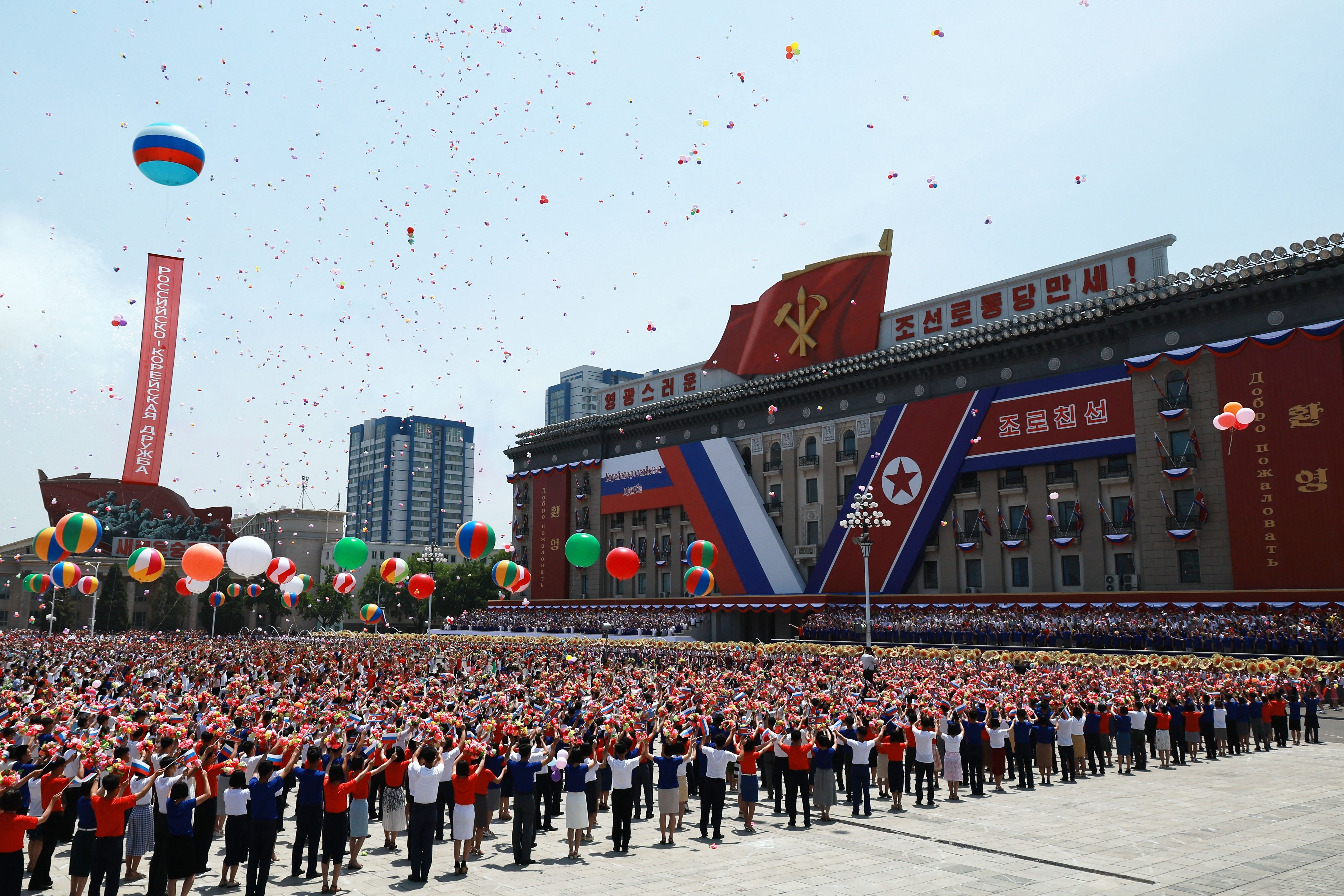
Faced with an increase in strategic maneuvering by Moscow and Pyongyang, Beijing will not sit idly by and allow Putin and Kim to shape the security environment on its behalf.
Tong Zhao
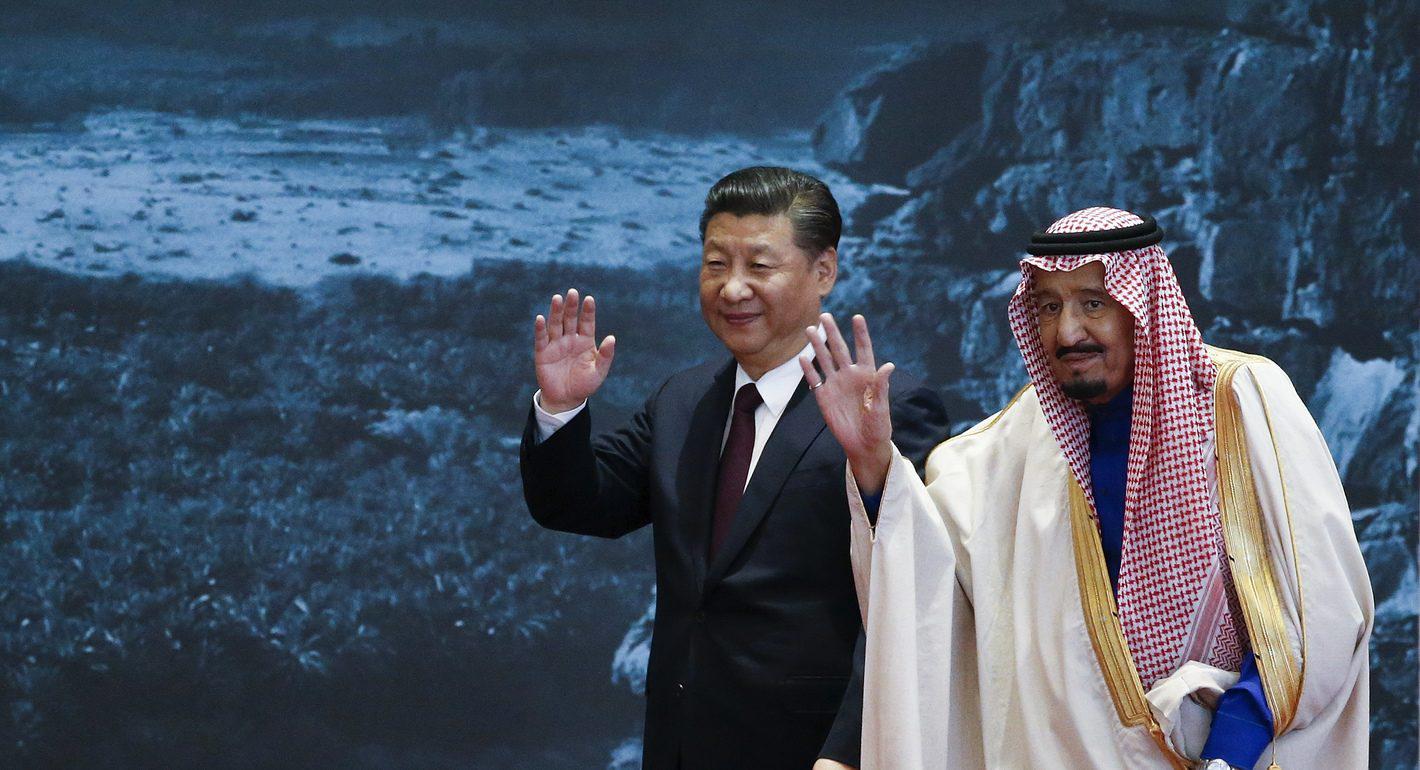
The advantage that China has over other global powers, especially America, is that its foreign policy is closely aligned with those of many of the Middle Eastern countries.


Jin Liangxiang, Maha Yahya, Hesham Alghannam

China views U.S. missile defense as posing a greater potential threat to China’s nuclear deterrent than other U.S. military capabilities.
Tong Zhao, Dmitry Stefanovich