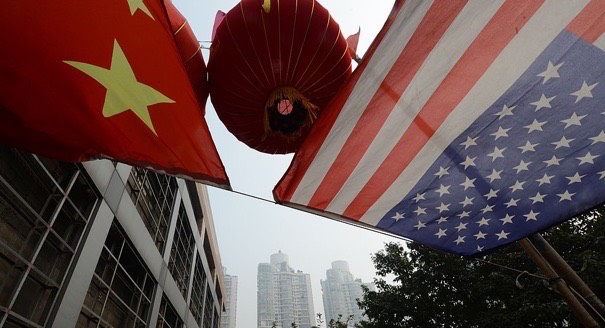
Since U.S. President Donald Trump took office, many observers have been increasingly concerned that his harsh rhetoric and unclear policy toward China may cause severe turbulence in the bilateral relationship and could even affect the world order. However, to attribute the turbulence in U.S.-China relations solely to Trump risks ignoring the important fact that the relationship has arrived at a new tipping point. At the first meeting between Trump and Chinese President Xi Jinping on April 6 and 7, substantial adjustments must be made to the respective roles and mentalities of the United States and China and bilateral communication must be improved, regardless of the identity of the U.S. president.
After U.S.-China relations were normalized in the 1970s, the United States’ perceived superiority and China’s tacit acquiescence has served as the basis for their developing relationship, but that sense of superiority began to crumble shortly after the 2008 global financial crisis and reached a new low during the 2016 U.S. presidential campaign. As the balance of power between the United States and China—as well as each country’s mentality toward the other—has substantially changed, the underlining assumption that the U.S.-China relationship is too important to fail has been called into question. China’s strong opposition—through both diplomatic gestures and policy signals—to Trump’s initial reappraisal of the long-held One China policy, his accusations of Chinese “currency manipulation” and “unfair trade policies,” and the U.S. deployment of a Terminal High Altitude Area Defense (THAAD) system to South Korea all forebode sharp geopolitical or trade conflicts between the United States and China. It is necessary that the U.S. and Chinese governments try to reach a new consensus on key issues, so as to lay a solid foundation for the stable development of their bilateral relationship.
Above all, other than make concrete arrangements on such specific issues as bilateral trade, Trump and Xi should establish a basic framework for the bilateral relationship that reassures both countries—and the rest of the world. They should demonstrate respect for each other combined with mutual sincerity in maintaining and developing the bilateral relationship, confirm that the United States has no intention to contain China’s peaceful rise and that China has no scheme to overrun U.S. regional and global leadership, and redefine the roles and responsibilities of both countries in the international system.
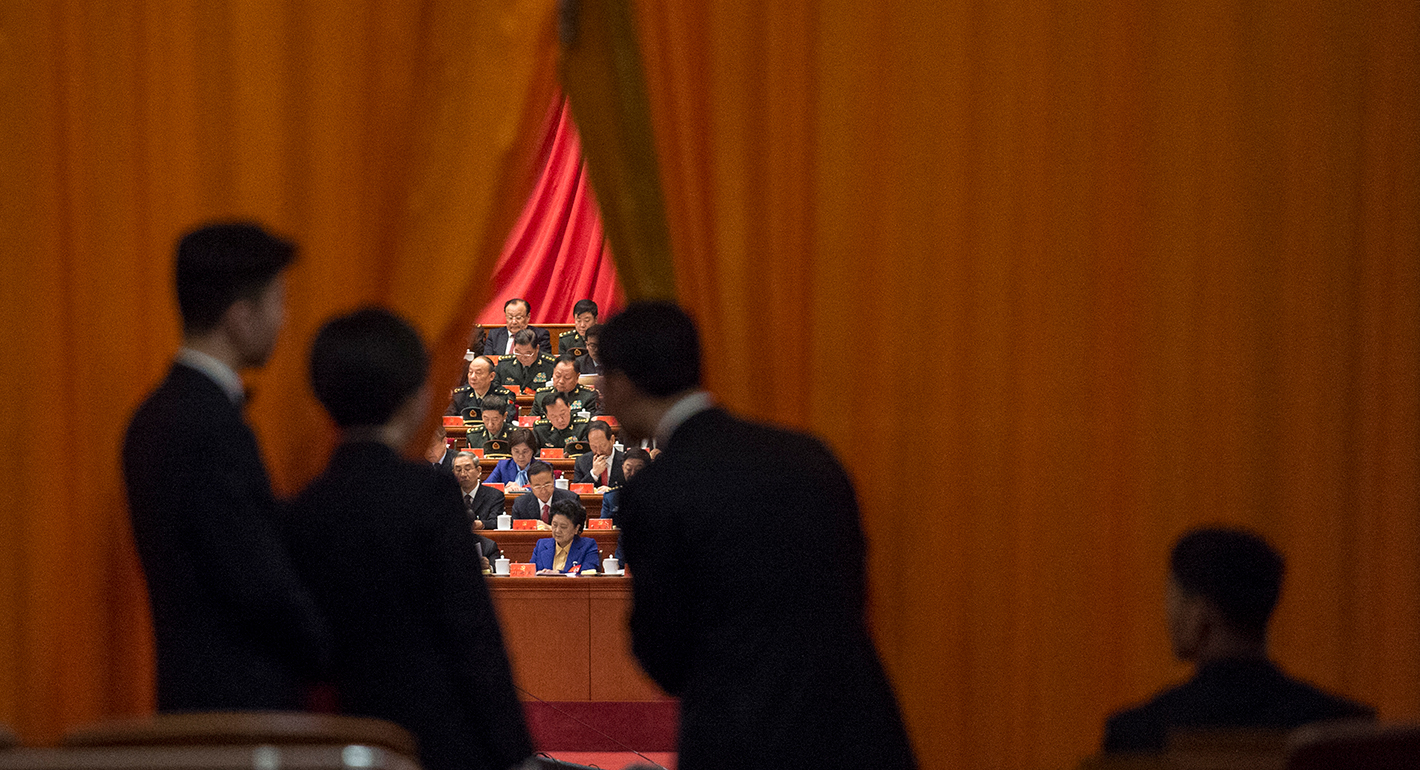
Next, both governments need to resume key bilateral platforms, such as the Strategic and Economic Dialogue, as soon as possible. It is not only disappointing but worrisome that, during the first six weeks of Trump’s presidency, no high-level exchanges on specific trade and financial issues have been conducted between the United States and China. Although many of the more-than-ninety bilateral platforms established over the past decades need a thorough reassessment (some could even be merged for maximum effect), it took a lot of time and painstaking efforts to create those platforms, and each has irreplaceable objectives and functions. It would be unrealistic to dismantle them all and build new ones from scratch. In principle, there should be more addition than reduction—that is, expanding and upgrading the existing bilateral platforms, such as the U.S.-China Joint Economic Committee, the annual meeting on maritime military security, and the high-level U.S.-China Consultation on People-to-People Exchange, instead of simply discarding them.
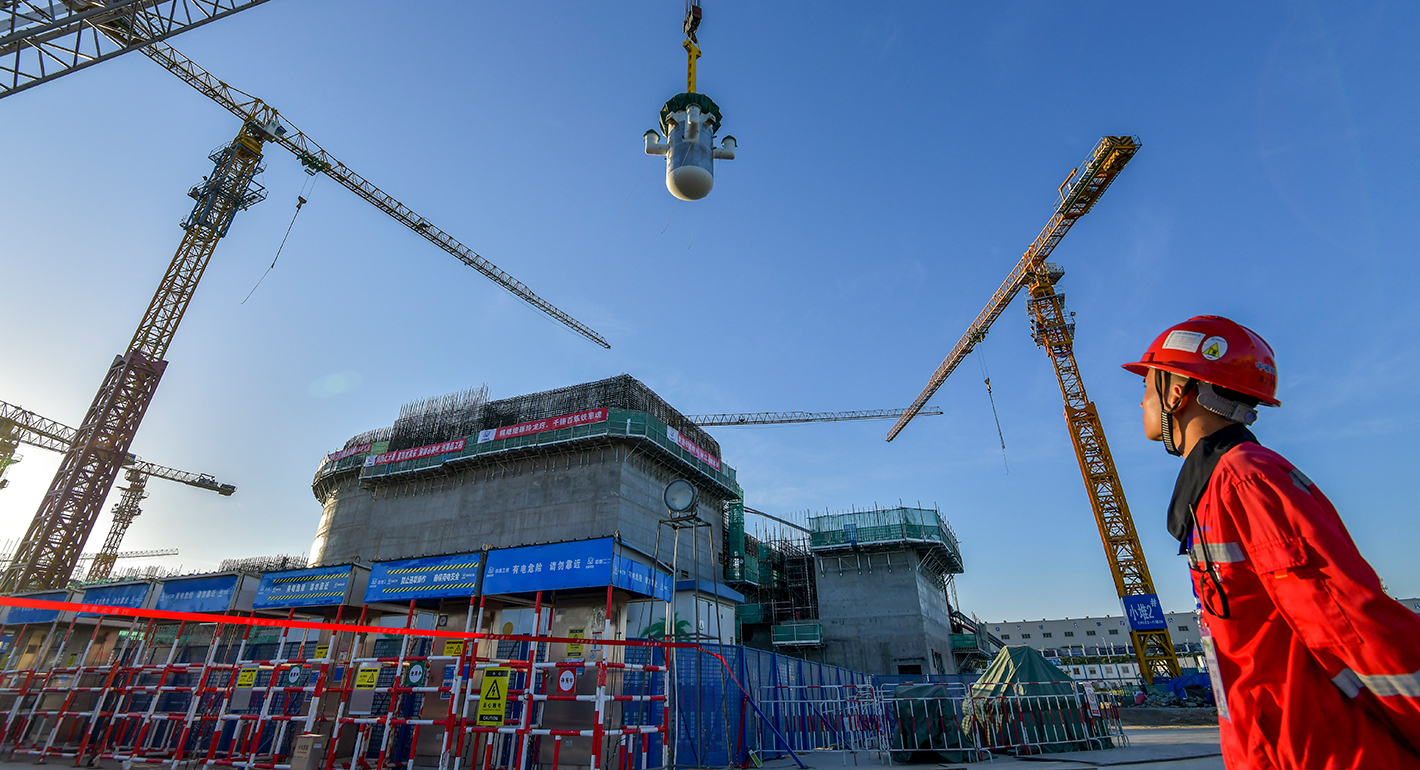
Moreover, both countries should agree to work together to maintain the world order, because a stable U.S.-China relationship is only possible within a stable international system. There is growing concern that the United States lacks confidence and may retreat from the global leadership role it has developed since 1945, while China—regardless of its growing capacity—would be unable to bear all the international responsibilities currently shouldered by the United States. Thus, it is paramount that the Trump administration takes a clear stance and enacts related policy measures that aim to reform international institutions such as the United Nations, the World Trade Organization, and the Paris Agreement on climate change rather than replace them with bilateral or even unilateral actions. Correspondingly, China should endeavor to provide more global public goods and work with the United States to foster a fair and balanced world order.
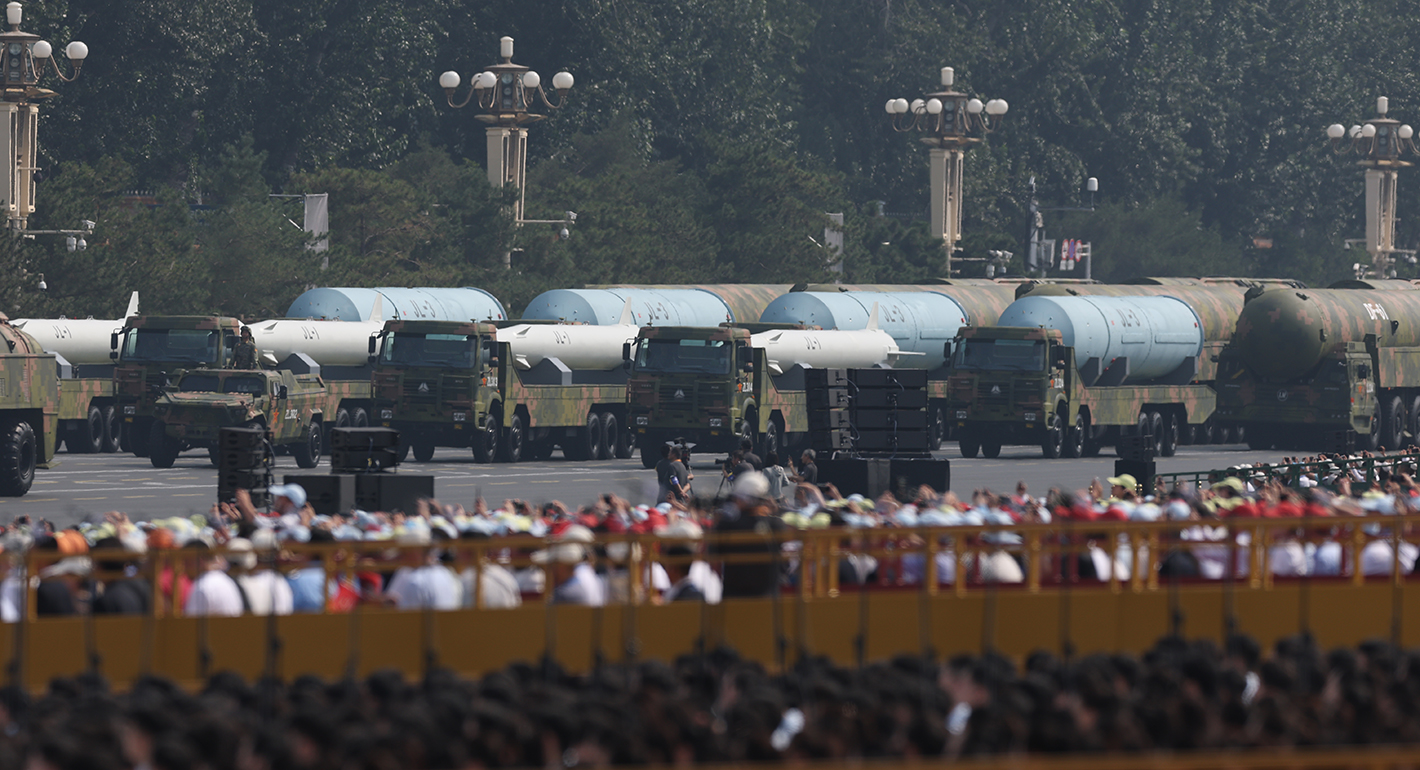
Finally, both governments must spare no effort to prevent any head-on military collisions from happening. Despite the memoranda of understanding (MOUs) on rules for accidental naval and air encounters signed by both militaries in 2014, such encounters are hard to avoid, especially as the United States conducts more military operations on China’s eastern and southern periphery. Reportedly, a Chinese military aircraft and a U.S. Navy P-3 plane came as close as 1,000 feet from each other over the South China Sea in early 2017, in addition to two similar encounters in 2016. The loss of a life in a military collision would be a much bigger shock to the domestic public than the loss of billions of dollars in trade and, thus, would take much more to remedy. If a military incident like that were to happen, the U.S.-China relationship would be bound to experience severe setbacks. Therefore, both countries must resume military consultations and exchanges promptly, while strictly abiding by their MOUs regarding mutual reporting on major military maneuvers and rules for accidental naval and air encounters, as well as refraining from launching new military operations.
Trump’s harsh rhetoric toward China seems to reflect the United States’ lack of confidence and changing mentality rather than the shrewdness and caprice of the president himself. Although no serious trade, financial, or security conflicts have happened between the two countries since Trump took office, complacency is dangerous. The U.S.-China relationship has arrived at a critical point of readjustment, where a vague sense of national futures and great-power responsibilities may result in escalating confrontation and even acute conflicts triggered by a single bilateral or international incident. If Xi and Trump agree to write the core principles of “no conflict, no confrontation, mutual respect, and win-win cooperation” into a new strategic framework for the U.S.-China relationship at their meeting in April, it would benefit not only people of both countries but the entire world.
Zhang Zhexin is a research fellow at the Center for Asia-Pacific Studies, Shanghai Institutes for International Studies. He is deputy editor-in-chief of China Quarterly of International Strategic Studies.