

Commentary
Alper Coşkun
Source: Getty
Turkey should strive to balance its status as a major exporter of drones with careful adherence to best practices and norms on arms sales and export controls.
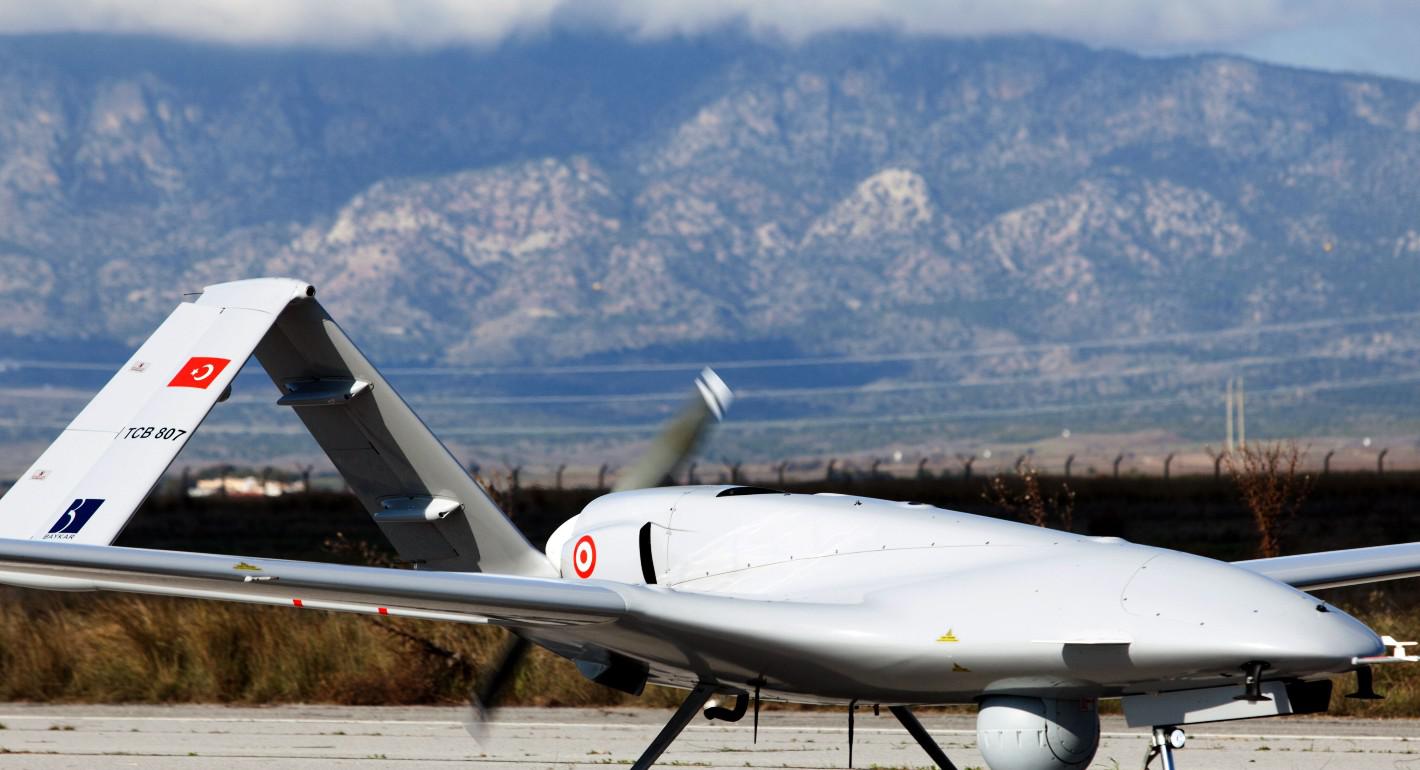
Drones are quickly becoming the weapon of choice for many states and, worryingly, even for nonstate actors. They are relatively cheap and have proven to be very effective both in offensive and defensive operations. Turkey has been capitalizing on the noteworthy performance of its domestically produced drones in operational theaters ranging from Syria and Libya to the South Caucasus as Ankara seeks to steadily increase the number of drones it sells to other countries.
But this success has come at a price—Turkey is drawing international attention, and at times attracting criticism, over its drone export policies. The latest example was in December 2021 when the United States reportedly expressed humanitarian concerns over the use of Turkish drones in Ethiopia, where conflict between the government and fighters in the region of Tigray continues with severe implications for the civilian population. According to unofficial reports, Turkey brushed off this criticism by highlighting its engagement with all parties involved to help resolve the conflict and pointing out that Ankara attaches humanitarian provisions to its arms sales.
Simply dismissing such criticism is an inadequate approach for the Turkish government on this growing issue. Turkey needs to take concrete steps to consolidate its image as a responsible drone exporter in a manner that strengthens its prospects in a competitive market. It can do so first and foremost by being more transparent about its drone transactions. Doing so would help preclude speculation about Turkey’s actions, and such a step can be complemented by due diligence measures such as strict adherence to relevant multilateral export control regimes and the formulation of a national code of conduct with principles to guide drone transfer policies. Turkey can go even further by invigorating debate among NATO allies on drone technologies and warfare.
The global demand for both military and civilian applications of drones is rising. Some forecasts envisage that the market for military drones will grow from nearly $11.3 billion in 2021 to about $26.1 billion in 2028. The expanded use of drones for tasks ranging from intelligence gathering and surveillance to border management, as well as their flexible utility in counterterrorism and combat operations, is expected to fuel this demand. The successful integration of advancements in data management and artificial intelligence into drone technologies, described as a “renaissance” in the sector, is making this trend even more potent. Turkey has its eyes on this market and is trying to stay ahead by introducing new-generation drones with advanced capabilities that harness these developments.
The wide array of drones that Turkish manufacturers have developed has become the face of Turkey’s growing national defense industry. The Turkish arms exports sector, which had been traditionally driven by small weapons and armored personnel carriers, has now diversified to include drones, missiles, frigates, and other high-end weapons systems, with prospects for submarine sales developing on the horizon. Consequently, Turkey’s defense and aerospace equipment exports have more than doubled since 2012, exceeding $3 billion in 2021 (see figure 1). According to a December 2020 report from the Stockholm International Peace Research Institute, Turkey jumped up six spots on average in global rankings of arms exporters, landing just outside the top dozen countries from 2015 to 2019 after coming in at nineteenth over the previous five years.

This upward trend has become a source of pride in Turkey particularly against the backdrop of Ankara’s deteriorating relations with its allies and traditional defense industry partners in the West, such as the United States. Turkey’s ruling party, the Justice and Development Party (AKP), often uses this talking point for domestic consumption and to showcase what it touts as a remarkable success story. This trend is presented as proof of Turkey’s unstoppable rise, despite what those in government circles like to pointedly describe as relentless disruptive efforts orchestrated by outside forces—an argument that gets some traction internally but fails to impress observers outside of Turkey.
At times, the narrative around this trend is also burdened by exaggerated acts of propaganda. A blatant example of this is a short film named “Decoded: Turkey’s Drone Power,” which was prepared in English by an international news channel called TRT World run by the national broadcasting company, the Turkish Radio and Television Corporation. The film was aired after the 2020 war in Nagorno-Karabakh between Azerbaijan and Armenia. The effects of Turkish drones in the forty-four-day conflict in the South Caucasus were aggrandized in this program under the chyron display: “Turkish drone power is heating up frozen conflicts.” This careless slogan was nothing short of self-incriminating for Turkey and did not contribute to its image as a force for good.
Populist rhetoric of this nature conveniently overlooks various lingering vulnerabilities in Turkey’s defense industry related to a continuing reliance on foreign technologies for certain components. And while this is at times a debilitating nuisance, it is also clear that Turkey has made considerable headway in developing its national defense industrial base with good prospects for the future.
Selling weapons is a lucrative, yet risky, business. Source countries can suddenly be drawn into the limelight, facing a host of difficult questions, such as what level of scrutiny they employ in exporting arms.
Turkey experienced this boomerang effect after Ukraine used a Turkish-made drone on October 26, 2021, to suppress a howitzer artillery targeting its forces. Ukrainian officials announced that they had done so after repeated shelling from the howitzer had claimed the life of one Ukrainian serviceman and injured another. Ukrainian President Volodymyr Zelensky said it was an act of self-defense that came after multiple Ukrainian warnings had been disregarded. He was fending off Russian criticism, as well as concerns expressed by Germany and France.
An indignant Russia called on the Swedish chairperson of the Organization for Security and Cooperation in Europe to react to what it described as an open violation of the Minsk agreements, which were crafted to bring an end to the conflict. Meanwhile, Russian presidential spokesperson Dmitry Peskov took aim at Turkey and said that Moscow had previously shared its concerns with Ankara over the sale of the drones to Ukraine. Peskov bitterly concluded that the attack had validated the Kremlin’s worries over the destabilizing effects of these weapons in the region.
Turkish Foreign Minister Mevlüt Çavuşoğlu rejected this criticism. He argued, “the drones may have been manufactured in Turkey but after . . . [they were sold], they belong to Ukraine. They cannot be referred [to] as Turkish weapons.” He went on to say that Ukraine “should stop mentioning (Turkey’s) name.” This was a peculiar line of defense. More importantly, it contained several pitfalls for Turkey.
First, while it’s true that the drone in question belongs to Ukraine and that Kyiv alone has discretion over its use, the proposition that suppliers can wash their hands of any responsibility after an arms sale is another matter. This interpretation would contradict the spirit of responsible behavior underlying export control mechanisms that Turkey is a party to and professes to abide by. Moreover, for years Turkey has gone on the record to criticize others, including its allies, when weapons produced in their countries have somehow turned up in the hands of the Kurdistan Workers’ Party (PKK), which is listed as a terrorist organization in Turkey, the EU, and the United States. As a country that has consistently pointed fingers at others like that, Turkey needs to be more careful about recklessly trying to deflect blame from itself.
Second, there is the matter of timing. For some time now, Turkey has been perceived as having assumed a more militarized posture in its foreign policy. Among other things, this has led to increasing scrutiny of Ankara’s use of drones, as well as of the degree of careful judgment it exercises while exporting them. With so many eyes on Turkish drones, Ankara’s rhetoric matters more than ever. Casual dismissals of responsibility will not carry much weight and will most certainly fall short of shielding Ankara from skepticism over its policies and intentions.
Third, ducking criticism by coldly pointing at Ukraine, an emerging strategic partner for Turkey in defense industry cooperation, was simply not prudent. The optics of this decision were negative and may have raised concerns in Ukraine over the resilience of its emerging partnership with Turkey.
Two conclusions can be drawn from this picture. First, senior Turkish officials should be better prepared for contingencies involving the use of Turkish drones by third countries. More broadly, Ankara needs to concentrate on its narrative and practices surrounding drone sales by not simply highlighting their operational worthiness but also addressing what degree of due diligence Turkey employs in exporting them. Implementing a well-structured policy framework that is guided by respect for international law and supported by consistent public messaging would strengthen Turkey’s hand against criticism. Perhaps even more importantly for Ankara, such an approach could help dispel any stigma about its drone exports, thus protecting and advancing the reputation and appeal of Turkey’s defense industry in general.
Turkey’s success in developing drone technologies in recent years is overwhelmingly seen both in official circles and among the wider public in Turkey as the result of an uphill struggle, including against the country’s closest allies who have not been forthcoming on defense industry cooperation or technology sharing in general. This perception has created a certain disillusionment in Turkey toward its traditional Western partners. It has also led to an accompanying sense of technonationalism, enhanced self-confidence, and a strong reflex to jealously guard Turkey’s technological achievements and know-how.
Turkey’s aspiration to establish itself as a drone power and the interest it has generated among an ever-growing number of potential buyers present Ankara with a conundrum: how can it retain the image of a responsible international actor in terms of its policy on drone transfers to third countries, without inhibiting its competitive edge in a demanding market?
This is not a challenge unique to Turkey. Currently, there is no dedicated international framework that sets global norms for the sale and transfer of drones. Former U.S. president Barack Obama’s team made some efforts during his administration, including through the introduction of a national policy in 2015 that reinforced U.S. obligations under the Missile Technology Control Regime (MTCR). The MTCR entails a “strong presumption of denial” in the sharing of missile technologies based on categories related to range and payload. But efforts aimed at shaping an international framework for drone sales proved to be fruitless, and meanwhile the Obama-era policy subsequently was relaxed in 2019 under former president Donald Trump to facilitate the export of drones by U.S. companies. There are reports that President Joe Biden’s administration is conducting a review of arms control policies, with the idea of making a connection between arms sales and human rights, while at the same time highlighting the importance of promoting transfers that align with the interests of the United States.
It wouldn’t be realistic to expect Turkey to employ self-restraint in its drone sales in a way that unfairly disadvantages it against other suppliers. Yet some thinking on how to ensure the responsible and lawful use of Turkish drones could help build a credible image around Turkey’s burgeoning technological achievements and at the same time add to their appeal.
The Turkish government should take four steps: increase transparency, abide by export controls, formulate a code of conduct, and spark debate among the members of NATO.
Turkey’s readiness to take such a step would be very timely in the run-up to the upcoming NATO summit, which will take place in late June 2022 in Madrid, Spain. Turkey’s willingness to spur a conversation among NATO allies on drones would be particularly apt given that the role of technology and automated weapons systems in modern warfare features prominently as a topic in ongoing debates within NATO, including around the formulation of a new strategic concept. NATO’s new strategic concept will guide the alliance into an era in which, according to Secretary General Jens Stoltenberg, wars will be “defined by bytes and big data as much as by bullets and battleships.”
Such an initiative would carry strong appeal for Turkey’s NATO partners given Ankara’s recent operational experiences with different types of drones, but it also would constitute a meaningful sign of Turkey’s desire to work closely with its allies. By extension, after the recent Turkish request to purchase forty U.S. F-16 fighter jets and twice as many modernization kits for some older planes, this step would also reaffirm Turkey’s readiness to stay the course in its relations with its traditional Western partners.
Turkish drones have made a name for themselves in the past couple of years, and the prospects for this trend to continue are favorable, as is the likelihood that Turkey can expand its defense industrial base and export opportunities. The start of such an upward trajectory is the right moment for Turkey to focus internally on strengthening and solidifying the right domestic policy culture and on building a sound international reputation for its arms transfer policies.
Turkey’s ability to strike the right balance in the tug of war between ethical and commercial considerations that is inherent to arms sales will shape its developing image as a weapons supplier. This challenge has already manifested in the increasing use of Turkish drones by third countries. Turkey should draw the right lessons from these experiences: even as Ankara pursues opportunities to expand its share in a growing market, it should concurrently leverage the momentum it has gained to bolster Turkey’s standing as a responsible international actor and principled NATO ally. These two objectives are not mutually exclusive.

Senior Fellow, Europe Program
Alper Coşkun is a senior fellow in the Europe Program and leads the Türkiye and the World Project at the Carnegie Endowment for International Peace in Washington, DC.
Recent Work
Alper Coşkun
Alper Coşkun

In the latest Five-Year Plan, the Chinese president cements the shift to an innovation-driven economy over a consumption-driven one.

Damien Ma
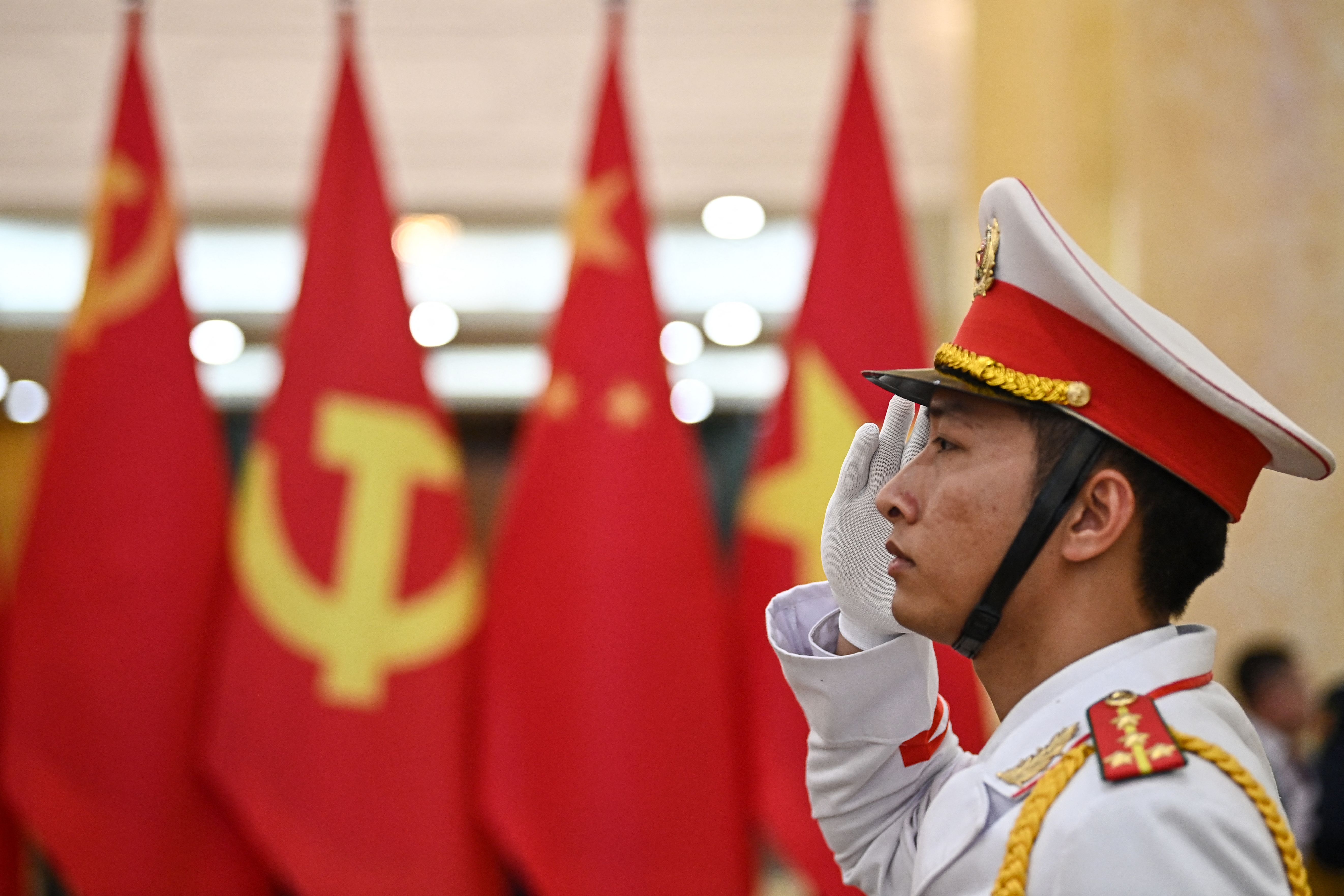
In July 2025, Vietnam and China held their first joint army drill, a modest but symbolic move reflecting Hanoi’s strategic hedging amid U.S.–China rivalry.

Nguyễn Khắc Giang

Rather than climate ambitions, compatibility with investment and exports is why China supports both green and high-emission technologies.

Mathias Larsen
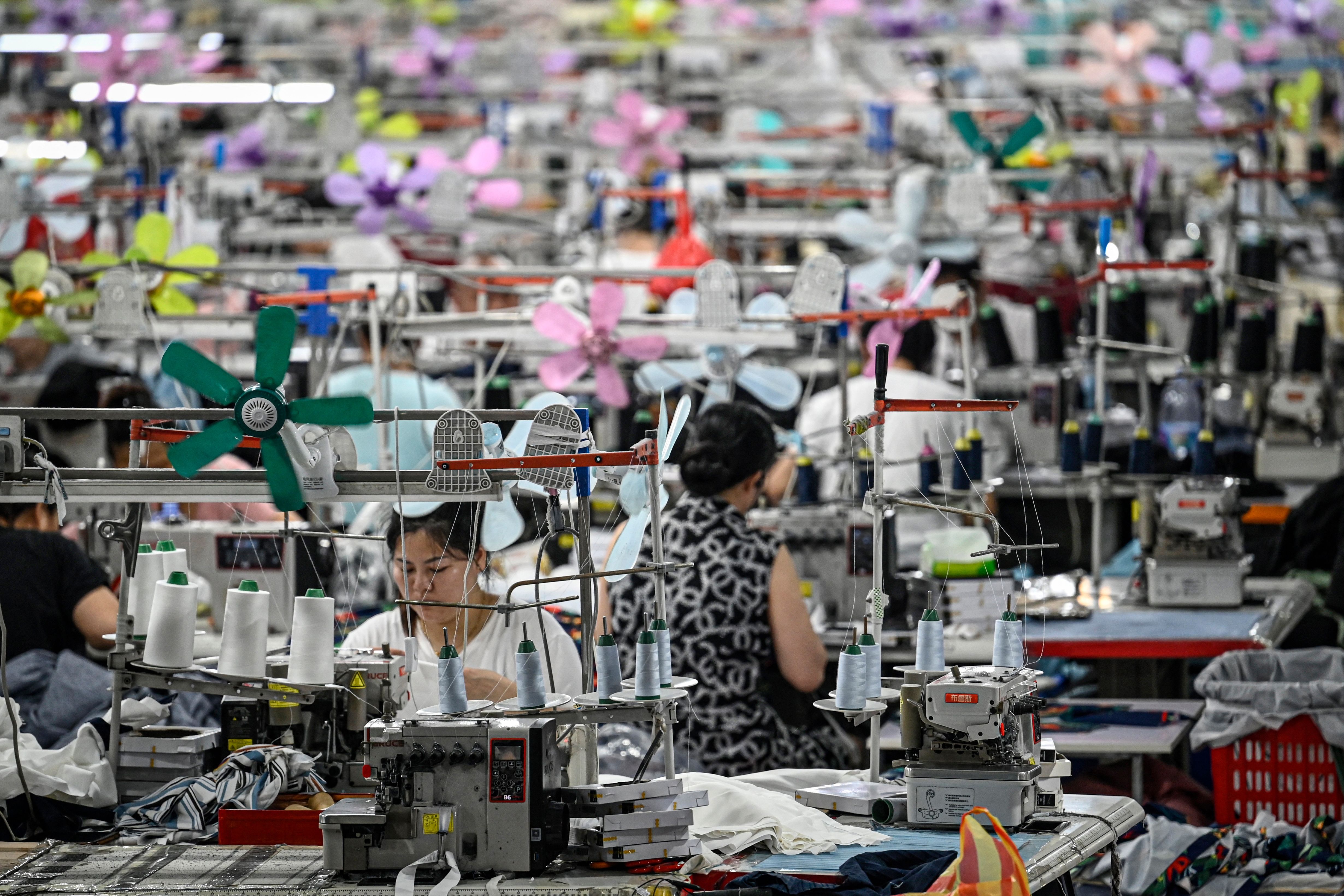
“Involution” is a new word for an old problem, and without a very different set of policies to rein it in, it is a problem that is likely to persist.

Michael Pettis

While China's investment story seems contradictory from the outside, the real answers to Beijing's high-quality growth ambitions are hiding in plain sight across the nation's cities.

Yuhan Zhang