

Commentary
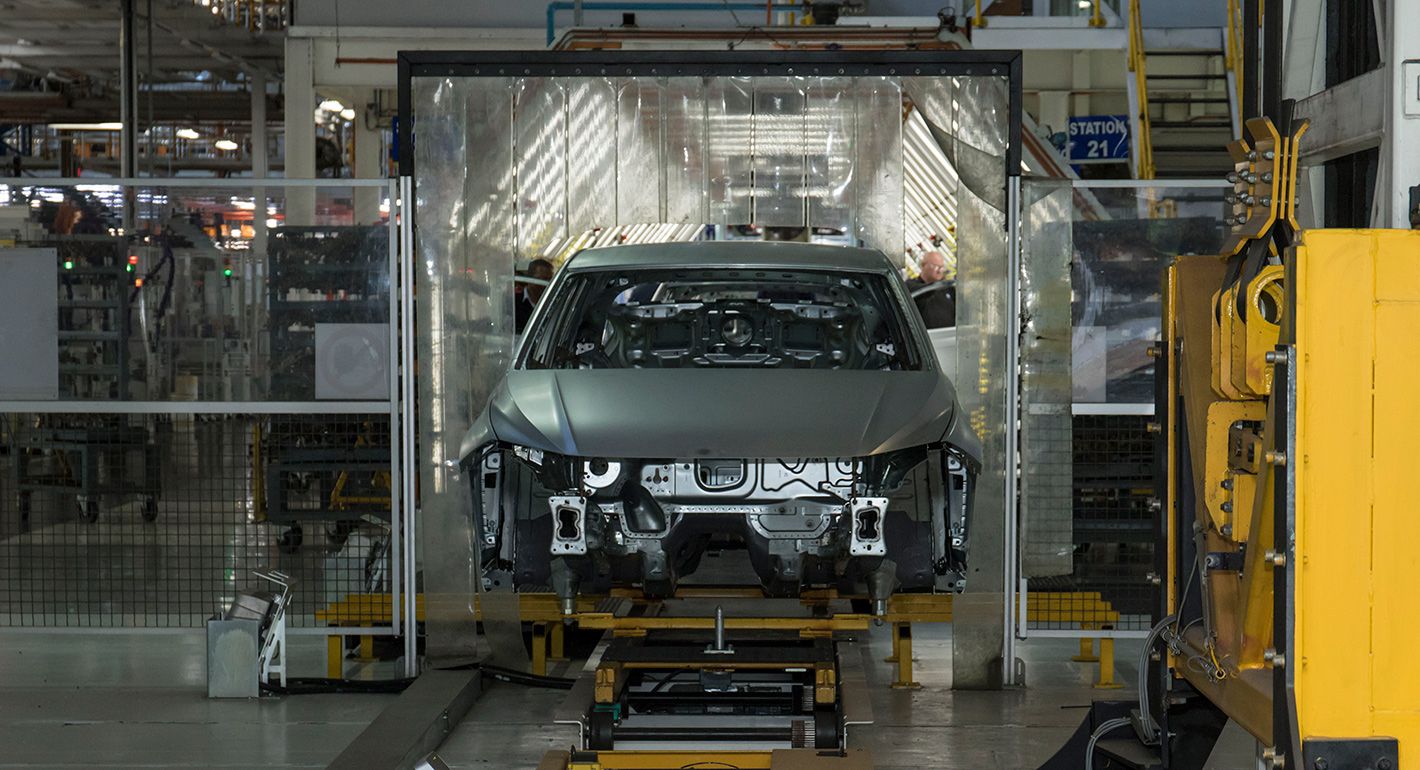
In the latest Five-Year Plan, the Chinese president cements the shift to an innovation-driven economy over a consumption-driven one.
Damien Ma
Source: Getty
German manufacturing firms in Africa add value, jobs, and skills, while benefiting from demand and a diversification of trade and investment partners. It is in the interest of both African economies and Germany to deepen economic relations.
Industrialization has played a central role in shaping the economic and social structures of developed and newly developing economies, serving as a key engine of structural change.1 Acquiring the capability to produce a widening array of goods and services is essential for structural transformation, as is the expansion of sources of production, employment, trade, and revenue beyond primary commodities.2 Over the past three decades, however, structural change in many African economies has not been accompanied by increased productivity growth and quality jobs, as labor has largely transitioned from rural subsistence agriculture to informal services in urban centers.3 Strong periods of growth between 2005 and 2015 in many African economies have not led to higher per capita incomes.4
Given the comparatively low income levels and domestic savings rates across African economies, external capital and technology inputs are needed to spur growth and transform the industrial base.5 Africa’s share of global foreign direct investment (FDI) inflows has increased from less than 1 percent in 2000 to 3.5 percent today.6 A recent analysis of FDI and structural transformation in Africa shows that the presence of FDI in Africa is correlated with an increase in employment and a shift in the composition of the workforce toward modern sectors and higher-skilled occupations.7
But the effect of FDI on structural transformation depends on the characteristics of the investment, whereby investments in extractive industries are not found to be associated with structural change, while manufacturing FDI projects are.8 Unfortunately, FDI stock in African economies is still dominated by extractive industries and primary products. Some of Africa’s largest foreign direct investor countries, France and the UK, invest mostly in commodities and to a lesser extent services. China’s direct investments in Africa are dominated by mining and construction. On the contrary, the majority of German FDI stock in Africa is in manufacturing.9
Because of relatively low levels of productivity and industrialization, African economies face enormous potential for growth through structural change. Manufacturing can raise living standards, especially if large firms increase their linkages with and the productivity of smaller firms.10
One way forward is for African countries to attract “quality” FDI, characterized as contributing directly and indirectly to higher value addition and formal jobs, facilitating industrial learning and technology transfer through linkages with the local economy, and boosting skills.
One way forward is for countries to attract what is called “quality” FDI. Quality FDI is characterized as contributing directly and indirectly to higher value addition and formal jobs, facilitating industrial learning and technology transfer through linkages with the local economy, and boosting skills. Multinational enterprises that establish local affiliates can play a key role in creating larger firms, providing employment, and transferring knowledge.11 Given the important role quality FDI plays for structural transformation,12 and the desire of African policymakers to attract investments and diversify sources of FDI toward more value-adding industries, we ask the following question: What is the potential for a mutually beneficial and complementary “match” between Africa’s need to increase sources of FDI and the strategic needs of German firms seeking new growth markets? The hypothesis is that Germany can be a source of quality FDI in transformative sectors that advance structural transformation in African economies. These include not only manufacturing but also enabling sectors such as transportation and utilities, including electricity, energy infrastructure, and logistics. Increased German FDI could contribute to accelerating structural transformation in African host economies through three channels:
Why is this paper relevant now? The German economy is now more than ever scrambling for additional trade and investment partners, cheaper and cleaner sources of energy, and diversified sources of raw materials. The geopolitical structural shift that started with the Russia-Ukraine war and deepened with the second election of U.S. President Donald Trump (and specifically the uncertainty around the U.S. tariff regime) puts Germany and Europe in a position where they need African economies more than ever.
This position is reinforced by three trends.
Germany has learned the lesson that in a world of increasing geopolitical competition, concentrating value and supply chains in a few markets has placed firms at increased risk of disruption: Its current economic malaise traces back to its dependence on Russia as a cheap source of gas and China as a source of critical raw materials and a large consumer market. Weaning itself off Russian gas and Chinese demand,13 given China’s capability and capacity to produce automotives and advanced machinery domestically, German industry has stagnated since 2022. To make matters worse, recently introduced tariffs by the United States will hit German industries hard, specifically the automotive, machinery, and pharmaceuticals sectors. In 2024, the United States was Germany’s largest export market, accounting for over 10 percent of total exports.14
While Germany has seen the lowest growth rates between 2022 and 2024 among G20 countries, Africa is home to six of the ten fastest-growing economies in the world.15 While Germany has been suffering from a severe labor shortage at home with the working age population falling, Africa’s population is projected to increase from 1.4 billion in 2024 to just under 4 billion by 2100,16 with Nigeria’s population alone projected to surpass that of the United States before 2050 and, according to some estimates, that of China by 2100.17 Africa’s middle class has tripled in size in the past thirty years, representing not only a growing and educated labor force but also a growing source of demand for more sophisticated goods and services.18
German industry was hit by high energy prices between 2021 and 2024,19 as well as fewer sources of energy due to geopolitical conflict and climate mitigation efforts. On top of phasing out imports of Russian gas and domestic coal production, the government shut down the remaining nuclear power plants in 2024. Despite the rapid expansion of solar and wind power capacity and building of liquefied natural gas terminals to scale up natural gas imports from the United States or the Gulf region, German industry continues to suffer from some of the highest electricity costs globally. Contrary to public perception, all African economies, with the exception of Mali and Somalia, enjoy lower electricity costs than Germany.20
These three trends have led German policymakers and industry leaders to scramble for new markets. German firms have been actively diversifying risk by increasing the number of countries where they source their raw materials and intermediate products and increasing the number of countries where they sell their products. African economies have a skilled and growing labor force and middle class, abundance of renewable energy and critical raw materials, and preferential trade agreements with the EU, and they can present ideal export and investment markets for German industry.
Through statistics, institutional analysis, and focused interviews, this paper attempts to reduce the information deficit that African policymakers and German investors suffer from, often resulting in a biased risk perception on behalf of German investors. Our strategy for reducing the information deficit for both parties, and laying out the required policy measures, is to present an array of evidence from a variety of sources to support our argument regarding the mutually beneficial gains of increasing German FDI (GFDI) in African economies.
The first section of the paper delves into Germany’s industrial model and examines why it positions the country as an ideal source for high-quality manufacturing FDI to Africa. The next section lays out the trends and patterns of GFDI flows and stock, as well as their sectoral distribution across African economies, which previous research has not addressed. The following section complements this assessment through qualitative interviews with manufacturing industry stakeholders to identify how German investments are contributing to structural transformation through local value addition, technology transfer, and skills building and provides sector-specific policy recommendations. The paper concludes with broader policy recommendations.
Germany is the world’s third-largest economy. It is Europe’s largest economy and, by a significant margin, its leading manufacturer, exporter, and driver of outward manufacturing FDI.21 Yet, this German manufacturing FDI has not been very prevalent in African economies. Germany has three things many African economies need: a high share of manufacturing output, a large number of productive and innovative firms, and a relatively unique technical and vocational education and training (TVET) model.
Germany’s manufacturing value added as a share of gross domestic product (GDP) is more than two times that of the UK, Canada, or France (see figure 1). Germany continues to compete with the United States for the number two position of world leader in merchandise exports, despite being a much smaller country. Despite recent fears and debates about Germany deindustrializing, Germany has managed to maintain relatively constant levels of manufacturing output: The manufacturing share of GDP remains just below 20 percent, compared with around 10 percent in the United States, UK, and France (see figure 1).22
Germany’s competitive advantage in manufacturing high-quality products results from the distinct nature of its industrial organization. One element of this distinct industrial organization is the German Mittelstand.
The Mittelstand—a composite of mittel- (middle) and Stand (sector or class)—comprises a multitude of small- and mid-sized enterprises making up 99 percent of firms in Germany and 96 percent of exporters. While criteria for defining the Mittelstand vary, according to most definitions, it encompasses firms with an annual revenue between $50 million and $1 billion. More importantly, these firms share common characteristics: The term is applied to privately held firms, and over 50 percent pass on management to the next generation in the family.23 This incentivizes business models that aim for long-term, multigenerational survival, rather than short-term maximization of profits or company value.
Being family-owned, Mittelstand firms generally lack access to capital markets and hence focus on niche markets or specialized products with less competition and capital expenditure. Eighty-five percent of them operate in the business-to-business (B2B) market, producing anything from industrial adhesives to machine tools. Incentivized by multigenerational ownership, they often allocate substantial resources to research and development, enabling them to deliver high-quality, tailored products and to constantly adapt to evolving market dynamics. These characteristics, combined with the German trademarks of reliability, safety, and durability, allow German Mittelstand companies to enjoy an average global product market share of around 50 percent.24
A second and related element of Germany’s industrial competitiveness is the export orientation of its firms, which has positioned Germany as a significant beneficiary of globalization. German firms, including the vast Mittelstand, hold a dominant presence in traditional medium- and high-tech sectors—particularly in industries related to investment goods, such as industrial machinery and B2B goods, as well as durable consumer products, such as cars and home appliances. This profile aligns effectively with the demands of rapidly growing emerging markets. Thanks to the rise in living standards and disposable income, as well as significant domestic investments by emerging markets in their industrial capacities, German firms have thrived especially across Asia and Latin America, with many firms securing leading positions in their respective market segments.25
While German firms serviced this rising demand in emerging markets through exports until the 1990s, production in Germany could not keep up with the rapidly growing demand—especially in China. Therefore, German manufacturing companies resorted to FDI as a dominant strategy to access global markets and began scaling up production and setting up shop in emerging markets.26
While German FDI remains concentrated in Europe and North America, the past thirty years have seen a noticeable increase in FDI to emerging markets.
While German FDI remains concentrated in Europe and North America, the past thirty years have seen a noticeable increase in FDI to emerging markets (see figure 2).27 China—a large source of demand for German products—has become a key destination for market-seeking FDI, while Eastern Europe, with its relatively low labor costs compared to Western Europe, has emerged as a suitable location for efficiency-seeking FDI (where firms produce cars and machines destined for EU customers).
These shifting production patterns have allowed German firms to reduce costs, adapt products to local markets, and circumvent trade barriers. This has been crucial for maintaining German industry’s competitiveness in the global economy.
The third element of Germany’s industrial organization that accounts for its manufacturing strength is the existence of a highly skilled workforce. The nationwide TVET system is based on formal education and apprenticeships and is built on collaboration between employers’ associations and trade unions organized at the sectoral level. It prepares the manufacturing workforce relatively early in the education system compared to other countries. Secondary school students undergo a two-to-three-year apprenticeship at a firm, where they work three to four days a week learning industry-specific skills and spend the remaining time at a part-time vocational school, where they receive theoretical training. Companies sign contracts with young people under private law and provide them with an hourly wage just below that of an entry-level worker. The contents of the curriculum and the supervision are the responsibility of the firm, with active monitoring by the industrial chambers of commerce and state governments to ensure training is in accordance with national occupational standards. Industry chambers ensure that the apprentices receive final state-approved certification. Firms contribute about two-thirds of the overall costs and support vocational training systems as these ensure professional formation in line with their interests. This system, internationally viewed as a successful way of training those leaving school, has been responsible for low levels of youth unemployment and a highly skilled manufacturing workforce.28
Given Germany’s unique industrial model, there is potential for an increased role of German industry as a supplier of investment and consumer goods in Africa. Within the context of African needs for precisely the kind of manufacturing FDI that Germany offers, the partners should consider not just exports but local production—that is, market-seeking FDI.
German FDI is not unique. But the characteristics of German FDI offer great opportunities for African economies to accelerate structural transformation, as it is more likely to be job-intensive and generate productivity-enhancing spillovers than investments from peer countries. Furthermore, it usually comes with intensive TVET.
First of all, over 55 percent of Germany’s outward FDI stock in Africa is in manufacturing, compared to less than 15 percent of Chinese, British, American, or French FDI.29 A high share of manufacturing contributes to higher employment generation: German FDIs in Africa are more job-intensive than investments from the United States, China, France, South Africa, the UAE, and Great Britain: While a $1 million FDI from the United States or China results in 2 and 1.9 jobs respectively, the same investment from Germany creates 4.6 jobs (see table 1).30
Manufacturing FDI also has indirect effects: It can lead to within-sector productivity growth by increasing domestic firm capabilities through technology transfer and industrial learning.31 Backward linkages (in other words, the economic relationships where a company sources its inputs from another company) can stipulate not only demand but also firm productivity: Research shows that firms supplying multinational enterprises improve local firms’ productivity and access to markets.32 As a multinational enterprise enters a supplier or subcontractor relationship with a domestic firm, advanced production technology, product quality, managerial knowledge, and business practices get transferred from the global firm to the local firm.33 This increases productivity of domestic firms and therefore economy-wide productivity. While there is no academic literature documenting knowledge and technology transfer between German multinationals and local suppliers and subcontractors in Africa, research suggests that firms that share similar characteristics to Germany’s Mittelstand are more likely to generate spillovers: Medium-sized firms are more likely to boost regional innovation than large multinationals and tech giants, because they are more likely to spread their knowledge and ideas beyond their firm, hire local workers, and send former employees back to the job market.34 Later, the paper provides case studies across several manufacturing industries documenting technology transfer through GFDI.
Finally, through partnerships with local governments, educational institutions, and private sector companies, Germany’s dual apprenticeship system can help to support the transfer of technology, knowledge, and skills that are necessary for structural transformation. While no study exists analyzing the effect of German businesses’ TVET programs in Africa specifically, studies show how the German dual TVET model has transformed the skill formation system in other countries, such as Mexico, and contributed to knowledge-based production.35 China, India, Brazil, and Vietnam have received policy transfer, guidance, and support from Germany to develop a dual TVET system.36 The successful transfer of this system into a local context is dependent on cooperation with local institutions, such as industry chambers and education bodies, as well as the political will in the host country to adapt policy and invest in skills development. The paper provides examples of German producers in Africa setting up TVET programs with local institutions.
The next section provides an overview of GFDI in Africa by country and economic sector.
To depict FDI flows and stock by country and economic sector, two sources of data are used: The first is the World Bank’s harmonized bilateral FDI database, a comprehensive global dataset on bilateral FDI spanning 2001–2019.37 This provides a long-run series of FDI stock and flows across all countries. To analyze the sectoral distribution of German FDI in Africa, the second dataset, from fDi Markets, provides information on greenfield investment announcements by sector and subsector.38 This includes information on total announced greenfield FDI projects in terms of investment (in millions of dollars) and the total count of projects from Germany to African countries, by economic sector (for example, manufacturing) and subsector (for example, manufacturing of automotives).39
Despite being the third-largest economy in the world and the eighth-largest investor globally, Germany is only the seventeenth-largest investor in Africa (measured by FDI stock in 2019) (see figure 3). Less than 1 percent of the total GFDI stock was in Africa in 2022,40 compared to Africa’s 3 percent share of FDI stock at the global level.41 Even Luxembourg’s firms invest more in Africa than Germany’s, and Oceania hosts a larger volume of German FDI than the entire African continent. While FDI stocks from China, France, and the United States have doubled or tripled between 2000 and 2020 (see figure 4), German FDI stock in Africa has hardly grown over the past two decades and only started to increase in 2015 (see figure 5). China had already overtaken Germany as an investor on the continent in 2009. Today, the largest investors remain the Netherlands, France, China, the United States, and the UK, with South Africa, and the UAE rapidly increasing their footprint (see figure 3).42 Partly, this is attributable to the fact that only a few German companies have built business relations with African economies: Only 5 percent of German firms exported goods to African economies in 2016, compared with 11.5 percent of UK firms and almost a quarter of Portuguese firms.43
Comparing total accumulated FDI stock as of 2019, South Africa was by far the largest receiver of German FDI, followed by Morocco, Egypt, and Algeria (see figure 6).44 However, looking at more recent trends, figure 7 shows that German FDI stock has been increasing rapidly in Kenya and Nigeria, picking up in 2017. While FDI stock in South Africa is still higher than the rest of the continent together, FDI has been diversifying beyond South Africa and the North Africa region.
Does Africa’s economic potential also translate into revenue growth? A comparison of Bundesbank data on annual revenues earned by German foreign affiliates reveals that average annual revenue growth rates have been much higher in African countries such as Morocco, Nigeria, and Egypt in recent years than in other partners such as China, Russia, or India (see table 2).
Manufacturing represents the biggest share of announced greenfield investments from Germany to African economies, both in terms of number of projects and in terms of aggregate investment value. This is true even if one excludes the more industrialized countries across North Africa.
In terms of number of greenfield projects, almost 60 percent of German FDI projects in sub-Saharan Africa are in manufacturing (data for North African countries are not available). Another 15 percent are mapped to the transportation and storage sector, while 8 percent flow into the information and communications industries.
Looking at the total value of announced greenfield investments, manufacturing investments make up 35 percent of total greenfield investment value, followed by enabling sectors such as utilities (in other words, electricity, gas, steam, and air conditioning supply, at 29 percent), and transportation and storage (22 percent). A $4.4 billion announced investment in Namibia’s green hydrogen sector by a German firm in 2021 skews these results in favor of utilities. Looking at the sectoral distribution of announced greenfield investment value until 2020 only, manufacturing makes up 41 percent. Even excluding the more industrialized countries across North Africa (Morocco, Algeria, Tunisia, Libya, and Egypt) and South Africa, 30 percent of investments were in manufacturing before 2020, still a much larger share than French, British, Chinese, or American investments in Africa (see figure 8 and table 3). 45
By total project value, manufacturing of motor vehicles is, by far, the largest subsector German manufacturers are investing in Africa. Automobile manufacturing represents 52 percent of total manufacturing greenfield investments (see figure 9). This is not surprising because the automotive sector also represents the largest share of German industry. Following the automotive sector is the chemicals industry, with a 17 percent share, followed by the manufacturing of nonmetallic mineral products (such as cement, ceramics, glass, and limestone), with a 16 percent share of total investment value.
While the number of greenfield investments in the automotive sector still represents 26 percent of the total number of investment projects, it is closely followed by machinery and equipment, representing 23 percent of German greenfield projects; chemicals and chemical products, representing 18 percent of projects; and the manufacturing of nonmetallic mineral products and of electrical equipment, with a 7 percent share each (see figure 10).
This analysis confirms that German FDI in Africa is concentrated in manufacturing, utilities, and transport and logistics. Investment into these enabling sectors is crucial for accelerating industrialization and structural transformation, as it includes electricity, renewables, and cold-chain infrastructure as well as important transport and logistics investments.
But what drives German firms to invest in Africa? How much local value addition takes place beyond the more industrialized north and south of the continent? And what policies—both in Africa and in Germany—can encourage more German investments into African economies? We address these questions in the next section through individual sectoral case studies of the automotive, machinery, and chemicals sectors.
Germany’s unique industrial model positions it as a country that can be an important source of manufacturing FDI to Africa to drive the continent’s industrialization and structural transformation. To understand the dynamics of German FDI in Africa’s manufacturing sector from the industry perspective, this section examines Germany’s three largest and most competitive industries: automotives, chemicals, and machinery.
Why were these three sectors chosen? Some of the manufacturing subsectors in Africa that have benefited most from the rise in FDI in recent years are auto components, industrial machinery, and chemicals production.46 These are also the sectors that German industry is most competitive in: Germany was, until 2022, the world’s largest exporter of vehicles,47 home to the world’s largest chemicals producer,48 and the third-largest exporter of capital goods. Combined, these sectors represent 40 percent of German industrial revenue and are representative of the German industrial sector.49
Based on a series of interviews with industry leaders and business associations,50 this section discusses the extent to which FDI in these sectors contributes to structural transformation in host countries, through one or more of the three identified channels: local value addition, technology transfer, and/or skills development. It also outlines constraints faced by industry and provides sector-specific policy recommendations to incentivize increased production and value addition on the African continent.
The automotive industry and its localization can have enormous benefits. Increased FDI from German firms along the automotive supply chain in Africa could accelerate structural transformation in host countries by increasing local value addition, transferring technology, and supporting industrial learning through linkages with domestic firms and increasing skills among the labor force through TVET programs.
As per capita income levels rise and financial markets develop, Africa is regarded as the final frontier for the global automotive industry: While Europe’s motorization rate is 602 vehicles per 1,000 inhabitants and the global average lies at 300, Africa’s motorization rate is 73 out of 1,000 and is expected to double by 2050.51
While Egypt, Ghana, Nigeria, Kenya, and more recently Botswana have embarked on plans to develop domestic automotive production,52 South Africa and Morocco are the only African countries where auto manufacturing has reached the scale required for full assembly and the respective downstream industrial investments.
South Africa accounts for almost 60 percent of total motor vehicle production in Africa, with the automotive industry accounting for 30 percent of manufacturing output and 14 percent of total exports.53 Morocco has been catching up and may soon surpass South Africa as the largest African finished vehicle manufacturer. In 2023, Morocco became the largest automotive exporter to the European Union, overtaking China and Japan.54
South Africa and Morocco have created unique automotive ecosystems supported by targeted industrial policies.
South Africa and Morocco have created unique automotive ecosystems supported by targeted industrial policies. For example, industry programs offer incentives to Original Equipment Manufacturers (OEMs) and suppliers, such as tax rebates based on the degree of local value addition and local content. Both countries have enhanced skills development and codesigned their industrial policies with the private sector.55
Looking at South Africa, the company with the highest market share is Toyota, closely followed by Volkswagen.56 While companies like Mercedes and BMW follow a purely export-driven model, shipping 90 percent of produced vehicles abroad (mainly to the U.S. market, with preferential access thanks to the African Growth and Opportunity Act trade agreement enacted in 2000 and expired on September 30, 2025; at the time of publication, legislation to revive the program is under review in the U.S. Congress), volume manufacturers like Volkswagen follow market-seeking FDI and produce and sell on the local or regional market.57
Volkswagen South Africa (VWSA) produces around 160,000 vehicles a year, Volkswagen’s smallest operation worldwide. Still, VWSA has built a network of first-tier suppliers and component manufacturers. It employs approximately 5,000 people at its manufacturing plant and creates an estimated 50,000 indirect jobs through its supply chain and distribution networks, according to an industry stakeholder. With 150 tier 1 suppliers and over 350 tier 2 and tier 3 suppliers producing parts and basic products, the automotive sector accounts for almost 10 percent of the country’s formal jobs.58
VWSA has invested in training centers both for existing and potential suppliers to encourage international standards of quality, safety, and productivity and provide domestic firms with the necessary accreditation. Additionally, there are five established training academies for employees in production, leadership, technical, commercial, and sales divisions to upgrade skills. These are in alignment with the South African Qualifications Authority requirements to ensure that employees gain a nationally recognized qualification. These investments in human capital and higher productivity highlight the mutual interest between industry and government.
When it comes to the localization of component manufacturing along the automotive supply chain, VWSA also shares a common interest with the South African government. OEMs need a stable and reliable supply chain. The more suppliers and component manufacturers produce nearby, the better. The COVID-19 pandemic shows that supply chain resilience and a reduction of import dependence is crucial. The South African government has implemented industrial policies incentivizing automotive component manufacturers to produce locally.
However, the South African auto industry’s relatively small size is one of the factors that impedes localization. Component manufacturing is a low-margin industry, and economies of scale are essential for profitability. Fewer than 40 percent of the components used in vehicles manufactured in South Africa are of local origin, and only 25 percent of tier 1 suppliers operating in South Africa are domestic firms.59 This is low in international comparison. Looking at the whole continent, only 4 percent of auto parts and 11 percent of components are sourced in Africa (see figure 11). This shows that there is still room for increased localization of component manufacturers. At the same time, to allow technology transfer and productivity growth of domestic firms, domestic suppliers and subcontractors need to develop to become integrated into the global automotive value chain.
Beyond South Africa and the North Africa region, Volkswagen’s operations span Ghana, Rwanda, and Kenya. However, these operations are small. The company’s operation in Ghana was launched in 2019 with a capacity to assemble 5,000 units per year and employ less than one hundred people. The number of direct and indirect jobs the industry creates depends on the kind of production and assembly that the company engages in. For low-volume operations, companies may choose to invest in what are called knockdown kit assembling plants, where complete or semi-knockdown kits are imported. (A knockdown kit is a collection of parts required to assemble a product.) The first vehicles produced in Ghana in 2020 were assembled using complete, welded, and already painted car bodies. While complete knockdown plants offer significant value addition and job creation as entirely unassembled parts of a product are assembled locally, semi-knockdown plants such as in Ghana do not come with much value addition or job creation. On the other side, often these semi-knockdown plants are the first step to full-scale local production. The goal of most companies is to move from semi-knockdown to complete knockdown to full production, as it reduces unit costs. The key requirement, however, is demand.
Interestingly, it is not necessarily the lack of skills or political risk that investors and OEMs see as the highest barriers to investment, but rather the low demand for new vehicles. This is true especially for market-seeking FDI. The bulk of Africa’s vehicle fleet is imported and pre-owned: According to estimates from the United Nations Environmental Programme, 85 percent of vehicles imported were secondhand.60 This is partly because the cost of scrapping vehicles in industrialized countries is higher than exporting them, and because the majority of African countries have a weak regulatory environment in place that does not protect its consumers from high-emission and low-quality imported cars.61 Nigerians alone spend $8 billion annually on imported vehicles (approximately eight times the amount Nigeria spends on healthcare).62 This bares several issues: First off, since older vehicles tend to be less fuel-efficient, used vehicles increase air pollution and greenhouse gas emissions. Second, many of the imported used cars would fail roadworthiness tests in exporting countries and present safety risks.63 Last but not least, imported used cars are a disincentive toward investments in local and regional automotive production.
To increase demand, both industrial policies and economies of scale are essential for profitability and, hence, localization of production. In other words, the market needs to be large enough, or well-integrated with other (neighboring) markets, to justify investments in local production and attract market-seeking FDI.
A key step for African countries looking to increase FDI in the automotive value chain is to increase quality controls of vehicle imports. A former CEO of VWSA argued that the size of Nigeria’s market could justify ten large factories, but Nigeria’s automotive policy remained unsigned into law, and to date legislation is still uncertain.64 In contrast, Morocco and South Africa have banned the importation of secondhand vehicles and remain the only countries in Africa that host the automotive production of more than 100,000 vehicles annually—the threshold for a full-fledged automotive production factory.65 In 2022, Ghana targeted vehicle assembly and automotive components manufacturing as a strategic priority in its industrial development plan. That same year, the government raised import duties to 35 percent and banned the import of vehicles older than eight years. To increase affordability, the Ghanaian government waived the value-added tax (VAT) on the sale of domestically assembled vehicles.66 In 2023, Indian car manufacturer Rana Motors inaugurated a newly established vehicle assembly plant, the largest among the five vehicle assembly plants operating in Ghana.67 But domestic policies alone are not enough to attract investment and increase demand.
Achieving economies of scale requires larger markets or accelerated regional integration. While Ghana’s market is too small to meet the annual production threshold of 100,000 cars required by most established automotive producers, an integrated automotive market allowing free trade between Ghana and Cote d’Ivoire might create a market big enough to justify localization of additional steps along the value chain. Moving from importing semi-knockdown kits to a full production plant would not only lead to job creation but also attract value-adding investments along the value chain, from painting and coating to the localization of component manufacturers.
Moving from importing semi-knockdown kits to a full production plant would not only lead to job creation but also attract value-adding investments along the value chain.
Around the world there are sites of assembly and regional clusters around those sites producing components and feeding into the supply chain of automotive production centers. With the enlargement of the European Union into Eastern Europe in the early 2000s, for example, the production of low-complexity components such as electric harnesses was moved from Germany and France to Central and Eastern Europe. Once skills and logistics in Central and Eastern Europe improved, the more complex components were manufactured in these immediate neighboring countries, and production requiring less skills and capital expenditure shifted further eastward to countries like Ukraine.68
Similarly, in Africa, the introduction of the African Continental Free Trade Area (AfCFTA) represents an ideal opportunity to attract investments in the automotive sector. The Auto Pact by the African Association of Automotive Manufacturers has outlined its vision: building assembly hubs in West and East Africa, additional to the already existing hubs in Morocco and South Africa, with countries in each subregion participating in the value chain in line with their comparative advantages.69 For example, if an assembly hub were to be located in the East African Community, companies in Uganda, competitive in leather manufacturing, could produce car seats while Kenyan businesses could produce wiring harnesses and Tanzanian firms tires.
In order for this vision to be achieved, each of the existing assembly countries would need to adopt an automotive policy and harmonize policies across borders. Governments would need to support firms in developing comparative advantages in certain parts of the supply chain, rather than each country competing for local production or assembly. So far, this has not happened.
African countries remain relatively dependent on the import of automotive parts and components from outside the continent. But the manufacturing of nonspecific parts and components, which are less technology- and capital-intensive and often represent the next processing stage, presents a major opportunity for increased value addition and integration into regional and global value chains.70
Also, the accelerating clean energy transition is prompting a global scramble to secure raw minerals required to produce batteries and electric vehicles (EVs). Germany is behind schedule on its goal of putting 15 million EVs on the road by 2030, in part because the automotive industry struggles to procure the necessary cobalt, lithium, and nickel used in the manufacture of batteries. With 92 percent of global platinum group metals reserves, 50 percent of cobalt, and 42 percent of manganese, Africa is home to all the crucial components for producing batteries and EVs.71
This combination of key mineral endowments in African countries and U.S. and European objectives to reorient clean energy supply chains away from competitors like China represents a crucial alignment of economic interests.72 But for both sides to benefit, raw materials need to be processed locally with more value addition taking place in the countries or regional economic communities where they are sourced. German automotive firms and their suppliers have an interest in securing their supply chains and sourcing and processing raw materials locally in African countries, in order to reduce their dependence on imported processed minerals from China. VWSA has successfully collaborated with South Africa’s government and mining industry to localize the processing of platinum group metals (of which South Africa holds 80 percent of the world’s reserves) required for automotive production. The company plans to source an increasing share of minerals and metals from African economies and to invest in their local processing,73 representing a win-win situation where the firm secures its supply chain while increasing local value addition, jobs, and technology transfer.
While GFDI in the auto and chemicals sectors are dominated by big companies such as Volkswagen, Bayer, and BASF, the machinery sector sees more investments from Mittelstand firms. Looking at investment value, German machinery greenfield investments make up only 4 percent of all German manufacturing investments (see figure 9). But looking at the number of projects, one quarter of manufacturing investments are made by machinery and equipment firms, showing that investments come from a variety of mid-sized firms. While value addition of machinery firms is still relatively concentrated in South Africa and the North Africa region, their contribution to technology transfer and skills development in all African host economies is crucial. The section below presents a few examples of a range of Mittelstand firms invested in Africa and highlights their contributions to structural transformation. It ends with policy recommendations around how to incentivize machinery manufacturers to localize in Africa.
Companies such as Bosch have manufacturing sites in South Africa, Morocco, and Algeria, supplying the automotive industry with industrial applications and producing complex hydraulics systems for mining companies. A main reason why Bosch manufactures locally is that it wants to be close to the customer—a typical characteristic of Mittelstand firms. This goes for both the B2B and B2C (business-to-consumer) sectors: Beyond industrial machinery, Bosch produces powered household appliances such as fridges and washing machines from its African manufacturing hubs. What drives machinery firms to localize is not just growing African demand but also expensive shipping and logistics costs for these heavy goods. For African economies, this bears several advantages as it incentivizes suppliers to larger manufacturing firms already invested in Africa to follow suit. These suppliers are often specialized, high-tech Mittelstand businesses that benefit the host country not just through value addition and jobs but also crucial technology transfer and industrial learning—often taking place through supplier and subcontracting relationships with local firms.
Looking beyond South Africa and the North Africa region, however, value addition among German machine manufacturers is still relatively low, with firms largely operating sales offices and repair shops rather than production facilities. But, looking at the sectoral data, some machinery manufacturing exists: Excluding North Africa, one third of German machinery greenfield investments in Africa are located in Nigeria and Kenya.74 To understand their contributions to structural transformation and discuss constraints to increased value addition, we talked to representatives from Mittelstand machine manufacturers in Kenya and Nigeria.75
Looking beyond South Africa and the North Africa region, however, value addition among German machine manufacturers is still relatively low, with firms largely operating sales offices and repair shops rather than production facilities.
B. Braun, one of the leading manufacturers of healthcare solutions and another Mittelstand company, has recently expanded its factory, located in Kenya’s Athi River Export Processing Zone, that produces intravenous fluids and eye/ear drops.76 Producing locally has allowed the company to not only offer a reliable supply at competitive prices and save freight costs but also become a supplier to German pharmaceutical company BioNTech, who in 2023 launched Africa’s first mRNA vaccine manufacturing plant in Kigali.77 Beyond pharma, German machine manufacturers supplying the agricultural, food processing, and beverage industries are expected to benefit from a rapidly increasing population and increases in local food production. Bottling machine manufacturer Krones operates branches in Lagos and Addis Ababa, leveraging the increasing demand for beverages as an opportunity for a stronger presence in Africa.78 Machinery maker Liebherr entered a joint venture with the Kenyan firm BICO to establish an assembly plant in Nairobi, producing earth movers, water drilling equipment, and farm machinery.79 Relationships with local firms—whether through joint ventures, subcontracting, or supplier relationships—lead to technology transfer and industrial learning and are crucial for structural transformation as they help local firms increase their productivity.
When it comes to skills development, German machinery firms in Africa provide immense value. Developing skills is in the interest of both the host economy and the investor: Training programs to increase the demand for and use of machines creates a market for the investor. Thanks to public and private support, and in collaboration with local firms, the German association of machine manufacturers VDMA is operating professional training centers in Nigeria, Kenya, and Botswana.80 This encourages German machine companies to grow their businesses in the region including through upskilling and communicating the advantages of German machinery against competitors. These range from higher quality and longer product life to greater productivity. The creation of such centers serves both the host country and the investors’ interest: The investor firm is creating demand through the training of local workers to operate their machinery and institutionalization of business relations. At the same time, the host country benefits from skills upgrading and technology adoption of its firms, therefore increasing productivity.
With the level of industrialization still relatively low in most African countries, demand for machines and industrial goods is still limited compared to other continents. Therefore, despite high shipping costs, machine manufacturers are still more likely to export from Europe or Asia to African countries, rather than producing machines locally. If demand increases, companies might set up a sales office, and once the equipment is there, set up a workshop to service the equipment. Once there is enough business, depending on how much can be produced and sold on the market, the final step is to set up a production facility. But to justify a full production plant, costs, risks, and profit expectations have to be met. Policy can be supportive.
“It’s not a supply problem—it’s a demand problem—both for the automotive and machinery industries,” said representatives from the machine manufacturers association VDMA.81 As African economies develop automotive markets in the medium to long term, tier 1, 2, and 3 suppliers are expected follow the OEMs to Africa. If the AfCFTA is fully implemented and there are 4–6 million new vehicles driving on African roads, it would justify around twenty additional automotive production plants. This would incentivize component manufacturers and subcontractors to localize. At the same time, productivity is not at the desired level yet, and logistics costs are still too high, according to industry representatives. While designating special economic zones can accelerate production and shipping times, cost productivity remains low compared to emerging markets in Southeast Asia. The lack of qualified personnel trained to operate and maintain specific machines often adds to the issue of market size and logistics costs.
Machinery is expensive, and so is shipping. Financing instruments for exporters, investors, and end customers would help, but are often not in place or easily accessible. Privately owned Mittelstand firms who cannot raise capital as easily face high market interest rates to finance their FDI projects in African economies, given a heightened risk perception by banks. Therefore, industry stakeholders often argue for special investment promotion instruments in the machinery sector, links between commercial credit and development aid, and expanded investment guarantees. Since 2023, however, the German Investment Corporation (DEG)—a subsidiary of Germany’s development bank KfW—launched a new investment promotion program targeting Mittelstand firms looking to expand production in developing economies, providing loans between 750,000 and 5 million euros ($868,000 and $5.8 million) with favorable terms and fewer bureaucratic hurdles.82 It is too early to tell whether this program has already led to scaled results, and Mittelstand industry stakeholders argue that administrative barriers to apply for these instruments are still too high. Finally, interviewees were often in favor of local content policies, because they provide the investor firm with benefits such as tax incentives if they procure goods and services locally. The localization of suppliers is often in the interest of both the firm and the host government because it increases supply chain resilience and reduces production time. However, interviewees also argued that local content policies need to be appropriate to the country context and the manufacturing capacity that is available. To increase the development impact these machinery firms can have through technology transfer in particular, African governments could consider policies incentivizing joint ventures with local firms and build firm capability and demand-driven TVET centers to develop local subcontractors in strategic industrial sectors.
Recent technological innovations paired with rapidly increasing climate finance have seen German machinery and equipment companies localizing major parts of their production of photovoltaic panels, wind turbines, and electrolyzers for green hydrogen production in Namibia and Morocco. Whether green hydrogen investments have the potential to boost economic transformation in the host country is yet to be seen. But since green hydrogen must be produced in large quantities, transported, distributed, stored, and used as an energy carrier, it does create new business opportunities along the value chain. German machinery firms engaged in fuel cell production, turbine and pipeline manufacturing, and production of pumps and plant equipment may be incentivized to localize in countries such as Namibia, Egypt, and Morocco.83
More importantly, green hydrogen can help decarbonize heavy-industry supply chains such as chemicals or cement. A company’s emissions can be significantly reduced by choosing suppliers of lower-carbon materials or relocating energy-intensive industries to low-cost countries for renewable and green hydrogen power. EU regulations, such as the Carbon Border Adjustment Mechanism, could incentivize supply chain expansion into African economies with cheap and plentiful renewable energy capacity.84
The chemicals sector represents the second-largest sector of German manufacturing investments in Africa, with a 17 percent share of greenfield investments (see figure 9). While an increasing share of Africa’s chemicals sector is dominated by large African companies, such as OCP Group in Morocco, Dangote Fertiliser in Nigeria, or Sasol in South Africa,85 German chemicals firms have been increasing their footprint by supplying a range of sectors and contributing to structural transformation through job creation and local value addition in particular.
Before we jump to GFDI in Africa’s chemicals sector, we want to lay out trends in recent years that have boosted Africa’s domestic chemicals industry. While South Africa is Africa’s largest chemicals producer, North African economies with favorable conditions for fertilizer production and a proximity to the EU market have seen a rapid increase in the production and export of fertilizer. Morocco is today the world’s fourth-biggest exporter of fertilizer. Its largest company, OCP Group, supplies 90 percent of Nigeria’s annual fertilizer demand.86 Following the Ukraine war and the EU’s decision to reduce fertilizer imports from Russia, the North African countries Morocco, Egypt, and Algeria—with access to cheap natural gas—have increased their fertilizer exports to the EU market, gaining an increasing market share.87 With fertilizer prices having increased drastically since 2022, Ethiopia, Kenya, and Nigeria have also embarked on plans to increase local fertilizer production.88 This is key to building resilient food supply chains and boosting agricultural yields.
Similarly, there has been an increase in on-site processing of raw materials to produce intermediate chemical products. For example, Dangote Industries Ltd. in Nigeria took a first step with the opening of Africa’s largest oil refinery.89 This refinery could incentivize the localization of chemical manufacturers, for example those producing adhesives, ink or fertilizer, as these products require basic raw materials derived from petrochemicals. Previously, these intermediary products (petrochemicals) would have had to be imported, making the production of chemicals more costly and risky.
Chemicals are also crucial for construction, a sector that sees high potential for local sourcing and value addition. Revenues from cement production in Africa are likely to grow by up to $72 billion by 2025, according to Brookings Institution research, thanks to rapid urbanization and infrastructure investments.90 At the same time, cement industries source primarily locally, as cement is expensive to ship.
Looking at German chemicals companies in Africa in particular, companies operate both in the B2B and B2C space and supply a wide range of sectors, including agriculture, pharmaceuticals, mining, automotive, construction, and consumer goods. Similarly to the other sectors, German chemicals manufacturers agglomerate in South Africa and the North Africa region, but have been expanding operations across the East and West regions.
For example, German companies manufacture construction chemicals in Kenya and Nigeria to service the growing demand for construction materials in East and West Africa. The chemicals firm BASF, which produces concrete admixtures, doubled down on its Nigeria operation in 2020, setting up shop in the Lagos free trade zone. Because it has access to the new Lekki deep seaport, the facility stores, clears, and delivers BASF products to other countries in West Africa. This hub acts as a trading center, with shorter delivery times and payments in local currency to adapt to volatile macroeconomic conditions.91 The facility also hosts a new recycling operation that transforms Lagos’s plastic waste into pyrolysis oil, which in turn can be further refined into fuel or be reinjected in the chemical industry.92
Looking at the agricultural sector, companies like BASF and Bayer produce fertilizers, herbicides, and insecticides, mostly through production facilities in South Africa. To expand market reach and access smaller African markets, they enter joint ventures with, or acquire majority interest in, local distribution partners.93 However, these investments in distribution centers add less value than full-fledged production plants and are less likely to lead to technology transfer and industrial learning. One area where technology and knowledge transfer are visible, however, is crop science. This includes the production of hybrid seeds, crop protection, and biotechnology solutions that increase agricultural productivity and resilience. Firms such as Bayer invest in research and development centers across Africa to develop hybrid seeds suitable to local conditions and in partnership with local stakeholders.94 Establishing these centers to help adapt global products to local needs has also been observed among other chemicals firms, especially in the consumer goods sector.
Rapidly rising consumer spending in Africa has increased local production of fast-moving consumer goods, including from German chemicals manufacturers.
Rapidly rising consumer spending in Africa has increased demand for and local production of fast-moving consumer goods, including from German chemicals manufacturers. Between 2000 and 2023, consumer spending in Africa has more than quadrupled to $1.7 trillion.95 Driven by a growing middle class and an increasing share of income spent on nonessential goods, such as cosmetics or cleaning products, German chemicals firms have expanded (and continue to expand) local production capacity, including beyond South Africa and the North Africa region. Beiersdorf, a personal care company known for consumer brands such as Nivea, started out with a philanthropic project in Nairobi in the 1980s. Today, the family business produces skincare products in Nairobi and Lagos and argues production can hardly keep up with demand.96 Similarly, Henkel made significant inroads in the Nigerian market producing detergents. Henkel first invested in Nigeria in 1970, withdrew the investment, and re-entered in 2016 when it opened a production facility in Ibadan. Between 2018 and 2023, the company increased its number of sales agents from 40 to 500.97 BASF has been exporting colorants and intermediates to Kenya from its headquarters in Ludwigshafen, Germany, since the end of the 1920s. Today, BASF manufactures consumer products in Kenya and employs over 1,600 people across Africa.98
Through manufacturing investments even beyond the more industrialized South Africa and North Africa region, German chemical firms contribute to job creation, local value addition, and sometimes technology transfer.
The example of successful indigenous firms and projects, such as Dangote Fertiliser’s refinery project, act as key drivers to foreign firms looking to localize, according to interview partners. This refinery could incentivize further localization of chemical manufacturers, because it offers secondary and tertiary products that would otherwise have to be imported. To change the narrative and perception among German investors, these examples of successful indigenous entrepreneurs and firms should be shared more widely in Germany and Europe, while investment promotion agencies could proactively target global chemical firms and showcase Africa’s potential along the petrochemicals downstream value chain. As chemical production is extremely energy-intensive, with chemical plants closing down in Germany due to high energy prices, African countries with access to cheap and reliable energy should leverage this comparative advantage. Oil-producing countries in particular should follow Nigeria’s example and diversify their economy toward more manufacturing through the production of by-products of petrochemicals refineries, such as plastics or fertilizer.
Also, German investors value safety and environmental regulations that give them a competitive advantage given their high-quality standards. Recent regulations across African economies that increase safety standards in chemicals manufacturing and ban the trade of hazardous waste and chemical materials have supported German chemical FDI in Africa, companies who themselves have high standards they need to adhere to.
Over 80 percent of CEOs of German chemicals companies find that African economies will become increasingly important markets to produce and sell chemical products to, and suppliers of the required raw materials.99
We have noticed that once German firms start to agglomerate, others are more likely to follow. For example, the pharmaceuticals sector in East Africa is gaining interest among German firms. Still heavily dependent on imports, African economies import 70–90 percent of consumed pharmaceutical products.100 Following the pandemic, countries have been keen to localize production, as demand for pharmaceutical products is expected to increase given not just massive population growth but also plans to expand universal healthcare access in Kenya, Tanzania, and Rwanda. As described in the previous section, the first vaccine manufacturing production facility in Africa by German firm BioNTech has already encouraged German suppliers and subcontractors to follow suit and expand production. Production often needs an anchor firm to take the first step, and suppliers will follow. Finally, the processing of lithium, specifically the production of battery-grade lithium compounds, is expected to increase, given increased demand of battery-powered electric vehicles and a rise in local content policies by African lithium-rich economies: Nigeria, Namibia, and Zimbabwe have each set restrictions on raw lithium exports and mandated that companies wishing to mine and export lithium build processing plants in the country.101 While less active in the mining sector, German firms along the automotive supply chain planning investments in EV capacity in Africa regard the localization of the downstream battery value chain as key to success and resilience.
German FDI can indeed contribute to accelerating structural transformation in host countries, first and foremost because of the country’s relatively high share of manufacturing investments, even in countries beyond the more industrialized South Africa and North Africa region. This contributes to much-needed local value addition and economic diversification. German investments in Africa are more job-intensive than investments from peer countries, and they often come with skills development and training programs. The structure of the German economy—a relatively high manufacturing output, a prominent role of specialized Mittelstand businesses, and a nationwide TVET system—offers certain advantages that may be carried through to African countries through FDI.
Germany’s outbound FDI is not necessarily a mirror of its domestic economy, but certain policies could scale its impact. As German FDI in Africa is still dominated by large firms, incentivizing more FDI from Mittelstand firms would increase the amount of technology transfer and industrial learning. An institutionalization of the dual TVET system embedded into the local political economy context would increase human capital formation.
To incentivize German Mittelstand firms to diversify their trade and investment partners and set up shop in African economies, investment promotion instruments geared toward medium-sized investment tickets need to be scaled up and made more accessible. Mittelstand firms applying for a bank loan to finance expansion to African markets face particularly high interest rates, hence concessional financing options with fewer administrative barriers are crucial. Expanded federal investment guarantees are seen as the most important instrument to promote FDI, and the German government in 2024 reduced guarantee fees for investments across thirteen African countries.102 While guarantees are effective at compensating for political risk and low institutional quality, there is an opportunity to expand these policies to also cover currency risk, which is regarded as another key barrier.
Mittelstand firms applying for a bank loan to finance expansion to African markets face particularly high interest rates, hence concessional financing options with fewer administrative barriers are crucial.
To successfully and sustainably transfer the dual TVET system and adapt it to local demands and circumstances, multinational enterprises have shown to be the drivers of change, but local governments need to develop the appropriate reforms and institutions. Facilitating cooperation with local educational bodies, drawing lessons from past projects, and embedding programs in the local political economy context is crucial. German development cooperation, through the German Office for International Cooperation in Vocational Education and Training, has shown initial success in supporting the expansion of the system,103 with Ghana currently reforming its TVET system using the German model for orientation. But so far, no African country has rolled out a dual TVET program nationally.104
Given these positive effects, what can policymakers on both sides of the Mediterranean do to increase German FDI in Africa?
A perception bias and an information deficit seem to be hindering certain German businesses from investing in Africa. Not only do banks charge high interest rates for German companies’ investment projects in Africa, but also, industry representatives often argue that investments in Africa generate lower revenue than investments in China or India. But looking at year-on-year annual revenue growth rates of German affiliates abroad, our findings show that German business revenue has increased faster in Morocco, Nigeria, and Egypt in recent years than in China, Russia or India.105 Of course, this comes from lower revenues to begin with, but it is rapidly changing. More than three quarters of German businesses invested in Africa surveyed by KPMG in 2023 expect an increase in sales in the next five years—contrary to expectations.106
German investors also either find there to be either an information deficit or find information about African markets to be too fragmented. Before they invest, firms need to know whether there is a market for their product. These data are often missing, and especially Mittelstand firms do not have the resources to carry out detailed market analysis themselves. More market analysis in cooperation with local entities would be helpful for firms to find out about potential niches and clusters for each industry. Beyond market information, firms need consolidated and easy-to-access information on financing support, credit, currency, and political risk guarantees available, as well as potential local partner firms.
Especially as countries across Europe and the United States are cutting global aid, some more drastically than others, German development cooperation and financing should leverage the benefits of FDI. Not only does it complement development objectives, but also, it is in Germany’s and Europe’s interest. European policymakers have acknowledged that African countries are key to addressing global issues and ensuring Europe’s prosperity.107 European investment in the African continent is driven by powerful economic interests, such as access to raw materials and energy and a diversification of export markets. The Ukraine war and ensuing geopolitical shifts have created a conjunctural complementarity. Germany—being too dependent on both authoritarian countries as well as the United States, with its unpredictable trade and investment policies—is scrambling to diversify where it sources its raw materials and energy sources, and where it manufactures and sells its products. Localizing clean energy technology and battery supply chains in Africa serves both European and African interests. German automotive firms in Africa have an interest in securing their supply chains by sourcing and processing raw materials locally in African countries, rather than depending on imports of processed minerals from China.
A recent firm survey confirms that African countries are becoming increasingly important economic partners for German companies in light of geopolitical developments: Almost 60 percent of the German companies that are already doing business in Africa want to expand their business, and another 20 percent are considering the African continent as an investment location for the first time.108 The German government is increasingly supportive and has pledged to invest in mining and refinement of minerals locally and develop these industries in African economies.109 Similarly, the German government in 2023 urged companies to invest in fertilizer production sites in Africa to reduce countries’ dependencies from Russia and Belarus.110 The COVID-19 pandemic and the Ukraine war have revealed the negative consequences of African countries’ import dependence, having contributed to the balance of payments and financing crises many countries are currently facing.111 Especially aid and import dependence in critical sectors such as food, fertilizer, or pharmaceuticals can have widespread economic and social effects, leading to food insecurity and even social unrest.
But with every crisis comes an opportunity. African governments are enjoying more bargaining power given the increased political and economic attention they have been receiving. They have a unique opportunity to translate this bargaining power and push foreign investors to increase local value addition, for example along the minerals or agribusiness value chains. Targeted industrial policies that protect markets from cheap imports (such as secondhand cars and clothes, or food products) or regulate exports of unprocessed raw materials would incentivize manufacturing firms to set up production plants.
African governments have a unique opportunity to translate this bargaining power and push foreign investors to increase local value addition.
At the same time, addressing insufficient national demand is crucial, especially as the majority of German investors in Africa seek to service African demand, rather than export products back to Germany or the EU. Faced with trade disruptions in the United States and declining consumption in China, German industry can, in Africa, find a source of demand for automotives, chemicals, and machinery. But local production requires scale, and most African markets are too small. Rather than competing for investments in the same sector, African policymakers should harmonize trade and industrial policies and support their firms in developing comparative advantages in certain parts of the supply chain that they are most competitive in. Regional integration, through the regional economic communities and, eventually, AfCFTA, will be crucial to increase market size and incentivize firms to localize their manufacturing operations. By eliminating 90 percent of tariffs on goods and services traded within its boundaries, AfCFTA has the potential, if properly implemented, to not only grow intra-African exports by over 100 percent (led by manufactured goods) but also raise incomes and lift 50 million people out of extreme poverty.112 The coordination of industrial policies based on countries’ comparative advantages and market sizes can help attract German FDI, particularly across the automotive and machinery sectors.
Finally, investors need policy certainty. Changing policies after every election can disincentivize FDI. Industrial policy needs to be well coordinated at the national level and anchored in ministries and local institutions. Local content policies are welcome but need to be appropriate to the country context and the manufacturing capacity that is available.
This is a conjunctural moment with matching interests between African economies seeking economic diversification and structural transformation and German firms seeking to diversify their supply chains and set up shop in the growth markets of the future. African economies simply cannot afford not to industrialize. German firms should be supported to contribute to this goal, rather than wait for competitors to do so.
Paul M. Lubeck is Emeritus Professor of Sociology at the University of California, Santa Cruz, and formerly acting director of the African Studies Program at Johns Hopkins School of Advanced International Studies. He has conducted extensive field research in Nigeria, Malaysia, Niger, Mexico, South Africa, and Ghana. A recognized expert on the political economy of Nigeria, Lubeck’s current research focuses on how indigenous African entrepreneurs are maximizing alliances with foreign direct investors to advance structural transformation. His first book, Islam and Urban Labor in Northern Nigeria, received the Herskovits Prize.
Hannah Grupp is an industrial development officer at the UN Industrial Development Organization, the United Nations’ specialized agency promoting and accelerating industrial development, where she works on small and medium enterprises development and financing, foreign direct investments, and industrial corridors. Previously she was an analyst at the World Bank’s Office of the Chief Economist, Africa Region and a program coordinator focusing on bridging knowledge to economic policymaking under the Think Africa Partnership. She studied economics at the Ludwig Maximilian University of Munich and completed her master’s degree in international economics and international relations at Johns Hopkins University’s School of Advanced International Studies
Hannah Grupp
Industrial Development Officer, UN Industrial Development Organization
Hannah Grupp is an industrial development officer at the UN Industrial Development Organization, the United Nations’ specialized agency promoting and accelerating industrial development, where she works on small and medium enterprises development and financing, foreign direct investments, and industrial corridors. Previously she was an analyst at the World Bank’s Office of the Chief Economist, Africa Region and a program coordinator focusing on bridging knowledge to economic policymaking under the Think Africa Partnership. She studied economics at the Ludwig Maximilian University of Munich and completed her master’s degree in international economics and international relations at Johns Hopkins University’s School of Advanced International Studies.
Paul M. Lubeck
Emeritus Professor of Sociology, University of California, Santa Cruz
Paul M. Lubeck is Emeritus Professor of Sociology at the University of California, Santa Cruz, and formerly acting director of the African Studies Program at Johns Hopkins School of Advanced International Studies. He has conducted extensive field research in Nigeria, Malaysia, Niger, Mexico, South Africa, and Ghana. A recognized expert on the political economy of Nigeria, Lubeck’s current research focuses on how indigenous African entrepreneurs are maximizing alliances with foreign direct investors to advance structural transformation. His first book, Islam and Urban Labor in Northern Nigeria, received the Herskovits Prize.
Carnegie does not take institutional positions on public policy issues; the views represented herein are those of the author(s) and do not necessarily reflect the views of Carnegie, its staff, or its trustees.

In the latest Five-Year Plan, the Chinese president cements the shift to an innovation-driven economy over a consumption-driven one.

Damien Ma
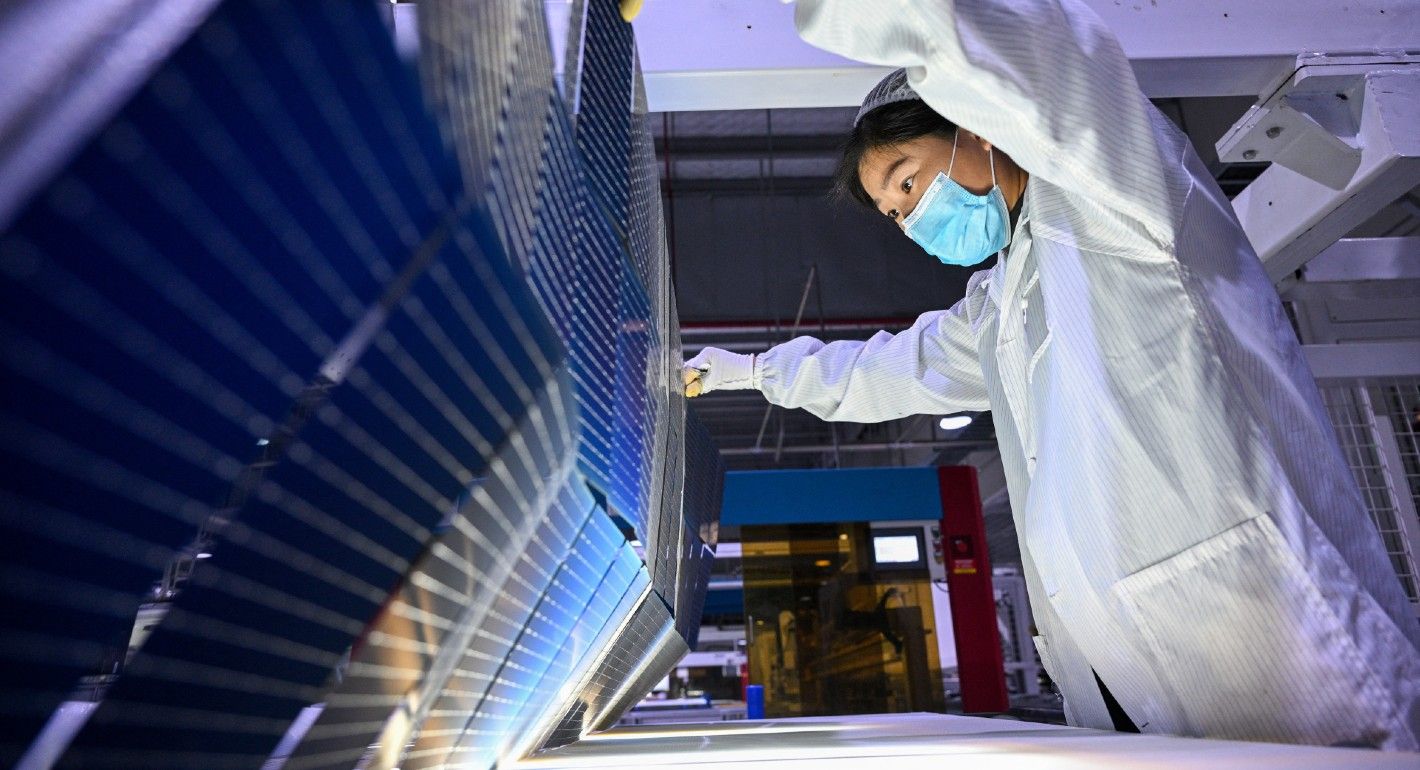
Rather than climate ambitions, compatibility with investment and exports is why China supports both green and high-emission technologies.

Mathias Larsen
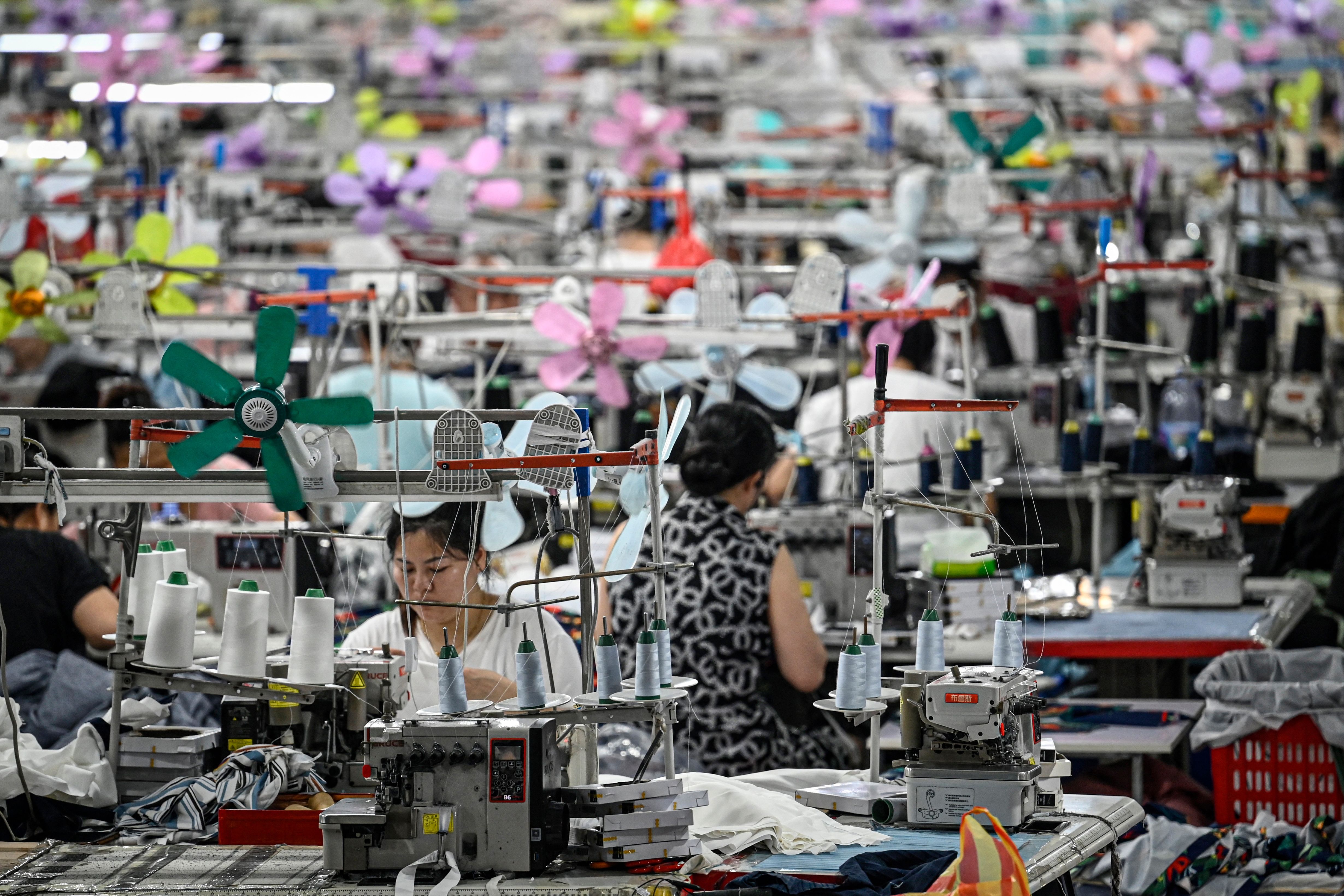
“Involution” is a new word for an old problem, and without a very different set of policies to rein it in, it is a problem that is likely to persist.

Michael Pettis

While China's investment story seems contradictory from the outside, the real answers to Beijing's high-quality growth ambitions are hiding in plain sight across the nation's cities.
Yuhan Zhang
China's stimulus addiction cannot go on forever. Beijing still has policy space to clean up the country's massive debt issue, but time is running short.
Michael Pettis