

Commentary
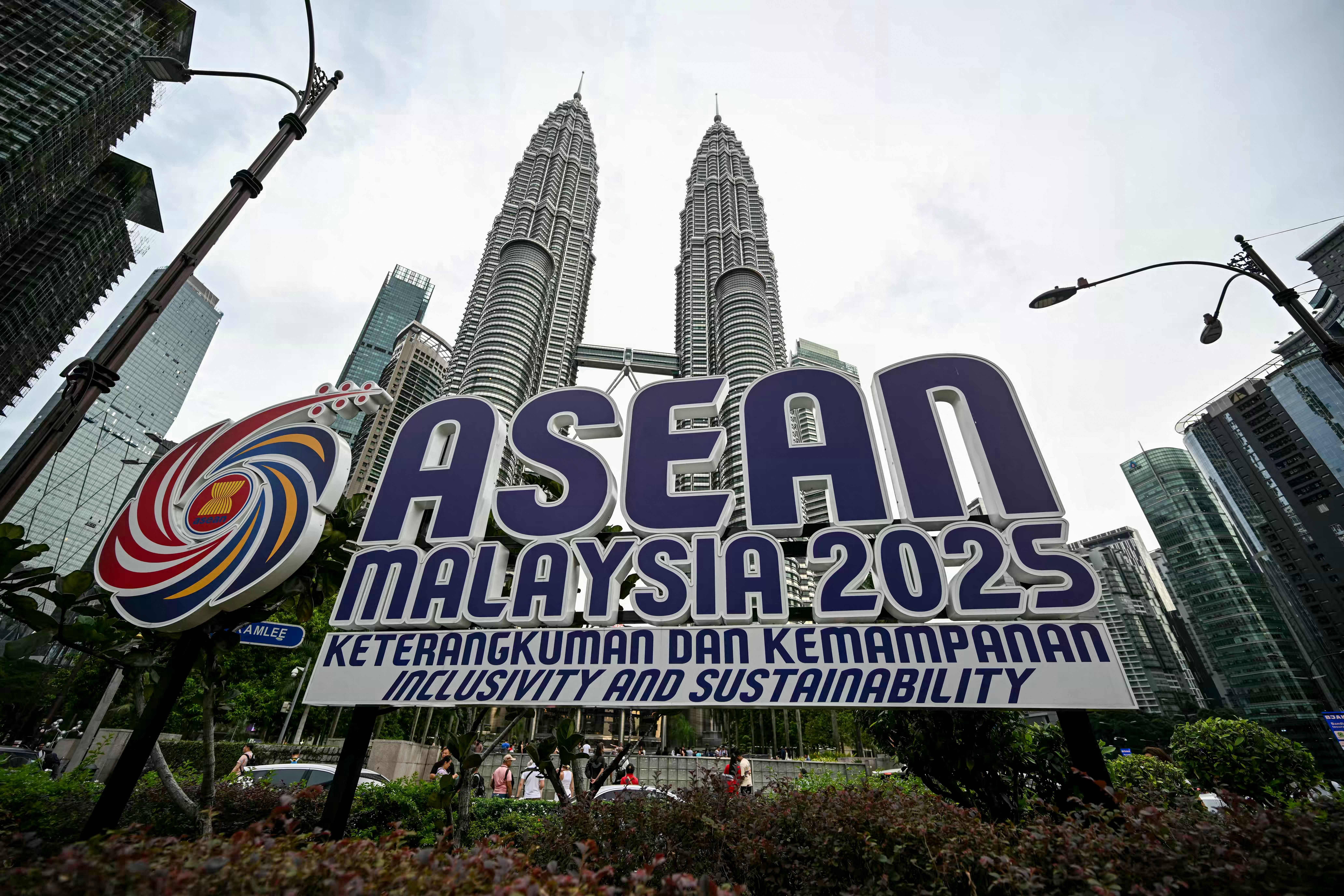
Malaysia’s chairmanship sought to fend off short-term challenges while laying the groundwork for minimizing ASEAN’s longer-term exposure to external stresses.
Elina Noor
{
  "authors": [
    "Jessica Tuchman Mathews"
  ],
  "type": "legacyinthemedia",
  "centerAffiliationAll": "",
  "centers": [
    "Carnegie Endowment for International Peace",
    "Carnegie China"
  ],
  "collections": [],
  "englishNewsletterAll": "",
  "nonEnglishNewsletterAll": "",
  "primaryCenter": "Carnegie China",
  "programAffiliation": "",
  "programs": [
    "Middle East"
  ],
  "projects": [],
  "regions": [
    "North America",
    "United States",
    "Iraq"
  ],
  "topics": [
    "Security",
    "Military",
    "Foreign Policy"
  ]
}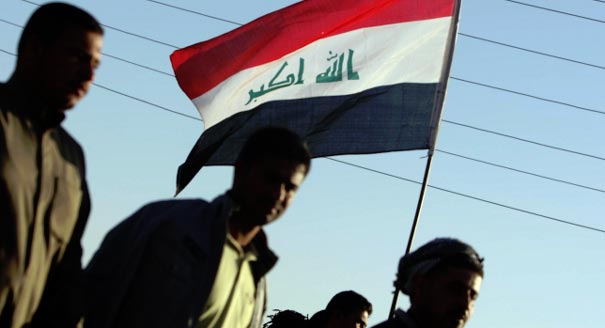
No matter how long U.S. troops stay in Iraq, a stable power-sharing agreement will emerge only after all factions have tested each other’s strength and exhausted their desire to fight. Leaving Iraq is the right thing to do, for the U.S. and for Iraq.
Source: Washington Post

The U.S. presence interrupted a struggle for political power that always follows removal of a government and eventually forced it into nonviolent channels. But the struggle is far from over. Recent political accommodations are extremely fragile, and it is likely that many angry groups have chosen to lie low until the Americans are gone.
Stable agreements to share power emerge only after the parties have tested each other's strength and will and their desire to fight has burned out. History shows that this takes many years, especially when all sides are heavily armed.
So the United States may face a departure in 2011 in the face of great instability. President Obama understands that could happen even if our troops were to stay five more years. There is no substitute for Iraqis sorting out their own political future. But after so much sacrifice and bloodshed, it may not feel much like a victory.
This article first appeared in the Washington Post.
Carnegie does not take institutional positions on public policy issues; the views represented herein are those of the author(s) and do not necessarily reflect the views of Carnegie, its staff, or its trustees.
Malaysia’s chairmanship sought to fend off short-term challenges while laying the groundwork for minimizing ASEAN’s longer-term exposure to external stresses.

Elina Noor
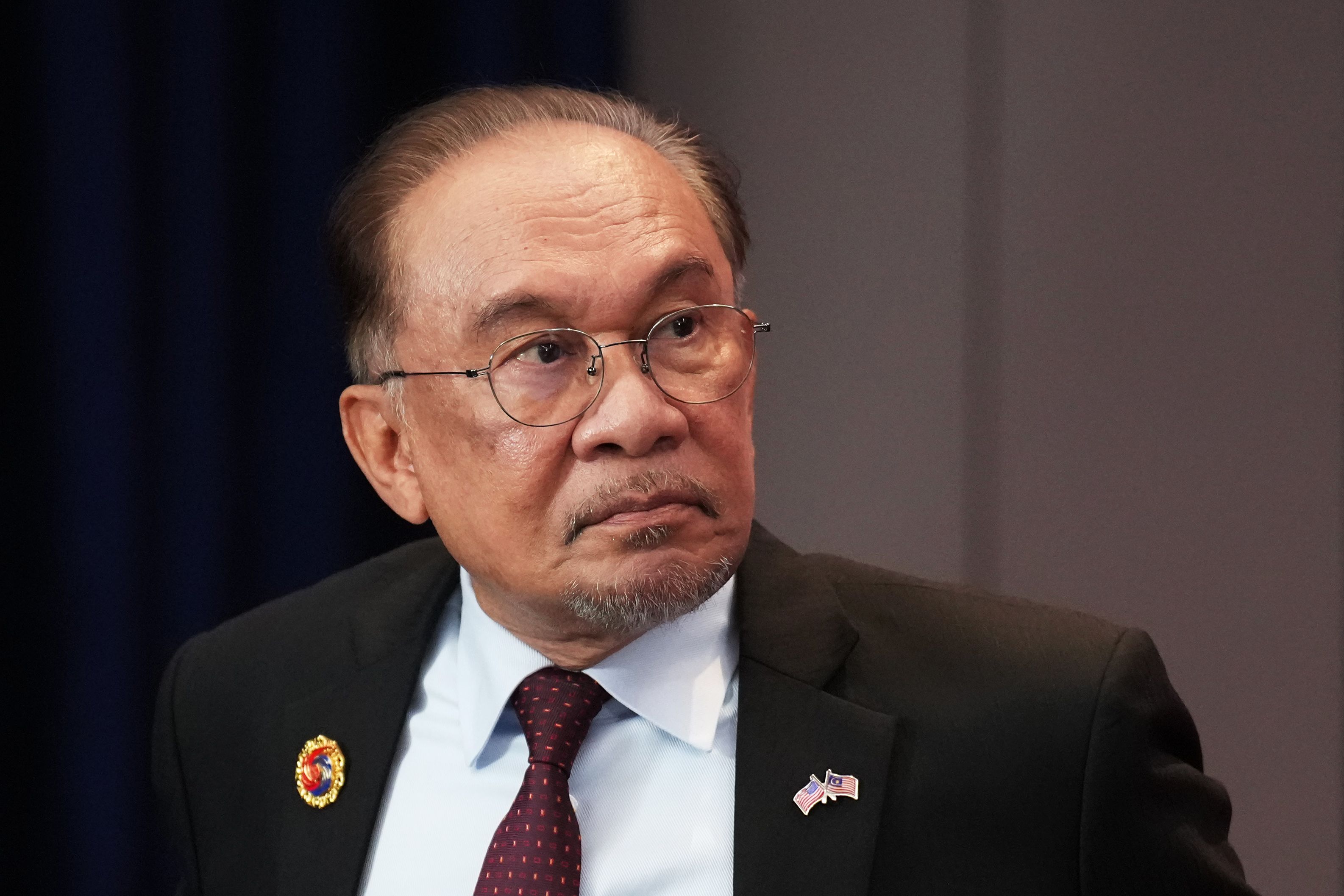
For Malaysia, the conjunction that works is “and” not “or” when it comes to the United States and China.
Elina Noor
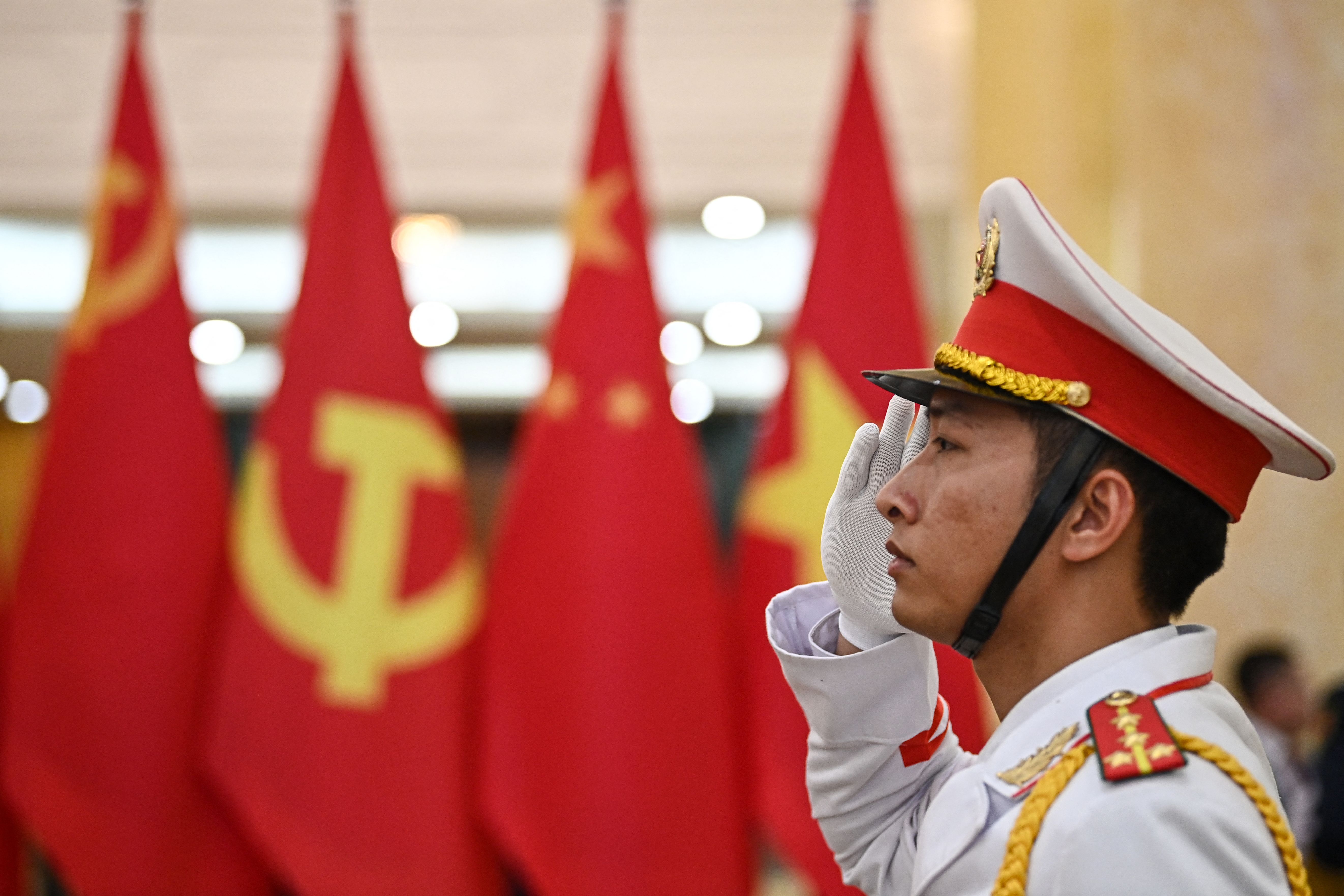
In July 2025, Vietnam and China held their first joint army drill, a modest but symbolic move reflecting Hanoi’s strategic hedging amid U.S.–China rivalry.

Nguyễn Khắc Giang

Regulation, not embargo, allows Beijing to shape how other countries and firms adapt to its terms.
Alvin Camba
The Thai-Cambodian conflict highlights the limits to China's peacemaker ambition and the significance of this role on Southeast Asia’s balance of power.

Pongphisoot (Paul) Busbarat