

Commentary
Malaysia’s chairmanship sought to fend off short-term challenges while laying the groundwork for minimizing ASEAN’s longer-term exposure to external stresses.
Elina Noor
{
  "authors": [
    "Christopher Boucek"
  ],
  "type": "legacyinthemedia",
  "centerAffiliationAll": "",
  "centers": [
    "Carnegie Endowment for International Peace"
  ],
  "collections": [],
  "englishNewsletterAll": "",
  "nonEnglishNewsletterAll": "",
  "primaryCenter": "Carnegie Endowment for International Peace",
  "programAffiliation": "",
  "programs": [
    "Middle East"
  ],
  "projects": [],
  "regions": [
    "Middle East",
    "Yemen"
  ],
  "topics": [
    "Political Reform",
    "Economy",
    "Foreign Policy"
  ]
}
Source: Getty
An international approach is needed to mitigate Yemen’s economic and security challenges before it becomes a failed state, creating a harbor for extremists on the border of Saudi Arabia, the world’s largest oil producer.
Source: Dan Rather Reports
The failed Christmas day bombing attempt drew the attention of the United States and the international community to the threat of terrorism emanating from Yemen. Yet the resurgence of al-Qaeda in Yemen is only one of the myriad challenges the country faces. Endemic corruption, rapidly depleting water and oil reserves, a civil war in the North, and a secessionist movement in the South all threaten to render Yemen a failed state. Yemen's failure would have dire security and economic ramifications for the entire region. In order to prevent this, “an international approach is needed. These challenges need to be met immediately or it could be too late for Yemen,” warns Christopher Boucek.
Carnegie does not take institutional positions on public policy issues; the views represented herein are those of the author(s) and do not necessarily reflect the views of Carnegie, its staff, or its trustees.
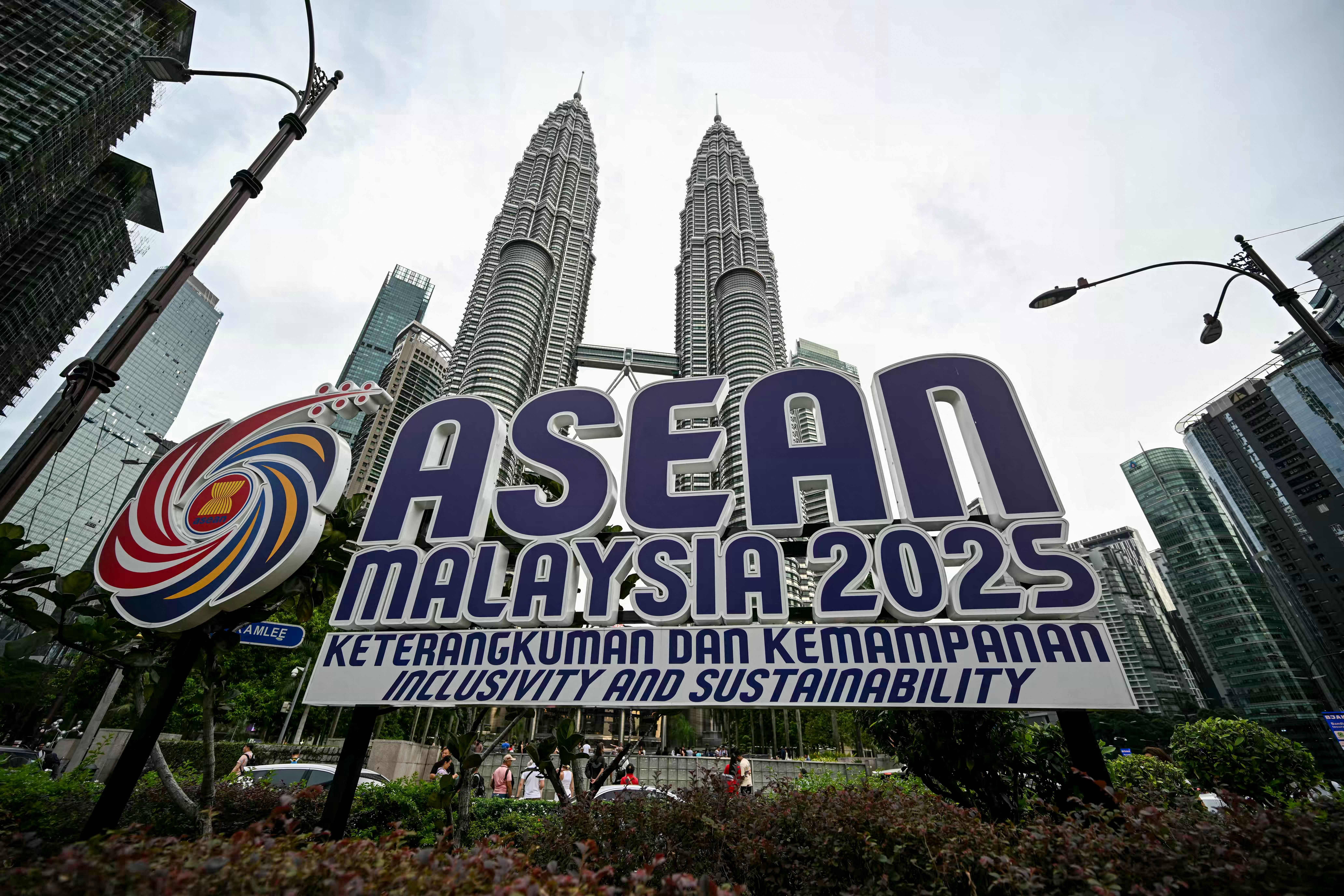
Malaysia’s chairmanship sought to fend off short-term challenges while laying the groundwork for minimizing ASEAN’s longer-term exposure to external stresses.

Elina Noor

For Malaysia, the conjunction that works is “and” not “or” when it comes to the United States and China.
Elina Noor
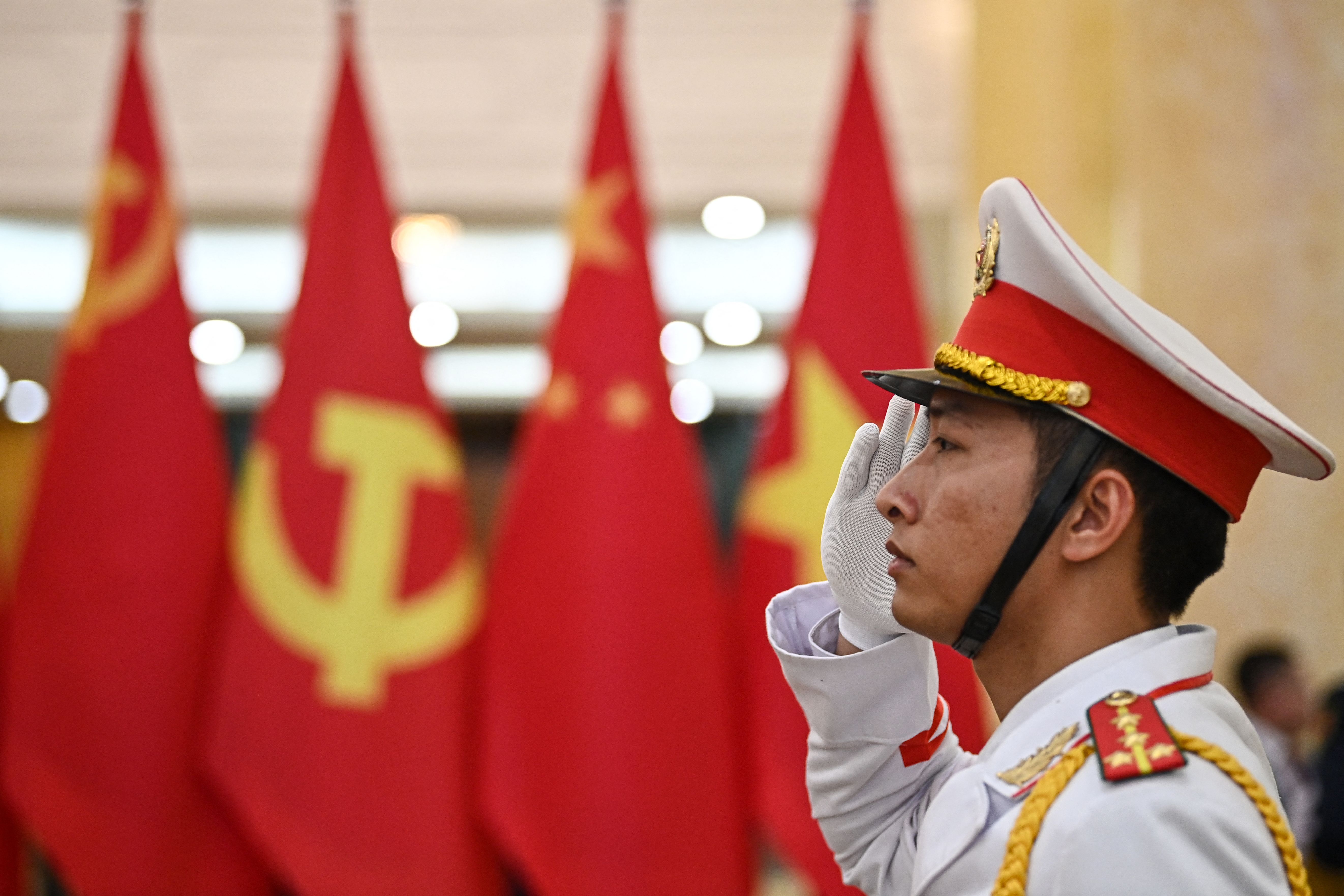
In July 2025, Vietnam and China held their first joint army drill, a modest but symbolic move reflecting Hanoi’s strategic hedging amid U.S.–China rivalry.

Nguyễn Khắc Giang

Rather than climate ambitions, compatibility with investment and exports is why China supports both green and high-emission technologies.

Mathias Larsen
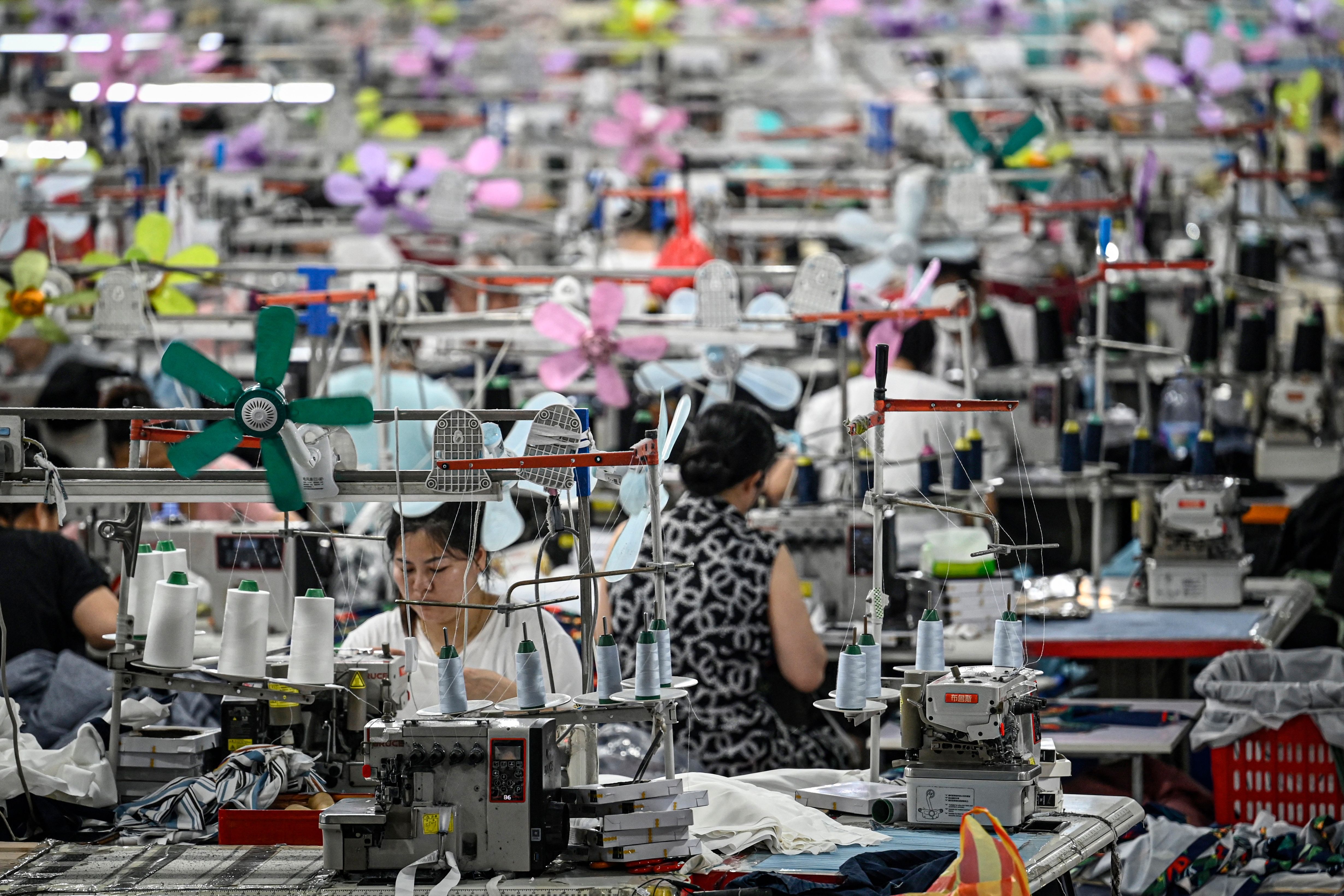
“Involution” is a new word for an old problem, and without a very different set of policies to rein it in, it is a problem that is likely to persist.

Michael Pettis