• Research
  • Experts
  • Events
Carnegie China logoCarnegie lettermark logo
{
  "authors": [],
  "type": "other",
  "centerAffiliationAll": "",
  "centers": [
    "Carnegie Endowment for International Peace",
    "Malcolm H. Kerr Carnegie Middle East Center"
  ],
  "collections": [],
  "englishNewsletterAll": "",
  "nonEnglishNewsletterAll": "",
  "primaryCenter": "Carnegie Endowment for International Peace",
  "programAffiliation": "",
  "programs": [],
  "projects": [],
  "regions": [
    "Egypt",
    "Gulf",
    "Levant",
    "Maghreb"
  ],
  "topics": [
    "Political Reform",
    "Security",
    "Economy"
  ]
}
Other

Carnegie Middle East Center Ranked Leading Think Tank in Middle East

The Carnegie Middle East Center, based in Beirut, was ranked "first among the 273 think tanks in the Middle East and North Africa" for 2009 in a study of the world's 6,305 think tanks. Established only three years ago, the Center was also named among "the best five new think tanks in the world."
Link Copied
Published on Feb 12, 2010
The Carnegie Middle East Center, based in Beirut, was ranked "first among the 273 think tanks in the Middle East and North Africa" for 2009 in a study of the world's 6,305 think tanks. Established only three years ago, the Center was also named among "the best five new think tanks in the world."

The study recognized the Carnegie Endowment for International Peace's global network. The Carnegie Moscow Center was ranked first among the 517 think tanks in Central and Eastern Europe and the Washington-based Carnegie Endowment was ranked second among the 1,183 think tanks in the United States.

Paul Salem, director of the Carnegie Middle East Center, said:

"This survey result is wonderful recognition for the work of our scholars from various Arab countries and abroad; and all those who helped establish and grow the Center. I strongly believe that, in cooperation with other Middle East institutions, we can make valuable contributions to much needed political and socio-economic reform and development in the region."
Political ReformSecurityEconomyEgyptGulfLevantMaghreb

Carnegie does not take institutional positions on public policy issues; the views represented herein are those of the author(s) and do not necessarily reflect the views of Carnegie, its staff, or its trustees.

More Work from Carnegie China

  • Commentary
    How China’s Growth Model Determines Its Climate Performance

    Rather than climate ambitions, compatibility with investment and exports is why China supports both green and high-emission technologies.

      Mathias Larsen
  • Overproduction in China
    Commentary
    What’s New about Involution?

    “Involution” is a new word for an old problem, and without a very different set of policies to rein it in, it is a problem that is likely to persist.
      Michael Pettis
  • Commentary
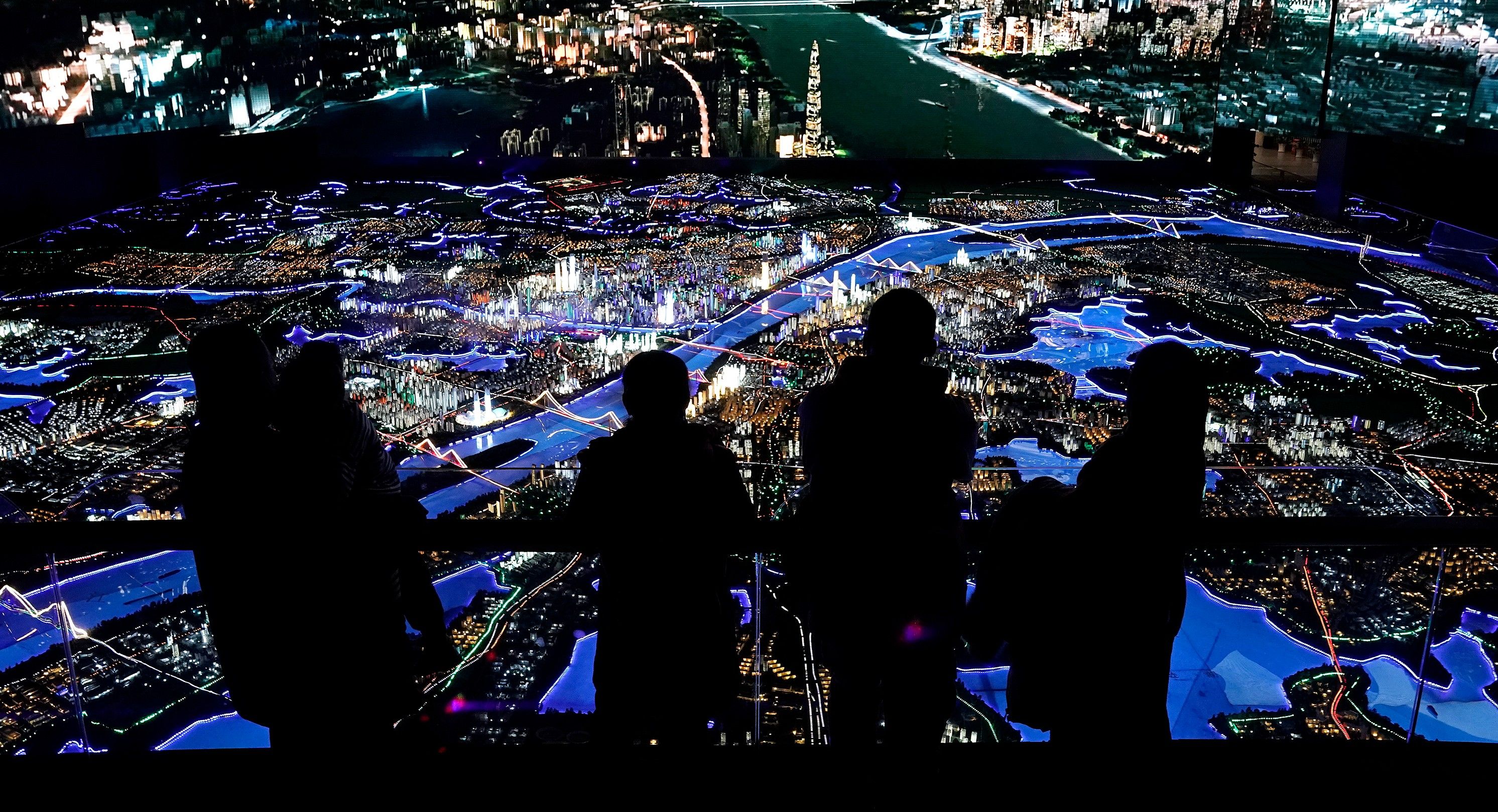
    The Chinese Investment Riddle: What Cities Reveal

    While China's investment story seems contradictory from the outside, the real answers to Beijing's high-quality growth ambitions are hiding in plain sight across the nation's cities.
      Yuhan Zhang
  • Commentary
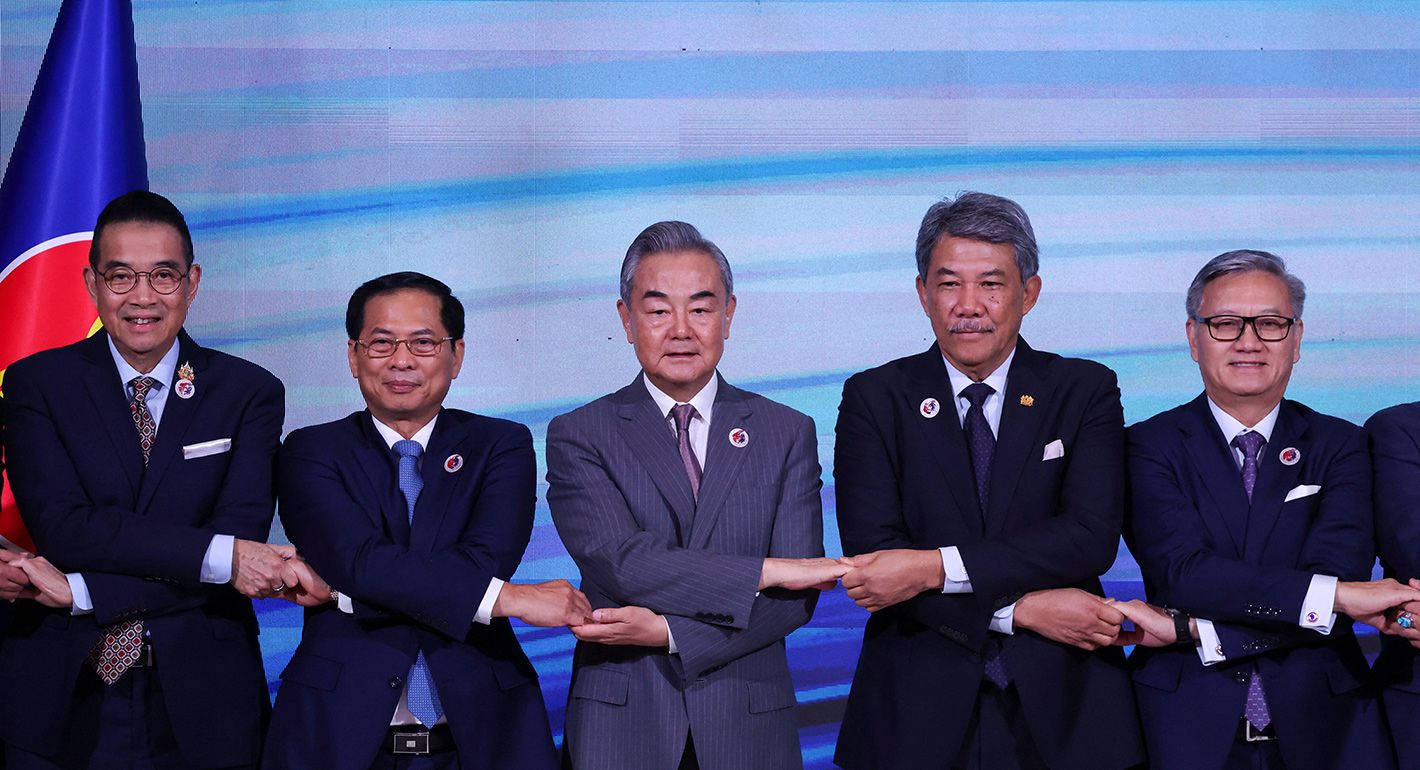
    China’s Mediation Offer in the Thailand-Cambodia Border Dispute Sheds Light on Beijing’s Security Role in Southeast Asia

    The Thai-Cambodian conflict highlights the limits to China's peacemaker ambition and the significance of this role on Southeast Asia’s balance of power.
      Pongphisoot (Paul) Busbarat
  • Commentary
    Using China’s Central Government Balance Sheet to “Clean up” Local Government Debt Is a Bad Idea

    China's stimulus addiction cannot go on forever. Beijing still has policy space to clean up the country's massive debt issue, but time is running short.

      Michael Pettis

Get more news and analysis from
Carnegie China
Carnegie China logo, white
  • Research
  • About
  • Experts
  • Events
  • Contact
  • Careers
  • Privacy
  • For Media
Get more news and analysis from
Carnegie China
© 2026 Carnegie Endowment for International Peace. All rights reserved.