

Commentary
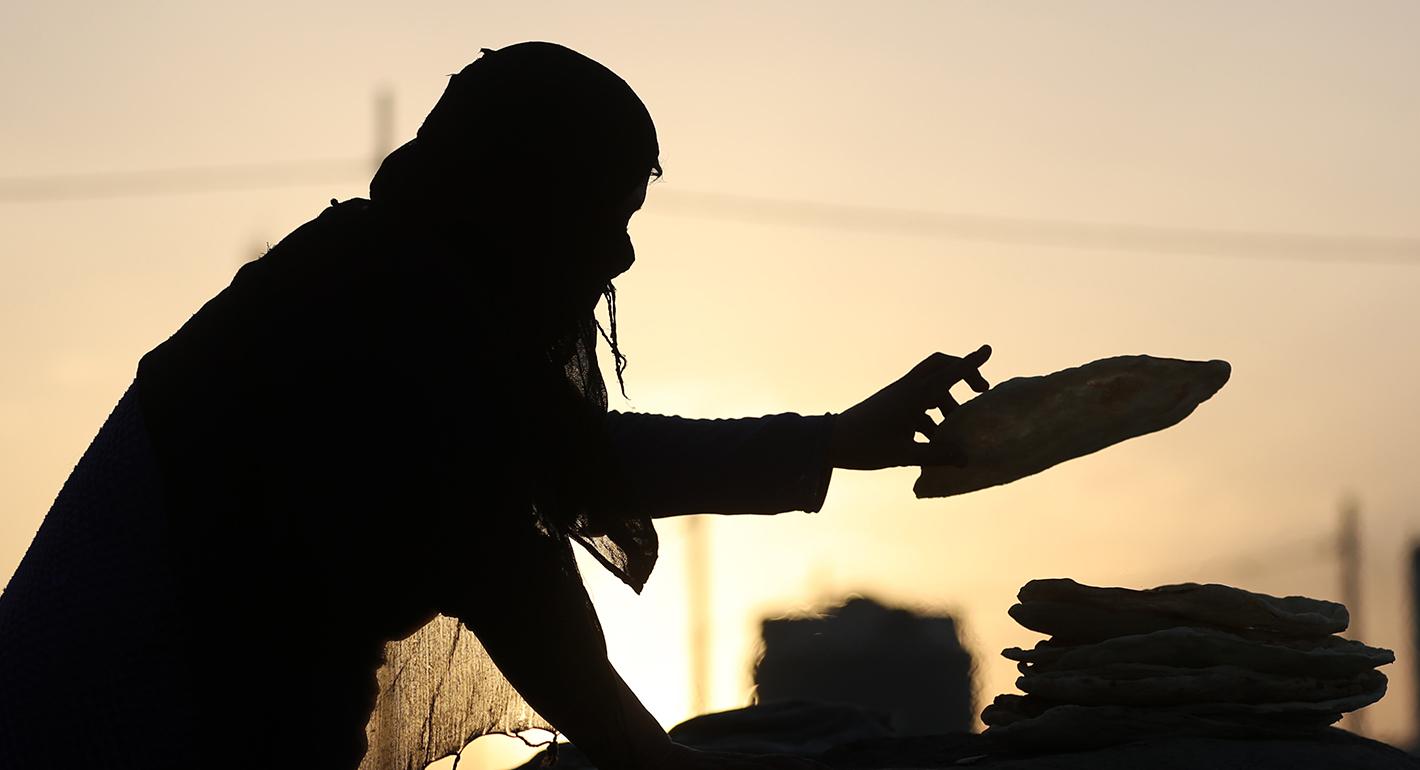
It’s about managing oil prices, bread prices, and strategic partnerships.
- +8
Amr Hamzawy, Karim Sadjadpour, Aaron David Miller, …
{
  "authors": [],
  "type": "other",
  "centerAffiliationAll": "",
  "centers": [
    "Carnegie Endowment for International Peace"
  ],
  "collections": [],
  "englishNewsletterAll": "",
  "nonEnglishNewsletterAll": "",
  "primaryCenter": "Carnegie Endowment for International Peace",
  "programAffiliation": "",
  "programs": [],
  "projects": [],
  "regions": [
    "North Africa",
    "Egypt"
  ],
  "topics": []
}
A backgrounder on the Egyptian Current Party.
This resource was published on 09/21/2011 and is not updated to reflected changing circumstances.
A moderate Islamist party, the Egyptian Current Party was founded by prominent members of the Muslim Brotherhood youth wing who had become disgruntled with the group’s old guard and were unwilling to join the Freedom and Justice Party. The Egyptian Current Party was a member of the Completing the Revolution Alliance during the 2011-2012 parliamentary elections. It later joined the Moderate Current Coalition.
Mohamed al-Kassas: Founder
Islam Lotfy: Founder
Ahmed Abd al-Gawad: Founder
In June 2011, amidst tensions between the youth and leadership of the Muslim Brotherhood, Mohamed al-Kassas, leader of the movement’s youth wing, declined to join the Brotherhood’s official Freedom and Justice Party, announcing his intention to form the Egyptian Current Party. Shortly after the announcement, the Brotherhood expelled al-Kassas. Ahmed Abd al-Gawad, another member of the Brotherhood’s youth wing, joined the party and was also promptly expelled from the Brotherhood. Mutazz Abd al-Fattah and Sayf al-Din Abd al-Fattah, two moderate Islamist intellectuals, are leading members of the party—al-Fattah has stressed the need for Egypt to “be like Turkey.” The party currently has roughly 5,000 members, including 200 dissident Muslim Brotherhood members.
Al-Tayar al-Masry supports a civil state and the protection of individual civil liberties, embracing Islamic values without the enforcement of Islamic law. Its slogan is “freedom, building, and pioneering,” and one of its founders, Islam Lofty, has described the party as “pragmatic and nonideological.” Although on paper the position of the Egyptian Current is very similar to that of the Freedom and Justice Party, its leaders have criticized the Muslim Brotherhood for its archaic values and for opposing diversity.
Carnegie does not take institutional positions on public policy issues; the views represented herein are those of the author(s) and do not necessarily reflect the views of Carnegie, its staff, or its trustees.
It’s about managing oil prices, bread prices, and strategic partnerships.
Amr Hamzawy, Karim Sadjadpour, Aaron David Miller, …
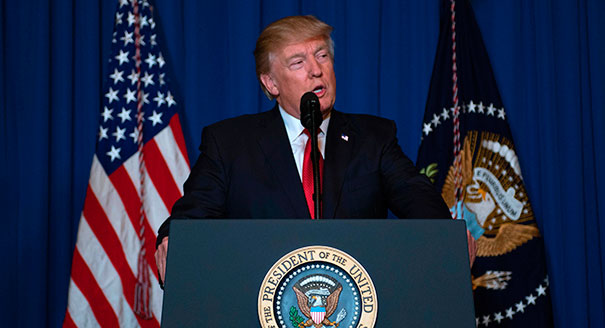
It remains to be seen whether recent foreign policy pivots by the Trump administration amount to a departure from its earlier views about America’s role in the world.
William J. Burns
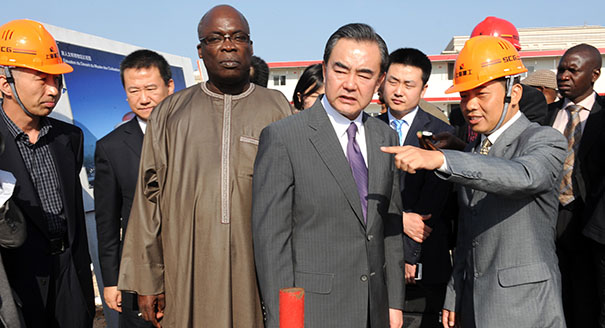
China’s relationship with Africa is becoming increasingly more complex as the country continues to invest and send workers across 54 countries on the continent.

Matt Ferchen
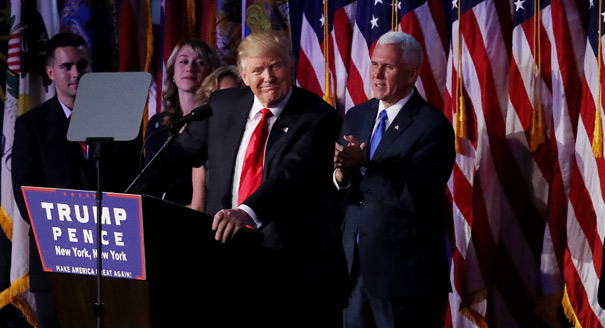
The world reacts to the election of Donald Trump and its potential implications.

Thomas Carothers, Lizza Bomassi, Amr Hamzawy, …
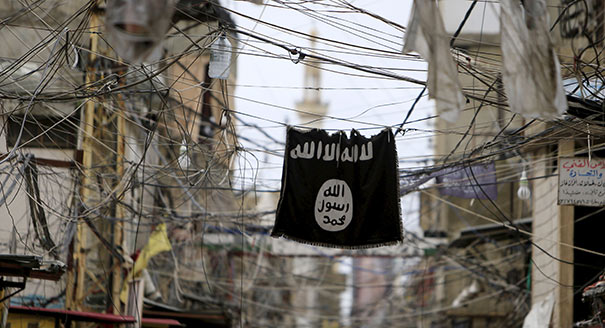
The Islamic State’s ideology is multifaceted and cannot be traced to one individual, movement, or period. Understanding it is crucial to defeating the group.
Hassan Hassan