

Commentary
Malaysia’s chairmanship sought to fend off short-term challenges while laying the groundwork for minimizing ASEAN’s longer-term exposure to external stresses.
Elina Noor
{
  "authors": [
    "Zhang Chuanjie"
  ],
  "type": "legacyinthemedia",
  "centerAffiliationAll": "",
  "centers": [
    "Carnegie Endowment for International Peace",
    "Carnegie China"
  ],
  "collections": [
    "China’s Foreign Relations"
  ],
  "englishNewsletterAll": "",
  "nonEnglishNewsletterAll": "",
  "primaryCenter": "Carnegie China",
  "programAffiliation": "",
  "programs": [],
  "projects": [],
  "regions": [
    "North America",
    "United States",
    "Middle East",
    "Iraq"
  ],
  "topics": [
    "Security",
    "Military",
    "Foreign Policy"
  ]
}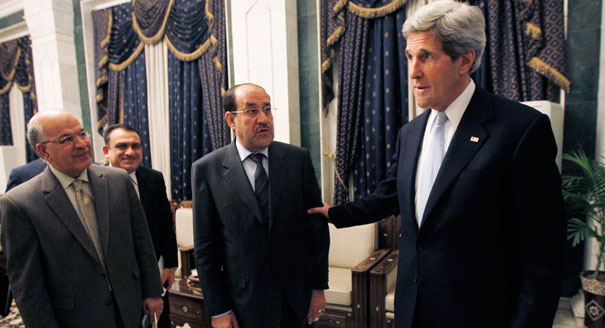
Given continuing sectarian strife and a rise in terrorist cells in Iraq, the U.S. invasion of the country could be a considered a military victory but is increasingly seen as the wrong political decision.
Source: CCTV
Speaking on CCTV, Carnegie-Tsinghua’s Zhang Chuanjie discussed the political implications and social consequences of the Iraq War ten years after the U.S. invasion. Describing the move as a military success, he said it was the wrong political decision.
Referring to the continuing sectarian strife in Iraq, Zhang noted that all sides must be willing to compromise within a political framework, without resorting to violence. It will take a long time before the political situation can be stabilized, he added. Zhang stated that in the interim, Iraq is a “very weak state, lacking legitimacy among these different political sectors” which will have a major ramifications for terrorism in Iraq and throughout the region.
Turning to other U.S. security interests in the Middle East, Zhang noted how the Iraqi invasion served no practical purpose against the primary threat from Iran.
Carnegie does not take institutional positions on public policy issues; the views represented herein are those of the author(s) and do not necessarily reflect the views of Carnegie, its staff, or its trustees.
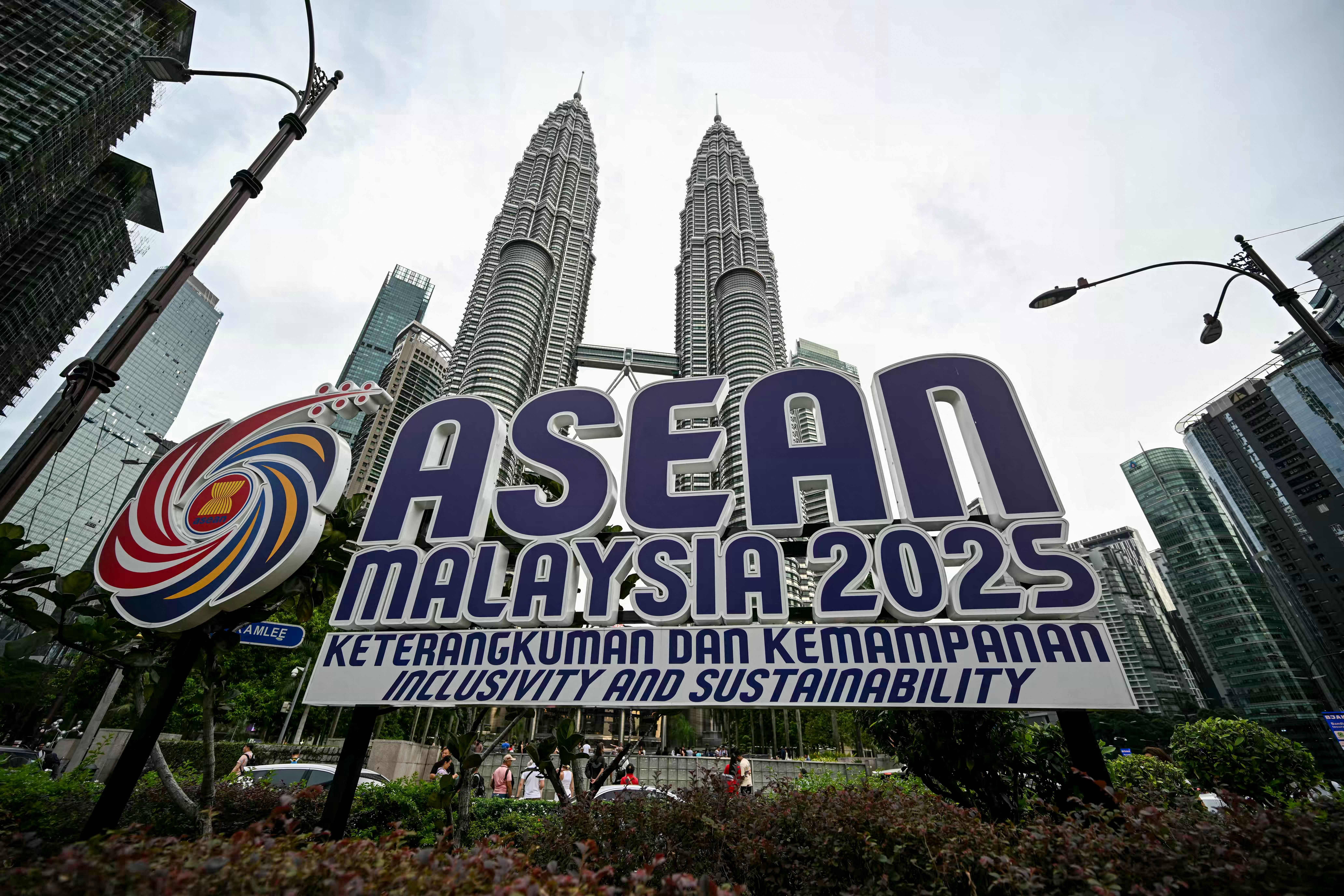
Malaysia’s chairmanship sought to fend off short-term challenges while laying the groundwork for minimizing ASEAN’s longer-term exposure to external stresses.

Elina Noor
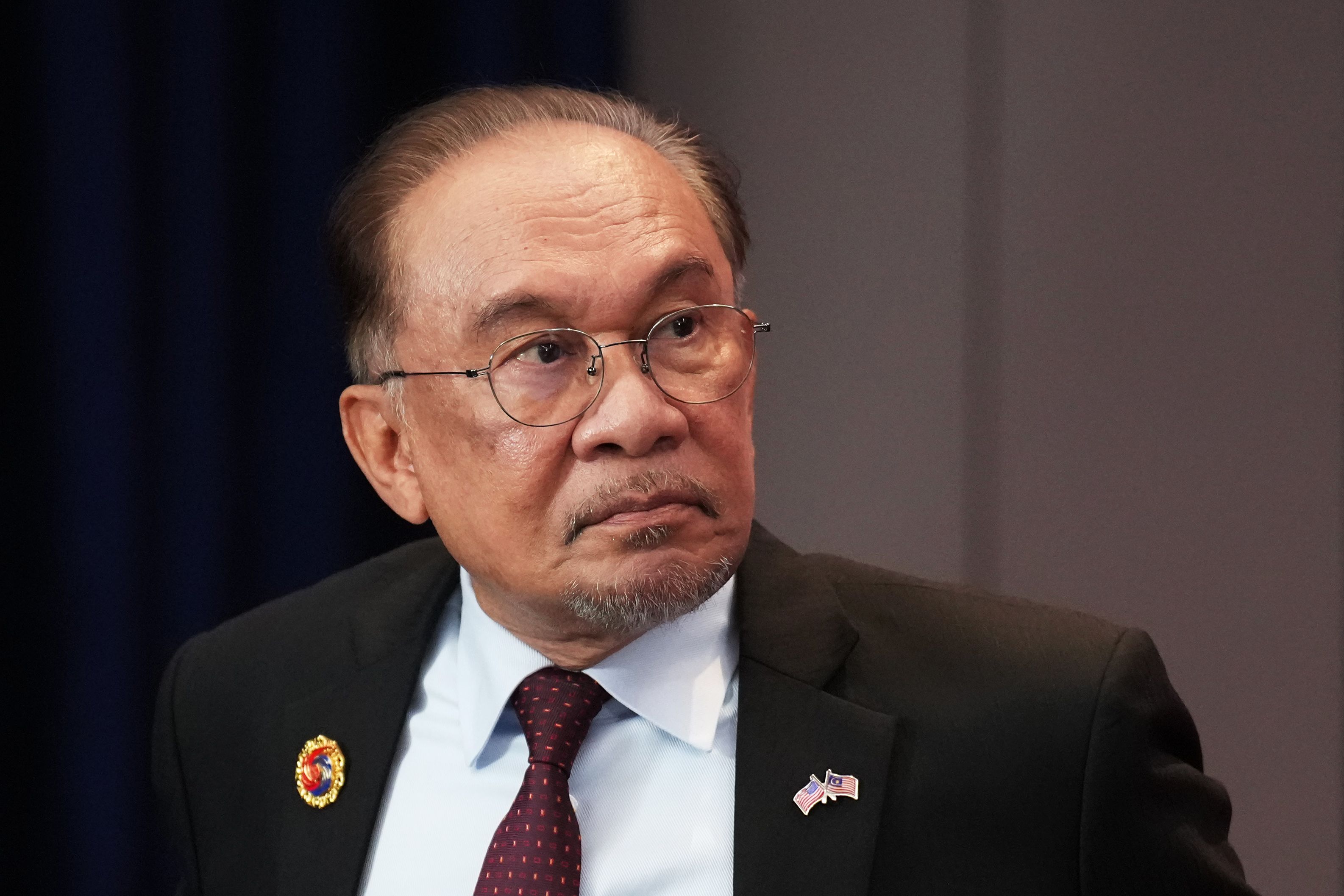
For Malaysia, the conjunction that works is “and” not “or” when it comes to the United States and China.
Elina Noor
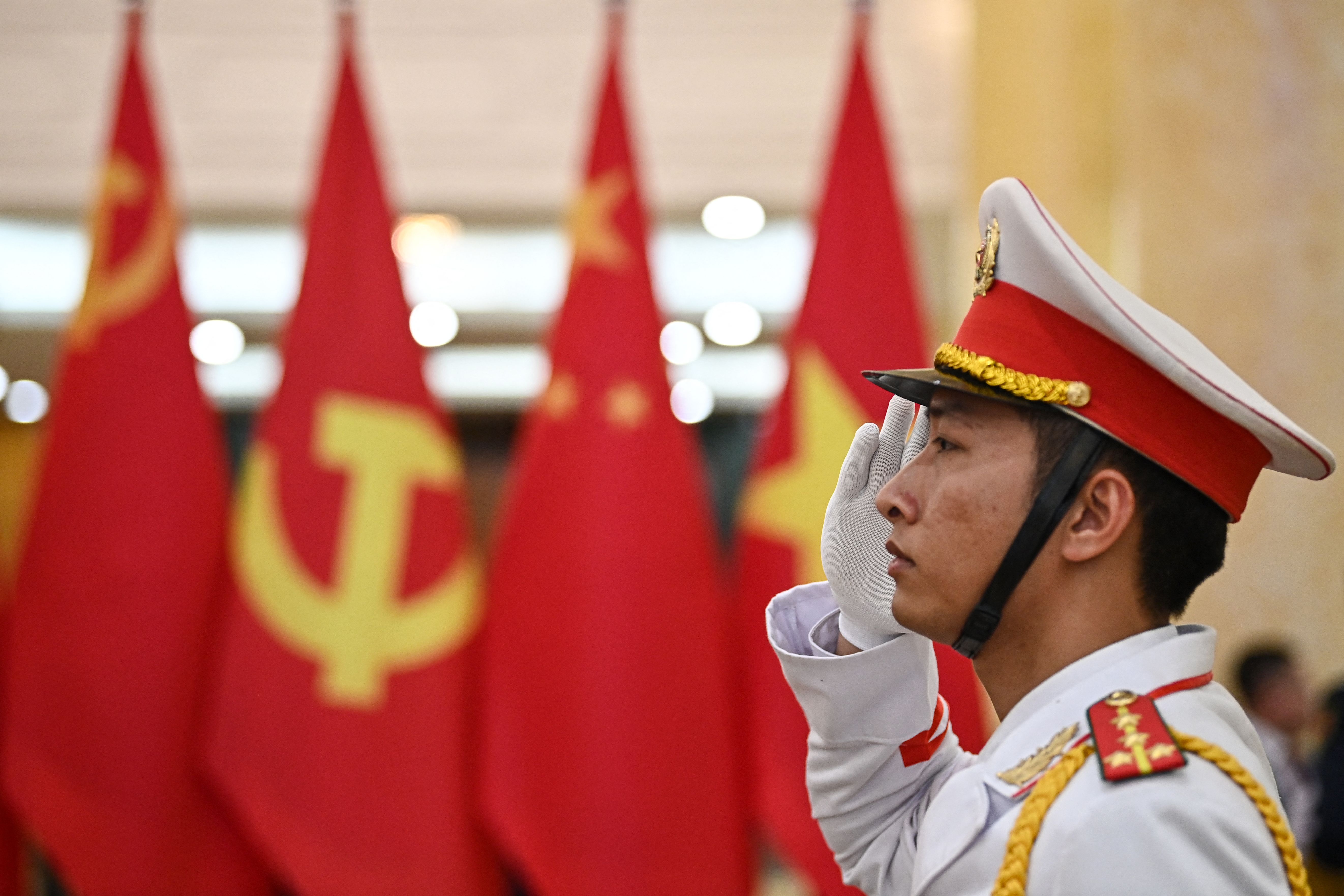
In July 2025, Vietnam and China held their first joint army drill, a modest but symbolic move reflecting Hanoi’s strategic hedging amid U.S.–China rivalry.

Nguyễn Khắc Giang

Regulation, not embargo, allows Beijing to shape how other countries and firms adapt to its terms.
Alvin Camba
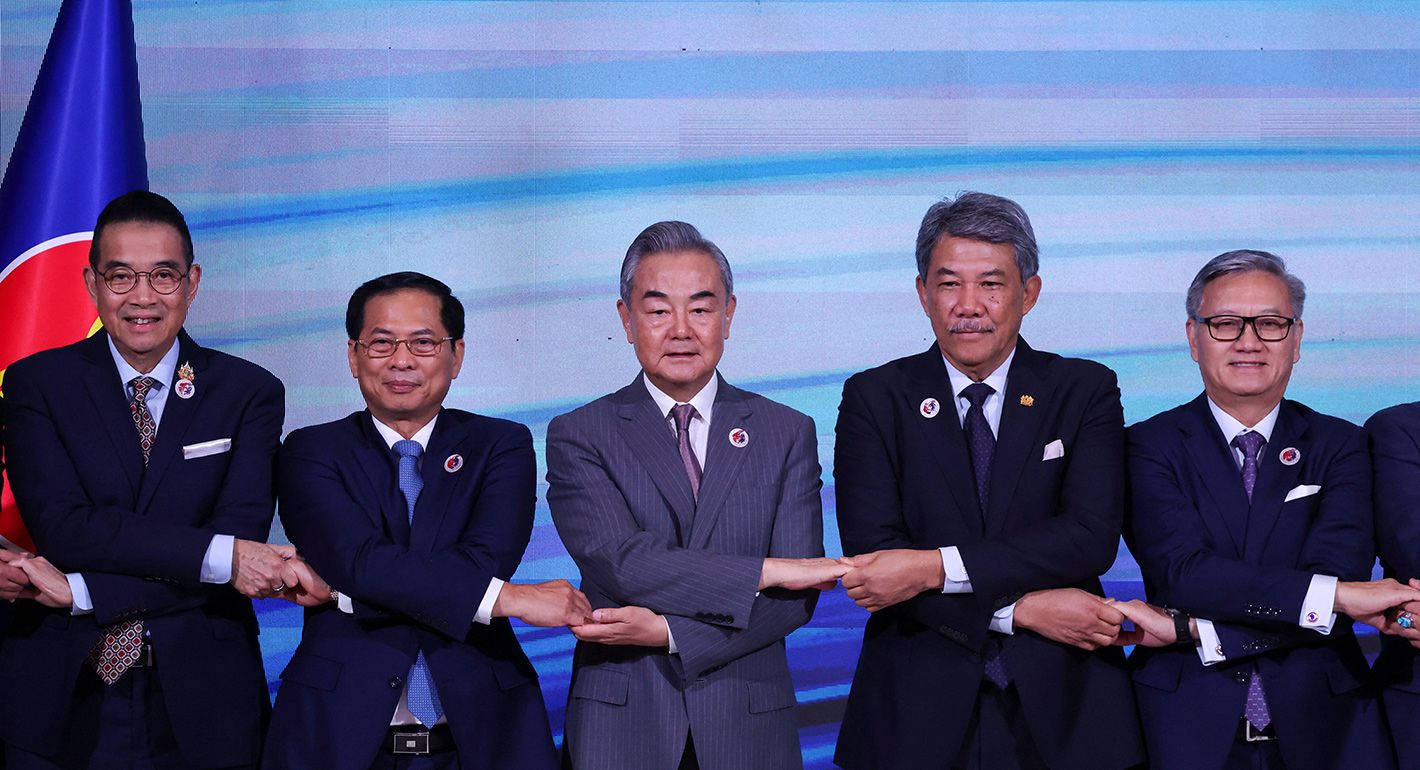
The Thai-Cambodian conflict highlights the limits to China's peacemaker ambition and the significance of this role on Southeast Asia’s balance of power.

Pongphisoot (Paul) Busbarat