

Commentary
Malaysia’s chairmanship sought to fend off short-term challenges while laying the groundwork for minimizing ASEAN’s longer-term exposure to external stresses.
Elina Noor
{
  "authors": [
    "Lilia Shevtsova"
  ],
  "type": "commentary",
  "centerAffiliationAll": "",
  "centers": [
    "Carnegie Endowment for International Peace",
    "Carnegie Russia Eurasia Center"
  ],
  "collections": [],
  "englishNewsletterAll": "",
  "nonEnglishNewsletterAll": "",
  "primaryCenter": "Carnegie Russia Eurasia Center",
  "programAffiliation": "",
  "programs": [],
  "projects": [],
  "regions": [],
  "topics": []
}
Source: Getty
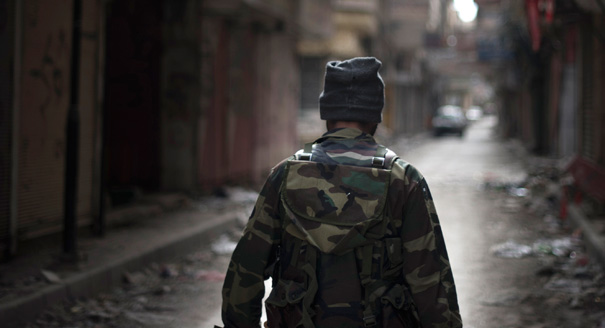
Syria is the last test when the liberal community of states can demonstrate whether as a civilization it is still capable of overcoming lethargy and defending the principles it has been declaring as its mission.
One can observe it in the Western response to the Syrian drama. Indeed, geopolitics, sectarian violence, lack of solutions, the West being wary of Middle Eastern wars, and any of the issues that everyone loves to discuss today do matter. Yet there is something that matters too and it can be even more important than anything else. I mean the West’s inability to defend the principles that are the core of Western civilization—human values and the set of principles the West pledges to defend outside as well. What is even more disastrous for the West are its attempts to hide its impotence and cowardice behind democratic procedures! Look at how Western leaders used the lack of the Security Council endorsement to pursue a wait-and-see approach to the unbearable human tragedy evolving in Syria. The Western leaders have Moscow and Beijing to thank for giving them justification for doing nothing. What Obama, Merkel, Holland, and Cameron would have done, if Moscow and Beijing had not vetoed the Syrian resolution?! I bet they would have not hurried to start a Syrian campaign.
Now the West has found another escape route—through the lack of parliamentary approval for military action against Assad. It is sad that Britain, the country that introduced the Western values to the world, has chosen to sit on the fence. Not because the arguments in favor of action against Assad are not serious; but because of a petty in-house struggle and the Labor leader’s personal ambitions. This has given other Western states the pretext for also looking away and doing nothing! Now Obama is waiting for Congress to decide whether America should stand up for its values in the world or not, because he himself is unable to decide! In fact, Obama is in his “leadership from behind” mood. But this means that the world (and Syrians too) cannot hope for any leadership from America.
The Syrian state daily, the Al-Thawra, wrote in the front page article that Barack Obama’s decision to seek congressional approval before taking military action against Assad is “the start of the historic American retreat.” Regretfully, it looks like it…
With the collapse of the Soviet Union, the West lost its mission. In all the years since then, Western civilization has been trying hard to find a new one without much success. The Iraqi intervention has buried all desire in the West to stand for something. Syria is the last test when the liberal community of states can demonstrate whether as a civilization it is still capable of overcoming lethargy and defending the principles it has been declaring as its mission.
If not, well so be it. We are already living in a Hobbesian world. And we know who the winners are, too.
P.S. A brilliant Russian analyst Georgi Mirsky in one of his recent posts on Echo Moskvy blog wrote how happy he was when Britain vetoed action against Assad, describing that decision as a victory for democracy. No, this is the failure of democracy, Georgi Ilyich! This was the use of a procedure in order to defend political opportunism.
Carnegie does not take institutional positions on public policy issues; the views represented herein are those of the author(s) and do not necessarily reflect the views of Carnegie, its staff, or its trustees.
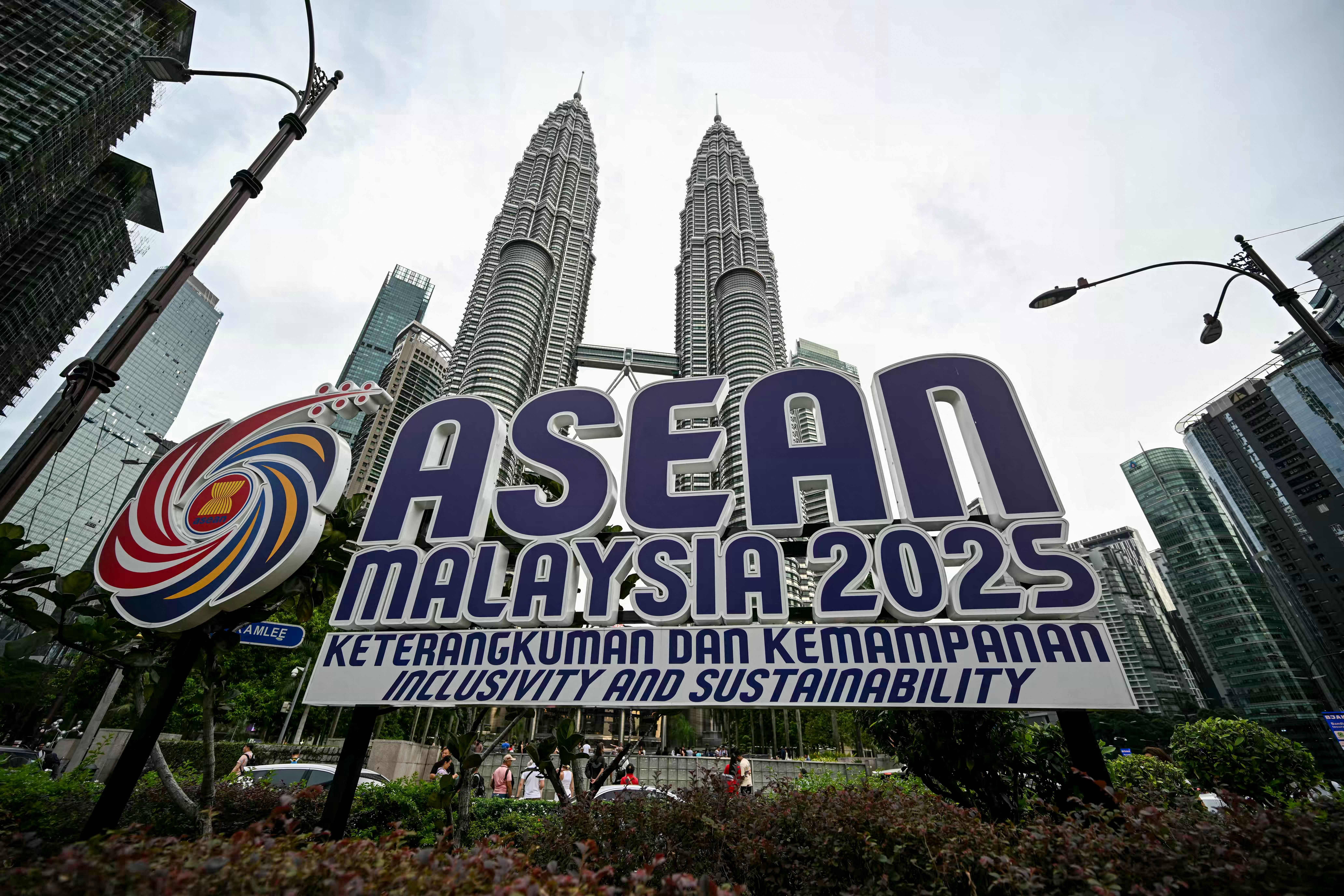
Malaysia’s chairmanship sought to fend off short-term challenges while laying the groundwork for minimizing ASEAN’s longer-term exposure to external stresses.

Elina Noor

For Malaysia, the conjunction that works is “and” not “or” when it comes to the United States and China.
Elina Noor

ASEAN needs to determine how to balance perpetuating the benefits of technology cooperation with China while mitigating the risks of getting caught in the crosshairs of U.S.-China gamesmanship.
Elina Noor
Damien Ma is taking the helm as director of Carnegie China, the Carnegie Endowment’s East Asia-based research center.
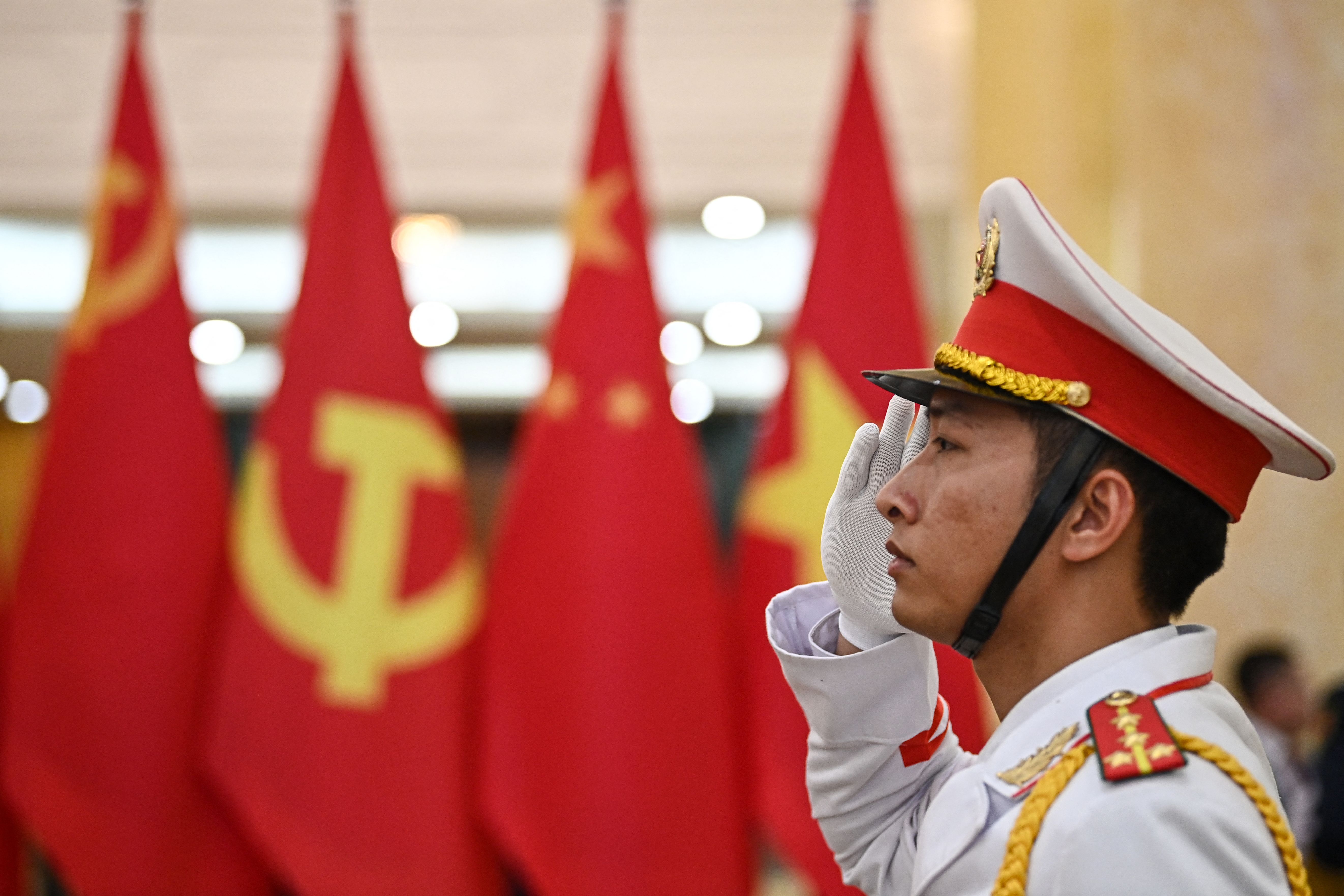
In July 2025, Vietnam and China held their first joint army drill, a modest but symbolic move reflecting Hanoi’s strategic hedging amid U.S.–China rivalry.

Nguyễn Khắc Giang