

Commentary
Malaysia’s chairmanship sought to fend off short-term challenges while laying the groundwork for minimizing ASEAN’s longer-term exposure to external stresses.
Elina Noor
{
  "authors": [
    "Marc Pierini"
  ],
  "type": "legacyinthemedia",
  "centerAffiliationAll": "",
  "centers": [
    "Carnegie Endowment for International Peace",
    "Carnegie Europe",
    "Carnegie China",
    "Malcolm H. Kerr Carnegie Middle East Center"
  ],
  "collections": [
    "Turkey’s Transformation",
    "Transatlantic Cooperation",
    "China’s Foreign Relations",
    "China and the Developing World"
  ],
  "englishNewsletterAll": "",
  "nonEnglishNewsletterAll": "",
  "primaryCenter": "Carnegie Europe",
  "programAffiliation": "",
  "programs": [
    "Middle East"
  ],
  "projects": [],
  "regions": [
    "Middle East",
    "Europe",
    "Türkiye"
  ],
  "topics": [
    "Security",
    "Foreign Policy"
  ]
}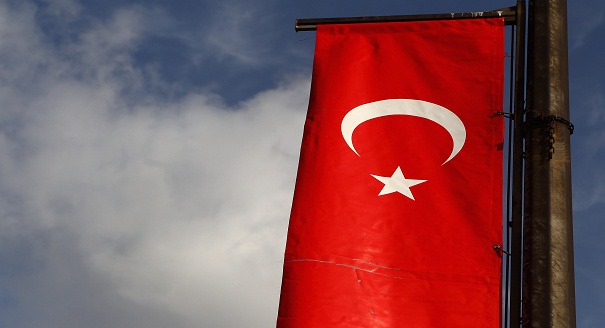
Turkey’s planned new canal and a missile defense system both send the message that Turkey will go its own way, swiftly and irrespective of the country’s international environment and commitments.
Source: Hurriyet Daily News
At first sight, there is little in common between the “Kanal Istanbul” project and Turkey’s purchase of Chinese missiles. Yet, these two projects, both still in their early stages, are very telling of Turkey’s willingness to go its own way, irrespective of the consequences.
Kanal Istanbul is a new artificial waterway to be dug between the Black Sea and the Sea of Marmara. Officially, the project is justified by the inherent dangers of transporting petroleum products, natural gas and chemicals through a city of 15 million inhabitants.
Experts have already signaled some of the potential consequences for two of the globe’s most fragile seas. Levels of salinity and oxygen, the transfer of pollutants, marine life, currents, sea temperature and underground waters would all be affected by the new canal.On a regional level, six countries bordering the Black Sea and the Mediterranean would be affected by the project: Bulgaria, Georgia, Greece, Romania, Russia, and Ukraine. In addition, Turkey is bound by several international environmental and maritime agreements on the Black Sea and the Mediterranean, such as the Montreux Convention.
On a national level, the construction of such a major piece of infrastructure would have immense economic and social consequences on the price of land (due to speculation), the environment and population displacement.
The project therefore needs solid national and international consultations before being put to tender, which was announced on Sept. 12. Bypassing such consultations may result in another episode of internal tensions and most certainly in an international dispute.
The forthcoming Chinese missile purchase seems an altogether different issue. Officially, the choice of a Chinese system over the competing US and French-Italian offers is justified by considerations of price and technology transfer. As long as the Chinese-built system would be operated in a stand-alone mode, there is little to object to.
Turkey, however, is a member of NATO, and as such, is bound by NATO “Smart Defense” and “Connected Forces” policies and the 2012 Chicago Summit decisions. The two key concepts are “Integration” and “Interoperability”. On Oct. 10, NATO Secretary-General Anders Fogh Rasmussen said: “It is … of utmost importance within an alliance that not only our armed forces, but also our military equipment can work and operate together. And I’m confident that the Turkish authorities are aware of that.” While it is technically possible to make a Chinese missile defense system integrated in and inter-operable with NATO’s systems, this will not happen for the compelling reason that the risk of Chinese infiltration is too high. It is that simple.
What is more, the Chinese company involved, CPMEIC, is under U.S. sanctions because of its dealings with Iran, North Korea and Syria. There is also an irony in Ankara asking NATO in August 2012 for a missile shield (which has been deployed since January 2013 in three provinces), only to turn its back on NATO for a new missile defense architecture. Similarly, there is questionable consistency in building a stand-alone missile defense while participating in NATO’s Missile Defense System which includes a radar based in eastern Turkey.
Turkey is now confronted with two choices: it can either reverse its decision for consistency’s sake or it can continue and distance itself from NATO’s policies. It’s not a comfortable dilemna.
But what do a new canal and a missile defense system have in common?
Both projects send the message that Turkey will go its own way, swiftly and irrespective of the country’s international environment and commitments. They illustrate a mix of haste and hubris. Were they to materialize, the two projects would generate significant turbulence in their respective spheres.
As a result, Turkey would lose more of its international standing. “Precious loneliness” would be on the rise. Is that what the international situation warrants?
This article was originally published in Hurriyet Daily News.
Carnegie does not take institutional positions on public policy issues; the views represented herein are those of the author(s) and do not necessarily reflect the views of Carnegie, its staff, or its trustees.
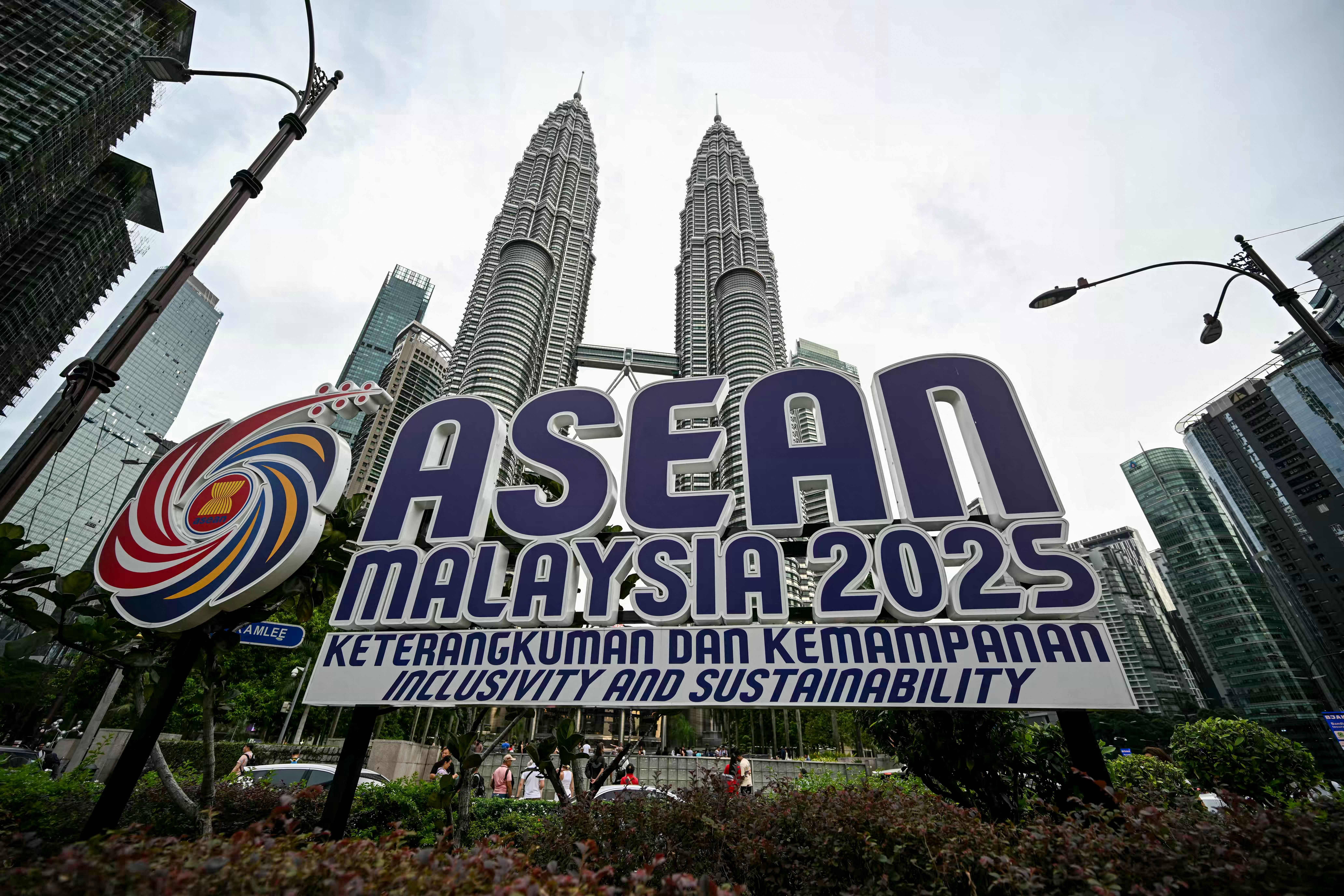
Malaysia’s chairmanship sought to fend off short-term challenges while laying the groundwork for minimizing ASEAN’s longer-term exposure to external stresses.

Elina Noor
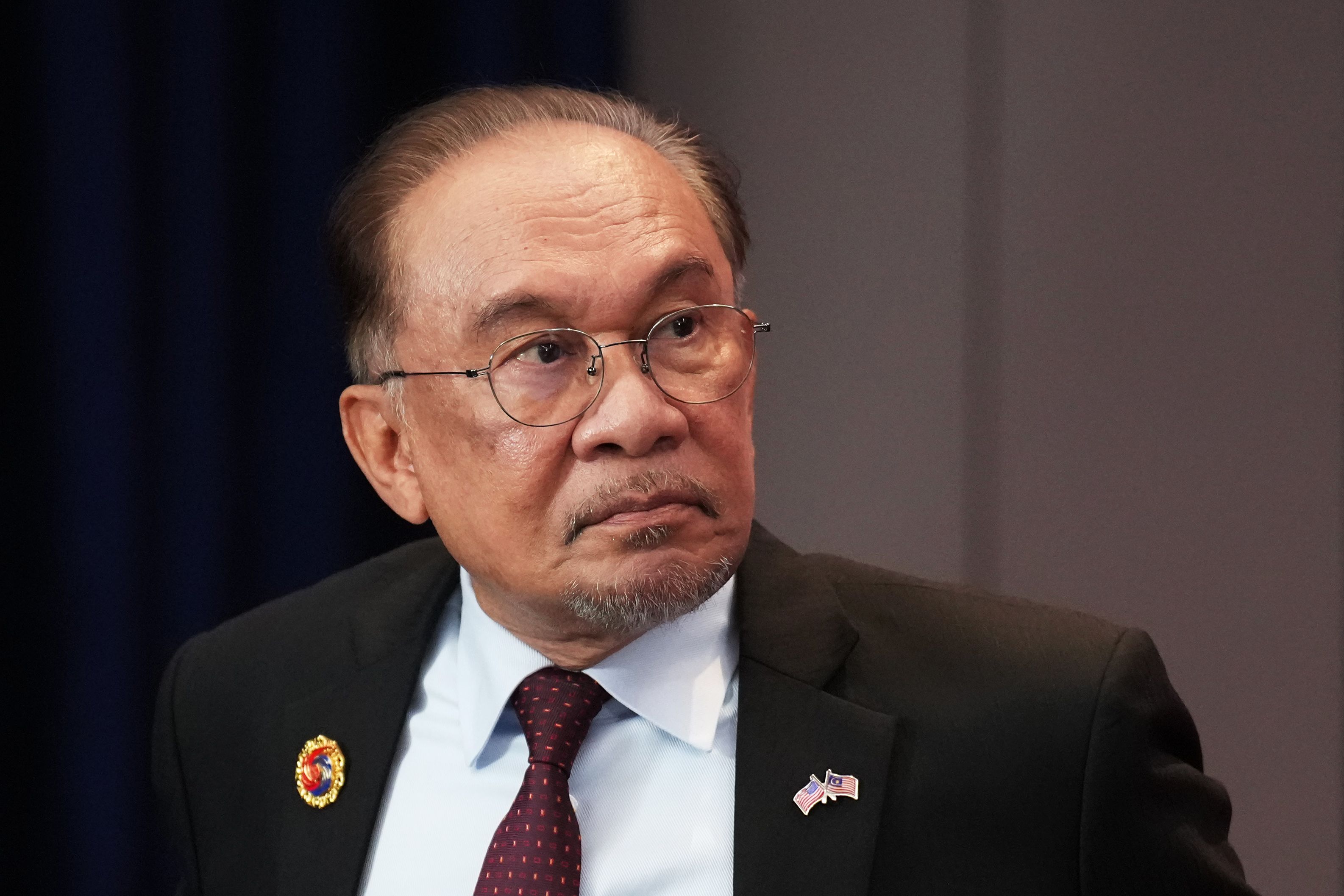
For Malaysia, the conjunction that works is “and” not “or” when it comes to the United States and China.
Elina Noor
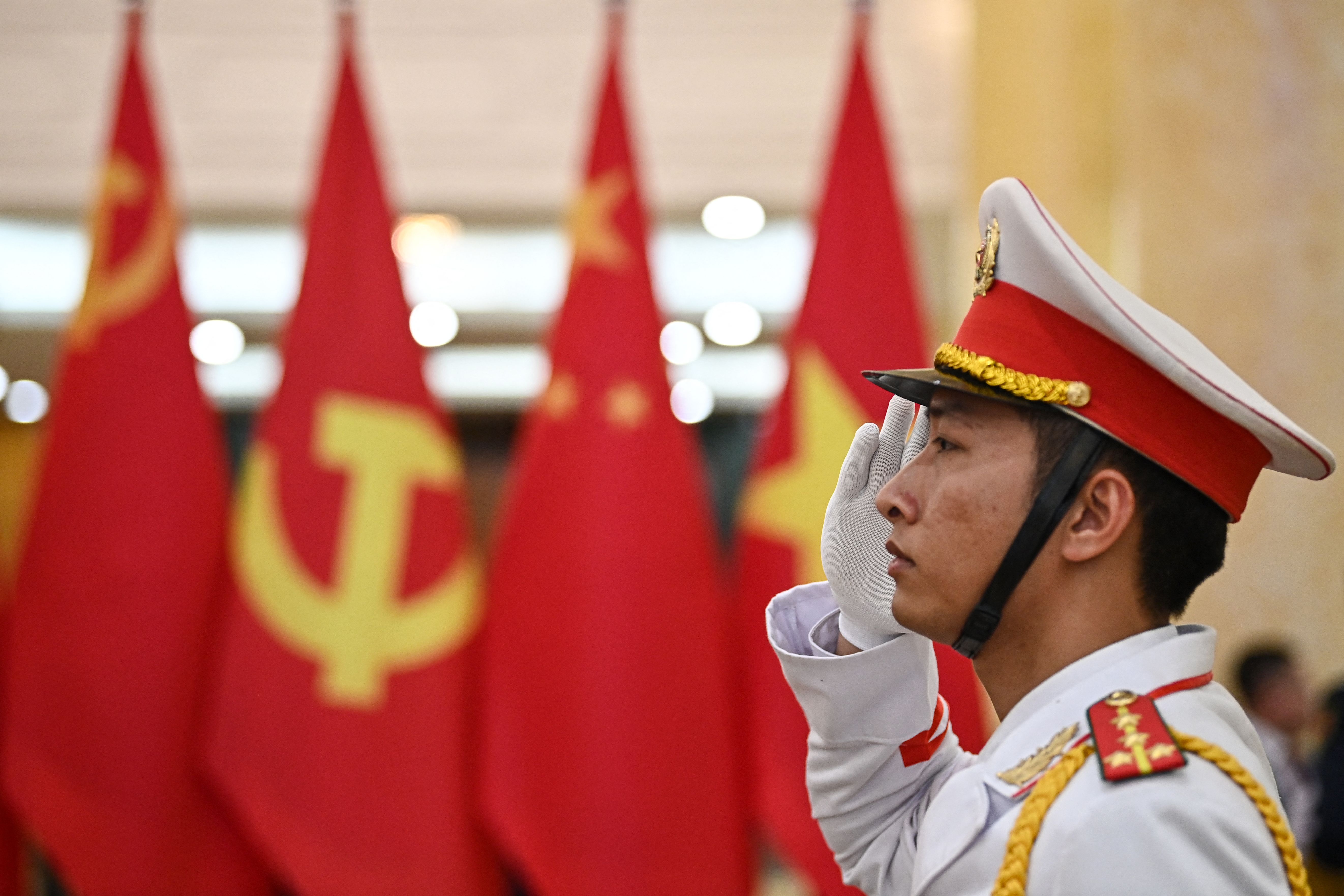
In July 2025, Vietnam and China held their first joint army drill, a modest but symbolic move reflecting Hanoi’s strategic hedging amid U.S.–China rivalry.

Nguyễn Khắc Giang
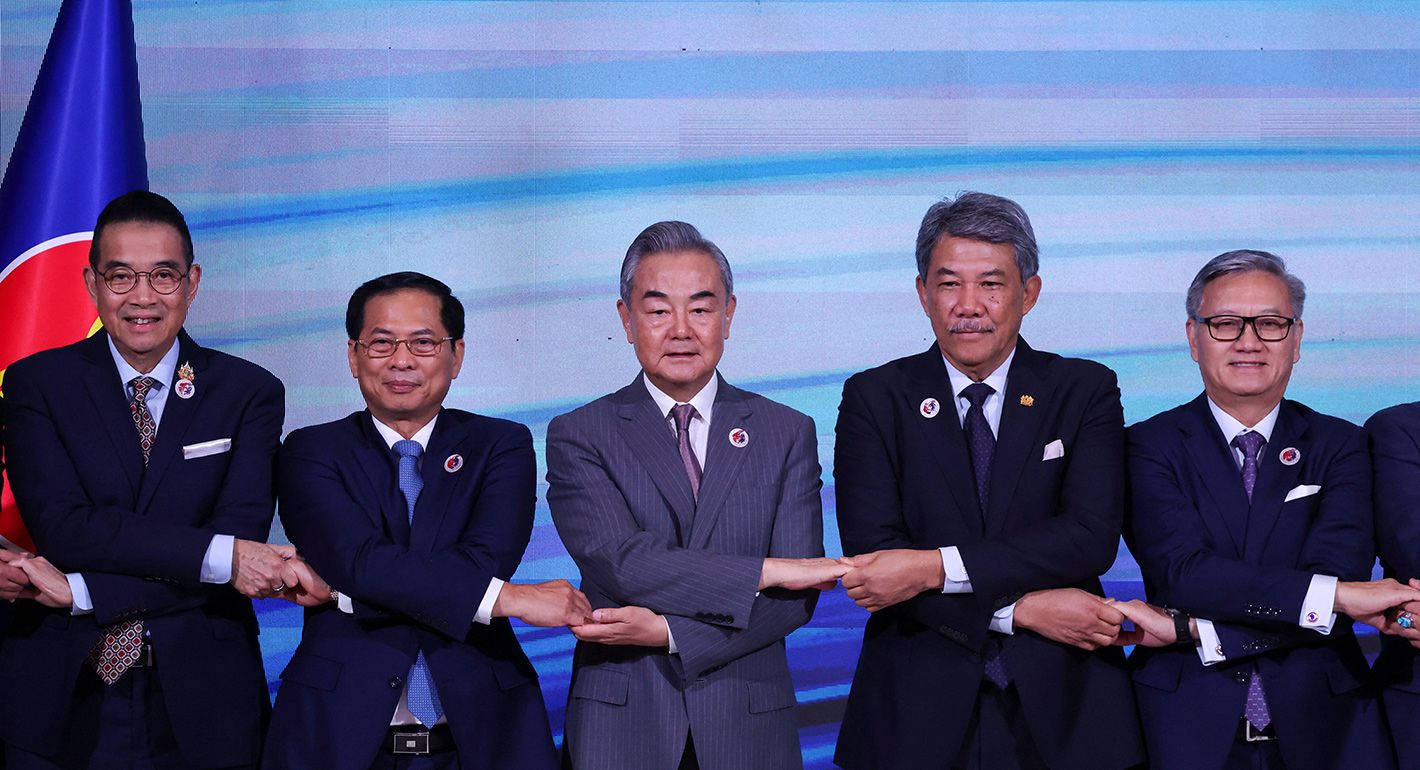
The Thai-Cambodian conflict highlights the limits to China's peacemaker ambition and the significance of this role on Southeast Asia’s balance of power.

Pongphisoot (Paul) Busbarat
Beijing believes that Washington is overestimating its own leverage and its ability to handle the trade war’s impacts.


Rick Waters, Sheena Chestnut Greitens