

Commentary
Beijing is trying to navigate the overall situation regarding Ukraine, especially the substance of interactions between Washington and Moscow.
- +1
Ellen Nakashima, Zhao Long, Pavlo Klimkin, …
{
  "authors": [
    "Andrew S. Weiss"
  ],
  "type": "legacyinthemedia",
  "centerAffiliationAll": "",
  "centers": [
    "Carnegie Endowment for International Peace"
  ],
  "collections": [],
  "englishNewsletterAll": "",
  "nonEnglishNewsletterAll": "",
  "primaryCenter": "Carnegie Endowment for International Peace",
  "programAffiliation": "",
  "programs": [
    "Russia and Eurasia"
  ],
  "projects": [],
  "regions": [
    "Russia"
  ],
  "topics": []
}
Source: Getty
American perceptions of Russia differ greatly from the reality in the country and the changes that have occurred since the collapse of the Soviet Union.
Source: MSNBC’s Weekends With Alex Witt
Speaking with MSNBC’s Alex Witt, Carnegie’s Andrew Weiss explained that the corruption in Sochi can largely be attributed to the “Klondike”-like atmosphere tied with a such a major development project. “Anyone who could get one of this construction contracts, anyone whose relatives could get involved in the construction projects seized on that opportunity,” he said. At the same time, Weiss emphasized that American perceptions of Russia differ greatly from the reality in the country and the changes that have occurred since the collapse of the Soviet Union. There are still serious problems in Russia, but many people still have a “frozen in time” image of the country that is not accurate. “It’s amazing Russia has $50 billion to spend on an Olympics at the moment,” Weiss said. “That’s not something that any of the people in the field would have anticipated ten year [or] twenty years ago.”
Carnegie does not take institutional positions on public policy issues; the views represented herein are those of the author(s) and do not necessarily reflect the views of Carnegie, its staff, or its trustees.
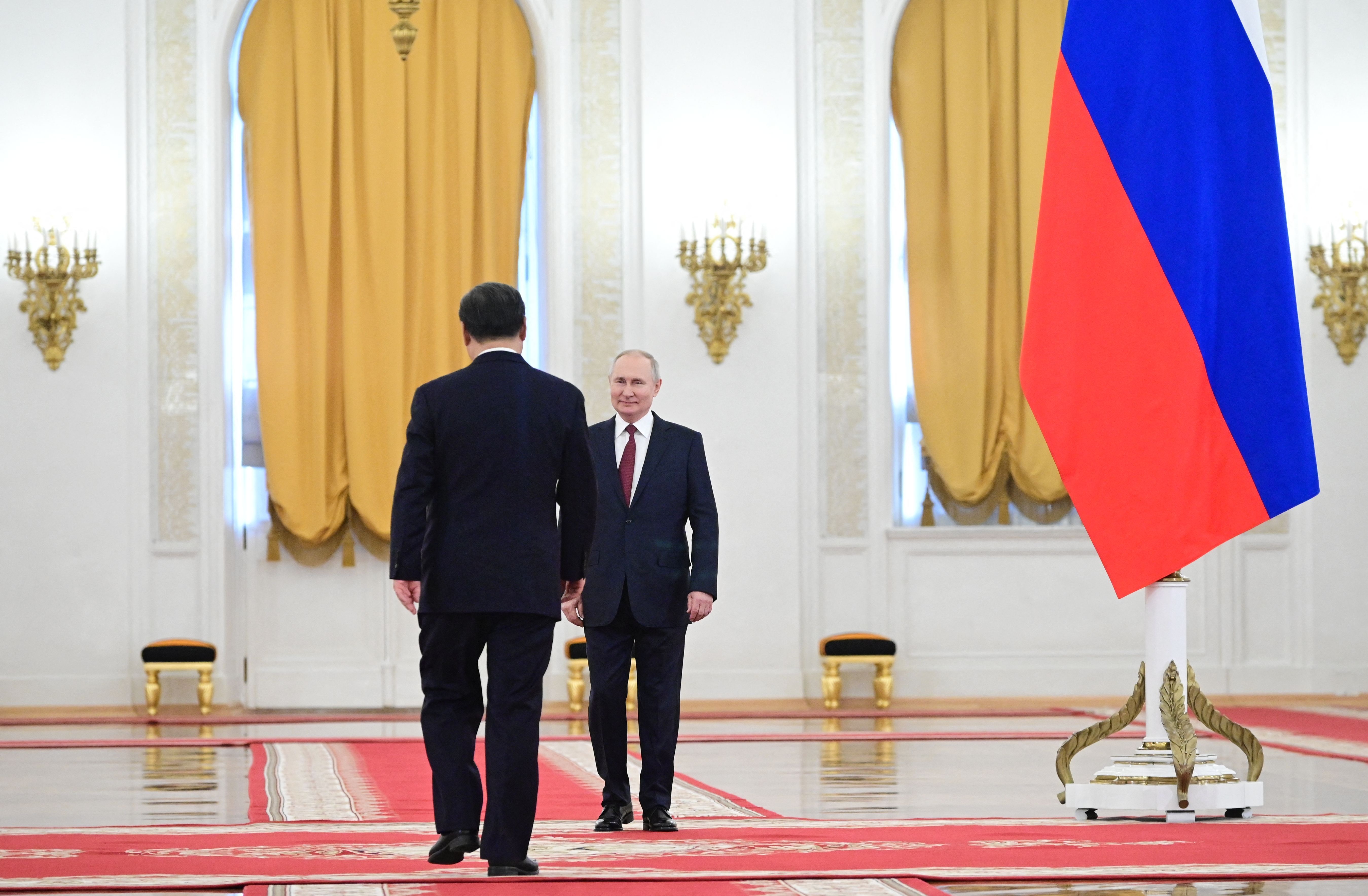
Beijing is trying to navigate the overall situation regarding Ukraine, especially the substance of interactions between Washington and Moscow.

Ellen Nakashima, Zhao Long, Pavlo Klimkin, …
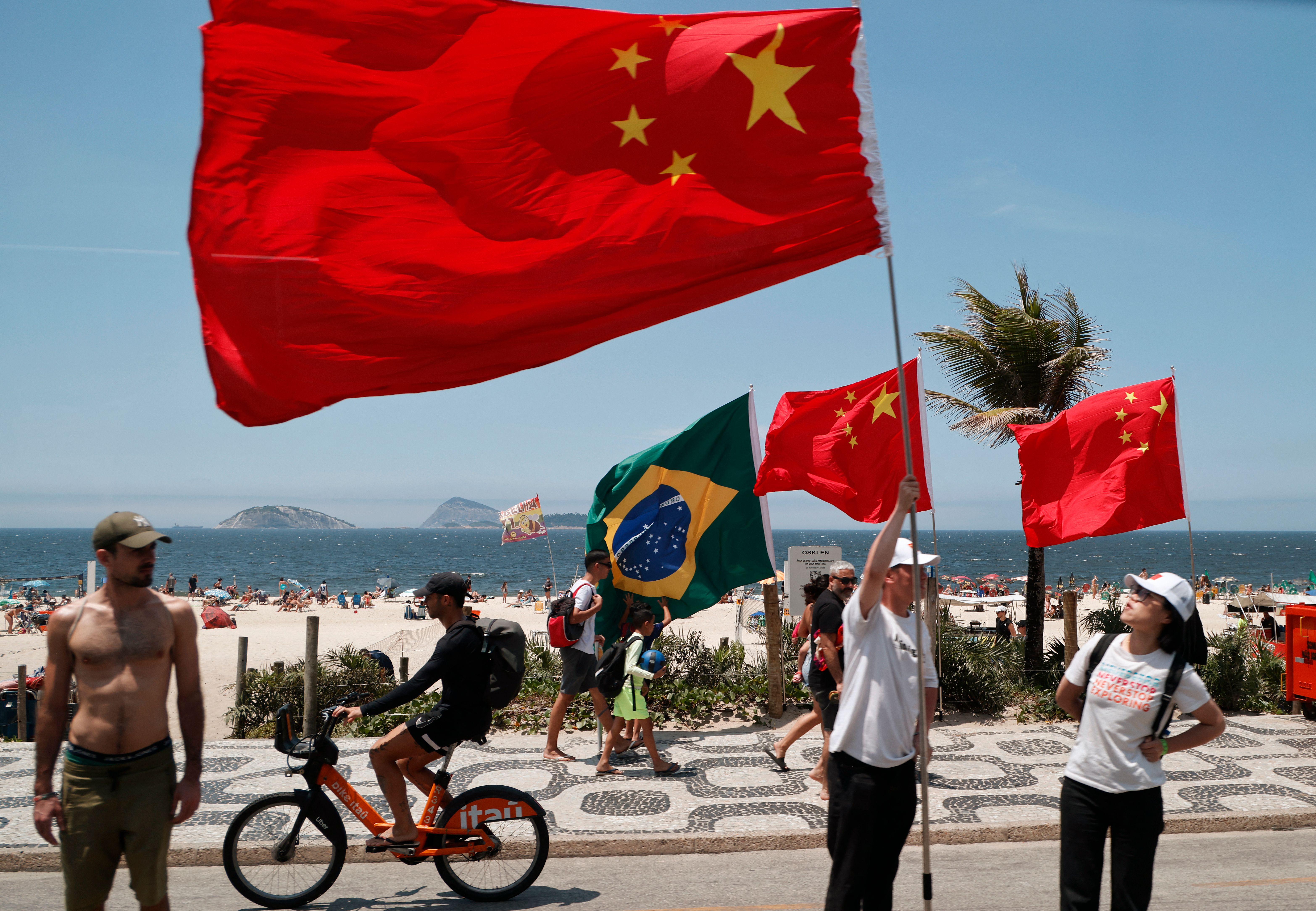
While China will remain a significant political and economic force in the Global South, its ambition to leverage the Global South as a counterbalance to the United States and the Global North is far from assured.

Xue Gong
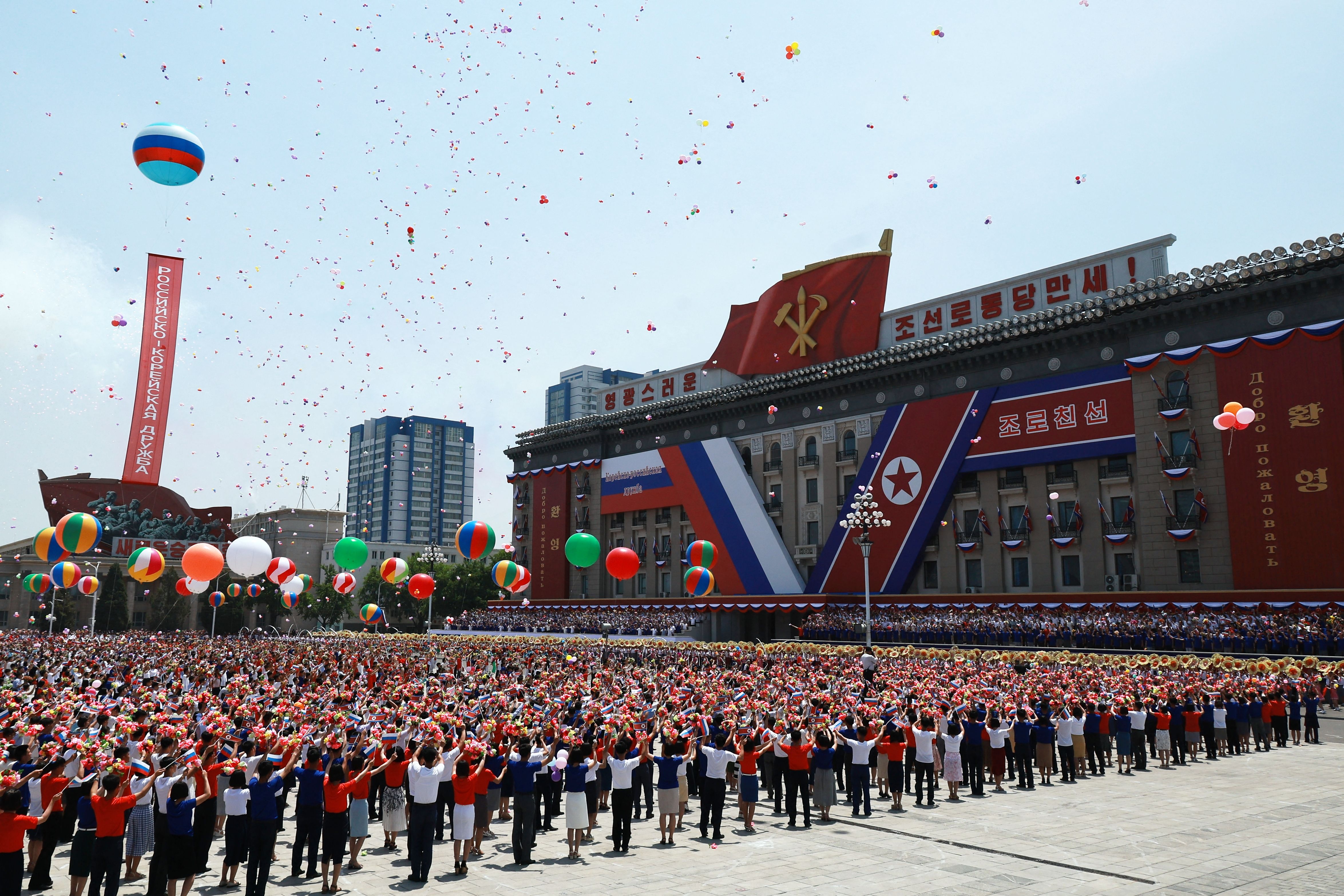
Faced with an increase in strategic maneuvering by Moscow and Pyongyang, Beijing will not sit idly by and allow Putin and Kim to shape the security environment on its behalf.
Tong Zhao
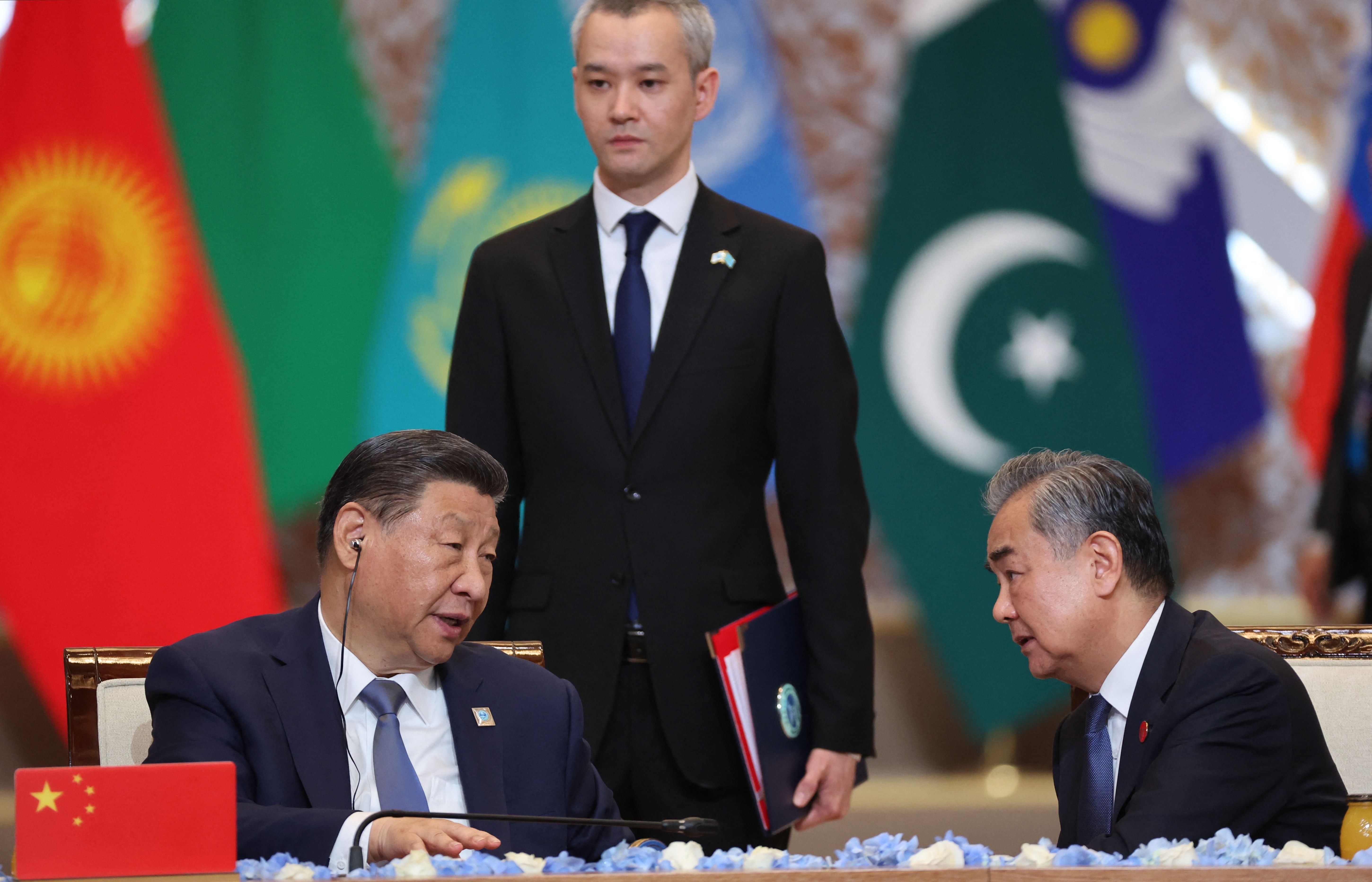
China’s growing attention to Central Asia is perceived as a harbinger of tectonic shifts in regional geopolitics.
Temur Umarov
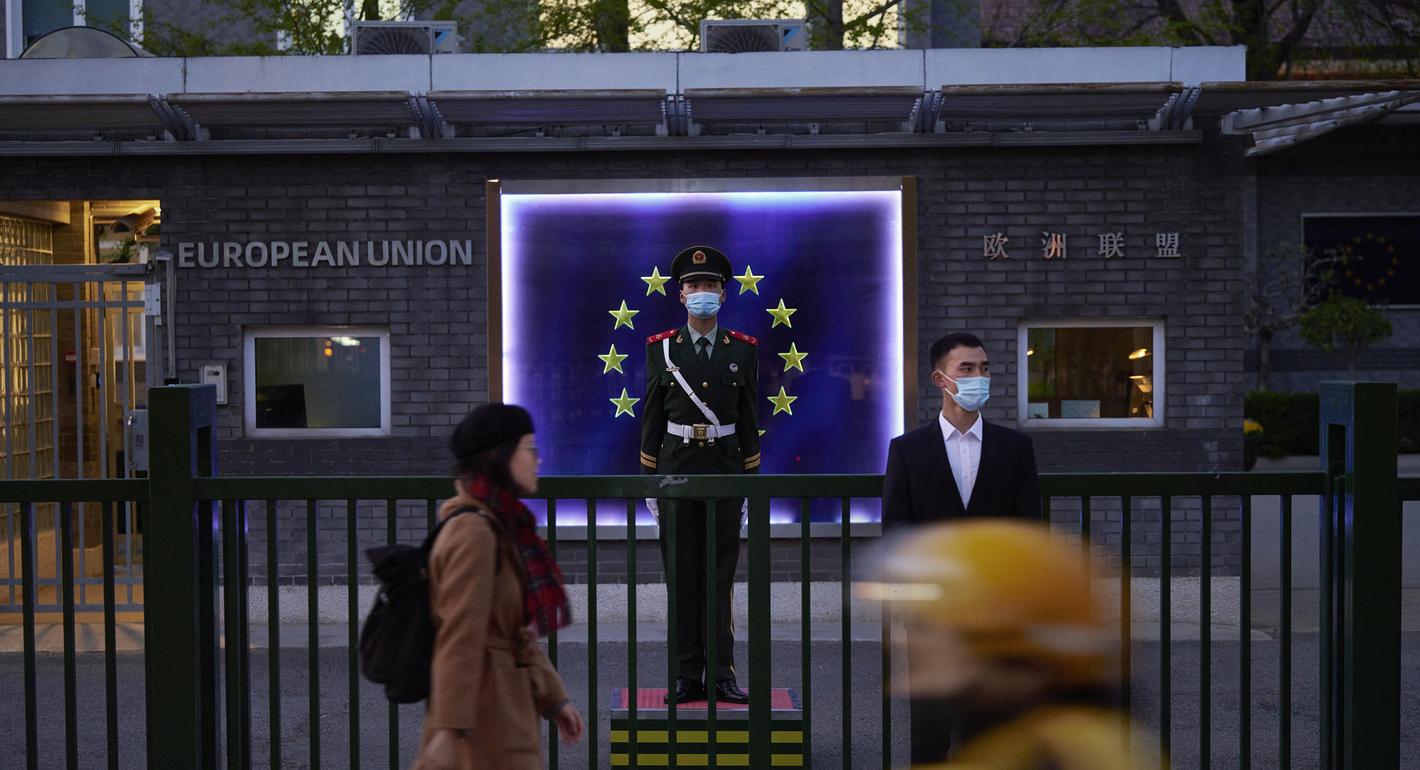
The Russian invasion of Ukraine is a turning point in the EU-China relationship, and evolution of the China-Russia relationship will continue to impact EU-China relations.

Yifan Ding, Alice Ekman