

Commentary
Regulation, not embargo, allows Beijing to shape how other countries and firms adapt to its terms.
Alvin Camba
{
  "authors": [
    "Karim Sadjadpour"
  ],
  "type": "legacyinthemedia",
  "centerAffiliationAll": "",
  "centers": [
    "Carnegie Endowment for International Peace",
    "Malcolm H. Kerr Carnegie Middle East Center"
  ],
  "collections": [],
  "englishNewsletterAll": "",
  "nonEnglishNewsletterAll": "",
  "primaryCenter": "Carnegie Endowment for International Peace",
  "programAffiliation": "",
  "programs": [
    "Middle East"
  ],
  "projects": [],
  "regions": [
    "Middle East",
    "Iran"
  ],
  "topics": [
    "Political Reform",
    "Economy",
    "Trade"
  ]
}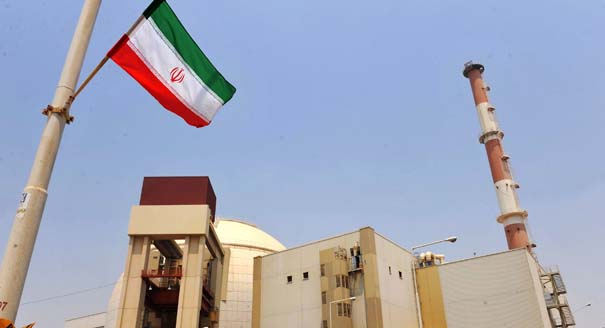
The Iranian nuclear program can at best provide only two percent of Iran’s energy needs. It is an economic catastrophe when compared to the lost foreign investment, oil revenue, and sanctions.
Source: Marketplace
The economic cost of Iran’s nuclear program, in terms of lost foreign investment, oil revenue, and sanctions is about $100 billion dollars, according to Carnegie’s Karim Sadjadpour. Speaking to the Marketplace, Sadjadpour said, “When you look at these enormous costs and you weigh it against what Iran’s nuclear program can really provide in terms of energy, it’s an economic catastrophe.”
“This is a nuclear program which can at best provide only two percent of Iran’s energy needs,” he said, “and in the process of building this nuclear program, they’ve cannibalized their main source of revenue, which is oil and gas.”
Carnegie does not take institutional positions on public policy issues; the views represented herein are those of the author(s) and do not necessarily reflect the views of Carnegie, its staff, or its trustees.
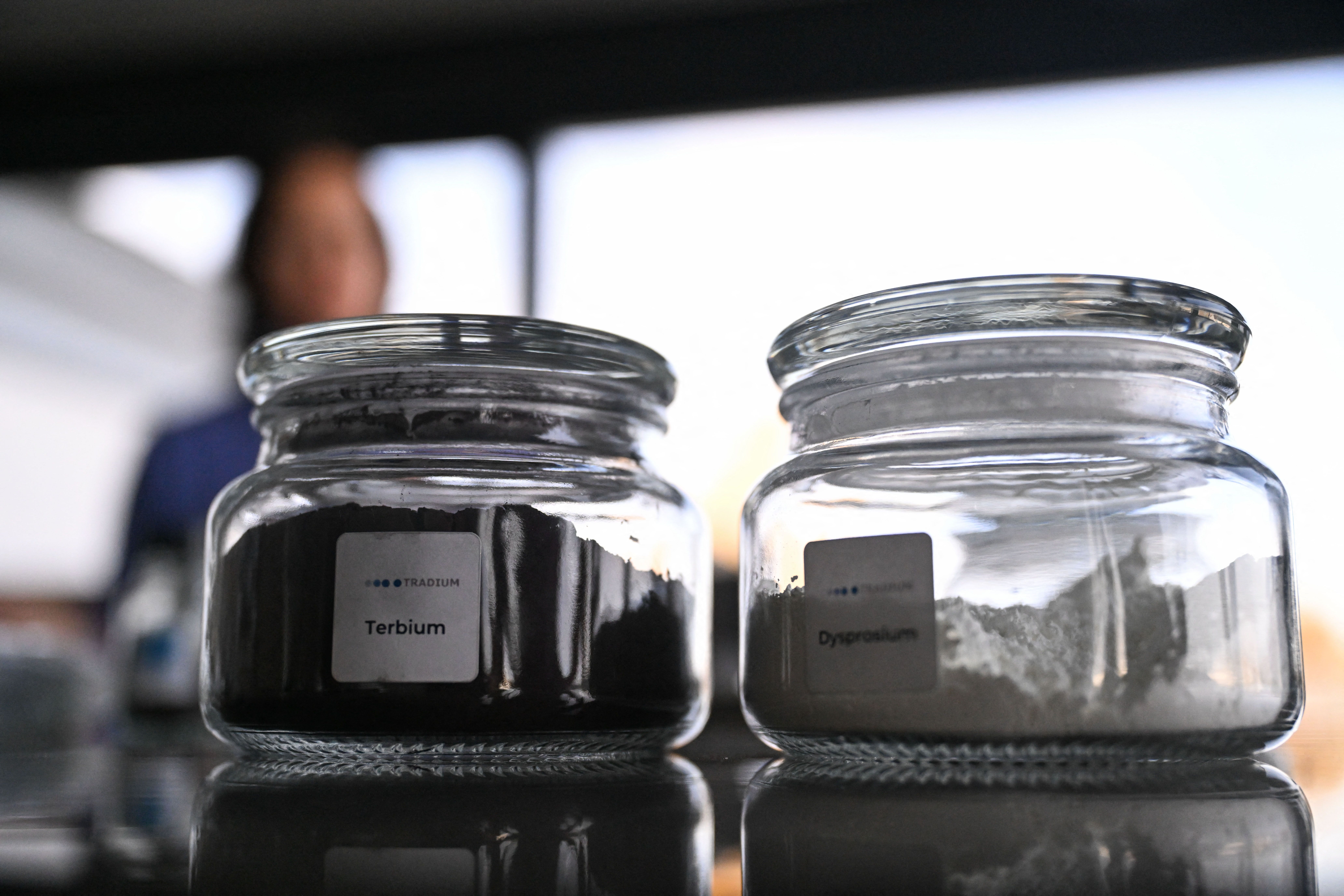
Regulation, not embargo, allows Beijing to shape how other countries and firms adapt to its terms.

Alvin Camba
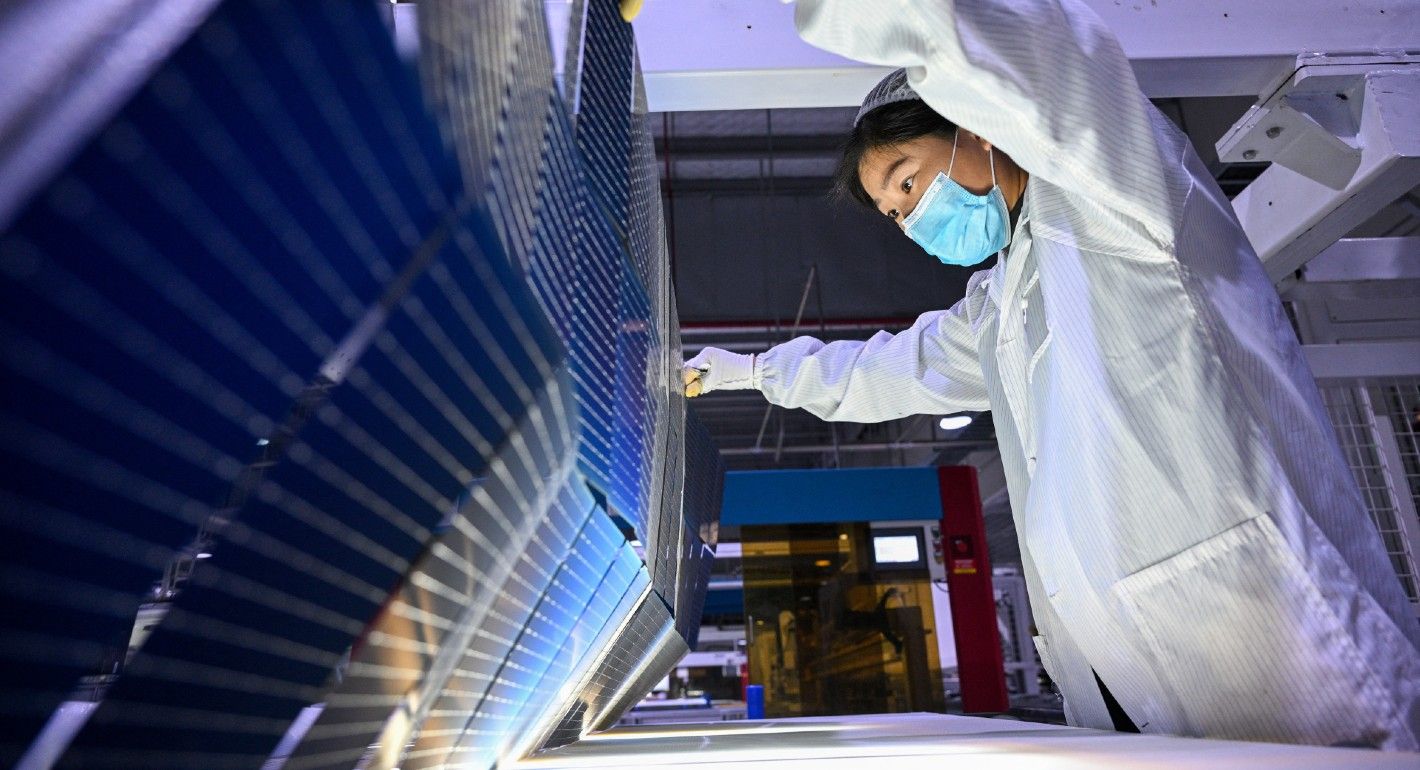
Rather than climate ambitions, compatibility with investment and exports is why China supports both green and high-emission technologies.

Mathias Larsen
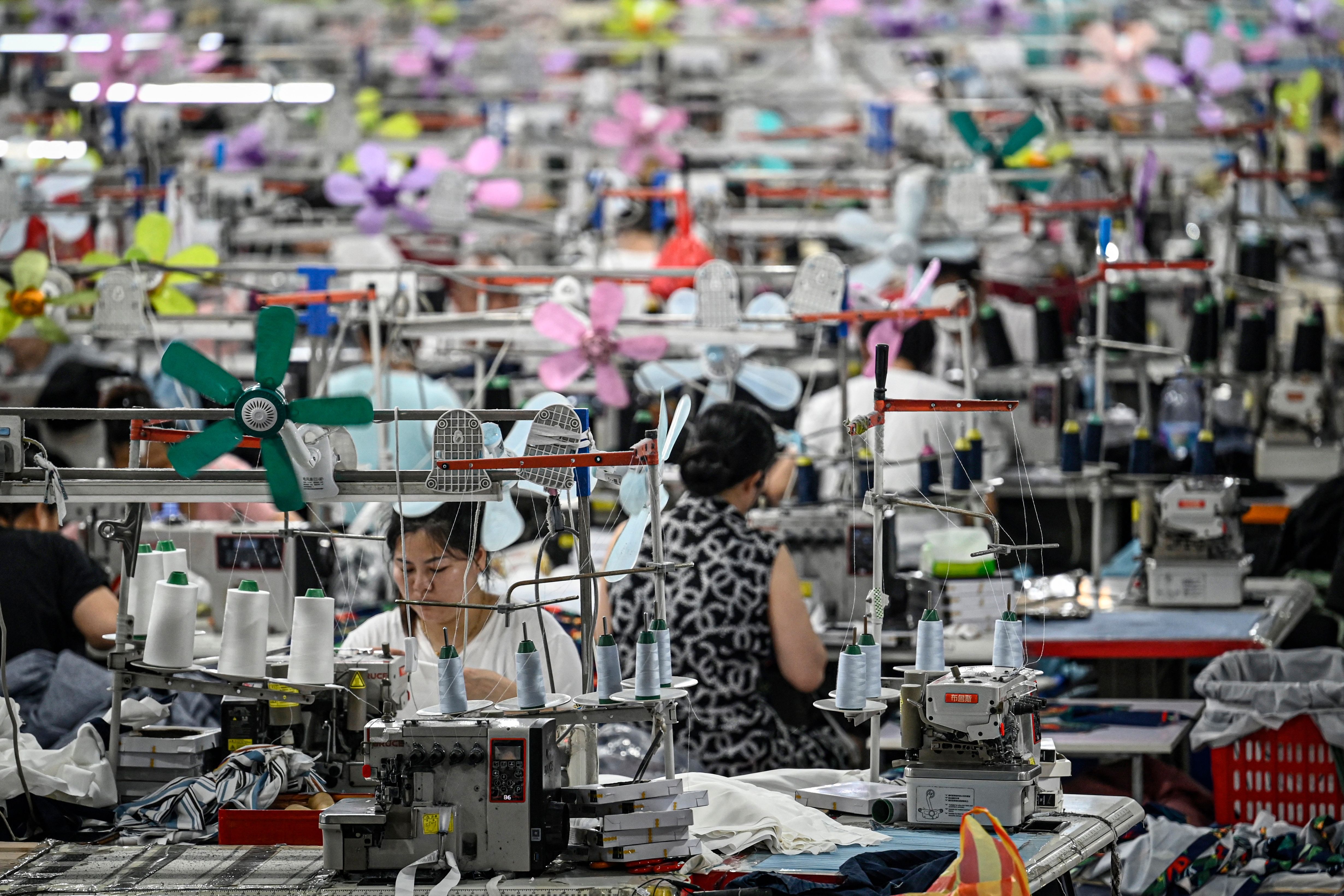
“Involution” is a new word for an old problem, and without a very different set of policies to rein it in, it is a problem that is likely to persist.

Michael Pettis
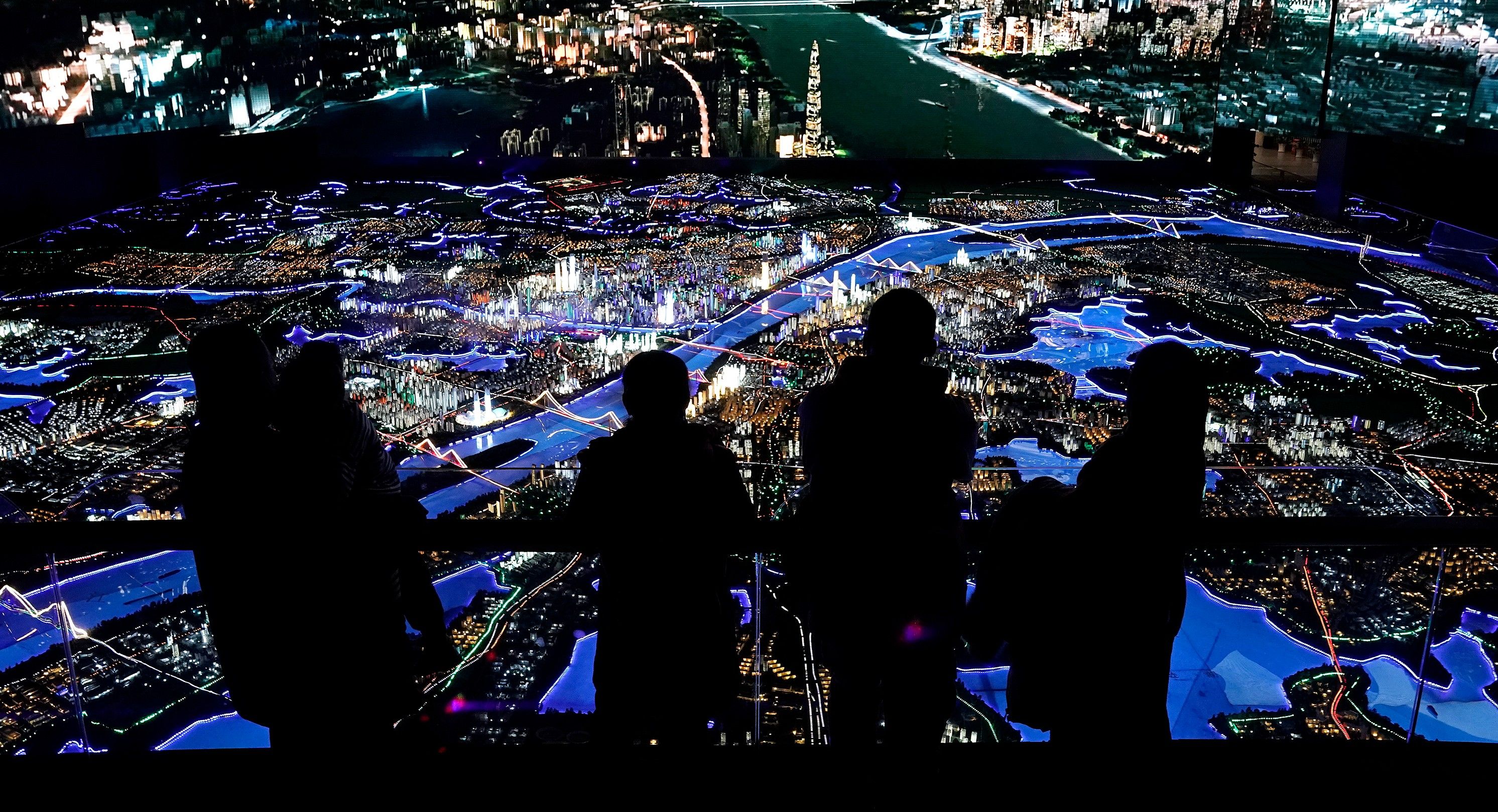
While China's investment story seems contradictory from the outside, the real answers to Beijing's high-quality growth ambitions are hiding in plain sight across the nation's cities.

Yuhan Zhang
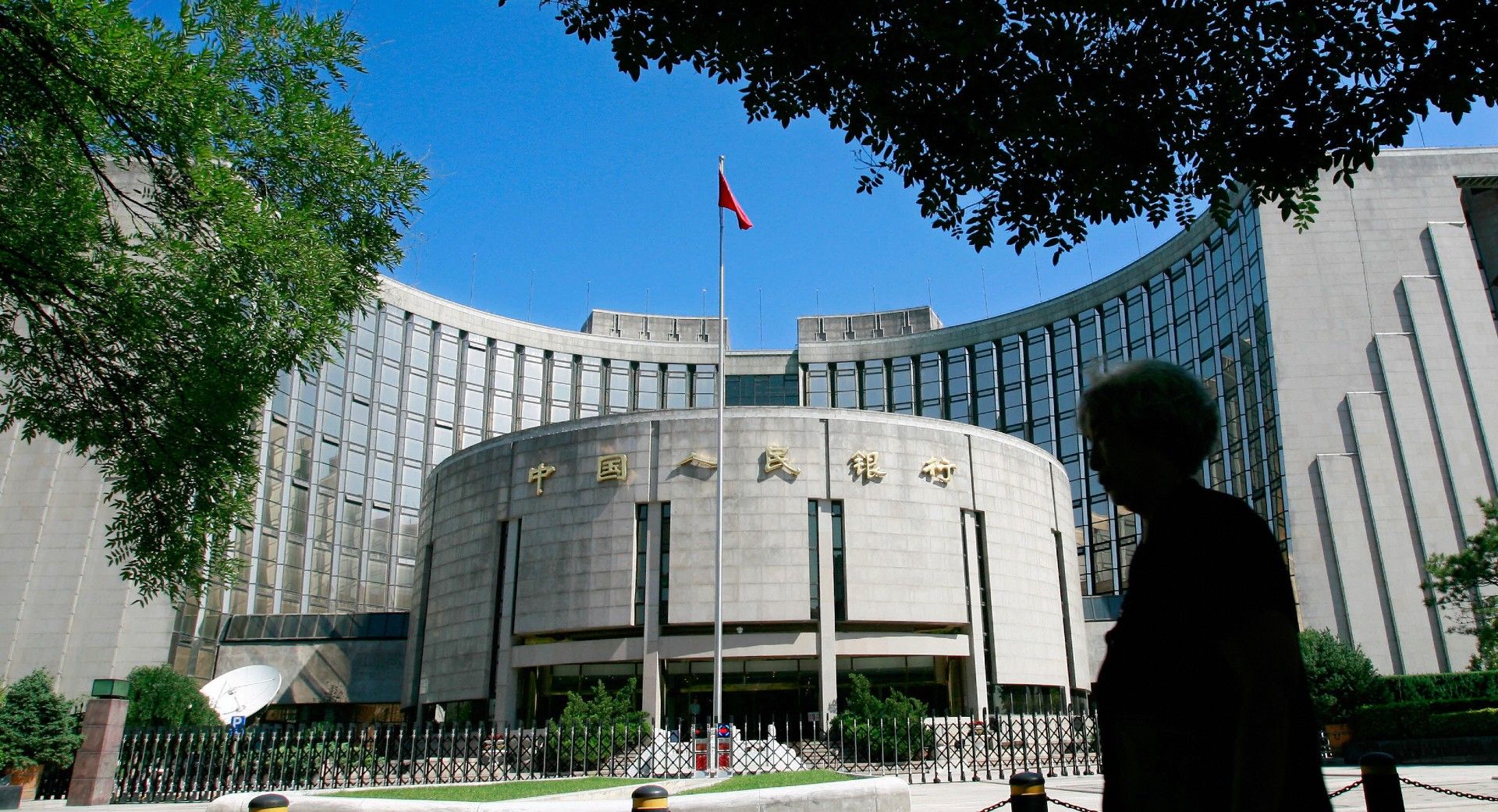
China's stimulus addiction cannot go on forever. Beijing still has policy space to clean up the country's massive debt issue, but time is running short.
Michael Pettis