

Commentary
Rather than climate ambitions, compatibility with investment and exports is why China supports both green and high-emission technologies.
Mathias Larsen
{
  "authors": [
    "Uri Dadush"
  ],
  "type": "legacyinthemedia",
  "centerAffiliationAll": "",
  "centers": [
    "Carnegie Endowment for International Peace",
    "Carnegie Europe"
  ],
  "collections": [
    "EU Integration and Enlargement"
  ],
  "englishNewsletterAll": "",
  "nonEnglishNewsletterAll": "",
  "primaryCenter": "Carnegie Endowment for International Peace",
  "programAffiliation": "",
  "programs": [
    "Europe"
  ],
  "projects": [],
  "regions": [
    "Western Europe",
    "Europe",
    "Iran"
  ],
  "topics": [
    "Economy",
    "EU"
  ]
}
The euro may not be doomed, but those who want to believe that the crisis is over cannot afford to be foolishly complacent, either.
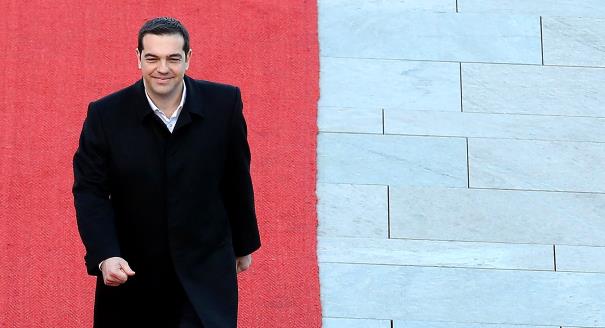
Source: El País
European stock markets are booming, and the European Commission has just upgraded its GDP growth forecasts for this year and next. In 2016, the eurozone could grow faster than the United States. And this is all happening even as the Greek drama approaches its cathartic moment, leading some to speculate that the euro crisis is nearing its end, with or without Greece. Is it?
To answer this vital question, ignore the politics for a moment and focus on economic fundamentals. A look at some of the symptoms of the crisis—the unsustainable rise of sovereign debt and vulnerable banks and, at its fundamental cause, the lost competitiveness of the periphery—shows that remarkable progress has been made. Deficits have been cut, and governments (with the exception of Greece’s) are borrowing at the lowest interest rates in memory. The largest banks have passed stringent solvency tests or are replenishing their capital, and their loans to the private sector are growing. Ireland, Spain, Portugal, and Greece—yes, even Greece—have clawed back their labor cost disadvantage vis-à-vis their trading partners. What is more, the eurozone’s crisis-fighting arsenal, once empty, is now brimming with weapons—dedicated rescue funds, powerful monetary policy tools that can backstop both banks and sovereigns, tight fiscal rules, and bank supervision by the European Central Bank (ECB).These facts certainly mean that the monetary union is robust and that it is wrong to despair about the future of the euro, as many doomsayers in the English-language press are still inclined to do. However, it would be irresponsible to assume that the crisis is past and that a Greek default or outright exit from the eurozone can be easily handled. The first and most obvious cause for caution is political. The high-stakes poker game being played between Greece and its creditors is a contest of weak hands, pitting a people exhausted and radicalized by six years of economic depression against eighteen other nations that are themselves under duress and disinclined to pay for what they perceive to be the mistakes of others. Should “Grexit” occur now or years down the road, how the fractious politics of keeping together a truncated eurozone will change is anybody’s guess. It is a question to which the wise prefer not to find out the answer.
In the best of circumstances, reducing debt and unemployment in the periphery to acceptable levels will take many years. However, the fortunate constellation of low oil prices, a high dollar, and record low interest rates that is currently supporting growth across Europe is unlikely to last. The boost to global demand from low oil prices is temporary, and we are already seeing big cutbacks in energy investment and Russian imports. The high dollar reflects divergent growth paths, which favor the United States at present, but its persistence is implausible since the United States already runs a sizable trade deficit and the eurozone a surplus. As for the ECB’s record low interest rates, they may well turn out to be inconsistent with growth and full employment in Germany as well as with rising interest rates on the other shore of the Atlantic.
The final cause for caution is that Italy, the eurozone’s third-largest economy, has—in contrast to the rest of the periphery—so far shown few signs of recovering its competitiveness. Even with the high dollar, its unit labor costs remain out of line compared with those of its main trading partners, especially Germany. Italy’s exports are growing but, unlike those of other periphery countries, have continued to lose share in their main markets. World Bank measures of business climate and corruption still place Italy at the level of developing countries. Budget cutting will likely prevent Italy’s national bankruptcy. But it is difficult to see how, unless far-reaching reforms to remedy its persistent competitiveness deficit are enacted, the country can reestablish sufficient and sustained growth. Spain, Ireland, and Portugal are further advanced in their reform process than Italy and have better prospects, but even so, they each face their own specific array of formidable political and economic challenges.
Those who think that the euro is doomed are misguided, but those who want to believe that the drama in Greece is overdone and that the euro crisis is fading are foolishly complacent.
Carnegie does not take institutional positions on public policy issues; the views represented herein are those of the author(s) and do not necessarily reflect the views of Carnegie, its staff, or its trustees.
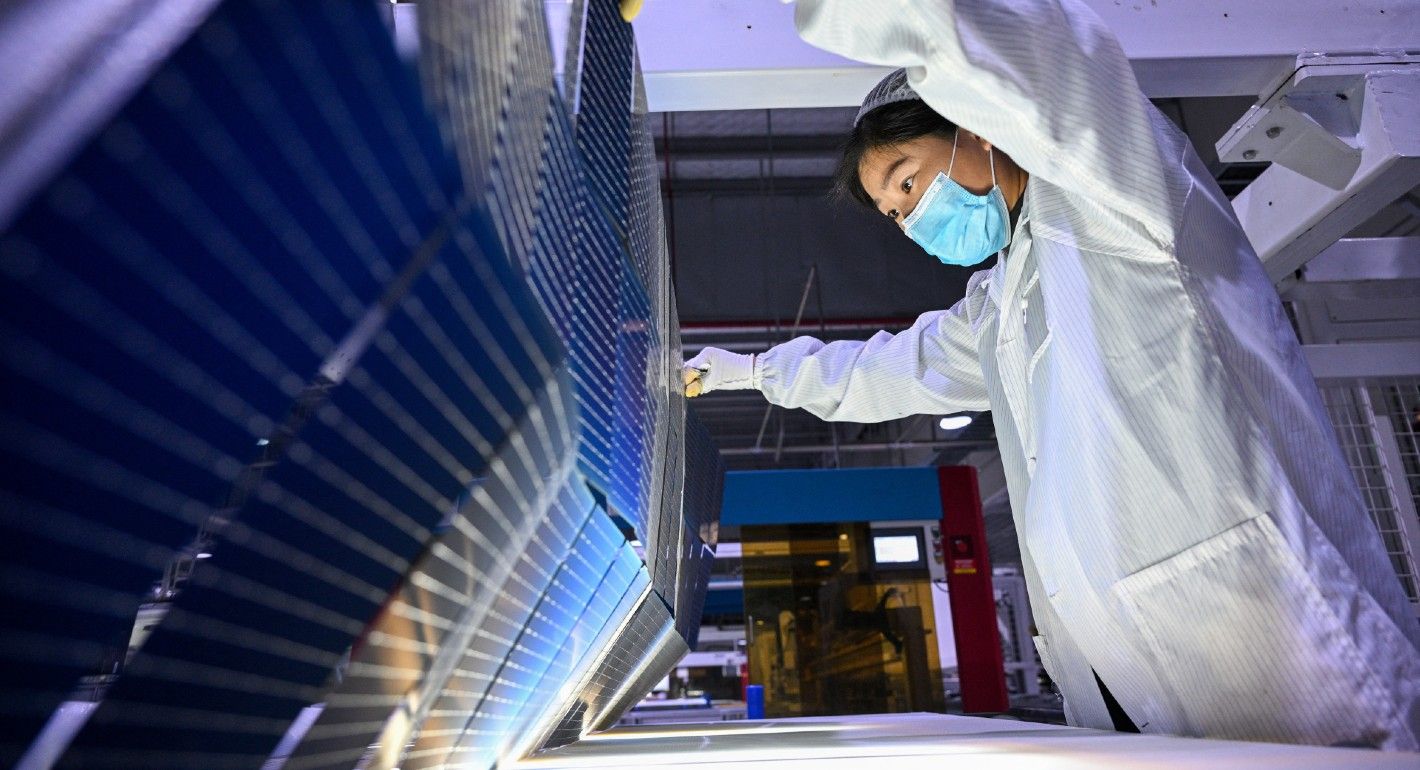
Rather than climate ambitions, compatibility with investment and exports is why China supports both green and high-emission technologies.

Mathias Larsen
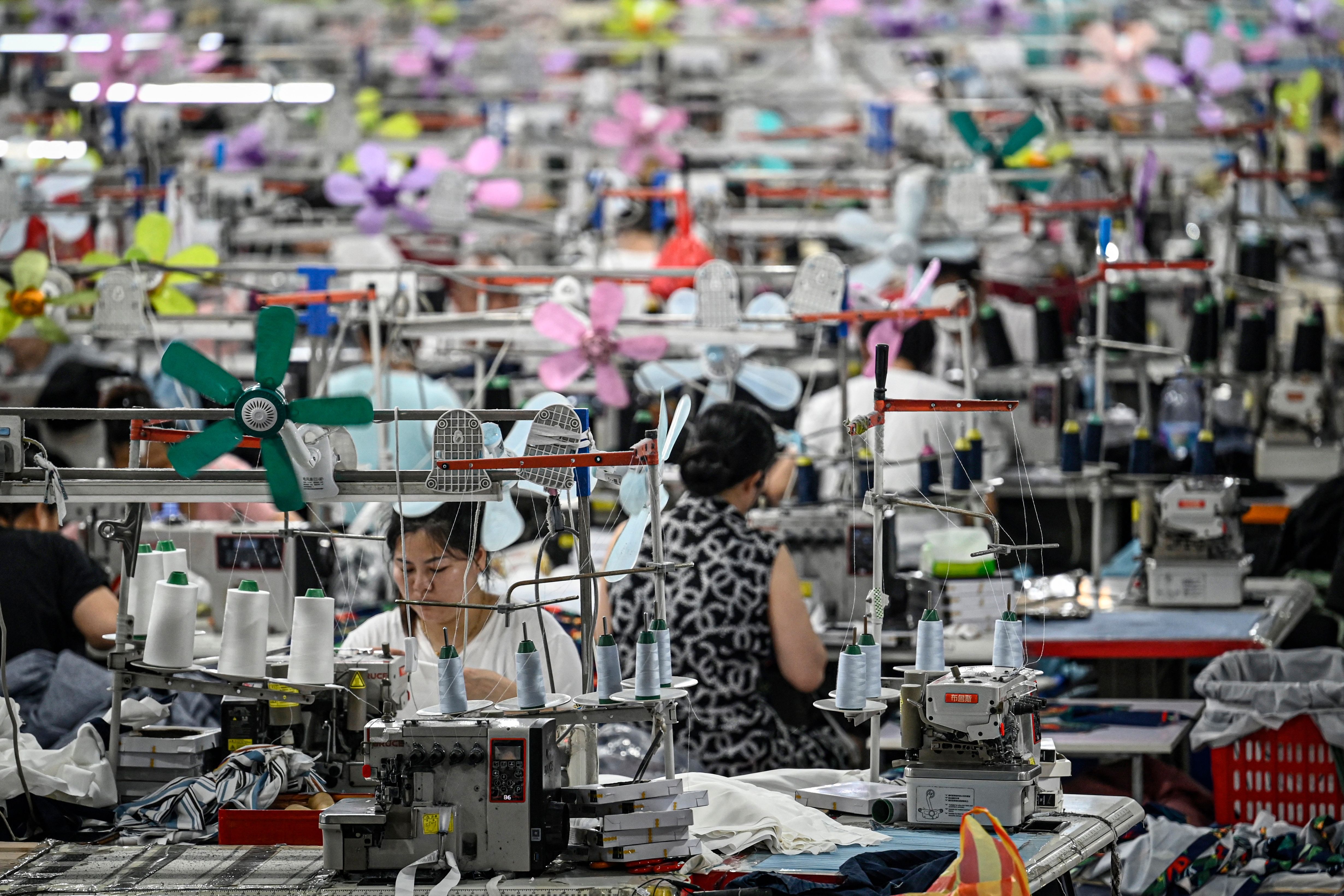
“Involution” is a new word for an old problem, and without a very different set of policies to rein it in, it is a problem that is likely to persist.

Michael Pettis

While China's investment story seems contradictory from the outside, the real answers to Beijing's high-quality growth ambitions are hiding in plain sight across the nation's cities.

Yuhan Zhang
China's stimulus addiction cannot go on forever. Beijing still has policy space to clean up the country's massive debt issue, but time is running short.
Michael Pettis
A quick look at the complexities behind Beijing’s enduring Catch-22 situation with revaluing the Renminbi, despite advantages of a stronger currency.
Michael Pettis