

Commentary
Malaysia’s chairmanship sought to fend off short-term challenges while laying the groundwork for minimizing ASEAN’s longer-term exposure to external stresses.
Elina Noor
{
  "authors": [
    "Richard Sokolsky",
    "Jeremy Shapiro"
  ],
  "type": "legacyinthemedia",
  "centerAffiliationAll": "",
  "centers": [
    "Carnegie Endowment for International Peace"
  ],
  "collections": [],
  "englishNewsletterAll": "",
  "nonEnglishNewsletterAll": "",
  "primaryCenter": "Carnegie Endowment for International Peace",
  "programAffiliation": "",
  "programs": [],
  "projects": [],
  "regions": [
    "North America",
    "United States",
    "Middle East",
    "Saudi Arabia",
    "Yemen"
  ],
  "topics": [
    "Security",
    "Foreign Policy"
  ]
}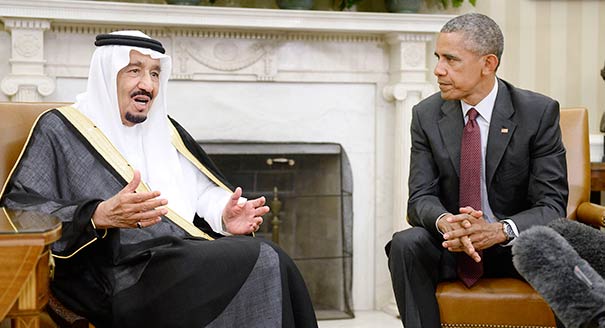
The United States should understand that it holds most of the cards and that it can use military assistance, among other tools, to push Saudi policy in a direction that favorable to U.S. interests.
Source: War on the Rocks
Americans have not paid much attention to the war In Yemen. With all eyes on Syria and the neo-Cold War rivalry there with Russia, Yemen did not come up at all in the presidential debates. Yet according to UN figures, the war has left 10,000 dead and 900,000 civilians displaced — and it arguably implicates the United States even more than the Syrian conflict.
The Saudi Arabian intervention in Yemen, which began in March 2015, has been aided and abetted from the beginning by the United States. U.S.-supplied military aircraft, refueled by U.S. tanker planes and directed by U.S. intelligence assets, are bombing Yemen almost daily with U.S.-made weapons....
Carnegie does not take institutional positions on public policy issues; the views represented herein are those of the author(s) and do not necessarily reflect the views of Carnegie, its staff, or its trustees.
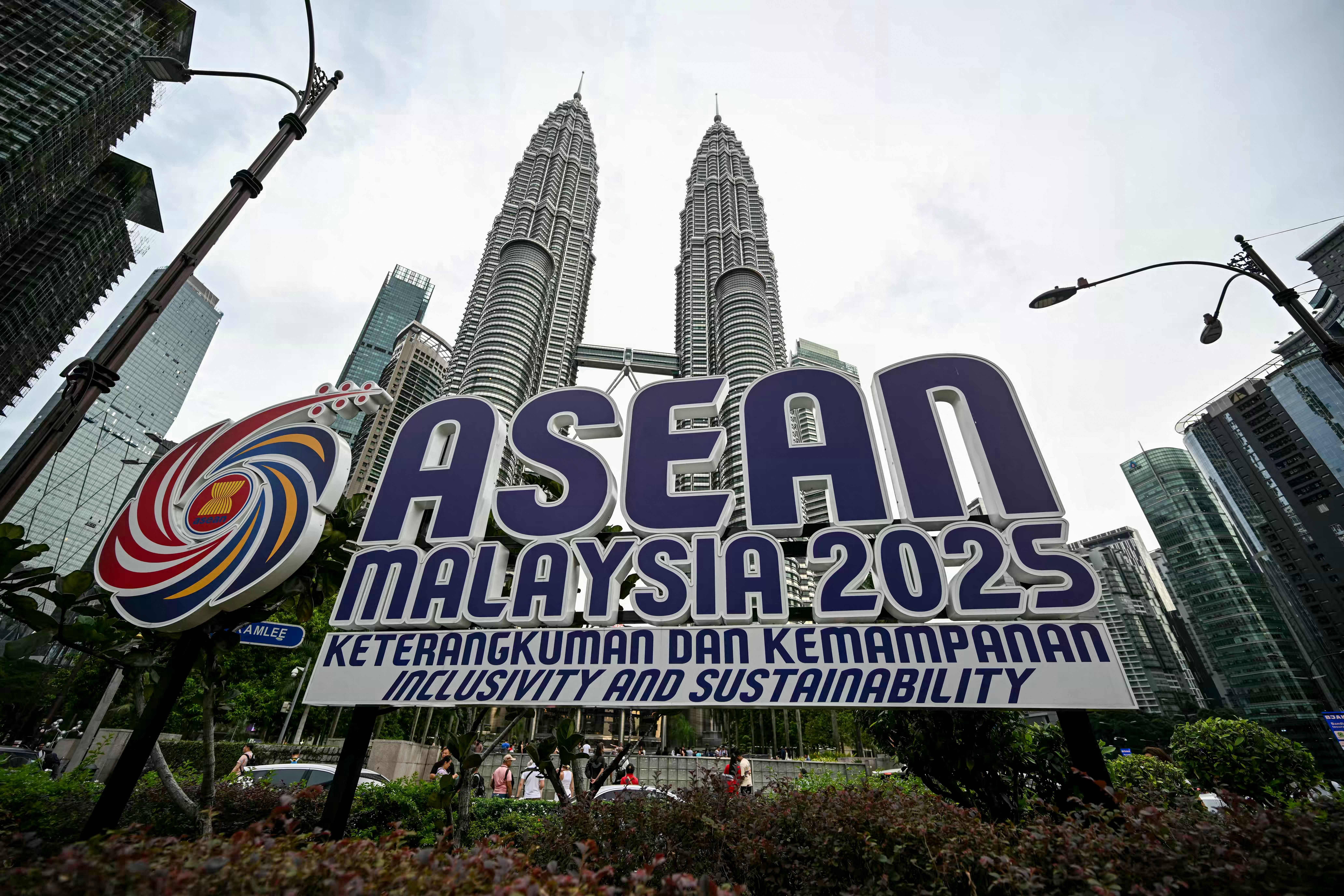
Malaysia’s chairmanship sought to fend off short-term challenges while laying the groundwork for minimizing ASEAN’s longer-term exposure to external stresses.

Elina Noor
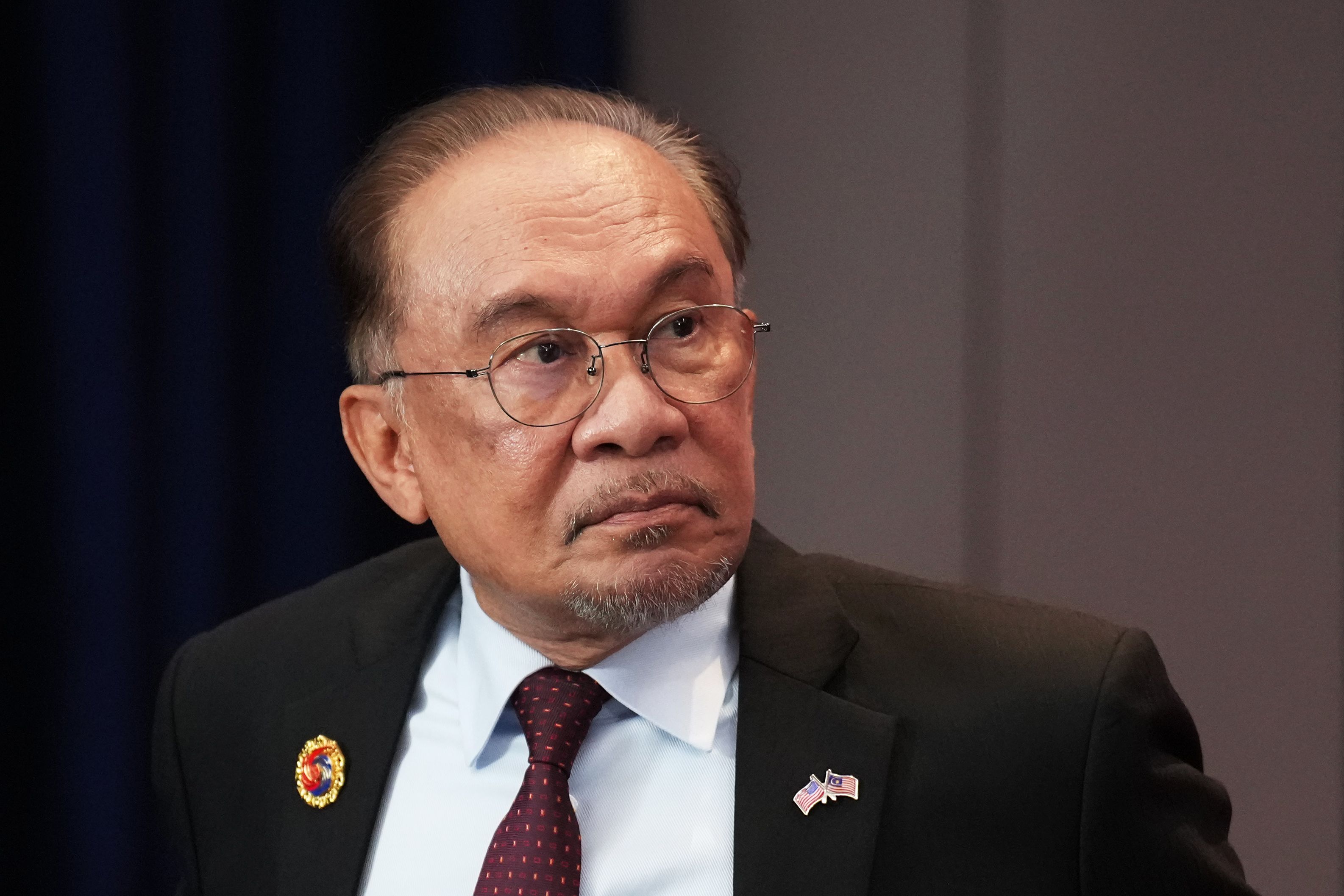
For Malaysia, the conjunction that works is “and” not “or” when it comes to the United States and China.
Elina Noor
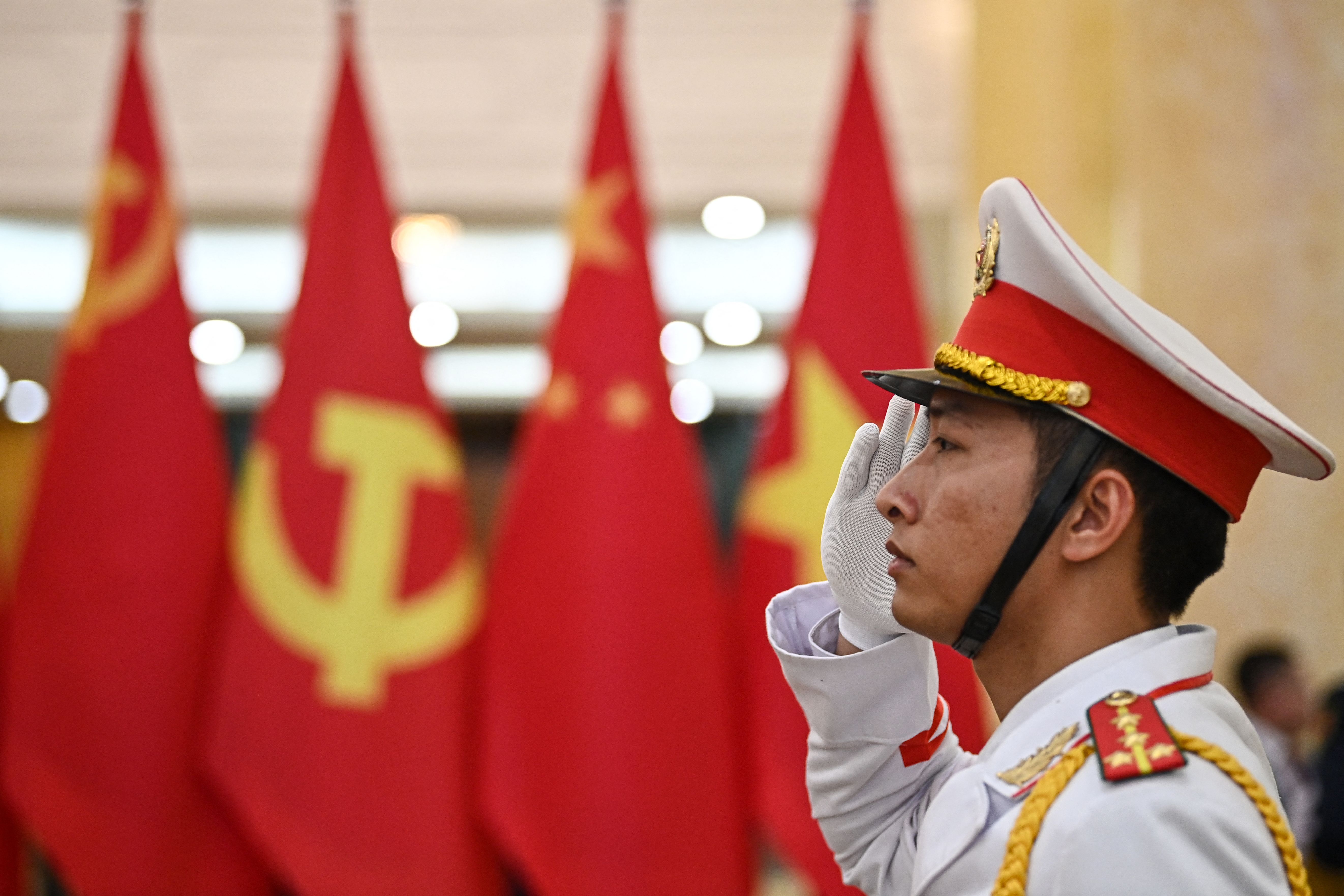
In July 2025, Vietnam and China held their first joint army drill, a modest but symbolic move reflecting Hanoi’s strategic hedging amid U.S.–China rivalry.

Nguyễn Khắc Giang

Regulation, not embargo, allows Beijing to shape how other countries and firms adapt to its terms.
Alvin Camba
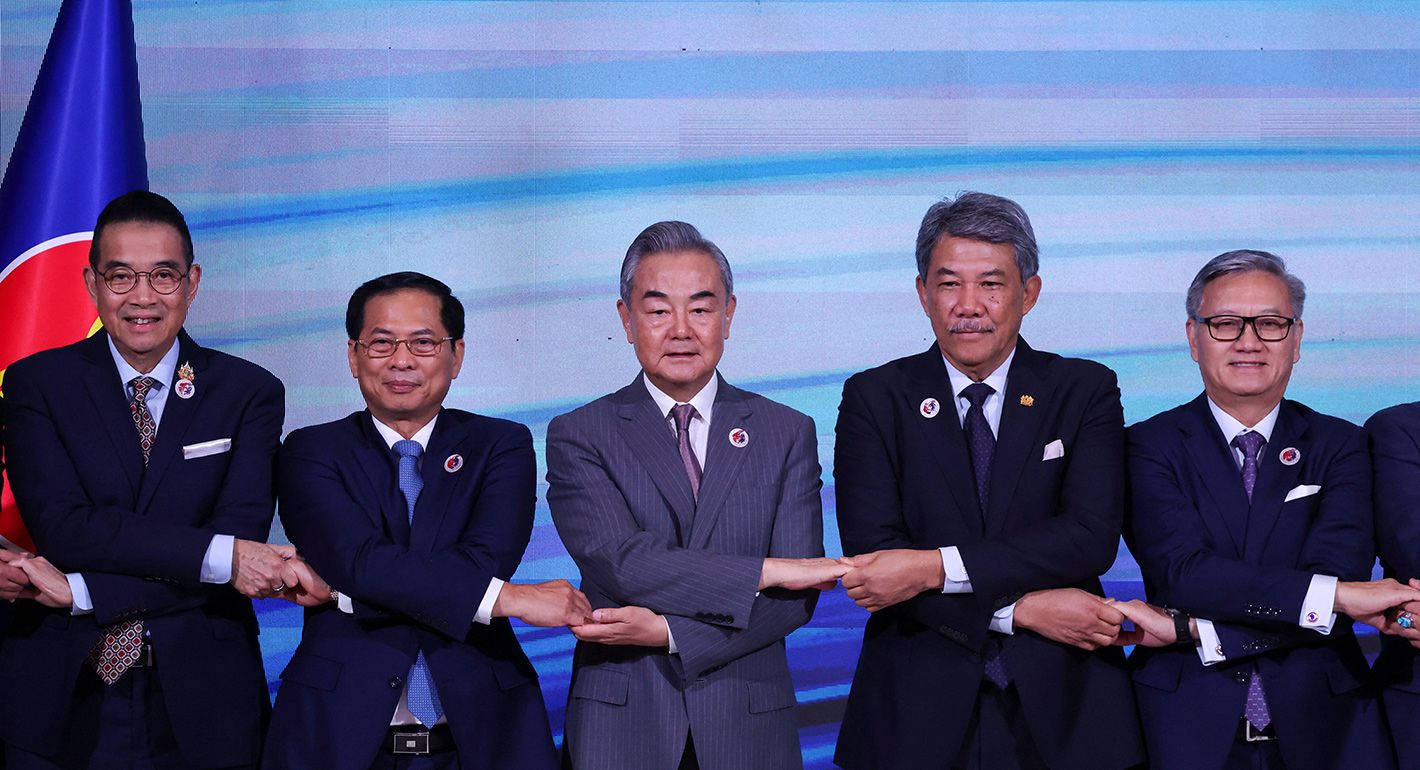
The Thai-Cambodian conflict highlights the limits to China's peacemaker ambition and the significance of this role on Southeast Asia’s balance of power.

Pongphisoot (Paul) Busbarat