

Commentary
Malaysia’s chairmanship sought to fend off short-term challenges while laying the groundwork for minimizing ASEAN’s longer-term exposure to external stresses.
Elina Noor
{
  "authors": [
    "Aaron David Miller"
  ],
  "type": "legacyinthemedia",
  "centerAffiliationAll": "",
  "centers": [
    "Carnegie Endowment for International Peace",
    "Malcolm H. Kerr Carnegie Middle East Center"
  ],
  "collections": [],
  "englishNewsletterAll": "",
  "nonEnglishNewsletterAll": "",
  "primaryCenter": "Carnegie Endowment for International Peace",
  "programAffiliation": "",
  "programs": [
    "Democracy, Conflict, and Governance"
  ],
  "projects": [],
  "regions": [
    "North America",
    "United States",
    "Middle East",
    "Iran"
  ],
  "topics": [
    "Political Reform",
    "Security",
    "Military",
    "Foreign Policy",
    "Global Governance"
  ]
}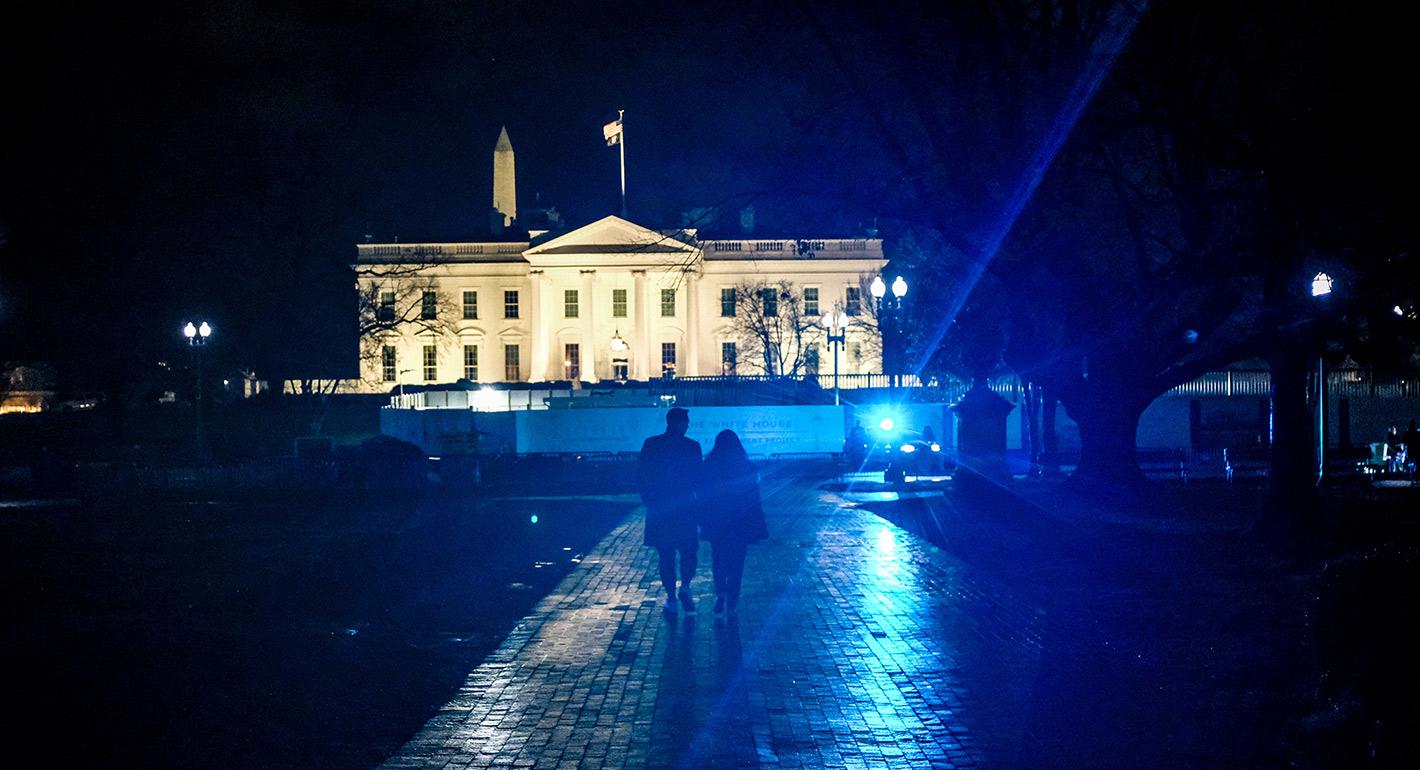
A major war with Iran is by no means inevitable. But the killing of Gen. Qassem Soleimani is a roll of the dice that just might take us there.
Source: USA Today
Iran now presents Donald Trump with the first real-time crisis of his presidency, illustrated in stark terms Tuesday when Iran launched ballistic missiles at two Iraqi bases hosting U.S. and Iraqi troops. And not surprisingly, he is handling it in a way that embodies all the worst elements of his management of national security issues. Unfortunately, Trump also seems to have abandoned one of the more positive aspects of his approach to foreign policy: a reluctance to get into new and unwinnable conflicts in the Middle East.
A major war with Iran is by no means inevitable. But the killing of Gen. Qassem Soleimani is a roll of the dice that just might take us there.
The external signs of crisis mismanagement are already apparent. The president’s threats against Iran have inflamed an Iranian public already at fever pitch against the United States. His promise — twice — to attack Iran’s cultural sites should it respond violently against the United States was not only a provocation, it was also a potential war crime. Trump belatedly recognized that, but no statement did as much to undermine the American narrative that it’s at war with the Iranian regime, not the Iranian people.
Carnegie does not take institutional positions on public policy issues; the views represented herein are those of the author(s) and do not necessarily reflect the views of Carnegie, its staff, or its trustees.
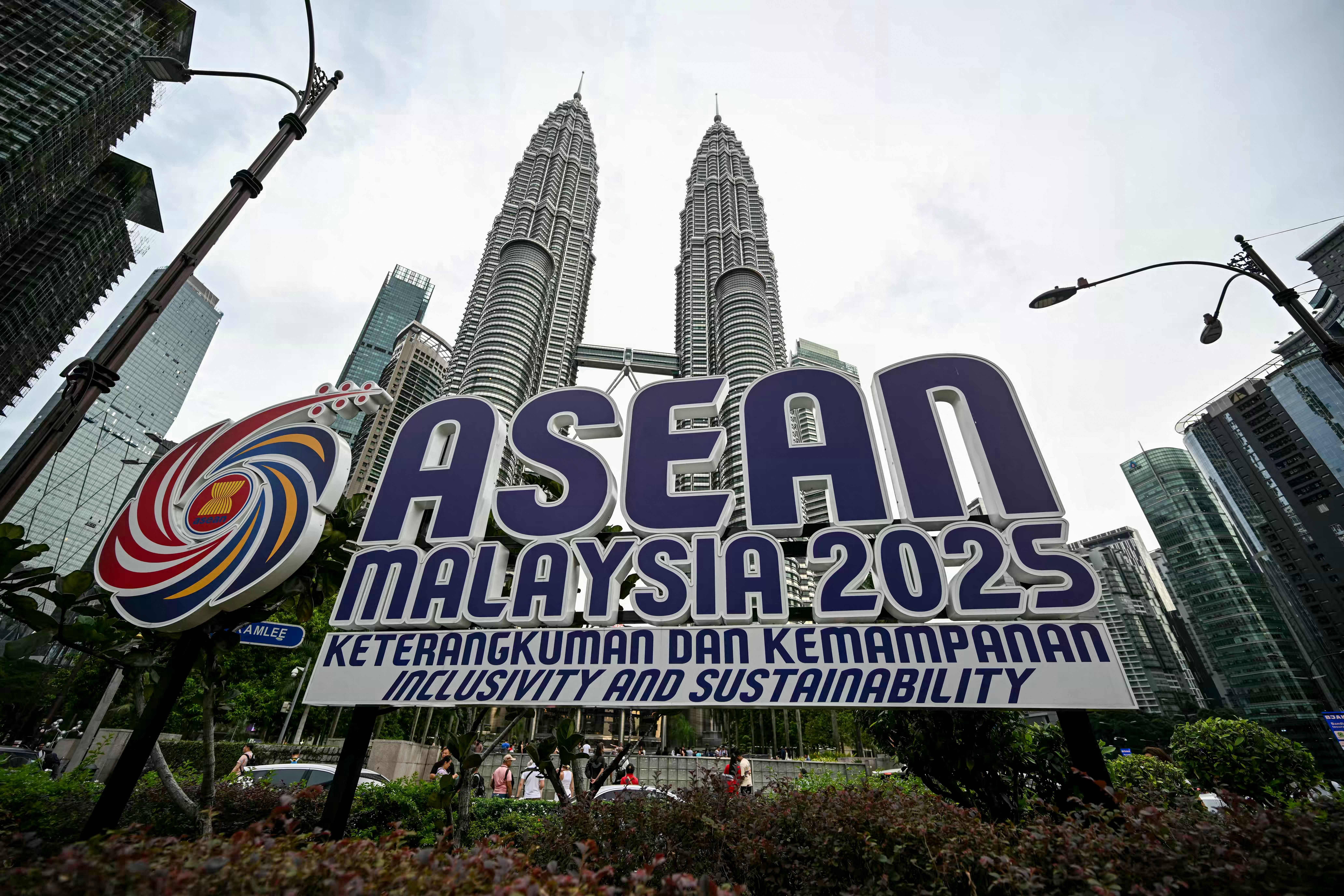
Malaysia’s chairmanship sought to fend off short-term challenges while laying the groundwork for minimizing ASEAN’s longer-term exposure to external stresses.

Elina Noor
For Malaysia, the conjunction that works is “and” not “or” when it comes to the United States and China.
Elina Noor
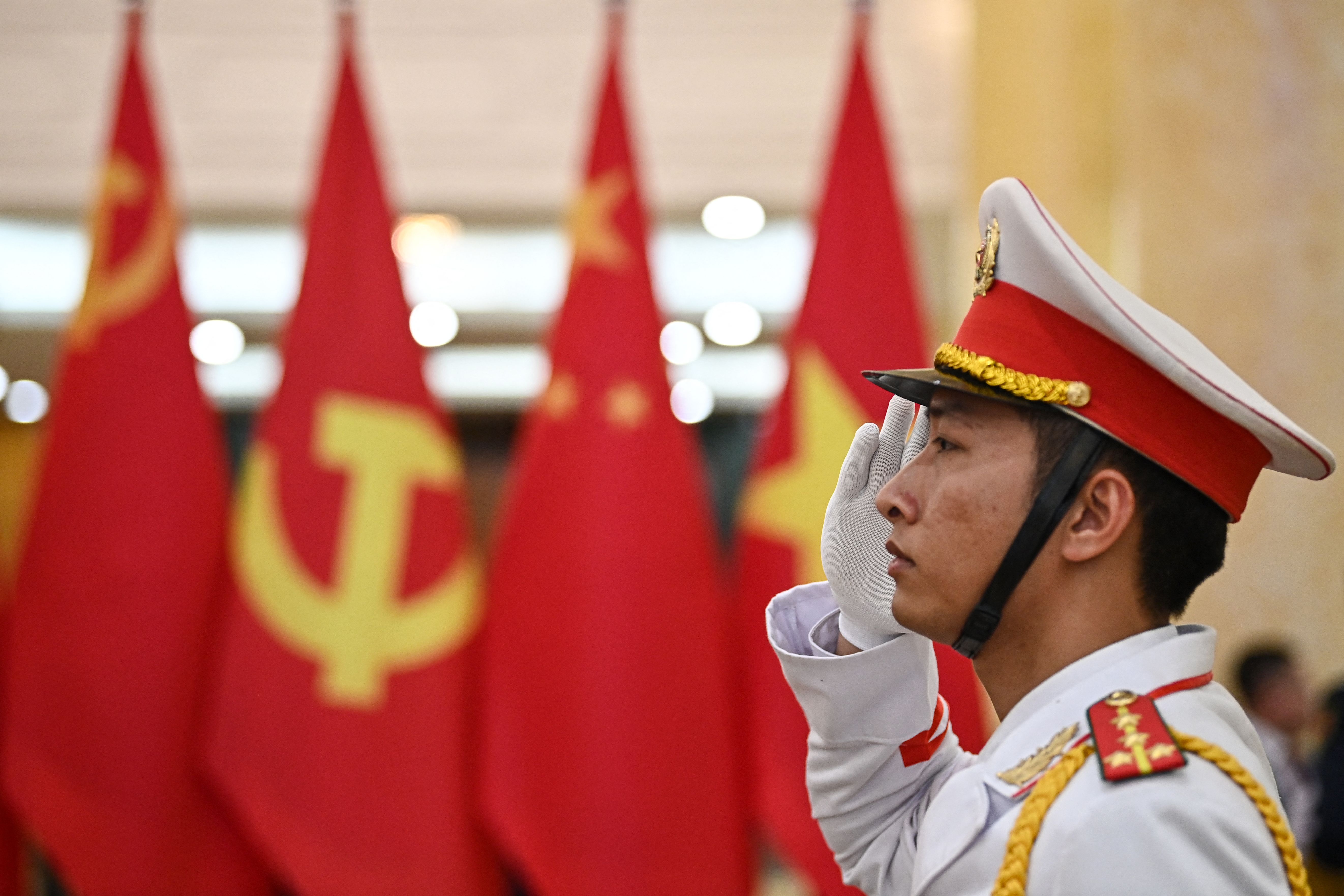
In July 2025, Vietnam and China held their first joint army drill, a modest but symbolic move reflecting Hanoi’s strategic hedging amid U.S.–China rivalry.

Nguyễn Khắc Giang
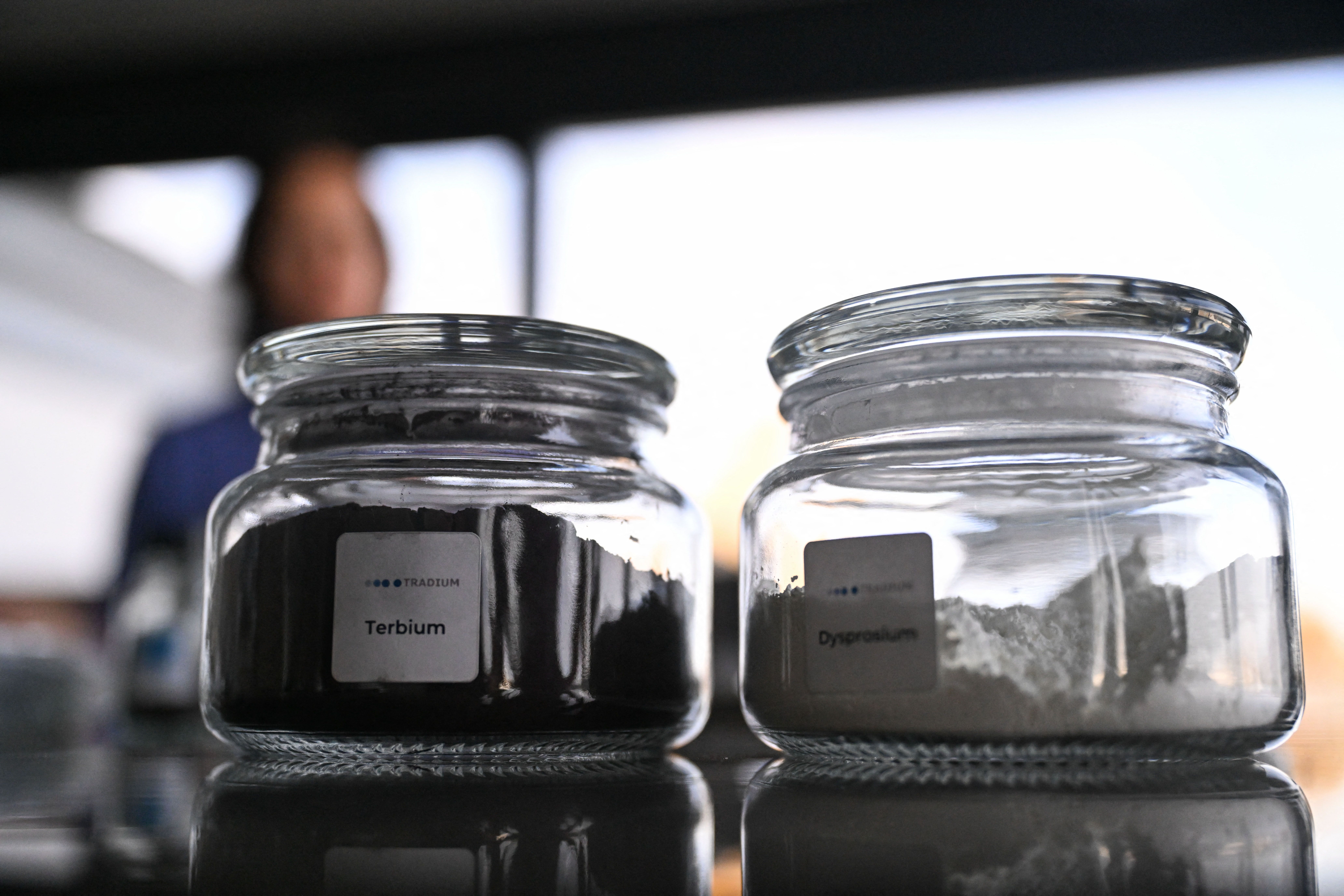
Regulation, not embargo, allows Beijing to shape how other countries and firms adapt to its terms.
Alvin Camba
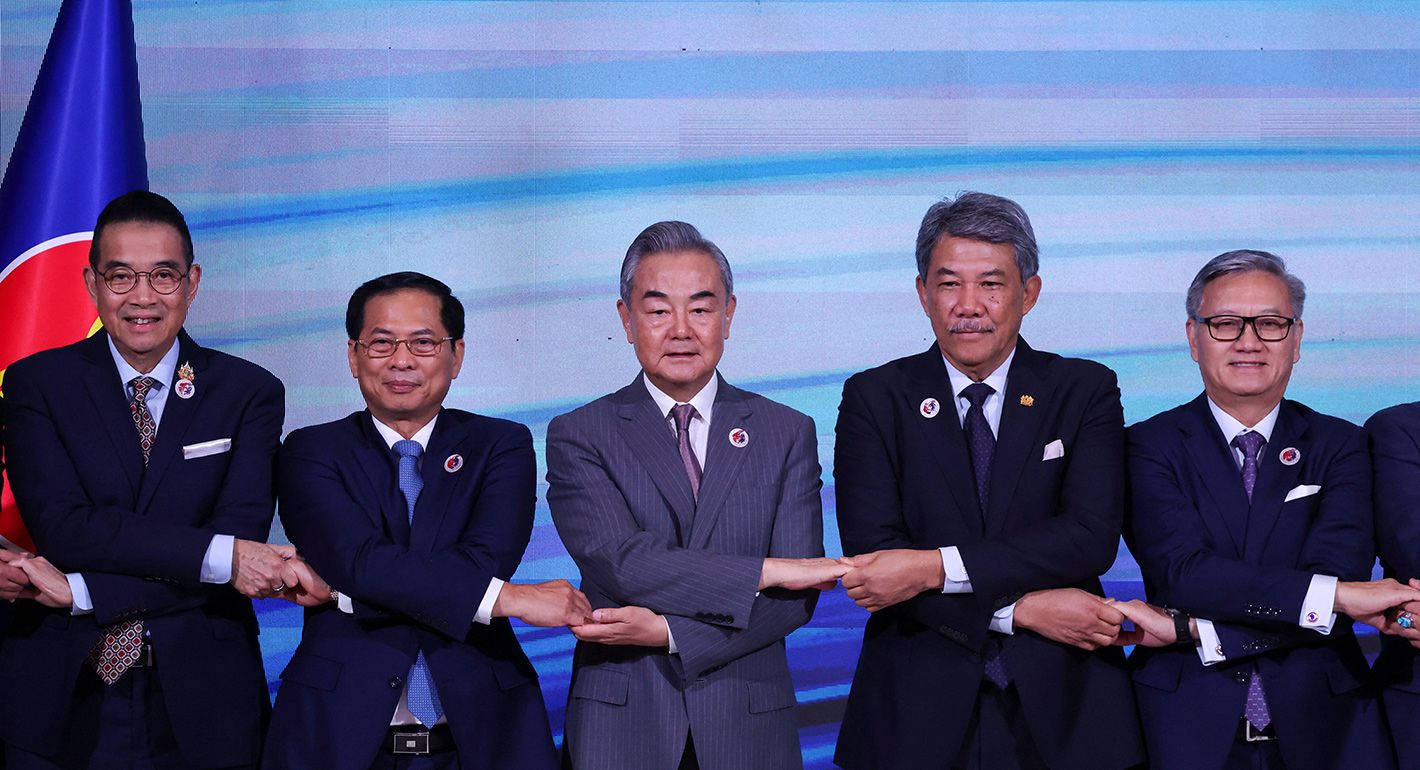
The Thai-Cambodian conflict highlights the limits to China's peacemaker ambition and the significance of this role on Southeast Asia’s balance of power.

Pongphisoot (Paul) Busbarat