

Article
- +1
Rudra Chaudhuri, Tejas Bharadwaj, Konark Bhandari, …
{
  "authors": [
    "Rudra Chaudhuri"
  ],
  "type": "commentary",
  "centerAffiliationAll": "",
  "centers": [
    "Carnegie Endowment for International Peace",
    "Carnegie India"
  ],
  "collections": [
    "Coronavirus"
  ],
  "englishNewsletterAll": "",
  "nonEnglishNewsletterAll": "",
  "primaryCenter": "Carnegie India",
  "programAffiliation": "",
  "programs": [],
  "projects": [],
  "regions": [
    "South Asia",
    "India"
  ],
  "topics": [
    "Domestic Politics"
  ]
}
Source: Getty
To contain the coronavirus, Modi has aimed to instill a strong sense of purpose in both the government and the public. The crisis may also afford India a moment for greater global leadership.
“We should all assume that social distancing is the only way” to combat the coronavirus, Indian Prime Minister Narendra Modi announced on March 24. To enforce the practice, he ordered the lockdown of the entire country for as long as twenty-one days. Over a billion people have been confined to their homes. For the prime minister, the rationale could not be clearer: “If you want to tame the spread of the virus,” he stressed, “the only way to do it is to break the cycle of transmission.”
The urgent tenor of Modi’s speech marked a change in tone from only a few days ago. On March 19, during his first formal message on the new coronavirus, he advised Indians not to “lower [their] guards.” He gently urged his fellow citizens to remain “aware and alert,” and advised them to leave “their homes only if essential.” Within five days, he had dropped the notes of encouragement to emphasize the need for total enforcement, as India’s counts stood at 519 cases and 10 deaths.
These are not yet devastating numbers for a country as large as India, but complacency is exactly what Modi has warned against. “Believing that India won’t be affected by this pandemic is wrong,” he said.
Of the thousands of speeches Modi has delivered in his long political career, his addresses during the pandemic are among the most significant. He has been speaking to a nation anxiously looking for leadership. Every word was well chosen, every sentence designed to reach the far corners of the vast country he leads.
The tone underlying both his messages was unmistakably grave, but the messages were comprehensive, organized, and profoundly collaborative in spirit.
Modi has asked the people of India for their cooperation. To those outside India’s borders, he could offer little (India has provided modest aid to regional neighbors, but the scale of the challenge is too weighty for open-ended commitments).
Modi’s poised demeanor contrasts with the triumphalism and even jingoism displayed by China’s leaders. His sober disposition also differs from the inadequacy and bluster that have characterized U.S. President Donald Trump’s engagement with the viral outbreak. Nowhere in his speeches has Modi used charged terms like Trump’s frequently invoked “Chinese virus.”
The government has maintained a clear sense of purpose during the crisis, knowing that it spends only 1.3 percent of its GDP on health care. For every 1,000 people, India has only 0.5 hospital beds and 0.8 doctors. Its rates of diagnostic testing for COVID-19, the disease caused by the new coronavirus, have been desperately low, totaling 20,864 tests in government labs as of March 24. Only recently has the government authorized India’s buoyant private sector and some nongovernmental research laboratories to run the tests.
India now faces three critical challenges in its efforts to contain the coronavirus outbreak.
First, it must urgently slow the rate of spreading infections. Apart from the extraordinary pressures on both the public and the private sectors, the second-order economic and fiscal effects are incalculable. The three-week lockdown will require a stimulus package for hundreds of millions of Indians. Less advantaged citizens will need cash in their pockets. Further, there are no pretested fiscal instruments to deal with the unique effects of a pandemic. An economic task force assembled by the government may devise policy bandages to support small enterprises and prevent foreclosures.
Second, India must address its profound social disunity, exacerbated by the recent overhaul of its citizenship laws. Protests sparked by those changes have persisted despite calls for citizens to stay at home. Even if they pause for the near term, that respite should not be assumed to have any staying power. Finding ways to ameliorate this discord, even temporarily, will improve the odds that the government’s health care interventions have their intended effect.
Third, India will have to reckon with its need for globalism in the long term. This is not only about leadership, but partnership. Modi has said that, in this period of crisis, “humanity must win” and “India must win.” One can only hope that the Indian government does everything possible to collaborate with its neighbors and other countries to stem the spread of this deadly virus. There is a particularly pressing need for timely scientific collaboration. Sharing samples of the virus with labs around the world for research purposes would be a step toward the necessary global approach.
While the United States and China engage in schoolyard one-upmanship, India has an opportunity to act as a “bridging power,” one that helps itself and other nations look beyond their own borders to develop collaborative solutions in a time of international emergency.

Former Director, Carnegie India
Rudra Chaudhuri was the director of Carnegie India. His research focuses on the diplomatic history of South Asia, contemporary security issues, and the important role of emerging technologies and digital public infrastructure in diplomacy, statecraft, and development. He and his team at Carnegie India chair and convene the Global Technology Summit, co-hosted with the Ministry of External Affairs, Government of India.
Recent Work


Rudra Chaudhuri, Tejas Bharadwaj, Konark Bhandari, …
Rudra Chaudhuri
Carnegie does not take institutional positions on public policy issues; the views represented herein are those of the author(s) and do not necessarily reflect the views of Carnegie, its staff, or its trustees.
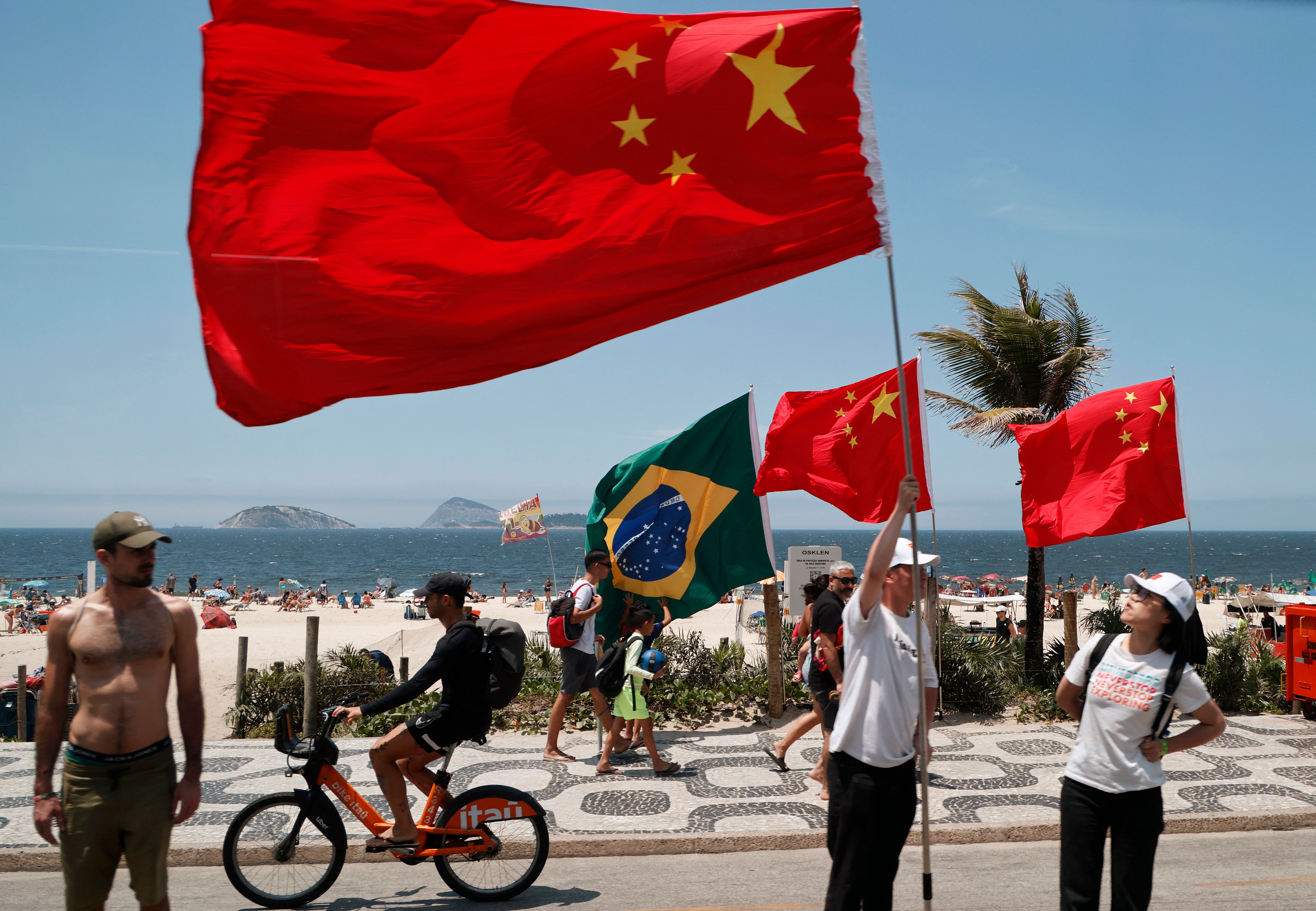
While China will remain a significant political and economic force in the Global South, its ambition to leverage the Global South as a counterbalance to the United States and the Global North is far from assured.

Xue Gong
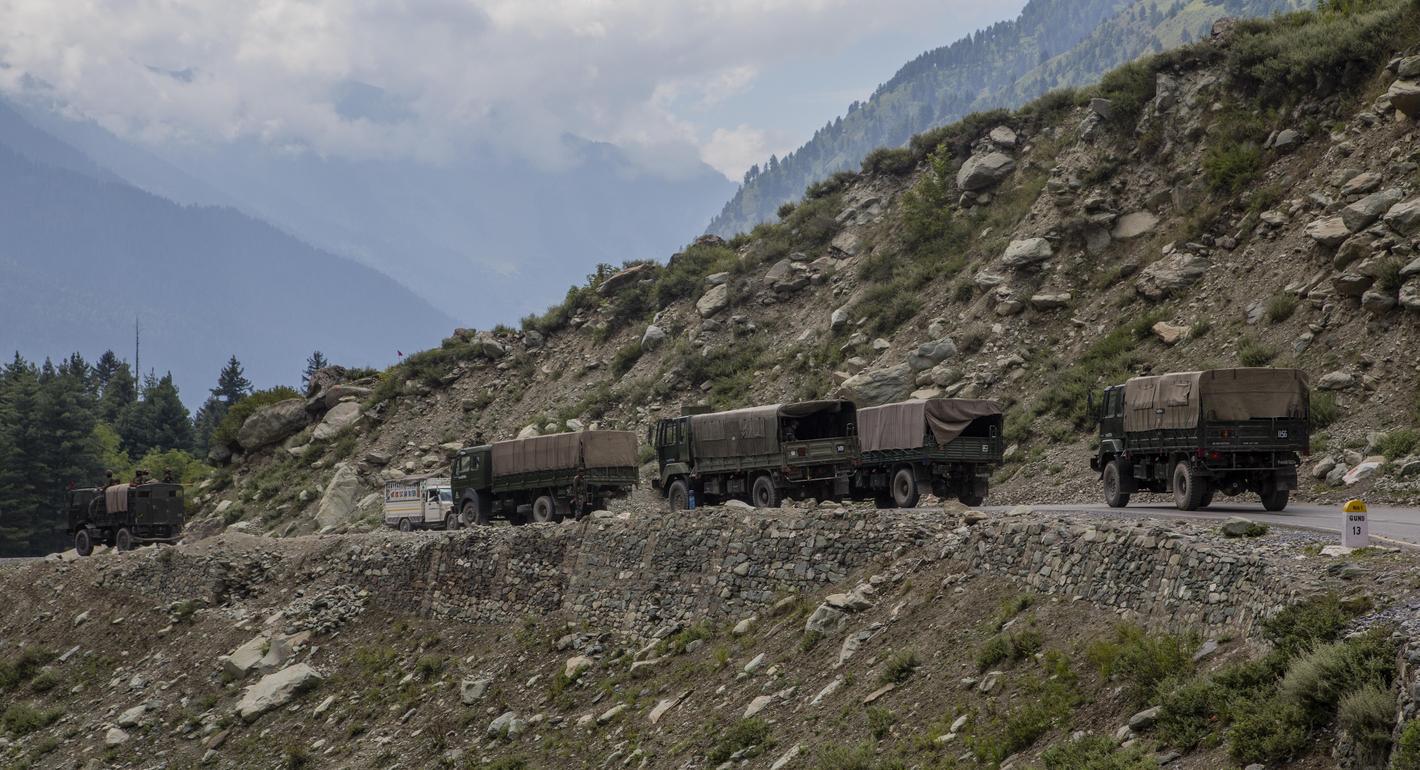
Can China and India disengage from contested territories along the border?

Paul Haenle, Ashley J. Tellis, Han Hua, …
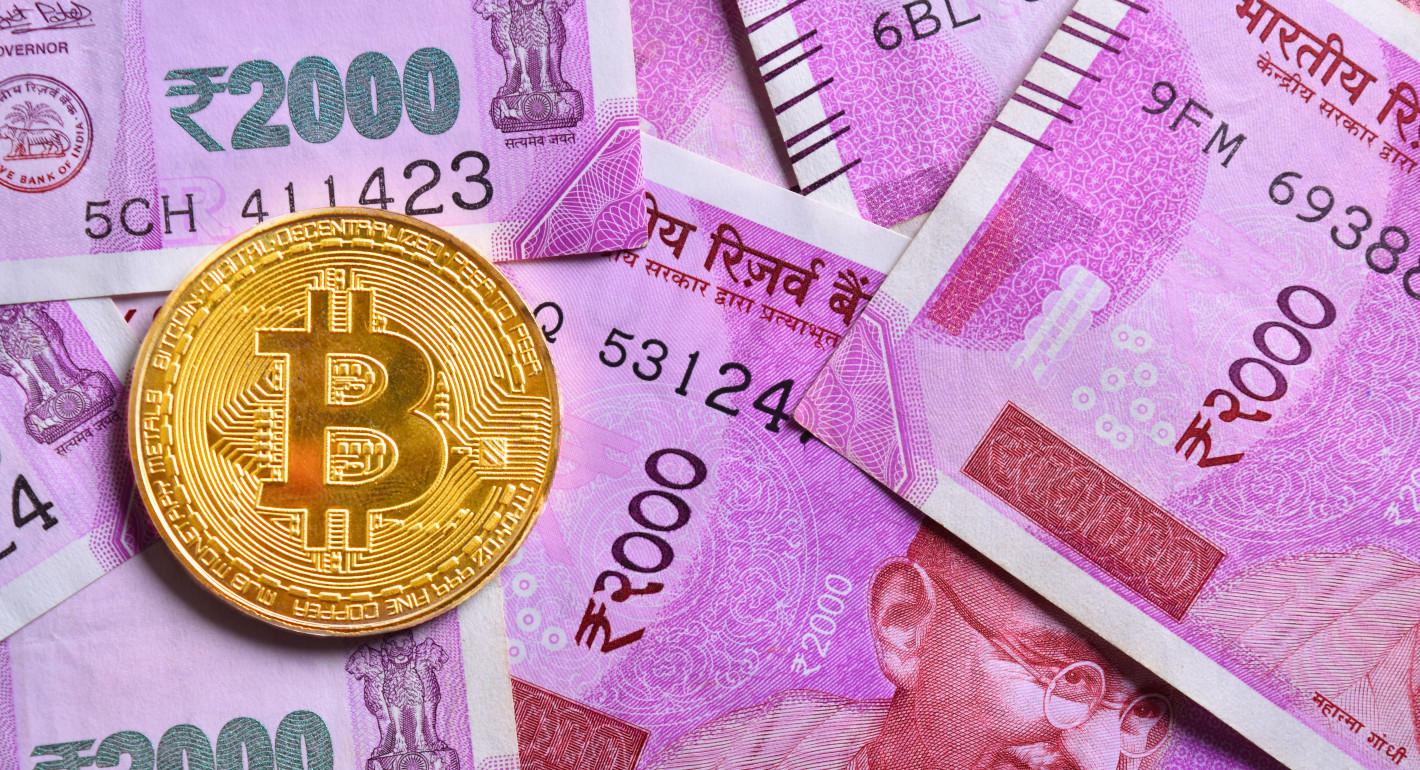
The government extends the uncertainty with its two new taxes and digital rupee.

Anirudh Burman, Priyadarshini D.
China and Pakistan should strive to build a RMB closed-chain cycle based on capital exports and trade returns.

Lu Yang

While the Trump administration is consumed with the coronavirus, China and North Korea are seizing the moment for strategic advantage.
Paul Haenle