

Commentary
Malaysia’s chairmanship sought to fend off short-term challenges while laying the groundwork for minimizing ASEAN’s longer-term exposure to external stresses.
Elina Noor
{
  "authors": [
    "Sarah Yerkes"
  ],
  "type": "legacyinthemedia",
  "centerAffiliationAll": "",
  "centers": [
    "Carnegie Endowment for International Peace",
    "Malcolm H. Kerr Carnegie Middle East Center"
  ],
  "collections": [],
  "englishNewsletterAll": "",
  "nonEnglishNewsletterAll": "",
  "primaryCenter": "Carnegie Endowment for International Peace",
  "programAffiliation": "",
  "programs": [
    "Middle East"
  ],
  "projects": [
    "Tunisia Monitor"
  ],
  "regions": [
    "North Africa",
    "Tunisia",
    "Maghreb"
  ],
  "topics": [
    "Political Reform",
    "Foreign Policy"
  ]
}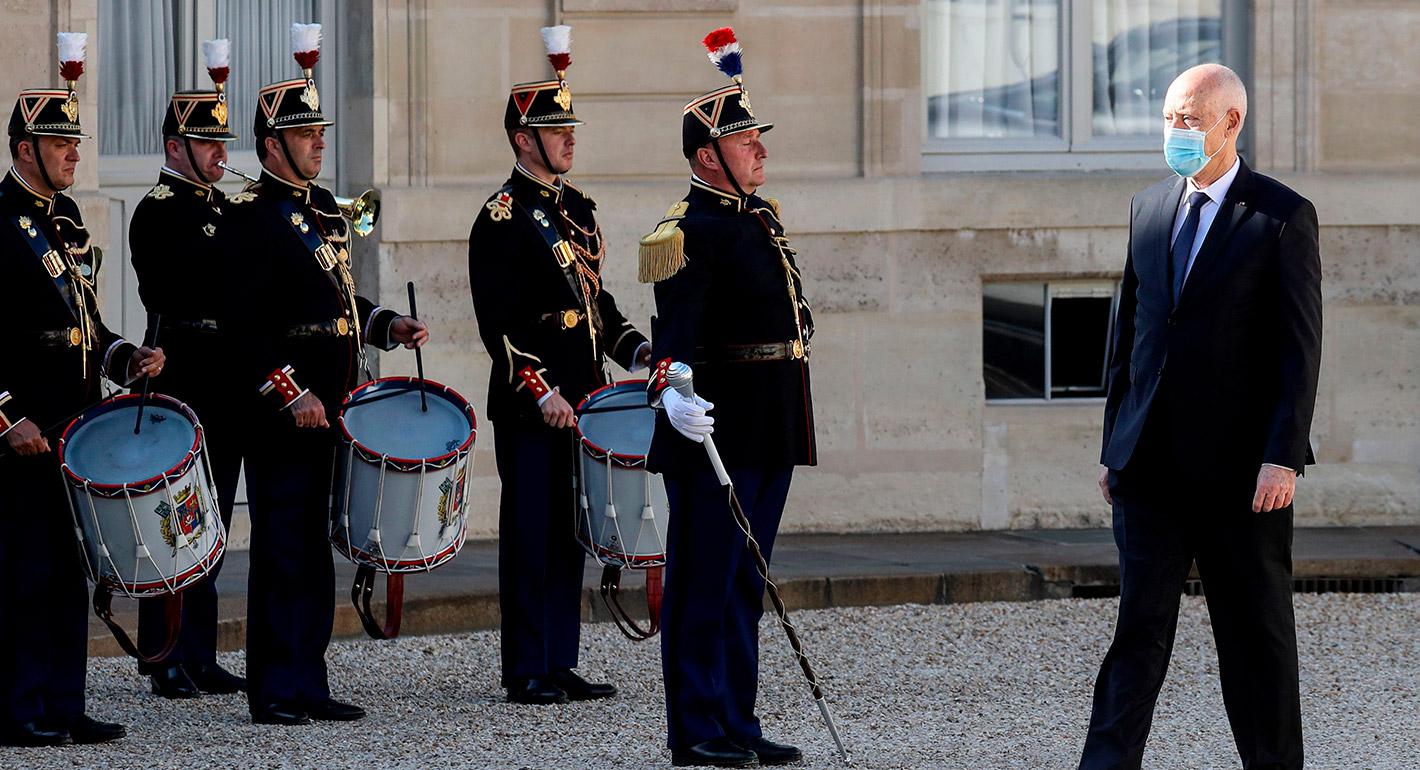
The current parliament is the most fractured in Tunisia’s history, with no party holding even one-quarter of the seats.
Source: World Politics Review
Following the resignation of Elyes Fakhfakh as prime minister of Tunisia in mid-July, amid corruption allegations and after just five months in office, President Kais Saied designated one of his own advisers, Hichem Mechichi, as the new prime minister. Mechichi has until Aug. 25 to form a government that can win parliamentary approval. Should he fail, Saied has the constitutional right to call for new elections—an arduous task, particularly as Tunisia struggles with a deepening economic crisis and a spike in COVID-19 cases triggered by reopening the country’s borders in late June.
Before he even takes office, Mechichi faces several hurdles, the biggest of which is cobbling together a government that simultaneously appeases enough of Tunisia’s political parties to be approved by parliament, but does not appear too partisan or vest too much power in any one group. This is a particular challenge given that the current parliament is the most fractured in Tunisia’s history, with no party holding even one-quarter of the seats.
This article was originally published by World Politics Review.
Carnegie does not take institutional positions on public policy issues; the views represented herein are those of the author(s) and do not necessarily reflect the views of Carnegie, its staff, or its trustees.
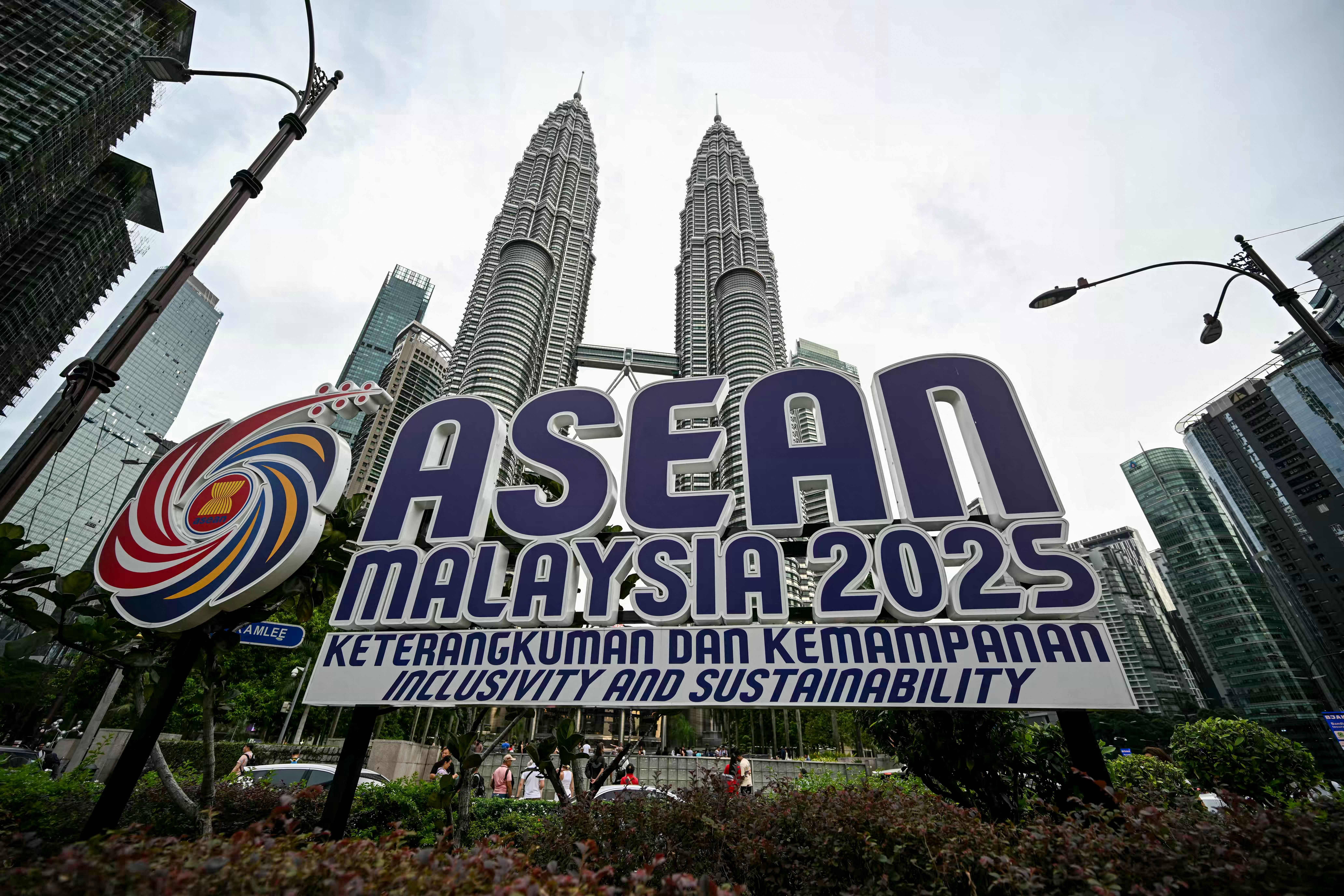
Malaysia’s chairmanship sought to fend off short-term challenges while laying the groundwork for minimizing ASEAN’s longer-term exposure to external stresses.
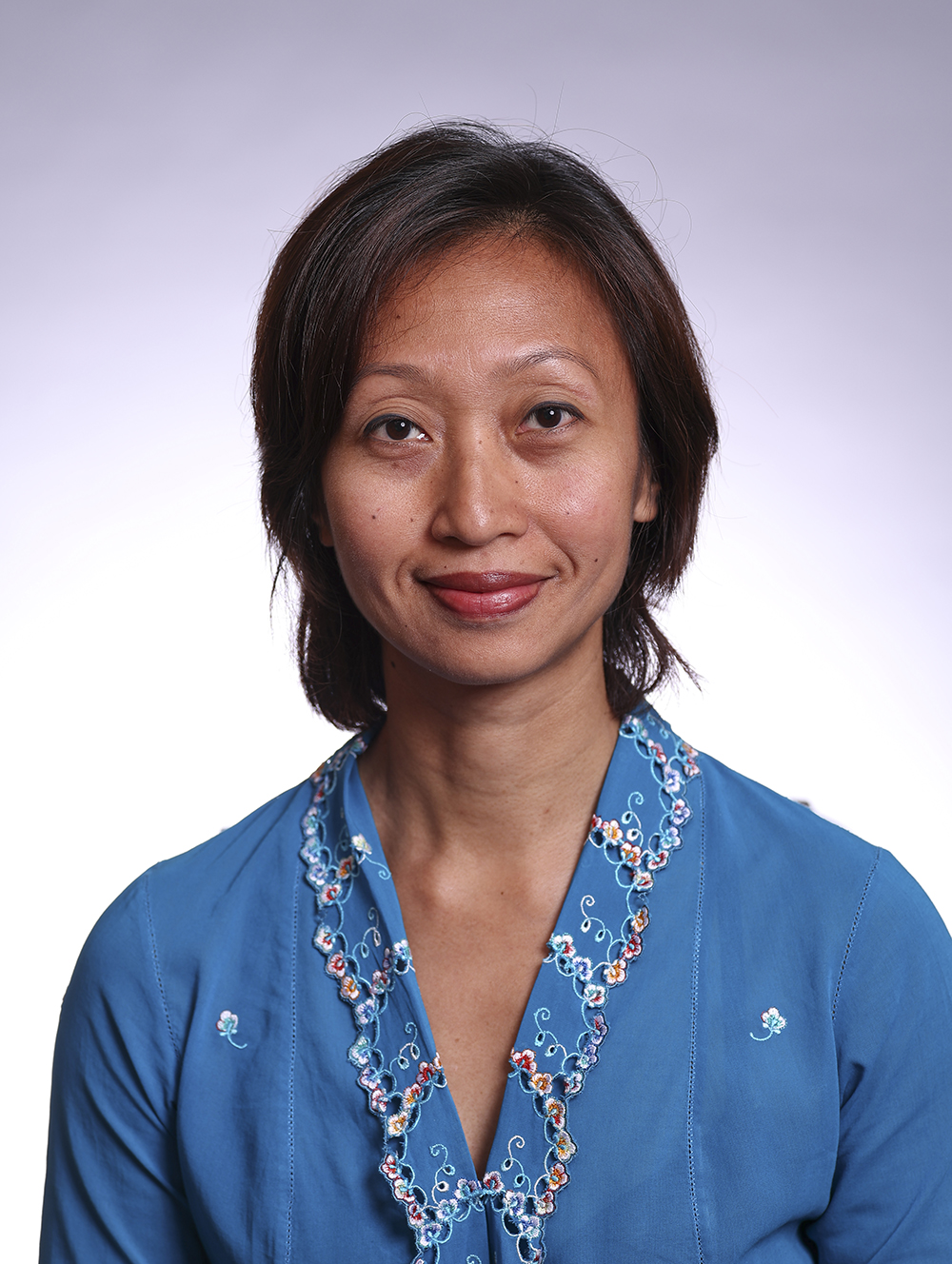
Elina Noor
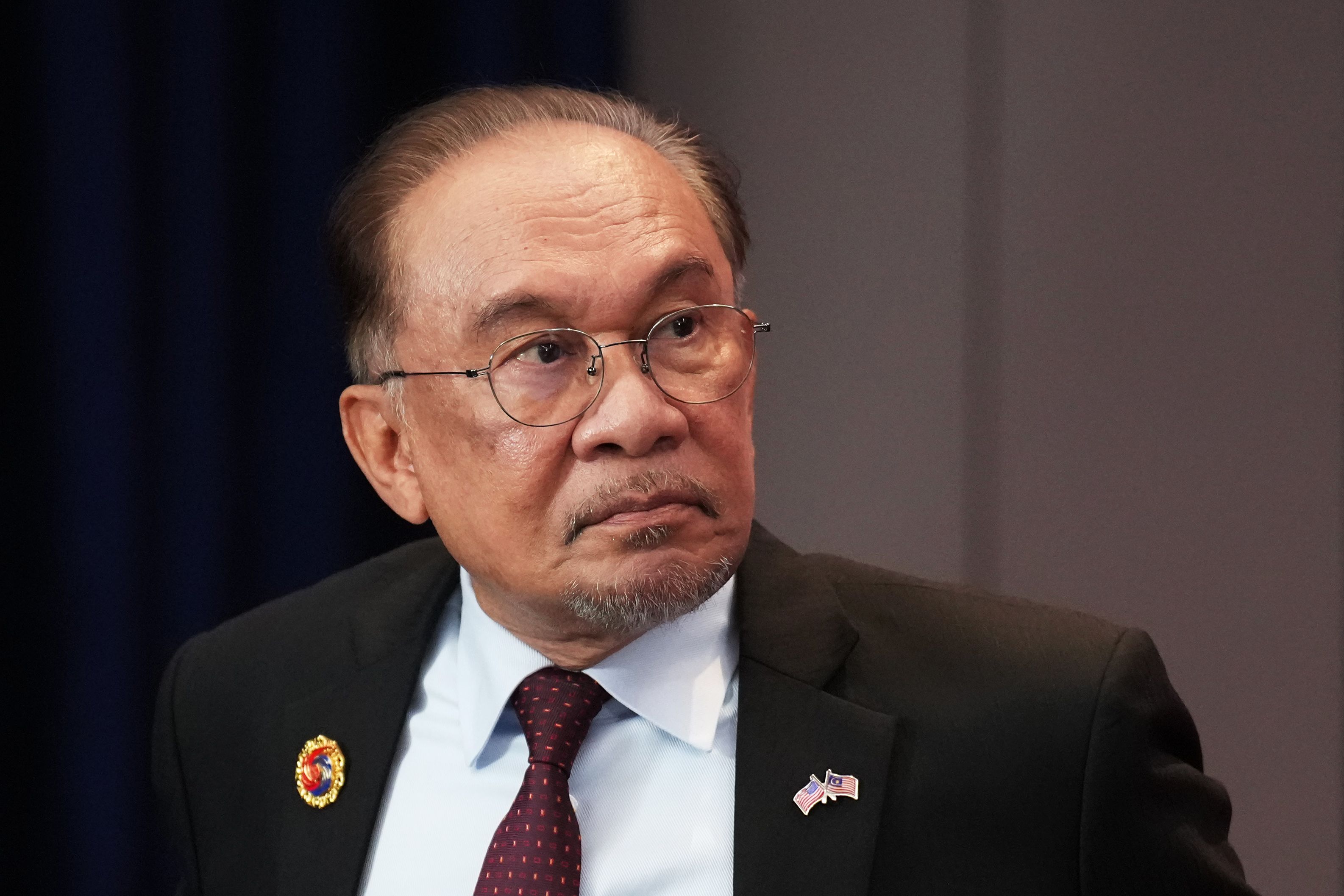
For Malaysia, the conjunction that works is “and” not “or” when it comes to the United States and China.
Elina Noor
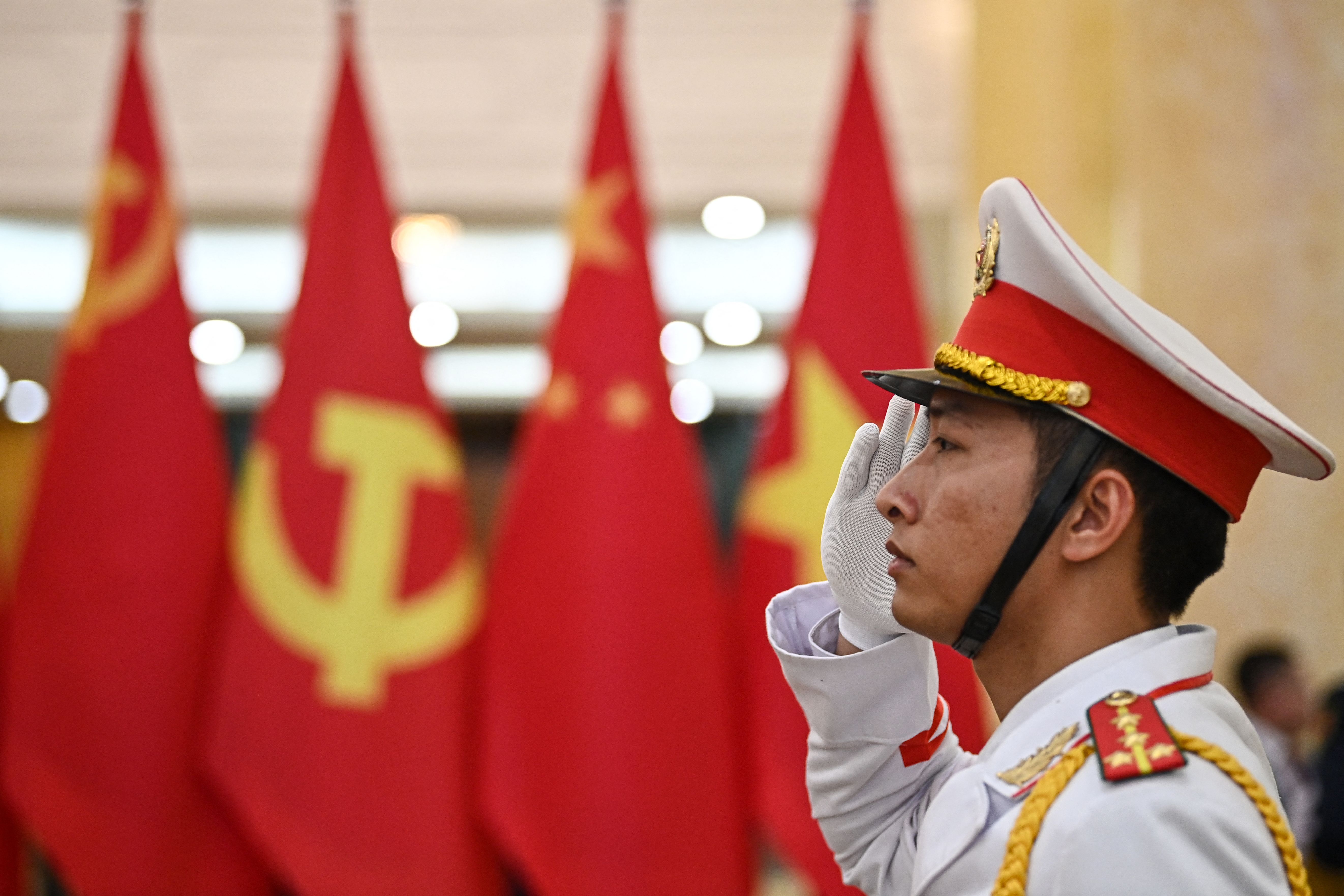
In July 2025, Vietnam and China held their first joint army drill, a modest but symbolic move reflecting Hanoi’s strategic hedging amid U.S.–China rivalry.

Nguyễn Khắc Giang
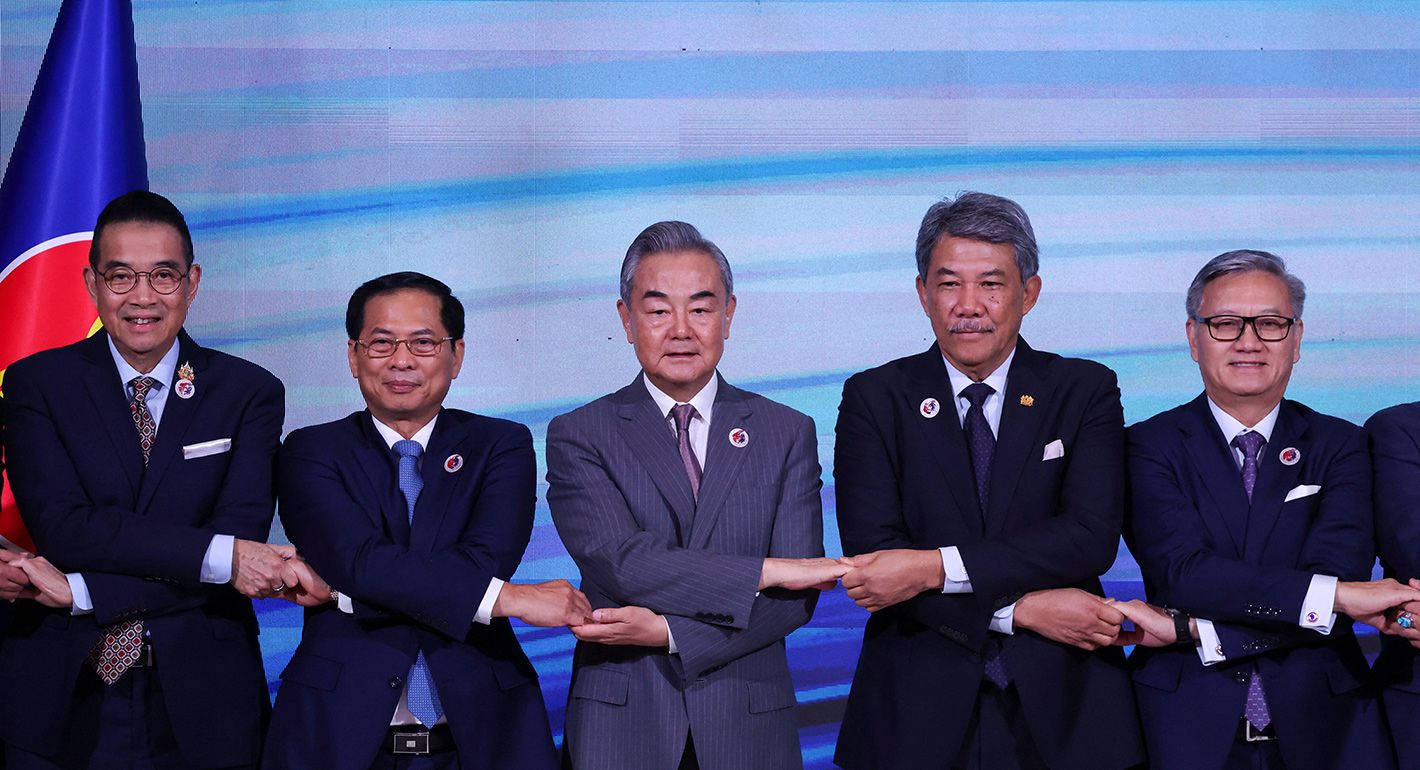
The Thai-Cambodian conflict highlights the limits to China's peacemaker ambition and the significance of this role on Southeast Asia’s balance of power.

Pongphisoot (Paul) Busbarat
Beijing believes that Washington is overestimating its own leverage and its ability to handle the trade war’s impacts.


Rick Waters, Sheena Chestnut Greitens