

Commentary
Malaysia’s chairmanship sought to fend off short-term challenges while laying the groundwork for minimizing ASEAN’s longer-term exposure to external stresses.
Elina Noor
{
  "authors": [
    "Lyu Jinghua",
    "Gaurav Kalwani"
  ],
  "type": "other",
  "centerAffiliationAll": "",
  "centers": [
    "Carnegie Endowment for International Peace"
  ],
  "collections": [
    "Major Power Tech Relations",
    "Cyber and Digital Policy"
  ],
  "englishNewsletterAll": "",
  "nonEnglishNewsletterAll": "",
  "primaryCenter": "Carnegie Endowment for International Peace",
  "programAffiliation": "",
  "programs": [
    "Technology and International Affairs"
  ],
  "projects": [],
  "regions": [
    "North America",
    "United States",
    "East Asia",
    "China",
    "Iran"
  ],
  "topics": [
    "Foreign Policy",
    "Technology"
  ]
}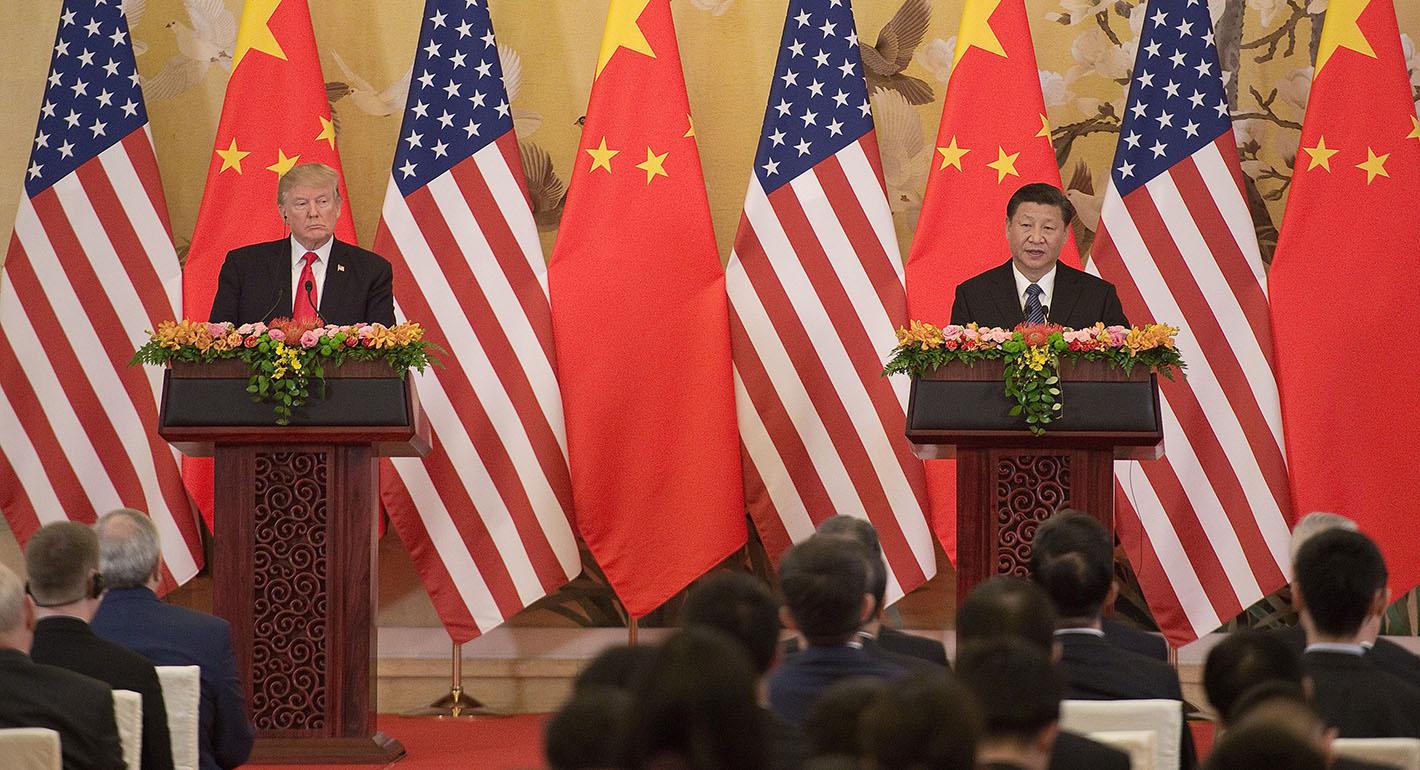
Although cyberspace represents a relatively new facet of the U.S.-China relationship, controversies within this domain have rapidly evolved into critical and contentious issues in the eyes of both parties, affecting a wide swath of policy areas such as trade, defense, transparency, and the rule of law.
Source: Turkish Policy Quarterly
Although cyberspace represents a relatively new facet of the US-China relationship, controversies within this domain have rapidly evolved into critical and contentious issues in the eyes of both parties, affecting a wide swath of policy areas such as trade, defense, transparency, and the rule of law. Understanding the development and underlying factors of tensions, the concerns of both sides, and the way in which these problems combine in the poorly managed competition over 5G will be crucial to moderating friction and building the future digital world.
This publication was originally published in the Turkish Policy Quarterly.
Carnegie does not take institutional positions on public policy issues; the views represented herein are those of the author(s) and do not necessarily reflect the views of Carnegie, its staff, or its trustees.
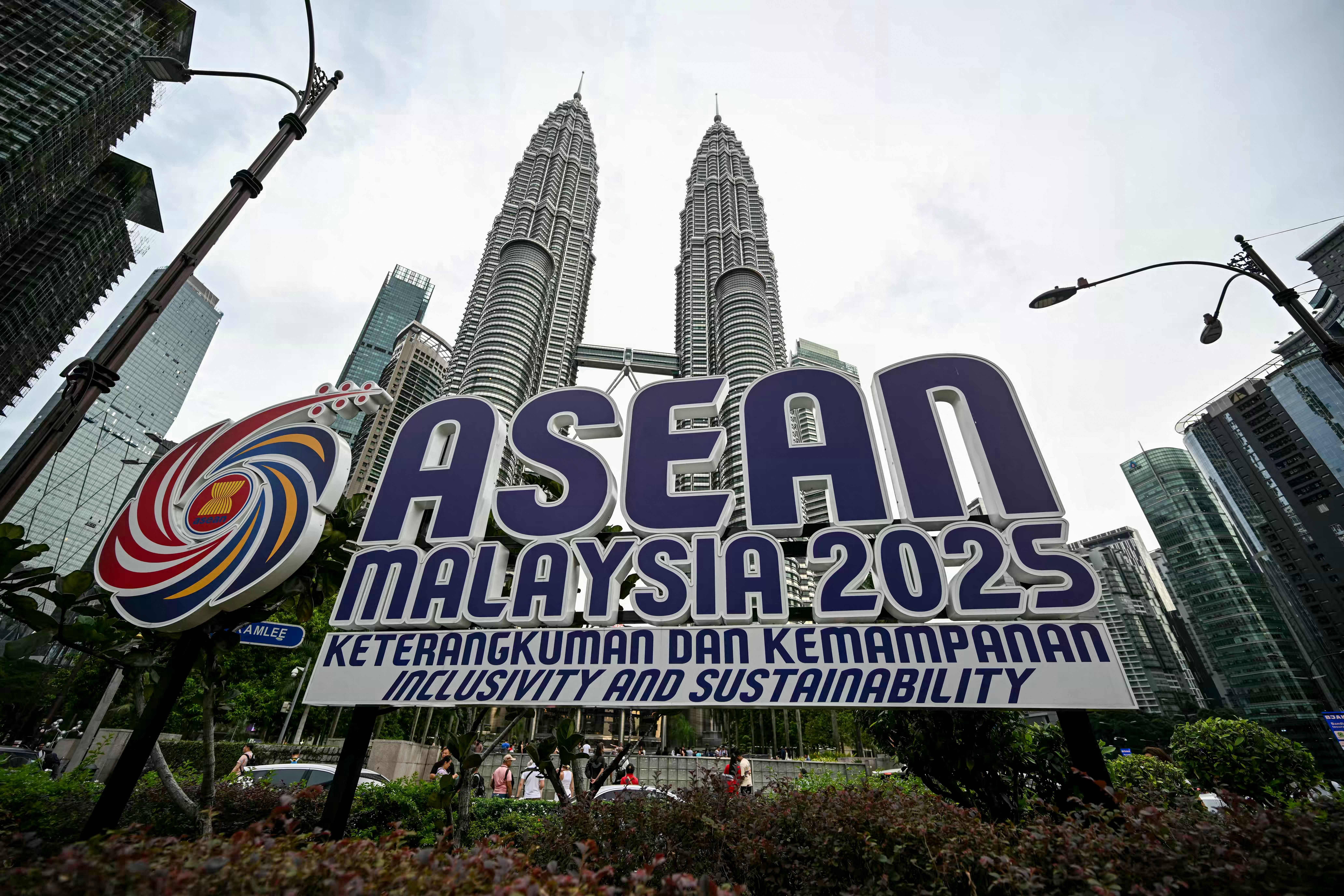
Malaysia’s chairmanship sought to fend off short-term challenges while laying the groundwork for minimizing ASEAN’s longer-term exposure to external stresses.

Elina Noor

For Malaysia, the conjunction that works is “and” not “or” when it comes to the United States and China.
Elina Noor

ASEAN needs to determine how to balance perpetuating the benefits of technology cooperation with China while mitigating the risks of getting caught in the crosshairs of U.S.-China gamesmanship.
Elina Noor
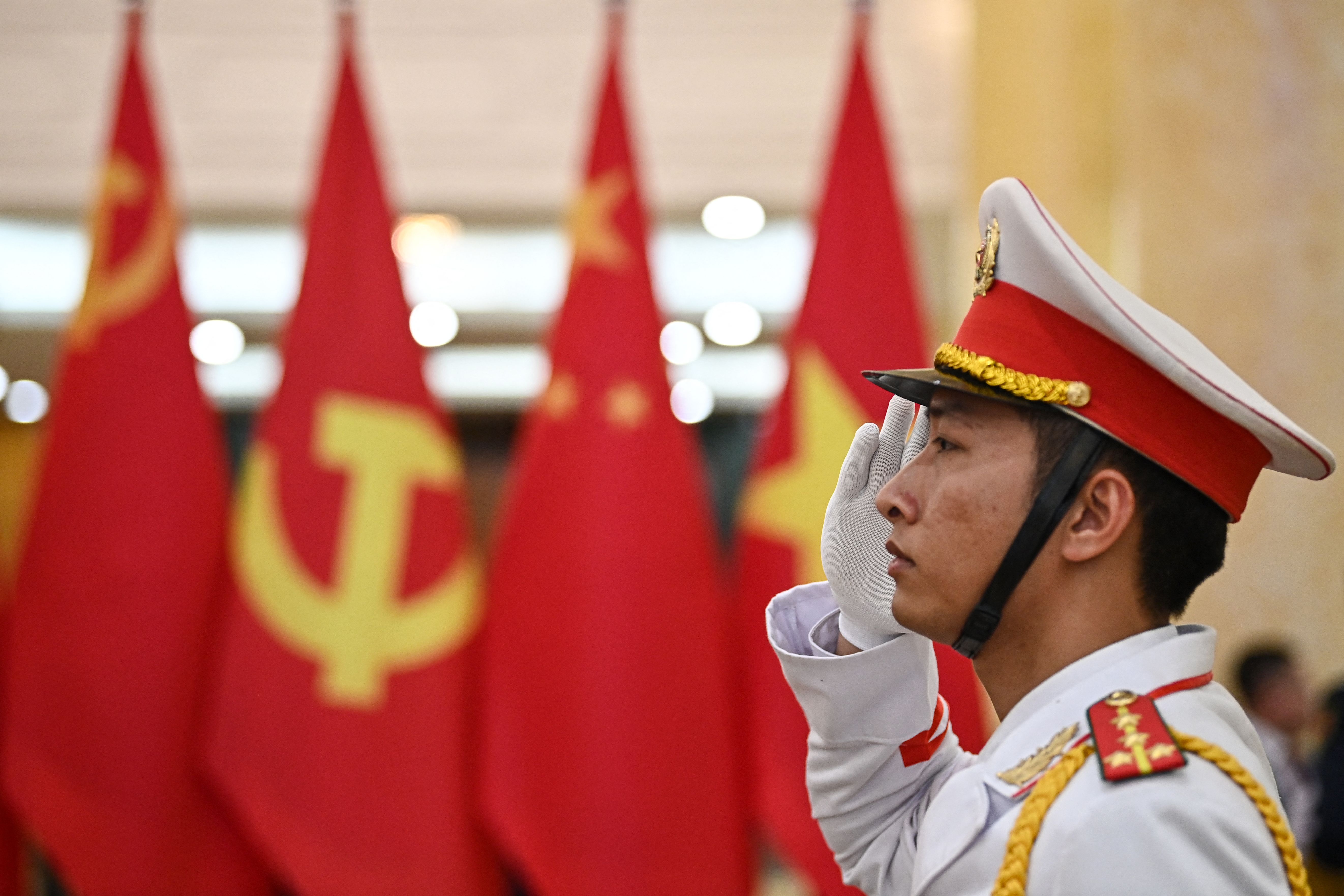
In July 2025, Vietnam and China held their first joint army drill, a modest but symbolic move reflecting Hanoi’s strategic hedging amid U.S.–China rivalry.

Nguyễn Khắc Giang

Regulation, not embargo, allows Beijing to shape how other countries and firms adapt to its terms.

Alvin Camba