

Commentary
For Malaysia, the conjunction that works is “and” not “or” when it comes to the United States and China.
Elina Noor
{
  "authors": [
    "Amr Hamzawy"
  ],
  "type": "commentary",
  "centerAffiliationAll": "",
  "centers": [
    "Carnegie Endowment for International Peace"
  ],
  "englishNewsletterAll": "",
  "nonEnglishNewsletterAll": "",
  "primaryCenter": "Carnegie Endowment for International Peace",
  "programAffiliation": "",
  "programs": [
    "Middle East"
  ],
  "projects": [],
  "regions": [
    "Israel",
    "United States",
    "Middle East"
  ],
  "topics": []
}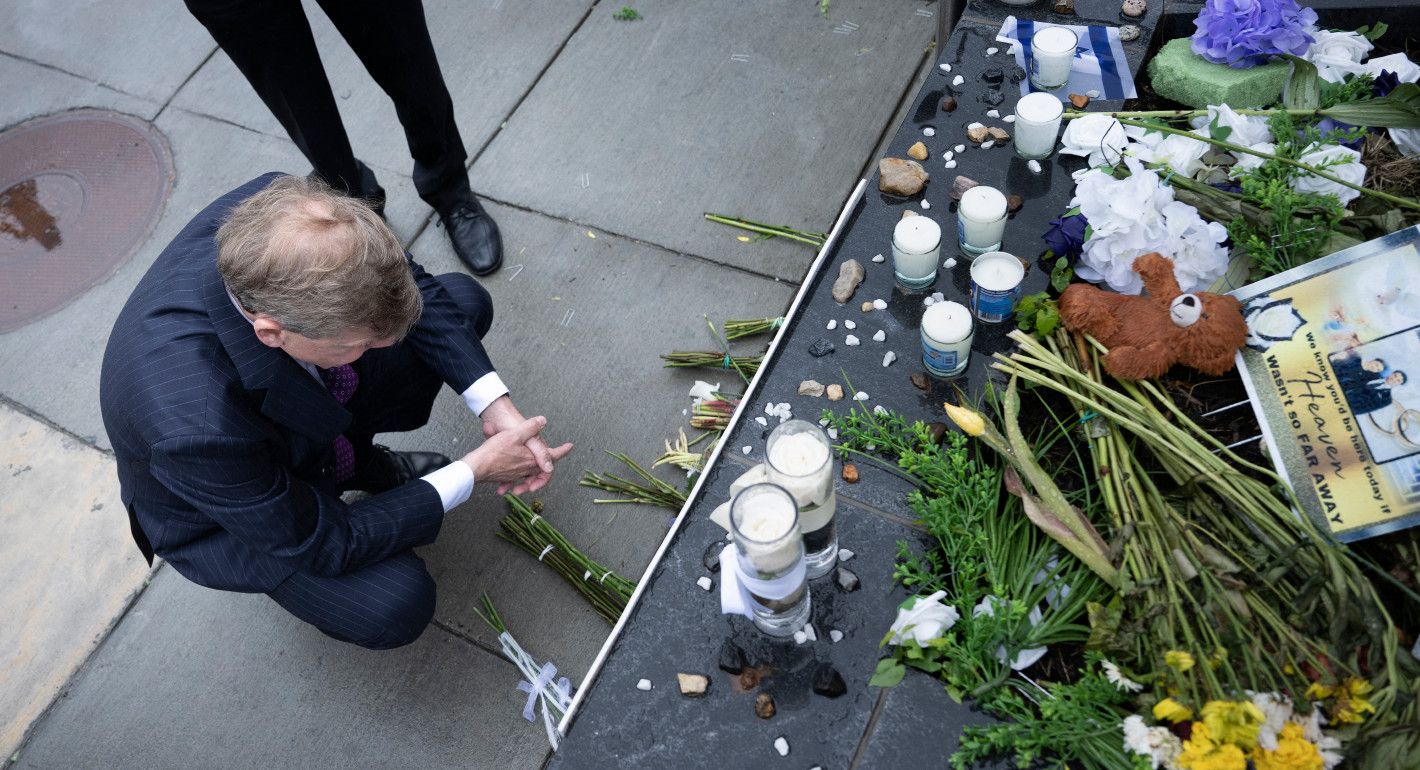
German Foreign Minister Johann Wadephul visits a memorial at the Capital Jewish Museum following a May 21 shooting that left two Israeli Embassy staff dead. (Photo by Brendan Smialowski/AFP via Getty Images)
The moral and political yardstick that denounces the violence in Palestine must also condemn crimes against Jewish citizens.
In recent years, violence, hate crimes, and antisemitism targeting Jewish citizens in the United States, Europe, and other parts of the world have been escalating. Just a few weeks ago in Washington, DC, two Israeli Embassy staffers were killed by a man who reportedly shouted “free Palestine.” Days later, a man in Boulder, Colorado, told police that he had attacked a group calling for the release of hostages in Gaza because he wanted to “kill all Zionist people.”
Some of these incidents received few—if any—headlines. But the right to life is indivisible, and the moral and political yardstick that rightly denounces the bloodshed in Palestine must also condemn individual crimes against Jewish and Israeli citizens. It is a profound mistake for people of conscience—those who reject war, mass killings, the occupation and settlement of others’ land, and forced displacement in the Middle East—to remain silent.
Some have justified their silence by citing the scale of the war in Gaza, the structural violence committed by the Israeli occupation and settler groups in the West Bank, or the bloody and destructive toll these crimes inflict on the Palestinian people. They have used quantitative comparisons that note the number of victims in Palestine far exceeds those of antisemitic crimes against Jews and Israelis, as well as qualitative ones that point to the vast differences between a raging war and recurring yet individual acts of violence. But this amounts either to a morally and politically unacceptable conflation or a retreat from a universal human principle: the rejection of killing and violence, regardless of whether it is perpetrated by a government, a group, or individuals, and regardless of whether the victims are an entire people, a community, or a single person.
Legitimate and essential solidarity with the Palestinian people—who face war, starvation, the dangers of settlement expansion, displacement, occupation, and the obliteration of their just cause—must never entail the denial of the right of Jewish citizens around the world to live in safety and to be protected from hate crimes and antisemitism.
Just as it is necessary to refrain from attributing Hamas’s actions to the entire Palestinian people, it is also essential to make a clear distinction between Israeli civilians uninvolved in the war against the Palestinian people and the political, military, and security officials responsible for it.
Likewise, defending the right of Jewish citizens, Israeli civilians, and those not complicit in decisions of war to live safely must not be made conditional on their solidarity with the Palestinian people’s right to exist, self-determination, and an end to war, settlements, and occupation.
In other words, Jewish citizens and Israeli civilians who deny Palestinians’ right to a state and support actions such as the Gaza war, further settlements in the West Bank, or the reoccupation of Gaza still have the same right to safety and protection from antisemitism and hate crimes. Everyone has a duty to defend them, just as we all have a duty to defend those who support Palestinian rights and oppose the policies of the far-right government led by Israeli Prime Minister Benjamin Netanyahu.
Our agreement or disagreement with others on principles of justice and rights must never determine whether we recognize their right to life and safety. That right is nonnegotiable, and our defense of it must not be limited to those who share our views.
The Israeli politicians, military, and security leaders who design and promote policies of war, settlement, and occupation are the true decisionmakers, and they must be held legally accountable in accordance with Israeli law and international legal principles, possibly including proceedings in the International Court of Justice and the International Criminal Court.
Their warmongering and violence do not justify promoting the inverse of their actions. That was the catastrophic error committed by Hamas when it carried out its brutal attack on October 7, 2023. The proper course is to demand that those responsible for terrorism and violence face justice—justice administered through national and international courts. Humanity must insist that those responsible for the October 7 attacks, as well as those responsible for the crimes committed in the Gaza war, face justice, even if global political realities and power dynamics make this goal difficult to achieve.
Carnegie does not take institutional positions on public policy issues; the views represented herein are those of the author(s) and do not necessarily reflect the views of Carnegie, its staff, or its trustees.
For Malaysia, the conjunction that works is “and” not “or” when it comes to the United States and China.

Elina Noor

Regulation, not embargo, allows Beijing to shape how other countries and firms adapt to its terms.
Alvin Camba
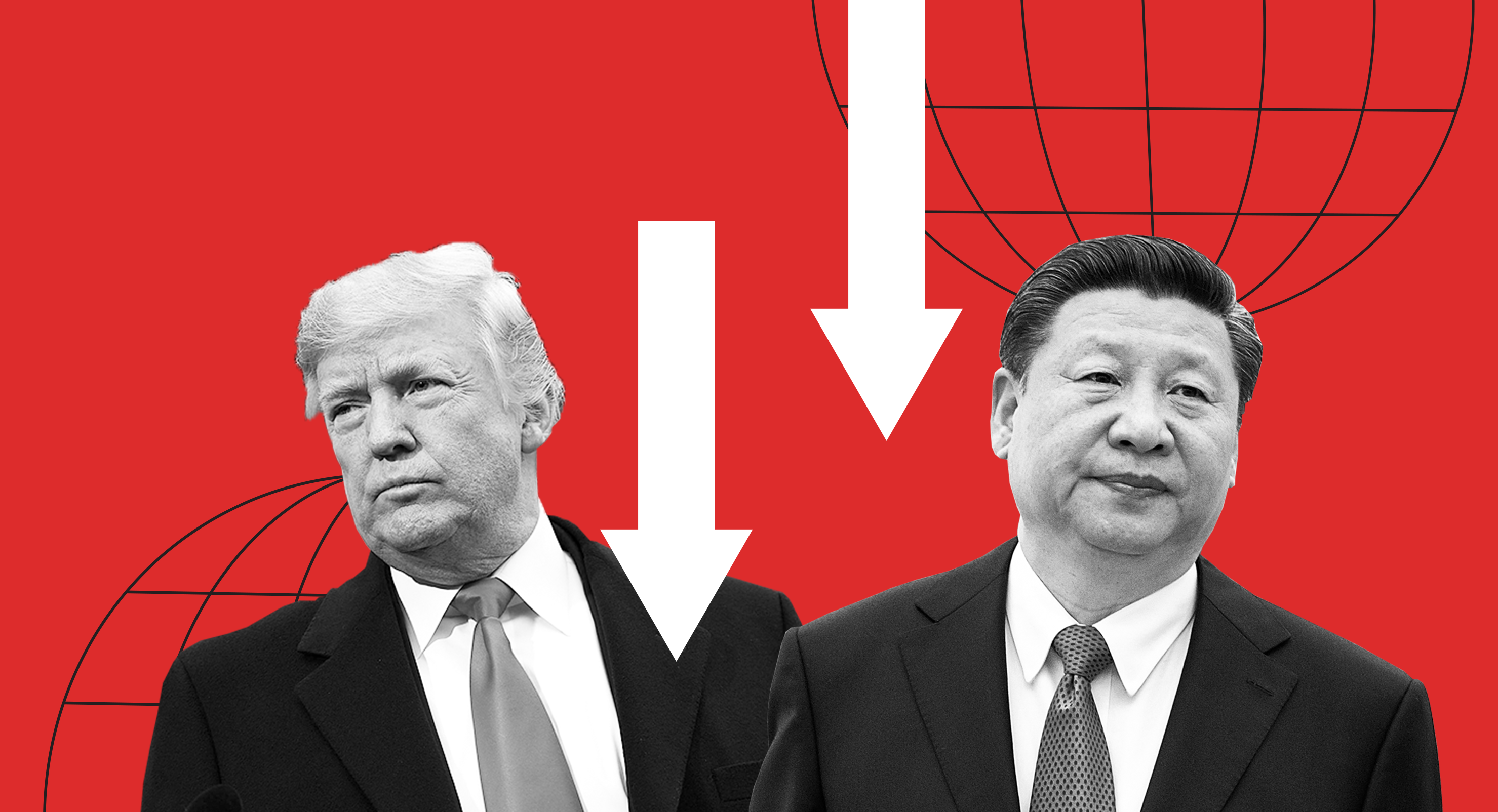
Beijing believes that Washington is overestimating its own leverage and its ability to handle the trade war’s impacts.


Rick Waters, Sheena Chestnut Greitens
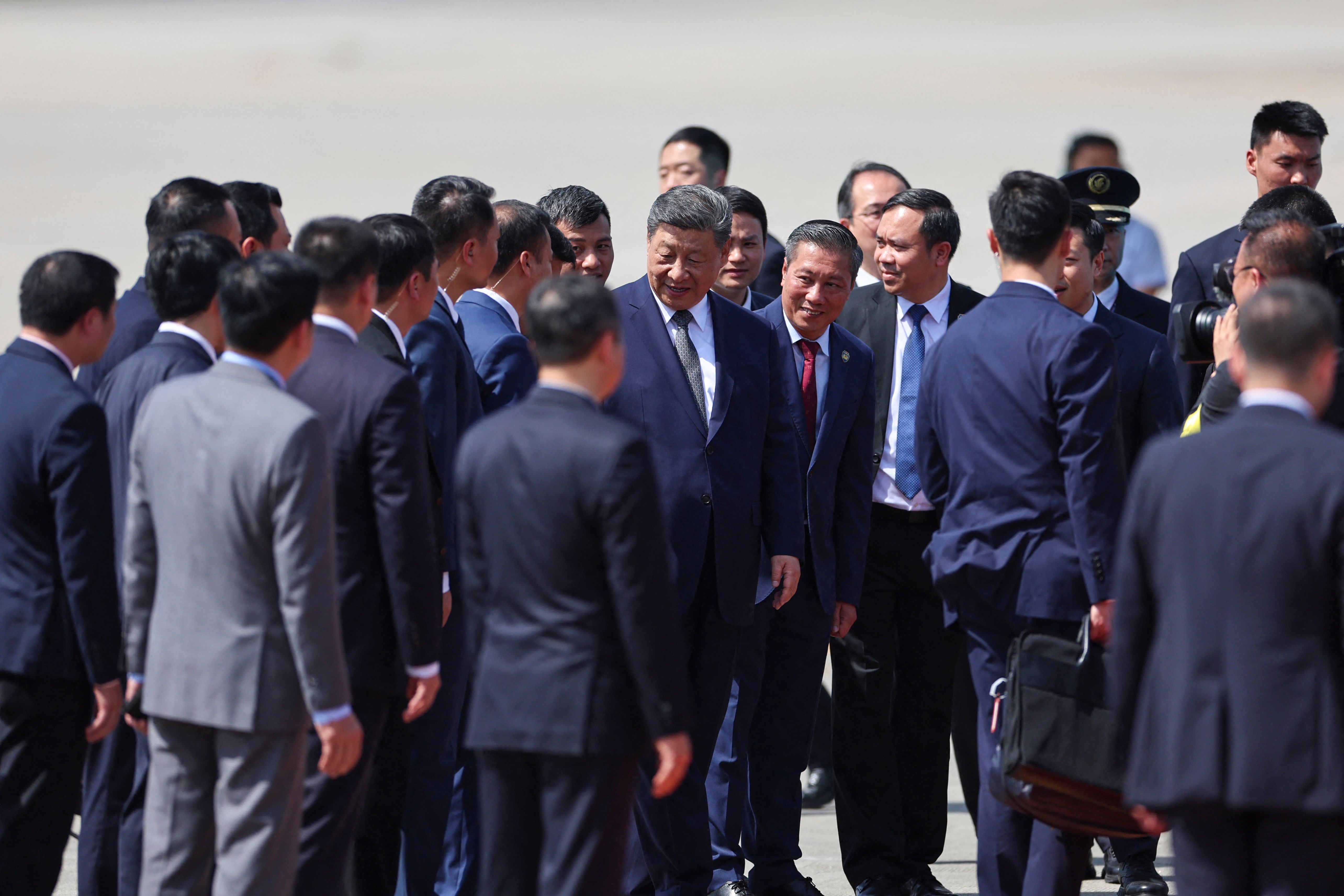
Tapping our network of China experts in the region, Carnegie China offers this latest “China Through a Southeast Asian Lens” report to offer preliminary assessments of whether the U.S. effort to reshape the global trading order will lead countries in the region to tilt toward Beijing.

Selina Ho, Khin Khin Kyaw Kyee, Joseph Ching Velasco, …
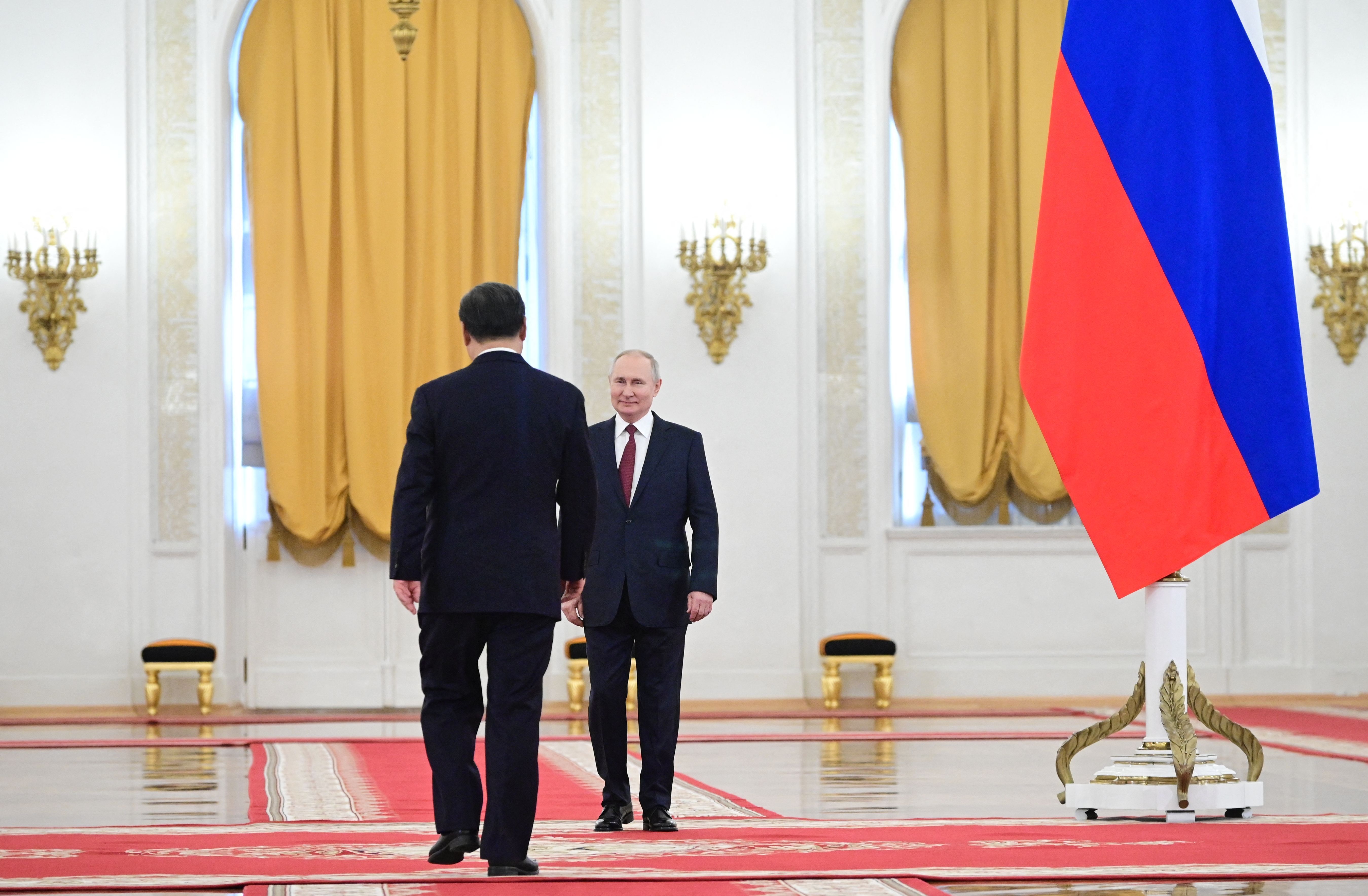
Beijing is trying to navigate the overall situation regarding Ukraine, especially the substance of interactions between Washington and Moscow.


Ellen Nakashima, Zhao Long, Pavlo Klimkin, …