

Commentary
Malaysia’s chairmanship sought to fend off short-term challenges while laying the groundwork for minimizing ASEAN’s longer-term exposure to external stresses.
Elina Noor

This report was prepared for a conference on the first Chen Shui-bian Administration, held in Annapolis Maryland in May 2005, and sponsored by Harvard University and the School of Oriental and African Studies, University of London.

Such a radical reversal came about as a result of a combination of broad shifts in U.S. foreign policy priorities, domestic political forces in Taiwan, the inexperience and immaturity of the Chen Administration, and perhaps most importantly, a series of personal blunders by President Chen in respect to his management of relations with the White House, and with President Bush in particular. Fundamentally, the mistakes of the first Chen Administration derived to a large extent from a misreading of the U.S. policy dynamic involving Taiwan. Chen placed narrower, short-term domestic political calculations above those fundamental, enduring strategic imperatives that confront every Taiwan government---especially the imperative of maintaining reasonably close and cooperative relations with the U.S.
Carnegie does not take institutional positions on public policy issues; the views represented herein are those of the author(s) and do not necessarily reflect the views of Carnegie, its staff, or its trustees.
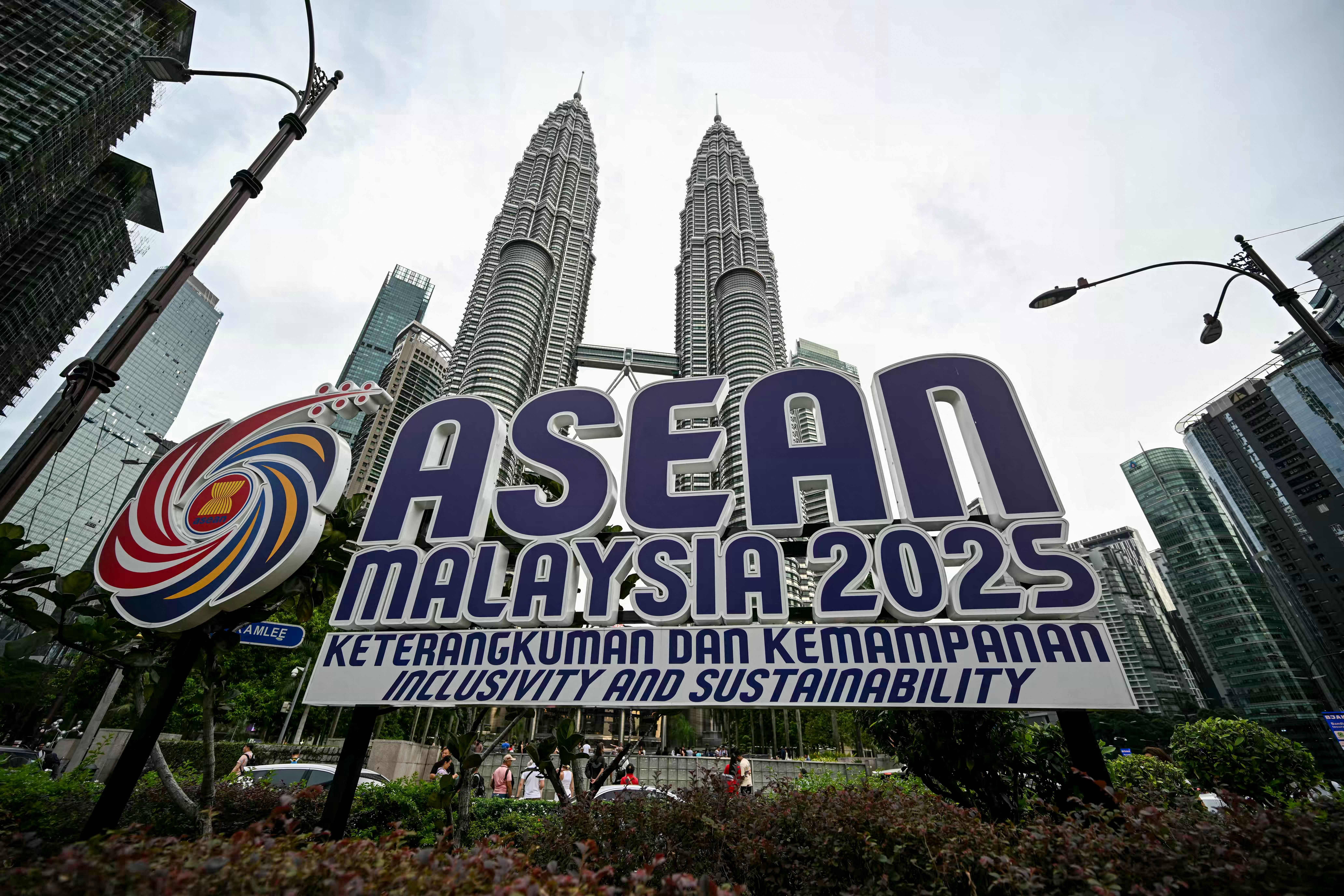
Malaysia’s chairmanship sought to fend off short-term challenges while laying the groundwork for minimizing ASEAN’s longer-term exposure to external stresses.

Elina Noor

For Malaysia, the conjunction that works is “and” not “or” when it comes to the United States and China.
Elina Noor

ASEAN needs to determine how to balance perpetuating the benefits of technology cooperation with China while mitigating the risks of getting caught in the crosshairs of U.S.-China gamesmanship.
Elina Noor
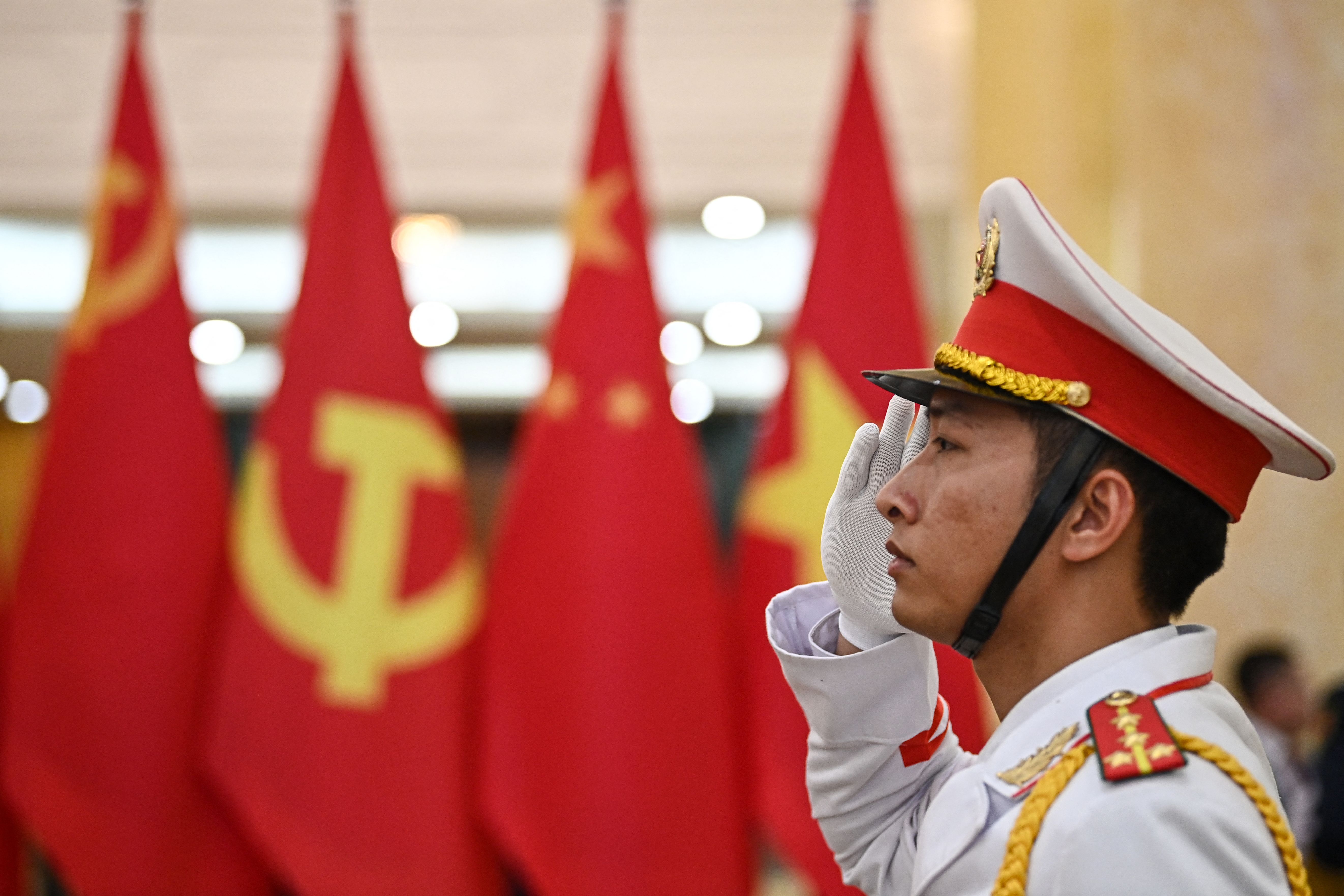
In July 2025, Vietnam and China held their first joint army drill, a modest but symbolic move reflecting Hanoi’s strategic hedging amid U.S.–China rivalry.

Nguyễn Khắc Giang

Regulation, not embargo, allows Beijing to shape how other countries and firms adapt to its terms.
Alvin Camba