

Paper
Anirudh Suri

REQUIRED IMAGE
Indian Prime Minister Manmohan Singh recently made speeches in the Rajya Sabha (August 17th) and the Lok Sabha (August 23rd), the two Houses of India’s Parliament, forcefully defending the merits of the India-US nuclear deal and clearly outlining the Indian Government’s position on various aspects of the deal. Facing criticism from opposition parties as well as the Left, Singh addressed all the concerns in turn and claimed that he had the assurance of President Bush that the final India-US nuclear deal would not represent any shifts away from the goalposts established in the agreement of July 18, 2005.
In his speeches, Singh emphatically stated that India would not bend in the face of US pressure and would not accept any conditions that would go beyond the July 18th Joint Statement and the March 2, 2006 Separation Plan. Strongly refuting the claim that the proposed US Bill, as passed by the House of Representatives, could become an instrument to influence or even dictate Indian foreign policy, Singh asserted that “the thrust of our foreign policy remains the promotion of our national interest.”
In unequivocal terms, Singh further declared that India was “not willing to accept a moratorium on the production of fissile material” and that India was not “prepared to go beyond a unilateral voluntary moratorium on nuclear testing as indicated in the July statement.” Singh made it clear that the Indian Government would not accept any “dilution that would prevent us from securing the benefits of full civil nuclear cooperation.” He also rejected the Senate proposal that requires the US President to report on India’s compliance with non-proliferation and other commitments on an annual basis, saying that the “element of uncertainty regarding future cooperation” was not acceptable to India. Addressing the issue of India’s nuclear weapons program being subject to international safeguards, Singh further clarified that the Indian government has registered strong opposition to “any legislative provisions that mandate scrutiny of either our nuclear weapons programme or our unsafeguarded nuclear facilities.” As a sovereign nation, India was in no way bound by the legislation of any other country, Singh declared. (Read More)
Indian Prime Minister Manmohan Singh recently made speeches in the Rajya Sabha (August 17th) and the Lok Sabha (August 23rd), the two Houses of India’s Parliament, forcefully defending the merits of the India-US nuclear deal and clearly outlining the Indian Government’s position on various aspects of the deal. Facing criticism from opposition parties as well as the Left, Singh addressed all the concerns in turn and claimed that he had the assurance of President Bush that the final India-US nuclear deal would not represent any shifts away from the goalposts established in the agreement of July 18, 2005.
In his speeches, Singh emphatically stated that India would not bend in the face of US pressure and would not accept any conditions that would go beyond the July 18th Joint Statement and the March 2, 2006 Separation Plan. Strongly refuting the claim that the proposed US Bill, as passed by the House of Representatives, could become an instrument to influence or even dictate Indian foreign policy, Singh asserted that “the thrust of our foreign policy remains the promotion of our national interest.”
In unequivocal terms, Singh further declared that India was “not willing to accept a moratorium on the production of fissile material” and that India was not “prepared to go beyond a unilateral voluntary moratorium on nuclear testing as indicated in the July statement.” Singh made it clear that the Indian Government would not accept any “dilution that would prevent us from securing the benefits of full civil nuclear cooperation.” He also rejected the Senate proposal that requires the US President to report on India’s compliance with non-proliferation and other commitments on an annual basis, saying that the “element of uncertainty regarding future cooperation” was not acceptable to India. Addressing the issue of India’s nuclear weapons program being subject to international safeguards, Singh further clarified that the Indian government has registered strong opposition to “any legislative provisions that mandate scrutiny of either our nuclear weapons programme or our unsafeguarded nuclear facilities.” As a sovereign nation, India was in no way bound by the legislation of any other country, Singh declared.
Singh’s firm stance and confidence that the US would do its utmost to recognize and accommodate Indian demands seemed to be based on “an assurance from the US President that the parameters of the scope of cooperation would be those contained in the July 2005 Joint Statement and the March 2006 Separation plan.” Thus, Singh concluded that two things were clear: one, there was “no ambiguity in our position in so far as it has been conveyed to the US” and two, the Bush administration had clearly recognized these concerns and voiced them with the US Congress.”
In case the US legislation does indeed take a form similar to the one that was passed by the House of Representatives, then the Indian Government might be forced to reconsider the deal. At the same time, the Singh Government has demonstrated that it remains fully committed to the deal and to improved relations with the United States. Singh emphasized that the deal would contribute greatly to India’s energy security in the future by helping increase nuclear power production as well as enhance the development of India’s high-tech sectors through the promised dismantling of the technology denial regimes.
The ball has now been placed in the US Senate’s court. It is up to the US Senate to decide how seriously it wants to take the demands of the Indian government. The importance accorded by Singh to the concerns of other Parliamentarians and the scientific community and the categorical stances taken in his speeches will necessitate playing hard ball with the US. Singh has put himself in a good position for now- having addressed domestic concerns by sending a loud and clear message to the US that India will not go beyond what has already been agreed upon.
Singh has admitted that he cannot predict “with certainty the final form of the US legislation or the outcome of the process with the NSG, which consists of 45 countries with divergent views.” Significantly, Singh remained ambiguous about India’s plan of action in the event that the final version of the US legislation or the guidelines imposed by the NSG placed “extraneous conditions” on India, saying that the Indian Government would “draw the necessary conclusions, consistent with the commitments I have made to Parliament.” The use of the phrase “necessary conclusions” regarding future action does allow Singh some flexibility in how to respond to the final version of the US legislation, though CPI (M) leaders have begun pushing the government to spell out in advance their strategy clearly in case extraneous conditions were in fact imposed.
On the part of the US Senate, the worsening situation vis-à-vis Iran and its belligerence on nuclear issues might induce the Senate to not push a key potential ally away at such a time. Furthermore, the Bush administration will be pushing vigorously for the Bill to go through in a mutually acceptable form. Lobbyists in favor of the deal emphasize the importance of improving economic and political ties with a rapidly growing India. At the same time, others continue to believe that the US is offering India everything on a silver platter without getting any concrete assurances or any tangible benefits in return. It will be this constituency that will have to be convinced if the deal is to go through in a mutually acceptable form.
The Indians haven’t lost sight of the next obstacle, the NSG, either. In response to the reservations voiced by some Scandinavian countries, the Indians launched a diplomatic counteroffensive, citing their impeccable non-proliferation record and unilateral commitments to maintaining it.
The Senate returns to session in September.
Anirudh Suri is a Junior Fellow with the South Asia Program at the Carnegie Endowment.
Excerpts from PM's reply to discussion in Rajya Sabha on Civil Nuclear Energy Cooperation with the United States
Remarks by Indian Prime Minister Manmohan Singh, August 17, 2006

Nonresident Scholar, Technology and Society Program
Anirudh Suri is a nonresident scholar with Carnegie India. His interests lie at the intersection of technology and geopolitics, climate, and strategic affairs.
Recent Work
Anirudh Suri
Anirudh Suri
Carnegie does not take institutional positions on public policy issues; the views represented herein are those of the author(s) and do not necessarily reflect the views of Carnegie, its staff, or its trustees.
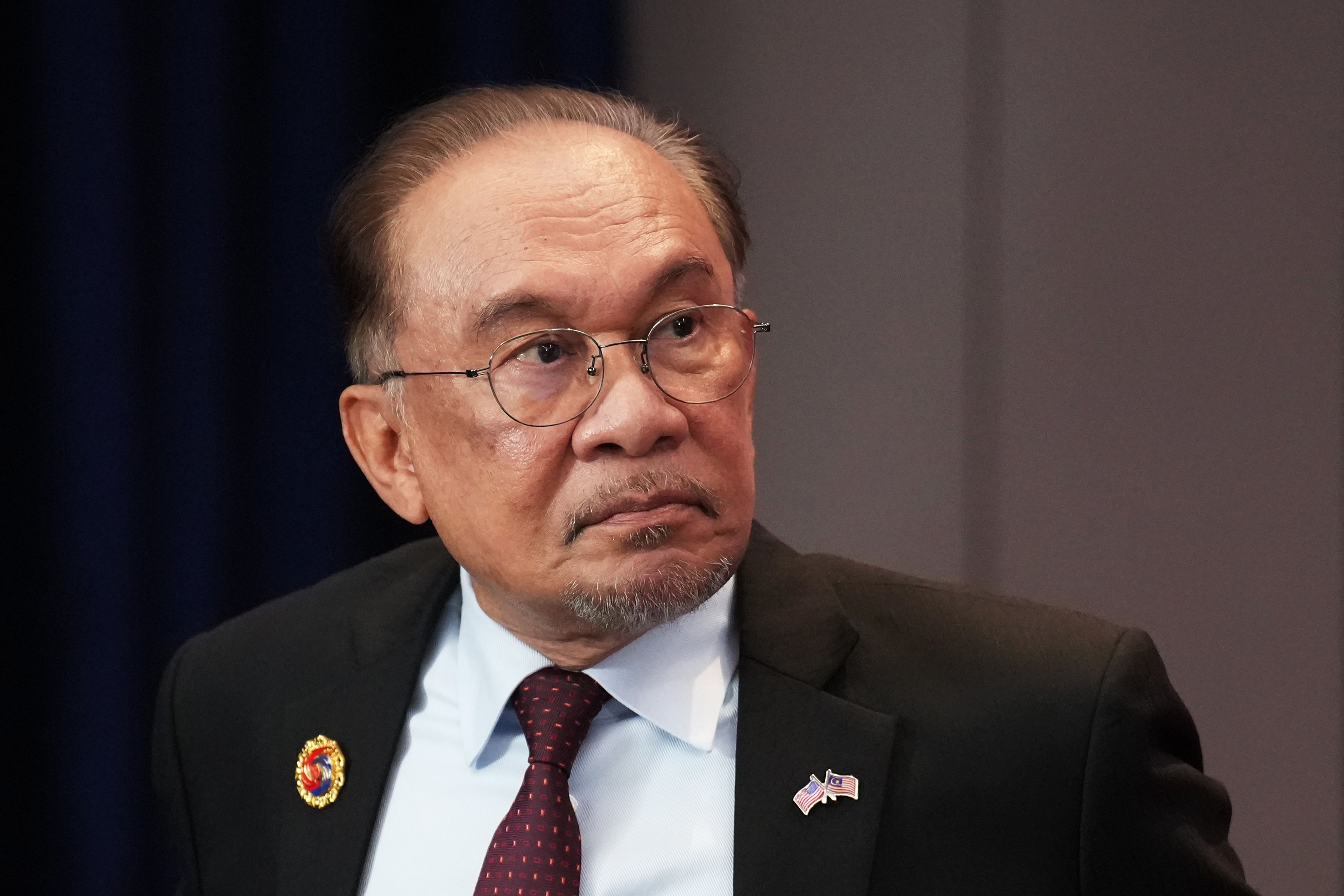
For Malaysia, the conjunction that works is “and” not “or” when it comes to the United States and China.

Elina Noor
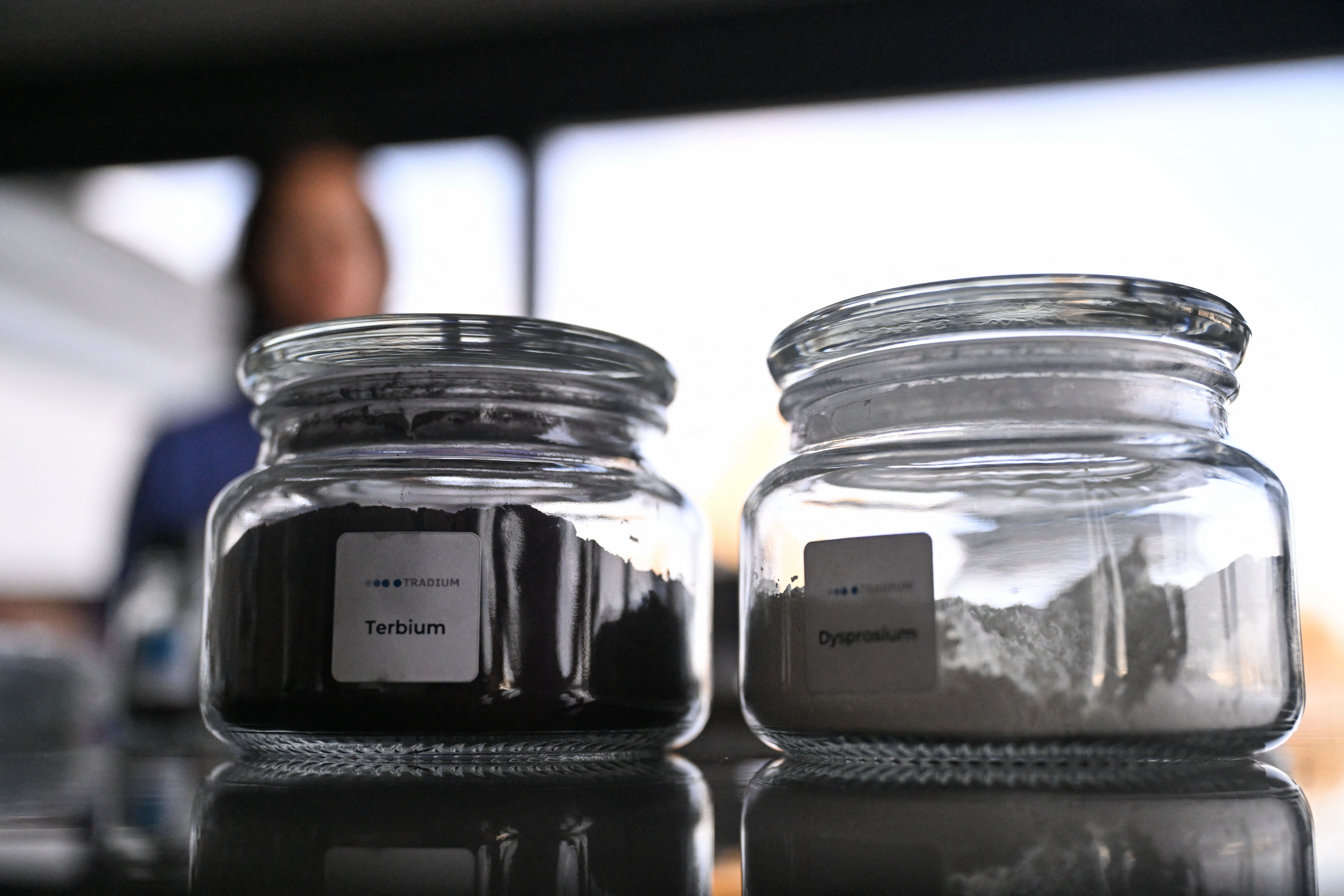
Regulation, not embargo, allows Beijing to shape how other countries and firms adapt to its terms.

Alvin Camba

Beijing believes that Washington is overestimating its own leverage and its ability to handle the trade war’s impacts.


Rick Waters, Sheena Chestnut Greitens
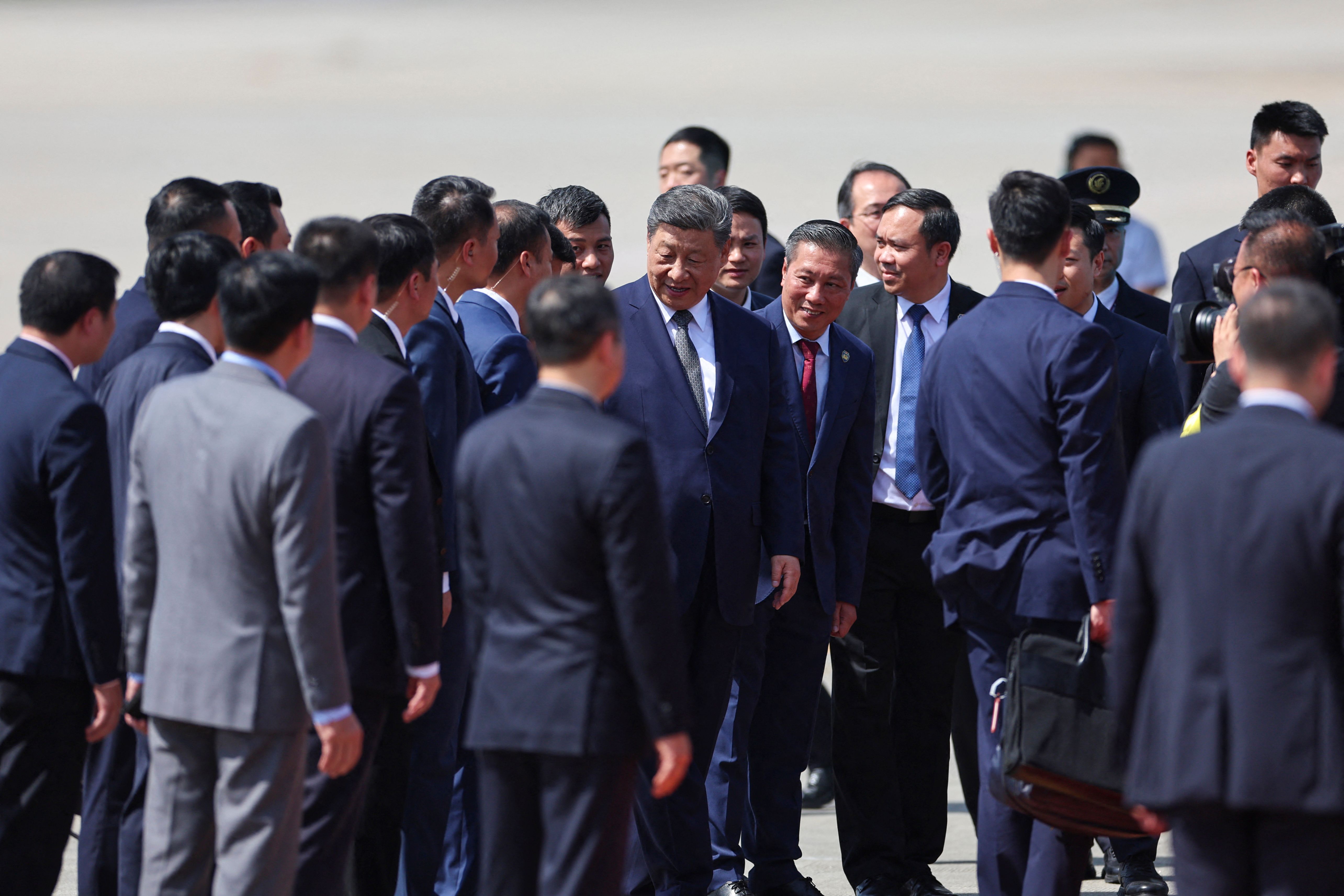
Tapping our network of China experts in the region, Carnegie China offers this latest “China Through a Southeast Asian Lens” report to offer preliminary assessments of whether the U.S. effort to reshape the global trading order will lead countries in the region to tilt toward Beijing.



Selina Ho, Khin Khin Kyaw Kyee, Joseph Ching Velasco, …
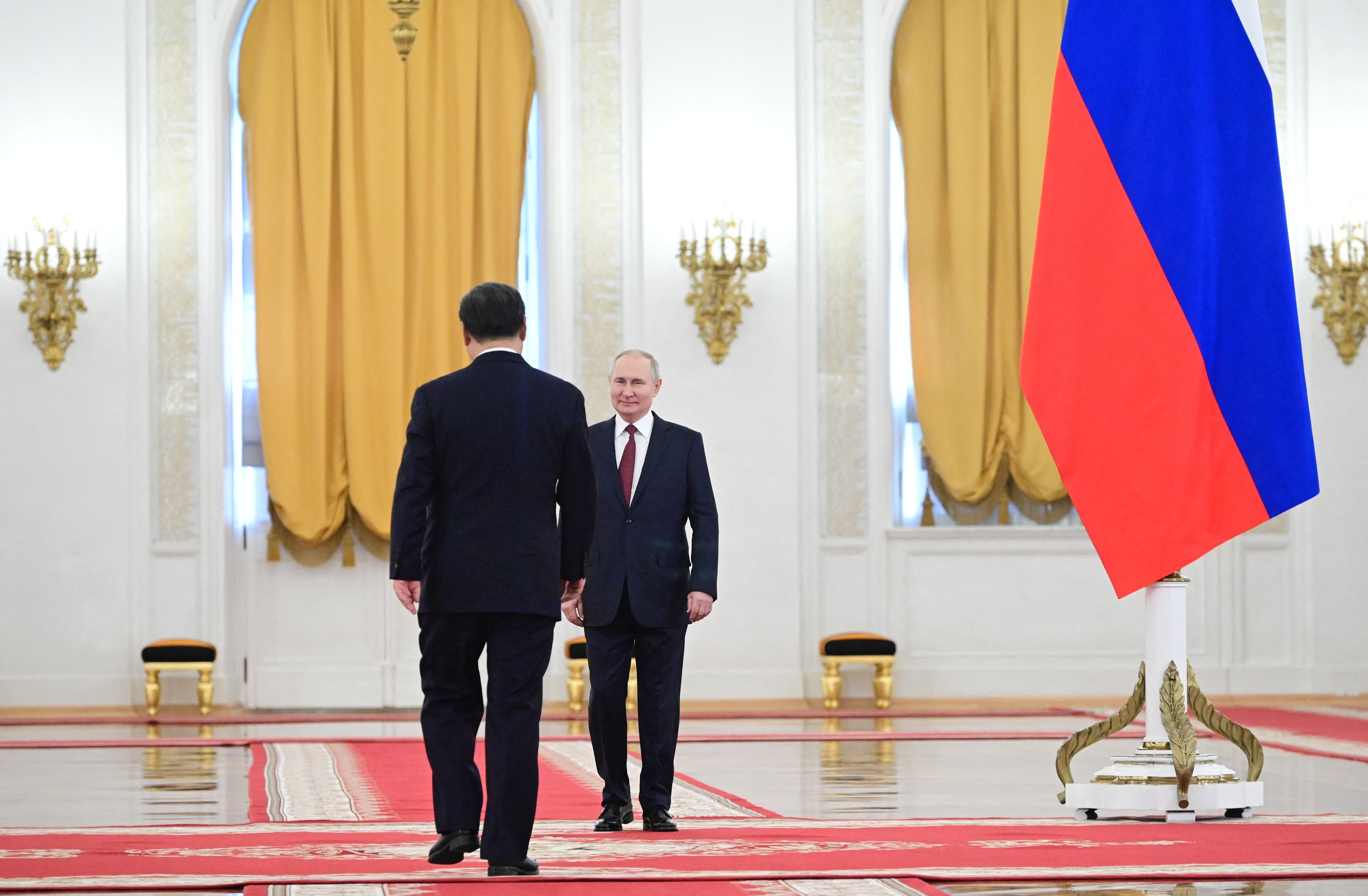
Beijing is trying to navigate the overall situation regarding Ukraine, especially the substance of interactions between Washington and Moscow.



Ellen Nakashima, Zhao Long, Pavlo Klimkin, …