

Commentary
Faced with an increase in strategic maneuvering by Moscow and Pyongyang, Beijing will not sit idly by and allow Putin and Kim to shape the security environment on its behalf.
Tong Zhao

REQUIRED IMAGE
One of the most vexing questions regarding the Iranian nuclear crisis is that analysts are unable to determine whether or not Iran has actually decided to build nuclear weapons or whether it just wants a “hedging” option at this point.
One of the most vexing questions regarding the Iranian nuclear crisis is that analysts are unable to determine whether or not
The history of the French nuclear program can provide some interesting lessons.
When the French Atomic Energy Commissary (CEA) was created in 1945, its mission was to explore all dimensions of nuclear science and technology. No difference was made between the civilian and military domain. Nuclear technology was the way of the future. Three rationales for the Bomb appeared in the French debate. One was modernity and the benefits that nuclear technology could bring to the economy and to the armed forces. The second was prestige:
In the late 1940s, only a small constituency within the French administration and armed forces believed that the country should have nuclear weapons. Over time, they gained allies, but there was never a consensus to build the Bomb. Throughout the 1950s, the regime was fragmented, with multiple forces jockeying for power and short-lived coalition governments. Disagreements existed within successive governments, but also split the bureaucracy itself. For instance, heads of the CEA were opposed to the Bomb, but their number twos, who had the real power, were able to orient the nuclear program in their preferred direction. As a result of this complexity in decision-making, there was never a clear political decision to build the Bomb. The famous December 1954 decision in principle by Pierre Mendès-France was to be officially confirmed, but never was because the government fell a few weeks later. But by 1956, there was so much investment in nuclear infrastructure that any decision to stop would have been financially and politically very costly. Two reactors able to produce weapon-grade plutonium were being built, and a decision was taken to build a reprocessing plant, which came on line in January 1958. The die was cast in April 1958 when Félix Gaillard, the last Prime Minister of the
Because of internal disagreements and the weakness of the
Two lessons from the French experience are useful for dealing with
Bruno Tertrais is a Senior Research Fellow at the Fondation pour
Bruno Tertrais
Carnegie does not take institutional positions on public policy issues; the views represented herein are those of the author(s) and do not necessarily reflect the views of Carnegie, its staff, or its trustees.
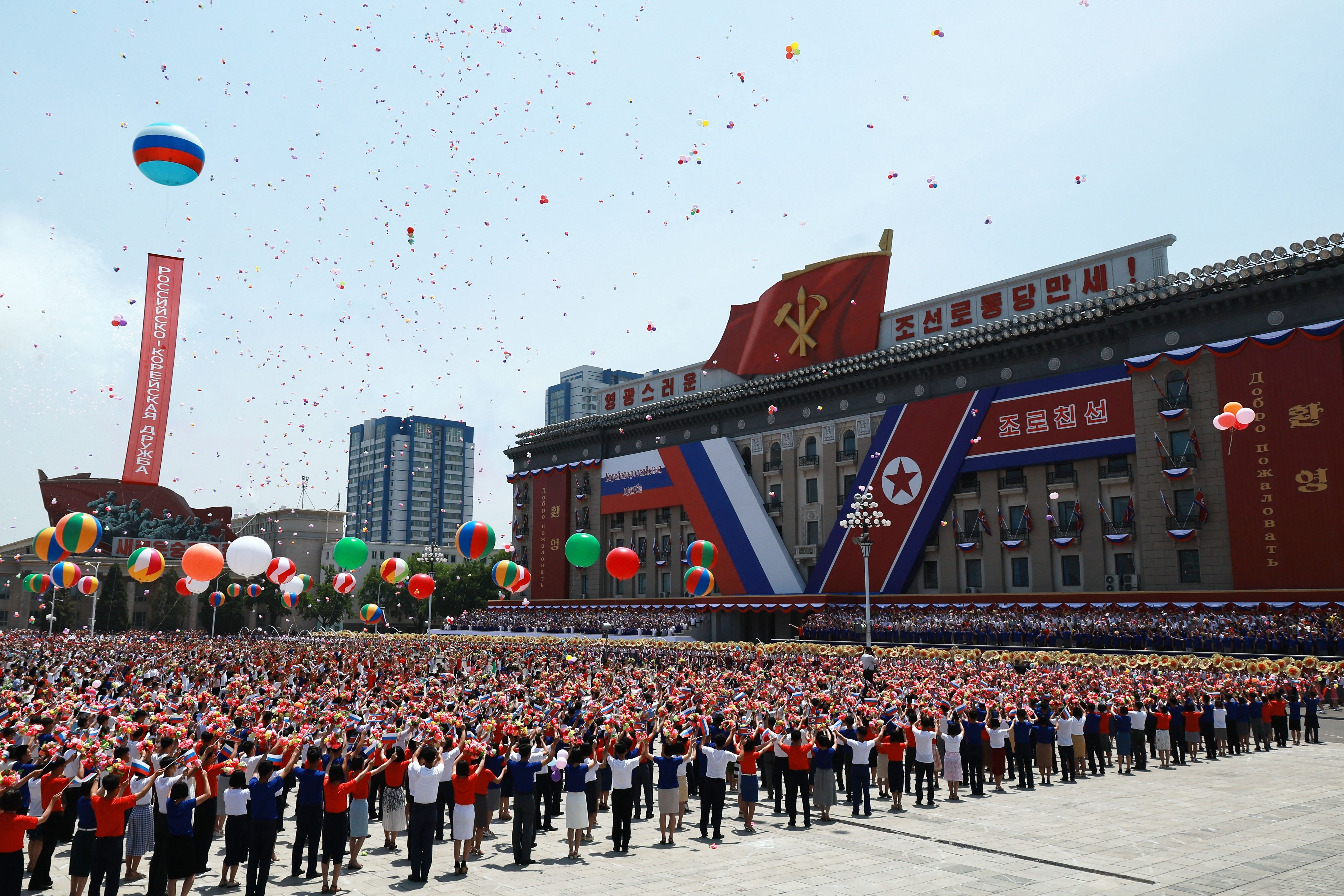
Faced with an increase in strategic maneuvering by Moscow and Pyongyang, Beijing will not sit idly by and allow Putin and Kim to shape the security environment on its behalf.

Tong Zhao
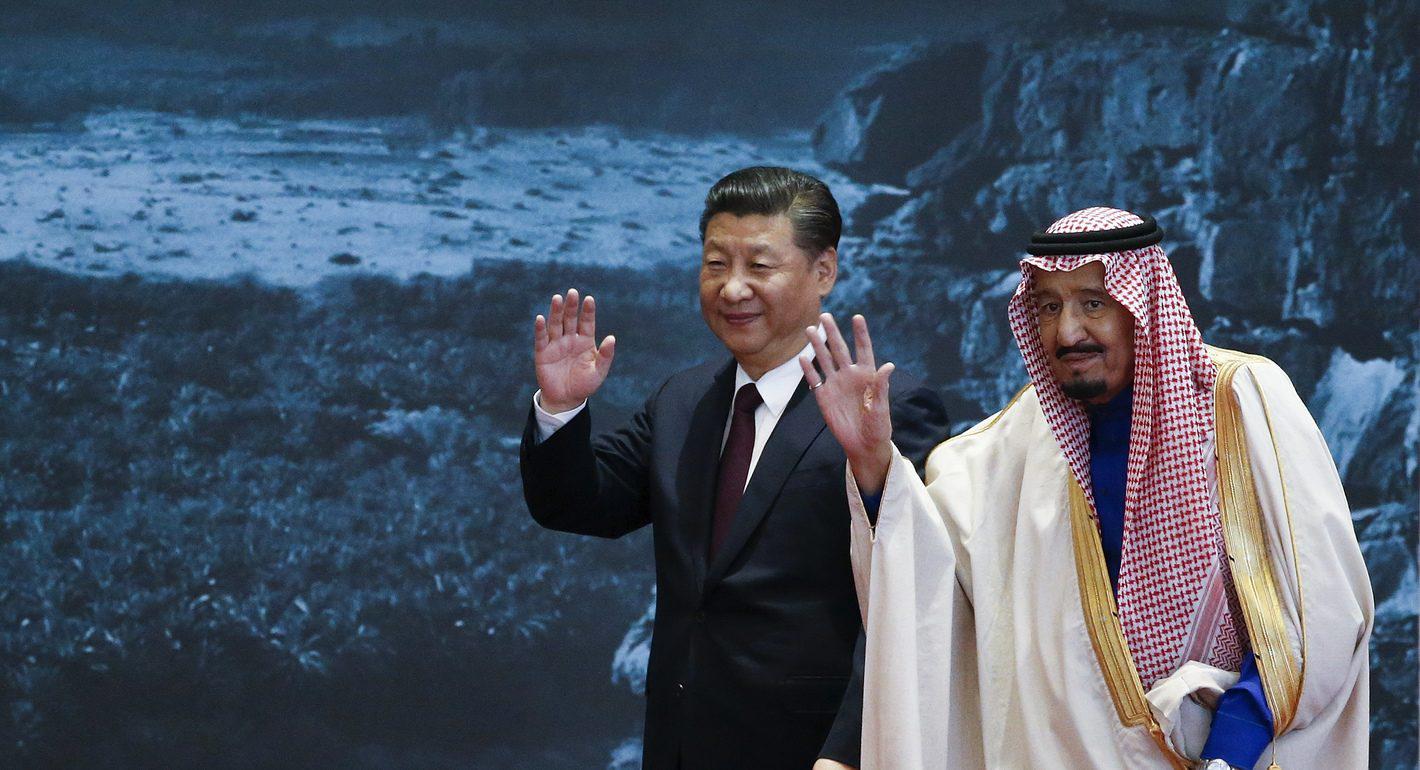
The advantage that China has over other global powers, especially America, is that its foreign policy is closely aligned with those of many of the Middle Eastern countries.


Jin Liangxiang, Maha Yahya, Hesham Alghannam
China views U.S. missile defense as posing a greater potential threat to China’s nuclear deterrent than other U.S. military capabilities.
Tong Zhao, Dmitry Stefanovich
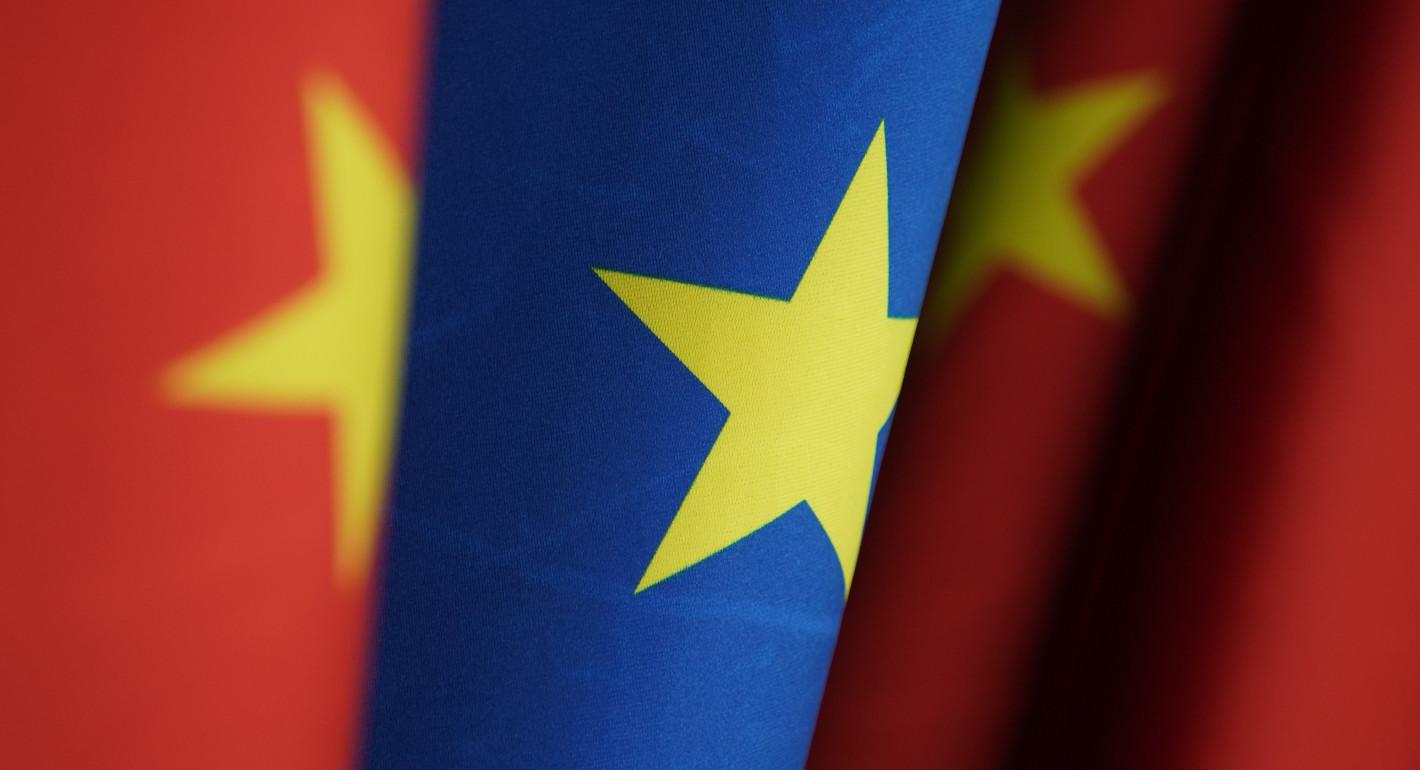
“It’s not so clear how we’re going to get out of this.”

Paul Haenle, Philippe Le Corre
It’s about managing oil prices, bread prices, and strategic partnerships.



Amr Hamzawy, Karim Sadjadpour, Aaron David Miller, …