

Paper
Paul Salem
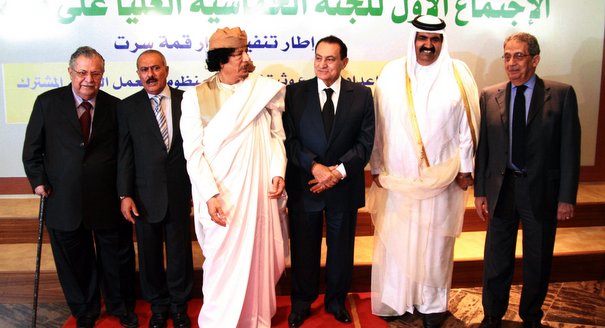
Source: Getty
A formal framework for communication and cooperation in the eastern Middle East could reduce the risks of conflict and encourage stability and economic development in this tense but critical location.
As the United States withdraws its forces from Iraq, there will be competition for regional influence by states in the eastern Middle East, including Turkey, Iran, Syria, Iraq, Saudi Arabia, and the rest of the Gulf countries. A formal framework for communication and cooperation—similar to the Organization for Security and Co-operation in Europe—could reduce the risks of conflict and encourage stability and economic development in this tense but critical location, according to a paper by Paul Salem.
“There are escalating tensions in the eastern Middle East today, but this is precisely why the region’s leaders should increase their communication and interaction,” writes Salem. “Even in the context of unresolved threats, working toward such a framework is possible and necessary. The Helsinki Process and the OSCE were launched during the Cold War to build trust and cooperation in the context of mistrust and mutually perceived threats.”
Senior Fellow at the Middle East Institute
Paul Salem is a senior fellow at the Middle East Institute.
Recent Work
Paul Salem
Paul Salem
Carnegie does not take institutional positions on public policy issues; the views represented herein are those of the author(s) and do not necessarily reflect the views of Carnegie, its staff, or its trustees.
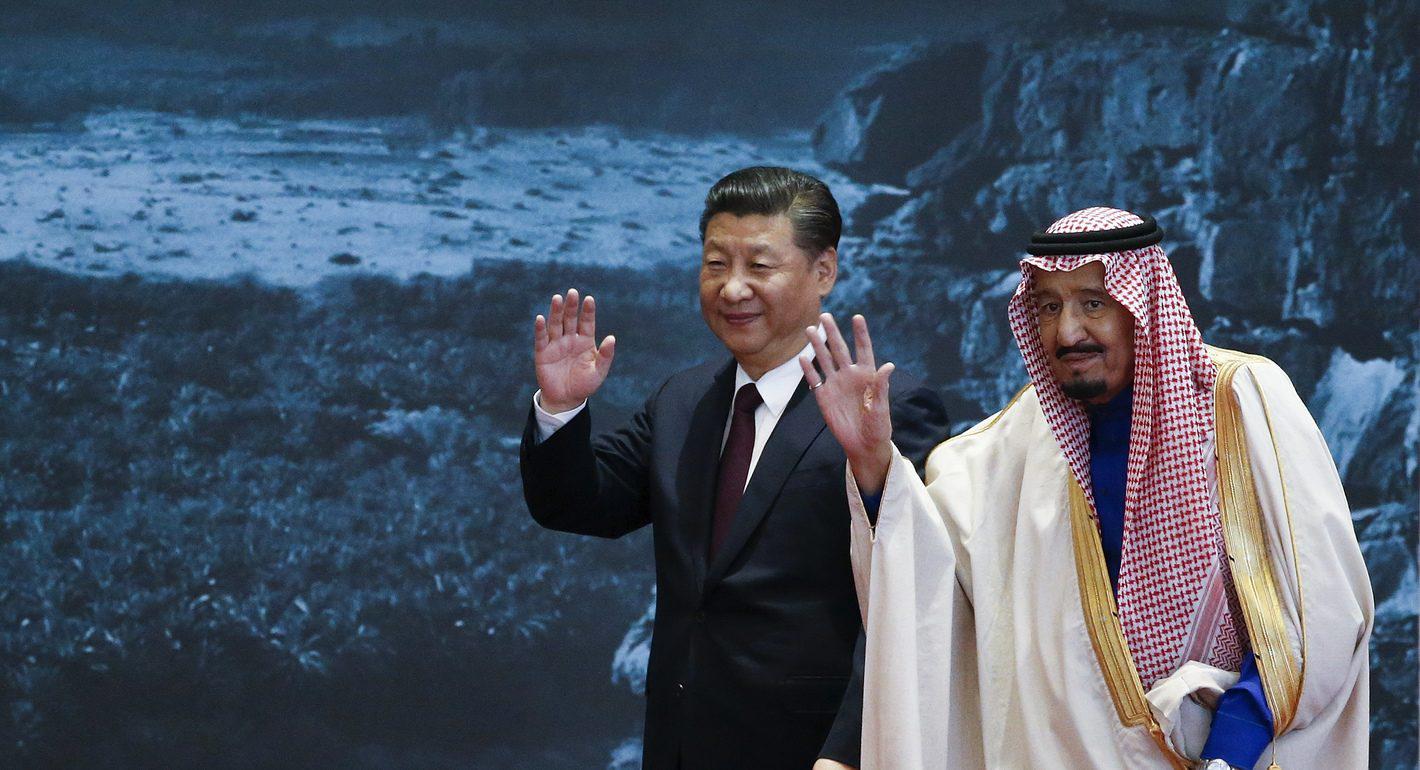
The advantage that China has over other global powers, especially America, is that its foreign policy is closely aligned with those of many of the Middle Eastern countries.

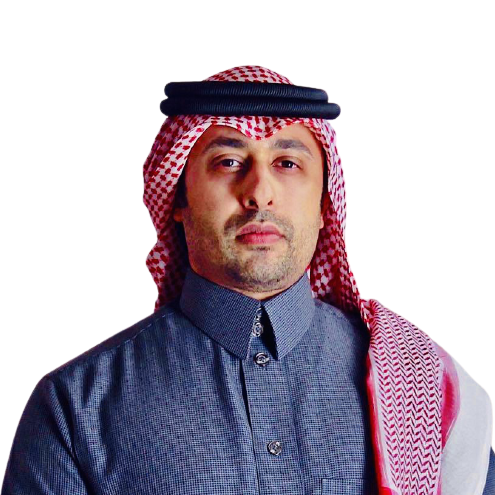
Jin Liangxiang, Maha Yahya, Hesham Alghannam
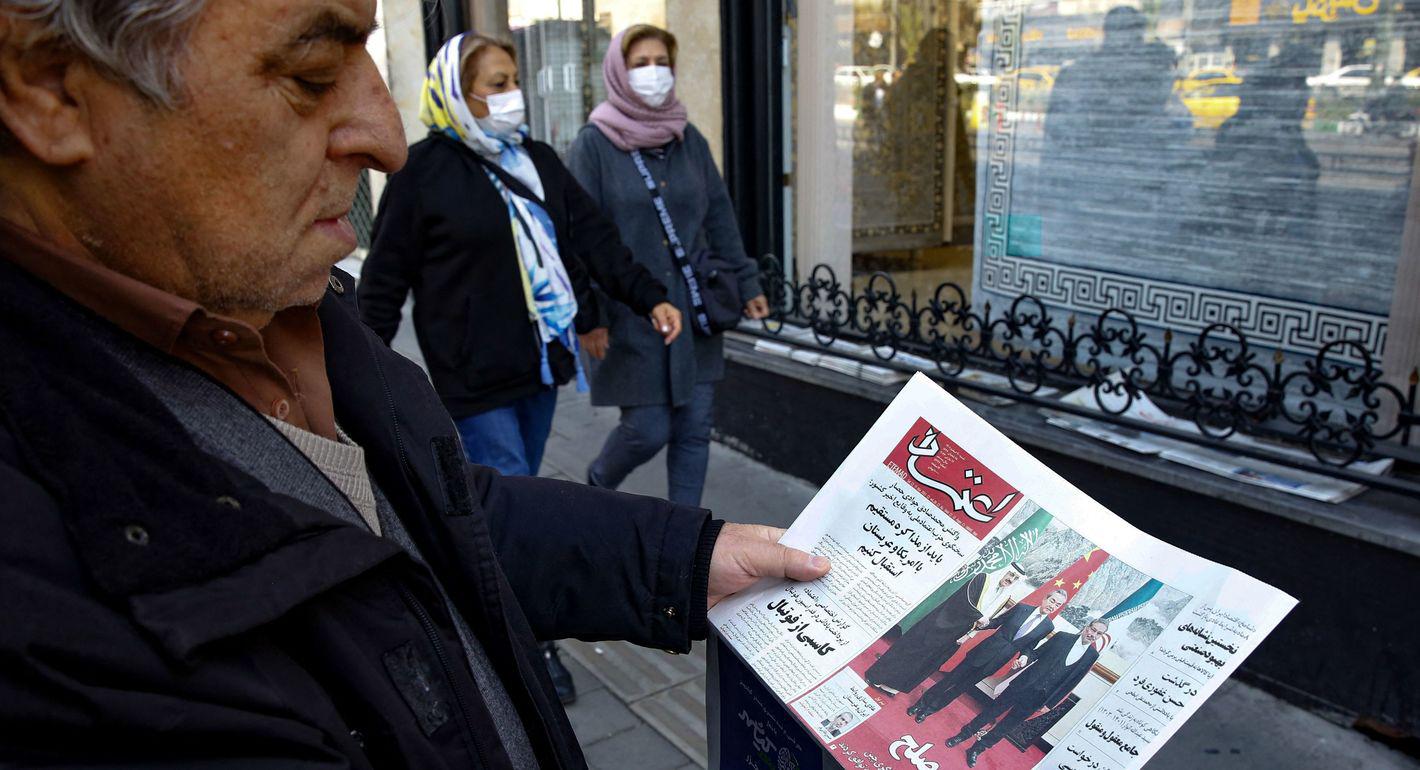
Transactional relationships are stable but can be shallow.


Paul Haenle, Maha Yahya, Benjamin Ho, …
It’s about managing oil prices, bread prices, and strategic partnerships.



Amr Hamzawy, Karim Sadjadpour, Aaron David Miller, …
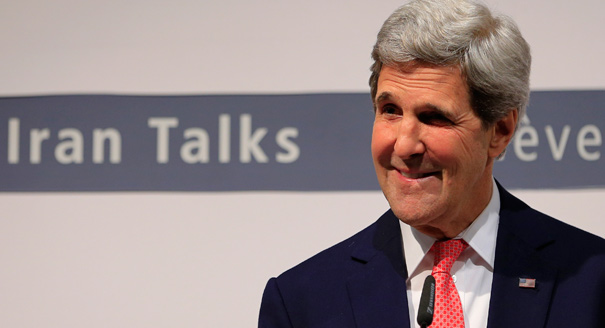
Fundamentally, it seems irrational to leave an agreement that’s working today out of a fixation on potential growth of Iran’s nuclear program more than a decade from now, when such growth could happen tomorrow if we unravel the agreement.
John Kerry
The smart way to get tough on Iran would be to commit to the nuclear deal, enforce it to the hilt, and work with global partners on a long-term strategy to deal with Iran’s challenge.
William J. Burns, Jake Sullivan