

Commentary
Malaysia’s chairmanship sought to fend off short-term challenges while laying the groundwork for minimizing ASEAN’s longer-term exposure to external stresses.
Elina Noor
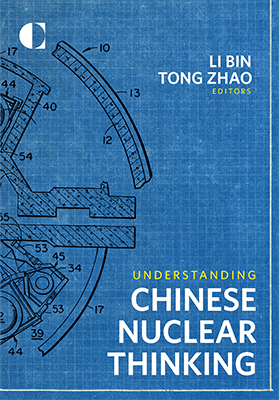
Critical differences between Chinese and U.S. thinking about nuclear weapons and deterrence result not merely from differing security environments and levels of military strength; they also exist because China and the United States have developed their own nuclear philosophies in implementing their security policies over many years.
Chinese and U.S. nuclear experts communicate regularly, but these exchanges often remain difficult and inefficient. Critical differences between Chinese and U.S. thinking about nuclear weapons and deterrence result not merely from differing security environments and levels of military strength; they also exist because China and the United States have developed their own nuclear philosophies in implementing their security policies over many years. A deeper understanding of these differences sheds light on the fundamental drivers of China’s nuclear policies and how such policies may evolve in the future.
China’s no-first-use policy for its nuclear weapons still serves its national security interests. Notwithstanding recent debates, the policy continues to effectively guide China’s nuclear-weapon development and operations, and its nuclear-arms-control diplomacy.
Chinese experts weigh both technical and political factors in their calculation of strategic stability. They especially worry about instability caused by technical lagging. To reduce the danger of nuclear war, Chinese analysts favor the maintenance of an effective firebreak between nuclear weapons and conventional conflict.
China views nuclear proliferation and nuclear terrorism as growing national security challenges. Beijing emphasizes the importance of addressing the root causes of proliferation and supports greater international cooperative efforts to mitigate these risks.
China has made its nuclear policy and practices more transparent in recent years. But such transparency needs to be organized more systematically to make U.S.-China nuclear dialogue more effective.
Other countries’ nuclear-weapon strategies are increasingly influencing traditional Chinese nuclear thinking and nuclear-weapon policy. Consequently, growing debates in China about its nuclear-weapon policy could result in some deployments of new Chinese weapons, as seen in other nuclear-armed states.
Carnegie does not take institutional positions on public policy issues; the views represented herein are those of the author(s) and do not necessarily reflect the views of Carnegie, its staff, or its trustees.
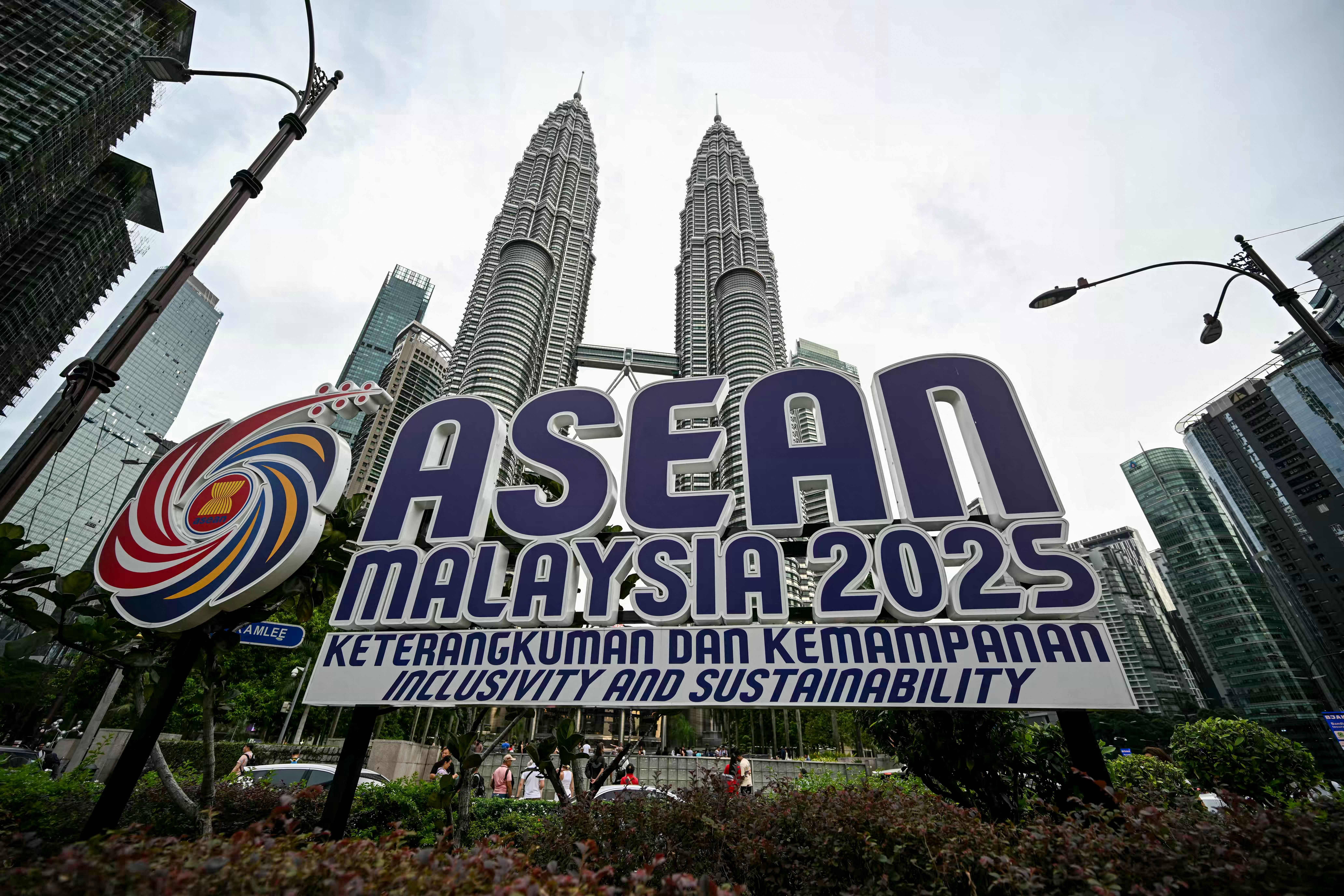
Malaysia’s chairmanship sought to fend off short-term challenges while laying the groundwork for minimizing ASEAN’s longer-term exposure to external stresses.

Elina Noor

For Malaysia, the conjunction that works is “and” not “or” when it comes to the United States and China.
Elina Noor

ASEAN needs to determine how to balance perpetuating the benefits of technology cooperation with China while mitigating the risks of getting caught in the crosshairs of U.S.-China gamesmanship.
Elina Noor
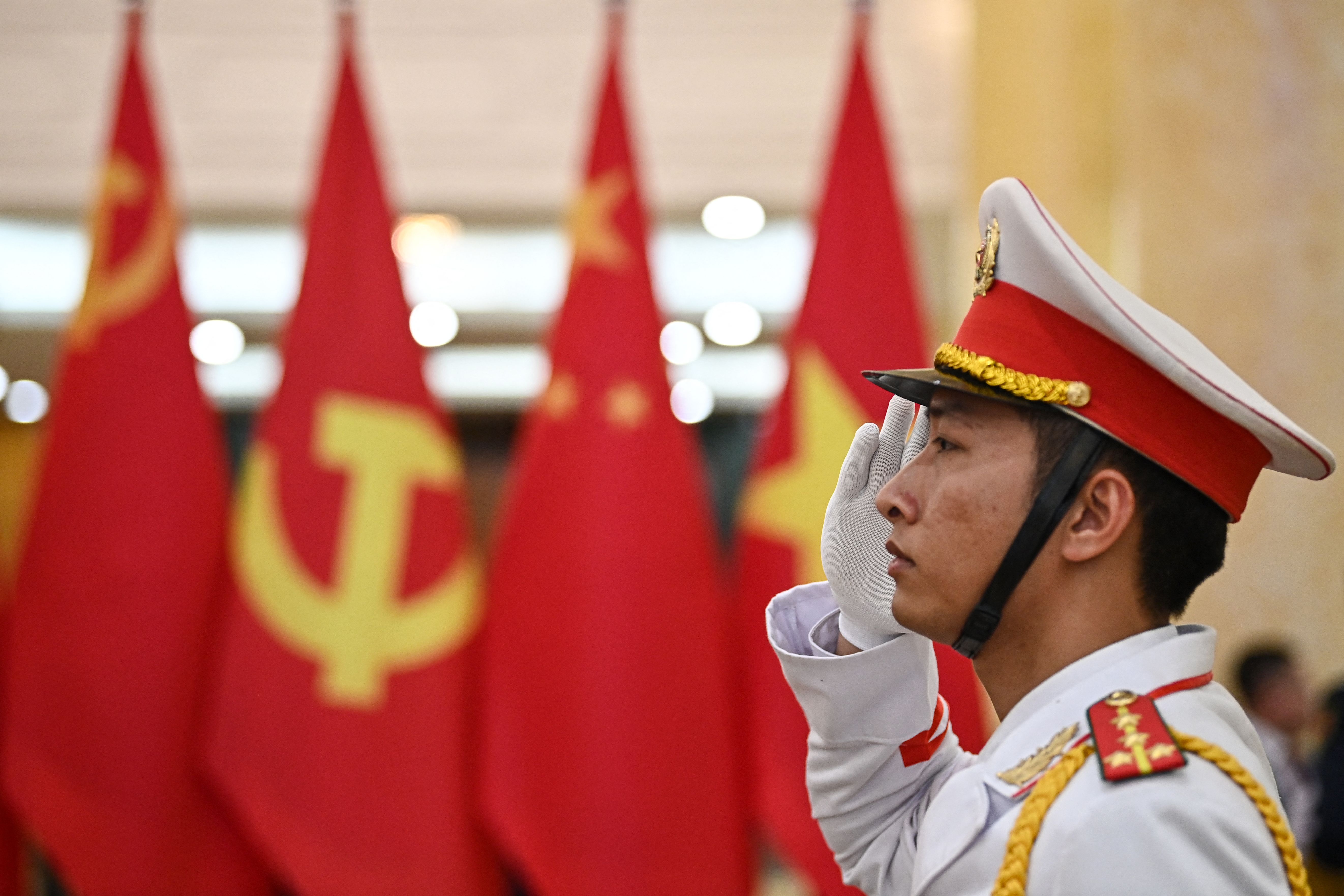
In July 2025, Vietnam and China held their first joint army drill, a modest but symbolic move reflecting Hanoi’s strategic hedging amid U.S.–China rivalry.

Nguyễn Khắc Giang

Regulation, not embargo, allows Beijing to shape how other countries and firms adapt to its terms.

Alvin Camba