

Commentary
The advantage that China has over other global powers, especially America, is that its foreign policy is closely aligned with those of many of the Middle Eastern countries.
Jin Liangxiang, Maha Yahya, Hesham Alghannam
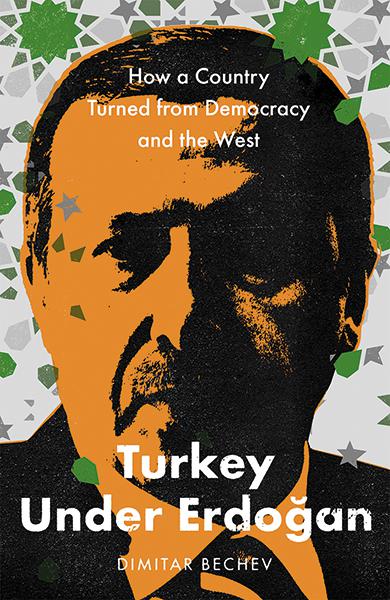
Since coming to power in 2002 Recep Tayyip Erdogan has overseen a radical transformation of Turkey. Once a pillar of the Western alliance, the country has embarked on a militaristic foreign policy, and its democracy, sustained by the aspiration to join the European Union, has given way to one-man rule.
Source: Yale University Press
An incisive account of Erdoğan’s Turkey – showing how its troubling transformation may be short-lived
Since coming to power in 2002 Recep Tayyip Erdoğan has overseen a radical transformation of Turkey. Once a pillar of the Western alliance, the country has embarked on a militaristic foreign policy, intervening in regional flashpoints from Nagorno-Karabakh to Libya. And its democracy, sustained by the aspiration to join the European Union, has given way to one-man rule.
Dimitar Bechev traces the political trajectory of Erdoğan’s populist regime, from the era of reform and prosperity in the 2000s to the effects of the war in neighboring Syria. In a tale of missed opportunities, Bechev explores how Turkey parted ways with the United States and Europe, embraced Putin’s Russia and other revisionist powers, and replaced a frail democratic regime with an authoritarian one. Despite this, he argues that Turkey’s democratic instincts are resilient, its economic ties to Europe are as strong as ever, and Erdoğan will fail to achieve a fully autocratic regime.
‘A sweeping attempt to capture the last 20 years of Turkey, Bechev skilfully traces the radical transformation of Turkey’s domestic and foreign policies under Recep Tayyip Erdoğan. An outstanding book from one of the best.’
—Gönül Tol, Middle East Institute
‘A compelling narrative, rich in anecdotes, quotes, and carefully chosen empirical examples, enlivens an in-depth historical analysis of Turkey’s evolution from the 1970s until today. Bechev charts Turkey’s modernization, the rise of Islamist populism, its geopolitical shift from the periphery of the West to its bid for regional hegemony, as well as the weaknesses of the competitive authoritarian regime that its President Erdoğan has crafted.’
—Rosa Balfour, Director of Carnegie Europe
‘Bechev analyzes the two decades that witnessed the evolution of President Erdoğan from a seemingly EU-friendly “Muslim democrat” to a strongman. He masterfully portrays how the shifts in AKP’s foreign policy were intertwined with rising authoritarian practices in Turkey.’
—Professor Ayşe Kadıoğlu, Sabanci University
Carnegie does not take institutional positions on public policy issues; the views represented herein are those of the author(s) and do not necessarily reflect the views of Carnegie, its staff, or its trustees.
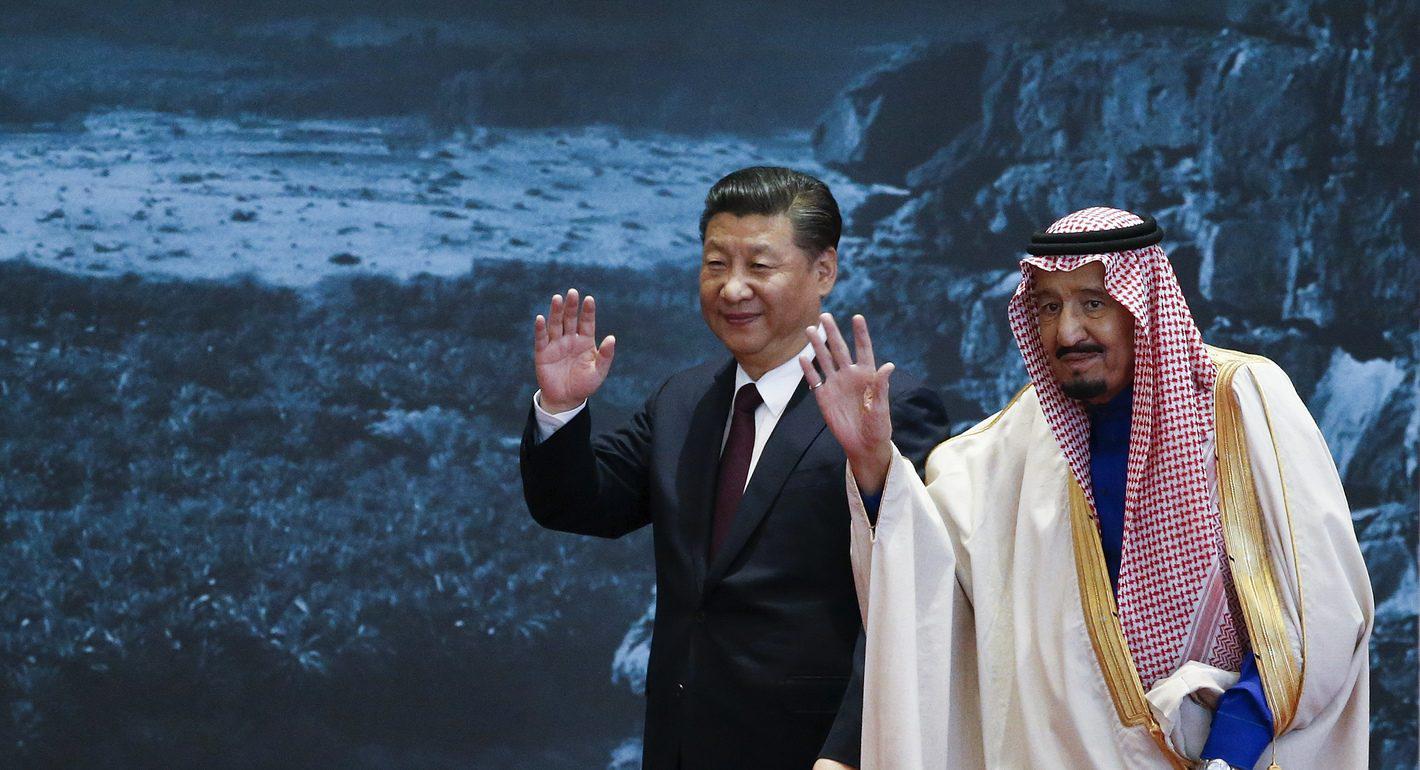
The advantage that China has over other global powers, especially America, is that its foreign policy is closely aligned with those of many of the Middle Eastern countries.
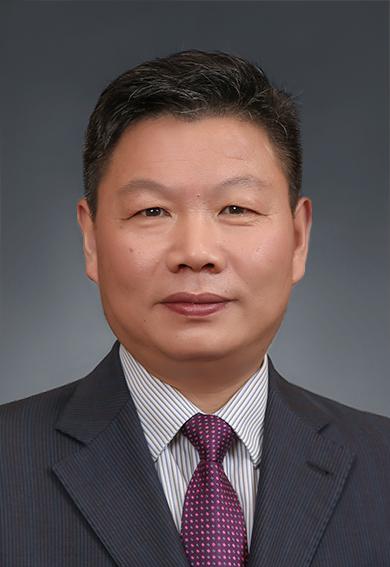
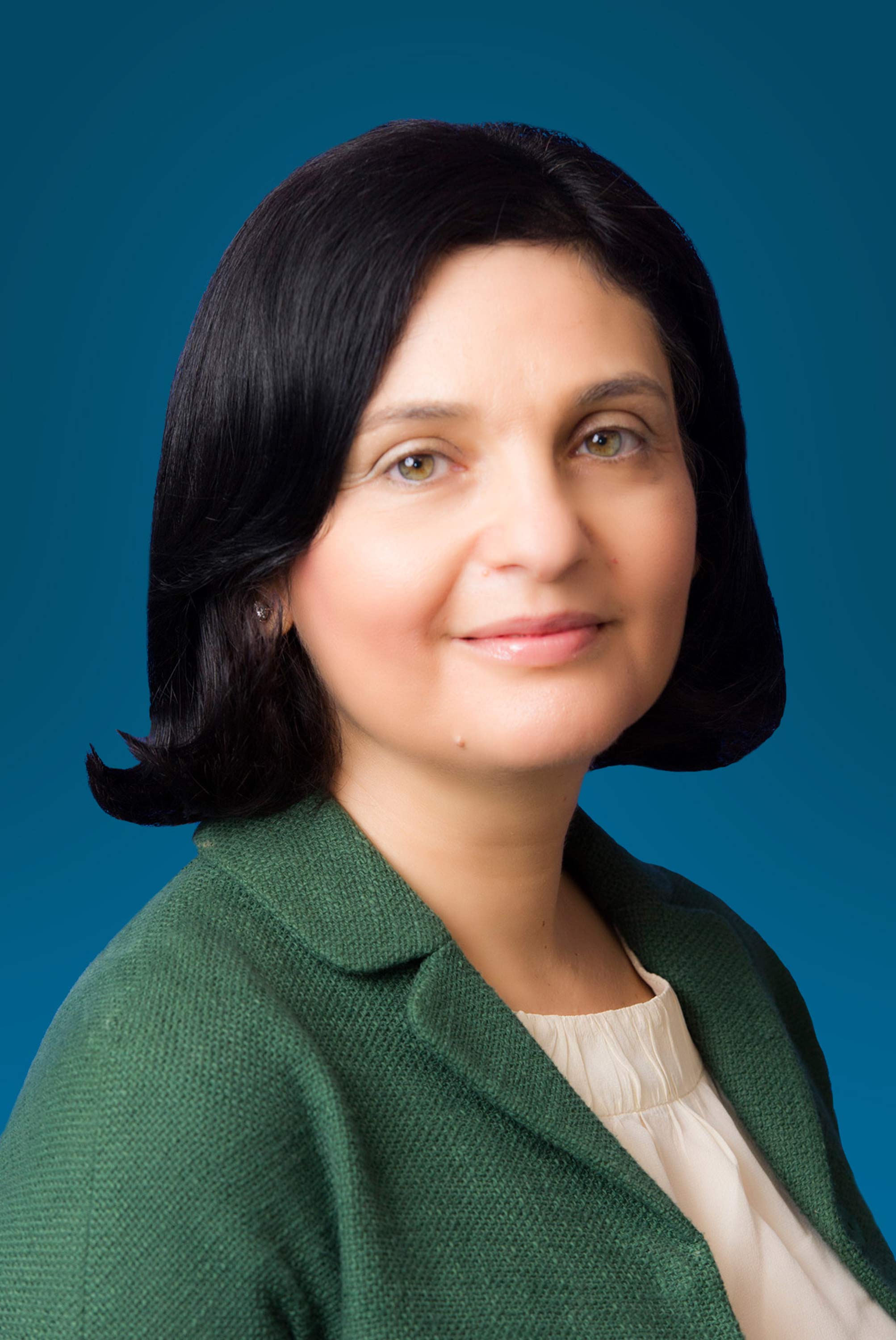
Jin Liangxiang, Maha Yahya, Hesham Alghannam
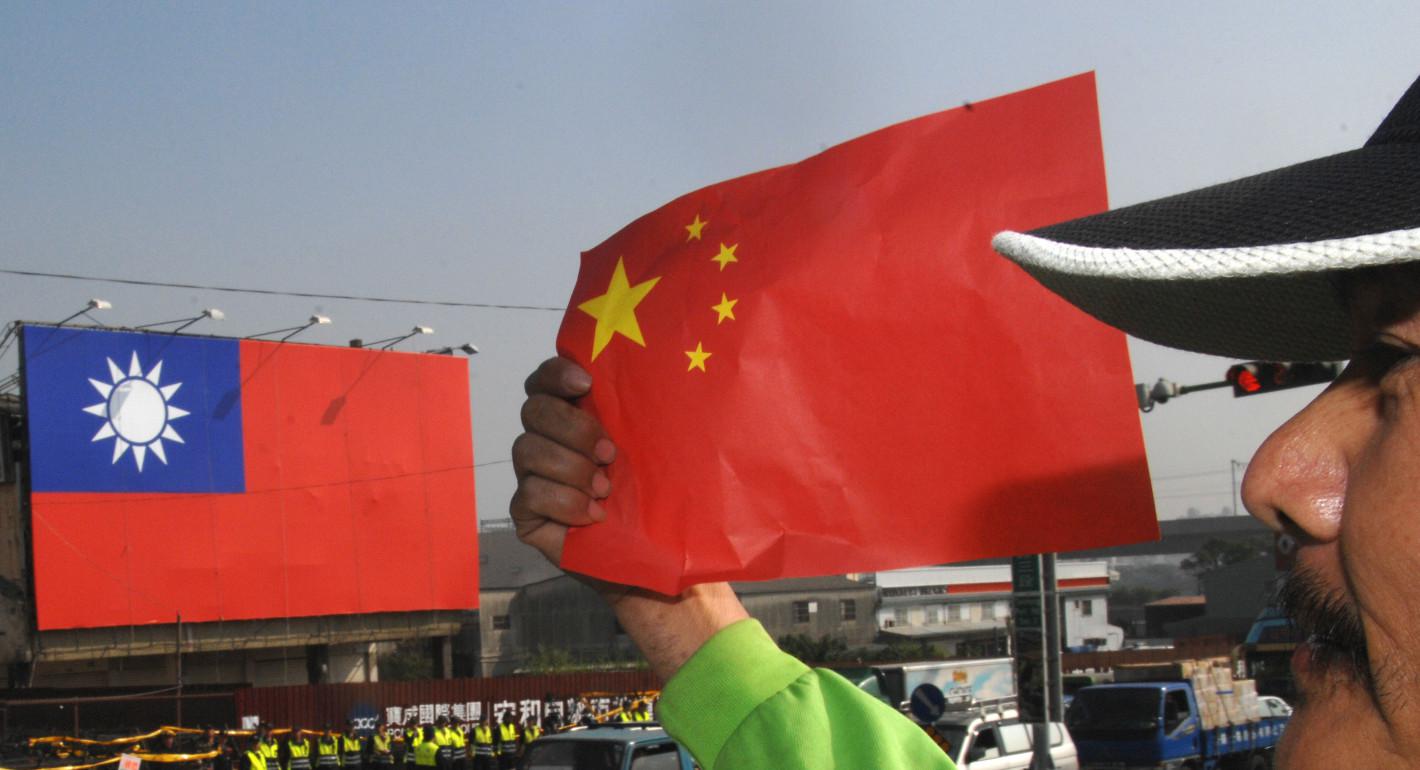
Beijing says that over 180 countries accept its “one China principle” regarding Taiwan, but the reality is more complicated.

Chong Ja Ian
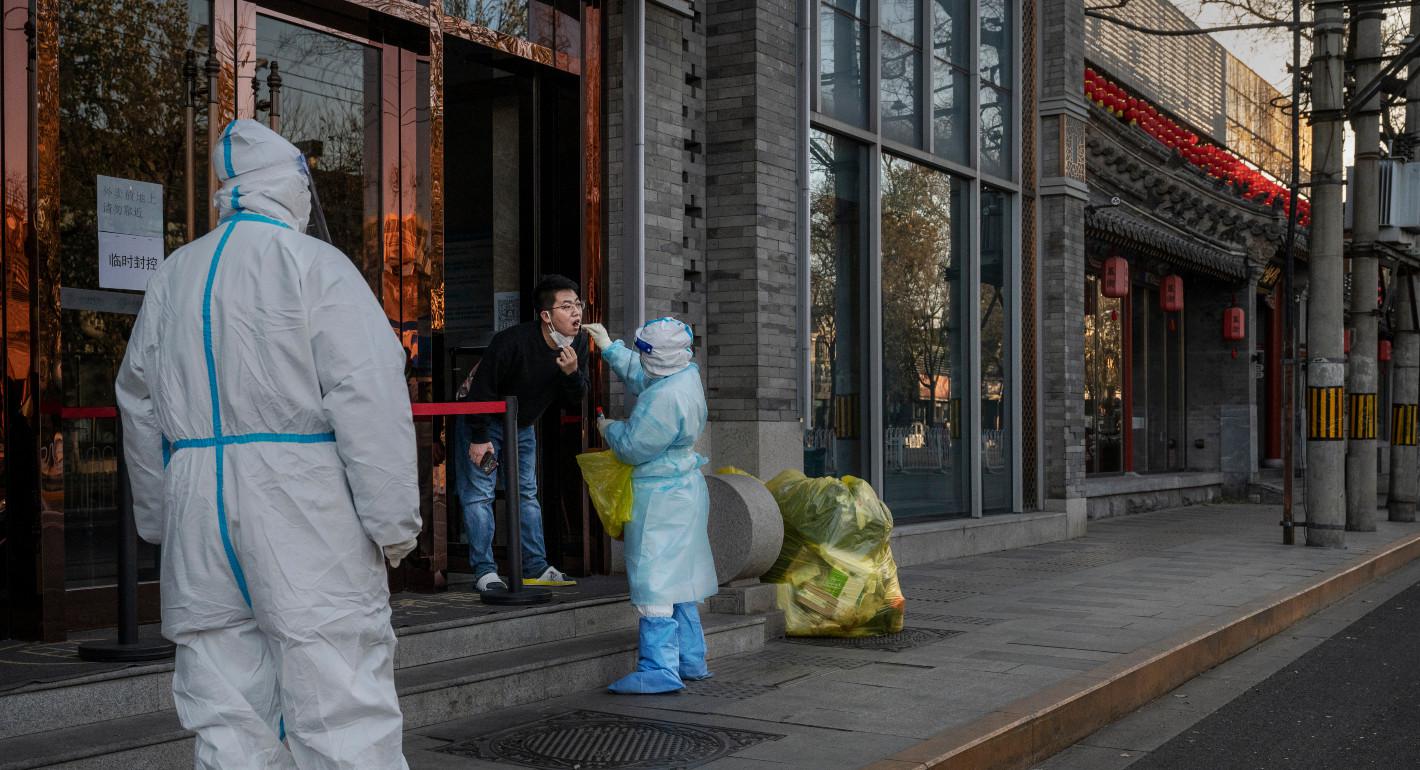
Beijing must choose between preserving its pandemic narrative or facing more unrest.

Paul Haenle
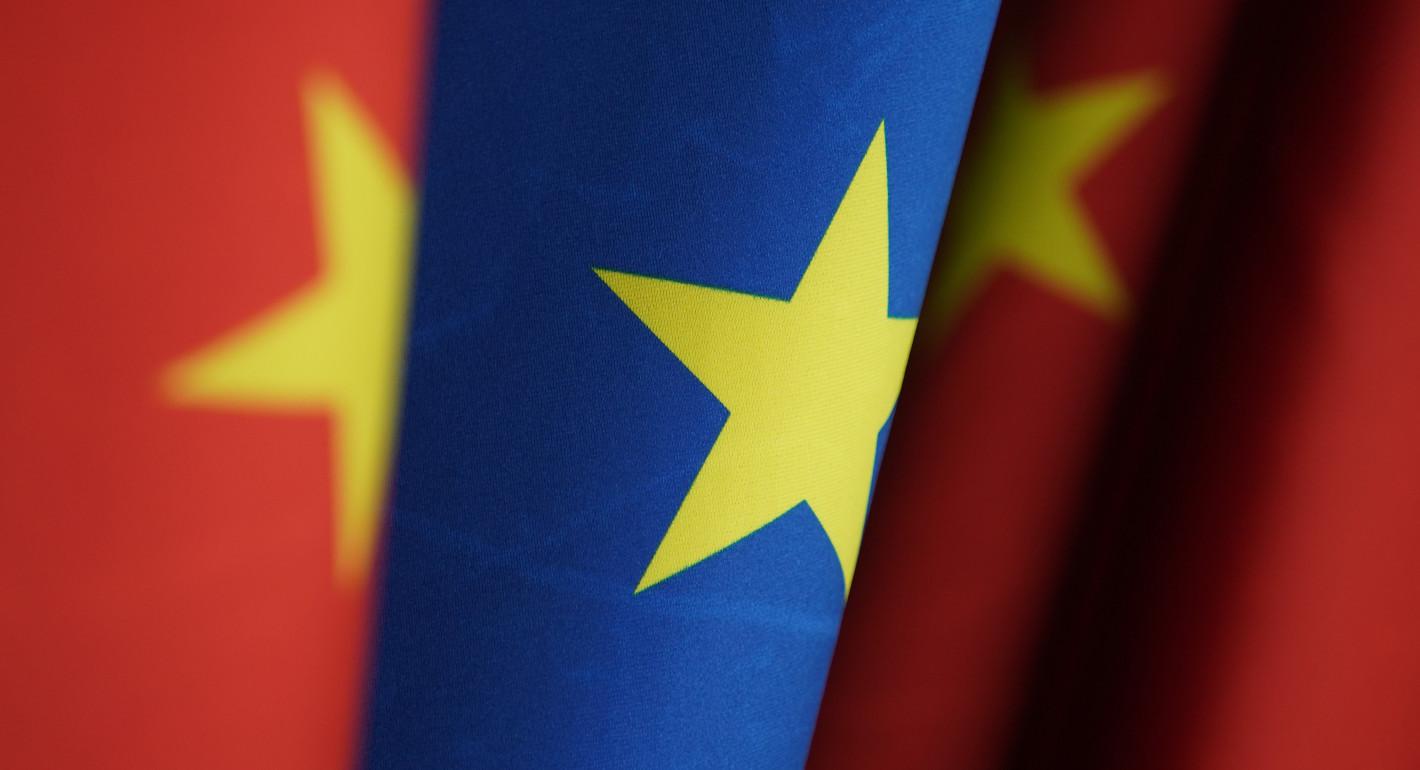
“It’s not so clear how we’re going to get out of this.”
Paul Haenle, Philippe Le Corre

It’s about managing oil prices, bread prices, and strategic partnerships.
Amr Hamzawy, Karim Sadjadpour, Aaron David Miller, …