

Commentary
ASEAN needs to determine how to balance perpetuating the benefits of technology cooperation with China while mitigating the risks of getting caught in the crosshairs of U.S.-China gamesmanship.
Elina Noor

Source: Getty
As governments promote digital civic engagement in defense, they must acknowledge the possible deterioration of civil liberties and the legal vulnerability of civilians acting as potential combatants.
This is part of a series on “The Digital in War: From Innovation to Participation,” co-produced by Carnegie’s Democracy, Conflict, and Governance Program and Swedish Defense University.
Sweden is in the process of not only rebuilding its military capabilities but also reestablishing its Cold War–era, whole-of-society strategy known as total defense. This strategy, deeply embedded in Swedish security policy, is rooted in the active participation of civilians—making broad societal engagement a long-standing national tradition. In Sweden, total defense entails the mobilization of the entire population and legally mandates citizen participation in the defense of the country. Total defense as a strategy historically emerged in response to the threat of total war—a form of conflict that indiscriminately affects all aspects of society and targets not only military forces but also civilians.1 In such a context, the civilian population becomes both a primary target and a central pillar of deterrence. A robust total defense therefore requires a deeply rooted people’s defense: a citizen army supported by widespread public readiness and a strong will to resist.
As Sweden reestablishes its total defense posture today, one of the most significant differences from the Cold War era is the contemporary context of hyperconnectivity. The ubiquity of digital networks and smart devices introduces new dimensions to citizen involvement in conflicts, enabling a more technologically integrated and participatory form of total defense.2 However, while digitally enabled participatory warfare offers unprecedented opportunities, it also raises questions about civilian protection, trust in public institutions, and the upholding of democratic principles. As governments promote digital civic engagement in defense, they must acknowledge some difficult truths, including the potential deterioration of civil liberties, the unpredictability of digitally mobilized populations, and the legal vulnerability of civilians acting as potential combatants.
While total defense has traditionally been associated with small, often nonaligned states, recent years have seen growing interest in the concept across Europe and North America. Russia’s use of hybrid warfare against Ukraine has underscored the importance of adopting a whole-of-society approach to defense.3 For example, following the annexation of Crimea in 2014, the European Union (EU) and the North Atlantic Treaty Organization (NATO) launched a joint resilience strategy to counter hybrid threats.4 Russia’s full-scale invasion of Ukraine in 2022 has further prompted a broader reassessment of national defense strategies in Western states.
As the European Council on Foreign Relations has noted, European countries may draw valuable lessons from Ukraine’s ability to mobilize a comprehensive response that integrates both military and civilian components, involving actors both within and beyond formal state structures.5 Ukraine’s model has been described as “an innovative and unconventional approach to warfare and total defense that has guided not just Ukraine’s military, but also involved the country’s civilian population as part of a concerted resistance against Russia’s army.”6 As such, it is increasingly being regarded as a potential reference point for adapting defense frameworks across Europe.7
The digital domain has emerged as a key battlefield—one in which the general population has engaged in innovative and direct ways.
While characterized by conventional military operations, the war in Ukraine has, since 2014, also been deeply shaped by cyber and information warfare. The digital domain has emerged as a key battlefield—one in which the general population has engaged in innovative and direct ways. Some have described the war in Ukraine as the first inter-state conflict to unfold fully within a context of hyperconnectivity.8 Digital platforms and social media have significantly expanded the ability of private individuals to disseminate information—and disinformation—thereby enabling civilian participation in the informational dimensions of warfare. Civilian digital devices have become tools not only for communication but also for mobilization, surveillance, and intelligence gathering.9 In many respects, this form of participatory warfare exemplifies the principles of total defense, in which the boundaries between military and civilian roles are increasingly blurred.
As Sweden reestablishes its total defense framework, one of the most notable departures from the old Cold War model is the advent of hyperconnectivity. In this context, participatory war has become central to contemporary approaches to total defense. Participatory war extends beyond formal military institutions, relying instead on the active digital engagement of civilians across society. The proliferation of digital networks and smart devices introduces both new vulnerabilities and transformative opportunities. These technologies facilitate a more dynamic and participatory form of total defense, enabling citizens to contribute in real time to surveillance, threat detection, crisis communication, and efforts to build collective resilience.
During the Cold War, Sweden’s total defense legal framework was premised on the logic that active civilian resistance would only be triggered in the event of an imminent or actual armed attack. This was itself contingent upon a government-declared heightened state of alert. In peacetime, under so-called normal legal conditions, total defense primarily concerned war preparedness. However, the strategic logic guiding the contemporary reestablishment of Sweden’s total defense reflects a shift: it now centers on the notion of an ongoing hybrid war.10 Since deciding in 2015 to rebuild the country’s total defense capabilities, the Swedish government has repeatedly asserted that the country is subject to daily hybrid attacks, such as cyber attacks, infrastructure sabotage, and disinformation campaigns.11 In this context, as Matthew Ford and Andrew Hoskins argue in Radical War, every individual with a smartphone becomes a potential participant in this hybrid digital war ecology.12 Framed this way, contemporary Swedish total defense must operate continuously, defending against persistent digital threats to everyday life. The implication is that the Swedish government must prepare its citizens to be capable of actively participating in the digital total defense of the country. This possibility, however, introduces new challenges and responsibilities that reshape Swedish civil-military relationships in three important ways.
First, a constantly activated total defense places new and far-reaching demands on the general population. In Sweden, citizens have become targets of disinformation campaigns designed to polarize and destabilize society. During the Cold War, countering propaganda and ensuring the delivery of accurate information was a state-managed responsibility. However, in today’s hyperconnected environment, this responsibility has, by necessity, been decentralized to the individual. As it rebuilds Sweden’s total defense, the government has repeatedly emphasized the responsibility of each citizen to resist and mitigate false information.13 This shift presumes a highly knowledgeable and vigilant population—individuals who are prepared to defend against hybrid attacks, even through seemingly mundane activities such as scrolling through social media. Consequently, building an effective total defense in the age of hyperconnectivity requires an educational system capable of fostering media literacy and critical thinking across the population.
Building an effective total defense in the age of hyperconnectivity requires an educational system capable of fostering media literacy and critical thinking across the population.
Second, and closely related to this, if every citizen is a so-called smartphone soldier, how can discipline be maintained among the ranks? The unprecedented role of civilians in digital warfare introduces risks of volatility. A central aim of hybrid attacks—particularly through disruptive communication—is to fracture social cohesion, foster distrust, and diminish the public’s willingness to defend. In Sweden, willingness to defend is understood to be deeply intertwined with social trust and confidence in public institutions. As such, managing fear and anxiety within the population becomes a national security concern. This logic was visible during the COVID-19 pandemic, when critics of Sweden’s public health strategy were frequently accused of undermining public trust and, by extension, of threatening national security. Some were even branded as spreading false propaganda or acting as security risks.14 In this context, what might have otherwise been viewed as legitimate democratic debate risked being framed as a threat to national security.
This dynamic echoes concerns raised by David Alexander, who warns that civil defense efforts can be co-opted into instruments of state repression.15 He notes that “plans to manage civilian populations can turn into strategies for ensuring that protests are repressed or revolts are subdued, even when these are stimulated by a desire to defend or restore democratic rights.”16 While freedom of speech and the right to critique public policy are fundamental to democratic societies, these principles may come under pressure in the context of an approach to total defense that has to adapt to the challenges of hyperconnectivity and participatory warfare. In such environments, dissenting voices and public debate risk being reframed as threats to national security. This presents a profound democratic challenge: in building an everyday total defense, governments must carefully balance the need to uphold civil liberties with the imperative to monitor and counter harmful narratives. Resilient societies will require not only high levels of public trust in institutions but also a broad societal acceptance of the disruptions that hybrid attacks may cause. Striking this balance is essential to ensuring that efforts to defend democracy do not inadvertently undermine its core values.
Third, if conflict escalates into kinetic warfare, hyperconnectivity enables the general population to participate directly in the conflict in unprecedented ways—through digital devices. Citizens may engage in crowdsourcing efforts to support military logistics, share real-time intelligence, or even contribute to targeting decisions. The war in Ukraine has vividly illustrated this phenomenon: private individuals have geolocated Russian forces and transmitted the data to the Ukrainian Armed Forces via government-supported apps, thereby becoming directly involved in the kill chain.17 Within the strategic logic of total defense, such active and innovative civilian participation is not only welcomed but increasingly expected.
However, this development raises a critical and often neglected issue: by engaging in these activities, civilians may forfeit their protected status under international humanitarian law and become legitimate targets of war, an issue examined by other authors in this Carnegie series, including Aurel Sari’s piece “War and Law in a Digital World” and Jack McDonald’s article, “Digital Connectivity and Digital Informants in War.”18 In the Ukraine context, the fundamental question of who qualifies as a combatant has received insufficient attention.19 Governments that pursue total defense strategies in this context must seriously confront the implications of encouraging civilians to engage in digital warfare.
Indeed, there have been reports of Russian soldiers shooting Ukrainian civilians for simply using their smartphones20—actions that may, disturbingly, align with the laws of armed conflict. When smartphones become tools for warfare, their users may be reclassified as combatants, at least temporarily. As Pontus Winther and Per-Erik Nilsson argue, any private citizen who geolocates enemy forces and relays that information to national armed forces likely loses civilian protection for the duration of that act.21
When smartphones become tools for warfare, their users may be reclassified as combatants, at least temporarily.
At a minimum, governments must ensure that citizens are clearly informed of these legal and ethical risks. Participation in digital war must be based on free, conscious, and informed decisions—not assumed as a patriotic duty. In building a participatory total defense, the responsibility lies with the state to communicate the potential consequences of such engagement and ensure that enthusiasm for digital innovation does not obscure the human costs of blurred civilian-combatant boundaries.
The reemergence of total defense in Western security thinking—catalyzed by the war in Ukraine and the proliferation of hybrid threats—marks a profound transformation in how states conceptualize and operationalize national security. Sweden’s revival of its Cold War-era total defense model reflects both a return to whole-of-society preparedness and an adaptation to the contemporary realities of hyperconnectivity and hybrid warfare. In this new strategic environment, the boundaries between war and peace, military and civilian, are increasingly blurred. Citizens are no longer mere observers or supporters of national defense but are being positioned as active participants. They are expected to detect disinformation, contribute to situational awareness, and even assist in targeting during kinetic conflict.
However, digitally enabled participatory warfare brings with it significant risks and democratic dilemmas. The decentralization of responsibilities to individuals not only demands widespread media literacy and resilience but also raises questions about civilian protection, trust in public institutions, and the preservation of democratic debate. As governments encourage civic engagement in the digital dimensions of defense, they must also confront the uncomfortable realities this entails.
Ultimately, building a resilient and legitimate total defense requires more than technological innovation and mass mobilization. It demands a renewed civil-military contract—one that clearly defines the rights and responsibilities of citizens, safeguards democratic principles, and fosters informed, voluntary participation in defense efforts. Without such safeguards, the promise of digital mobilization during times of total defense risks becoming its greatest liability.
Carnegie does not take institutional positions on public policy issues; the views represented herein are those of the author(s) and do not necessarily reflect the views of Carnegie, its staff, or its trustees.

ASEAN needs to determine how to balance perpetuating the benefits of technology cooperation with China while mitigating the risks of getting caught in the crosshairs of U.S.-China gamesmanship.

Elina Noor

The Thai-Cambodian conflict highlights the limits to China's peacemaker ambition and the significance of this role on Southeast Asia’s balance of power.

Pongphisoot (Paul) Busbarat
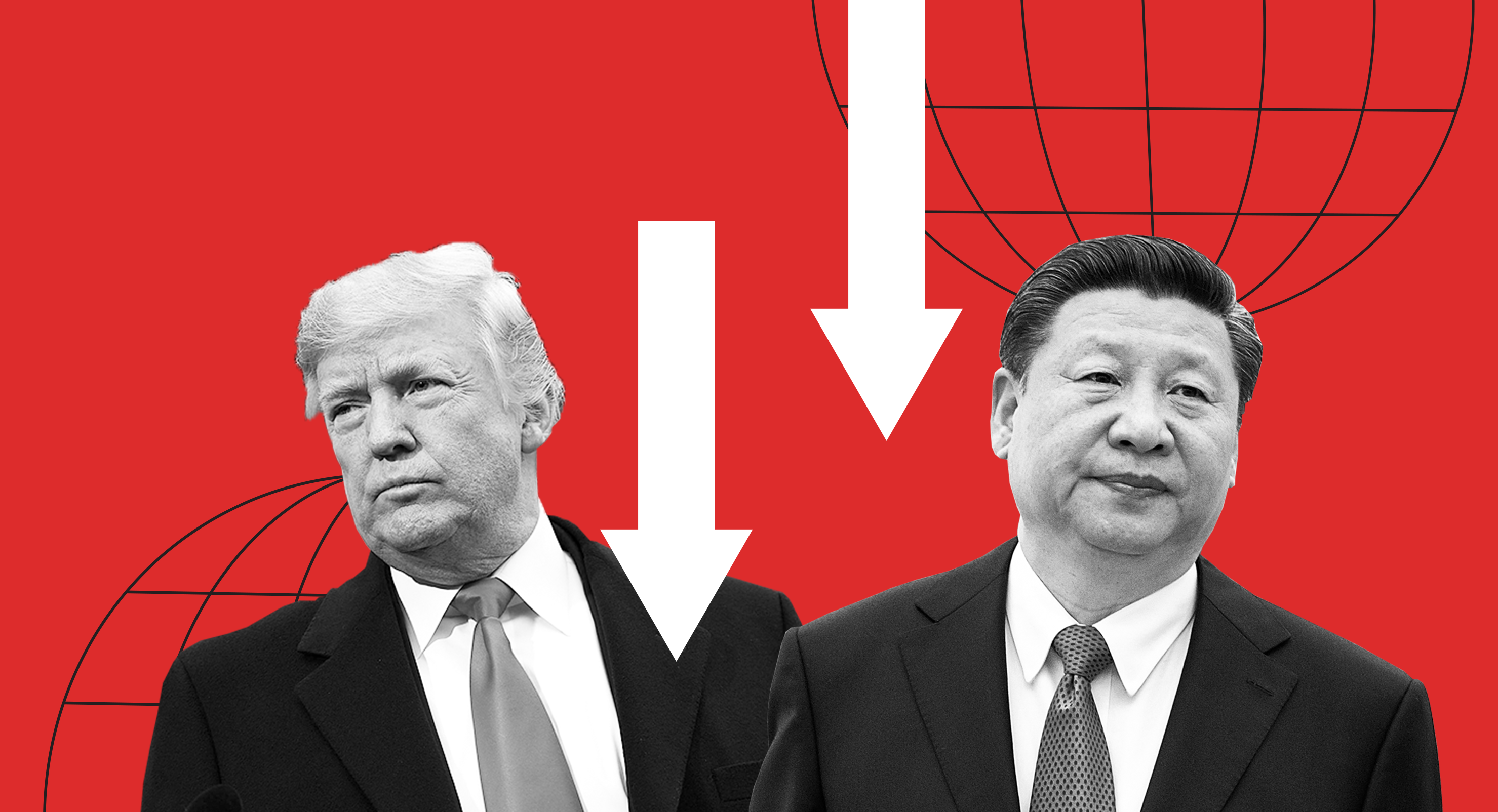
Beijing believes that Washington is overestimating its own leverage and its ability to handle the trade war’s impacts.


Rick Waters, Sheena Chestnut Greitens
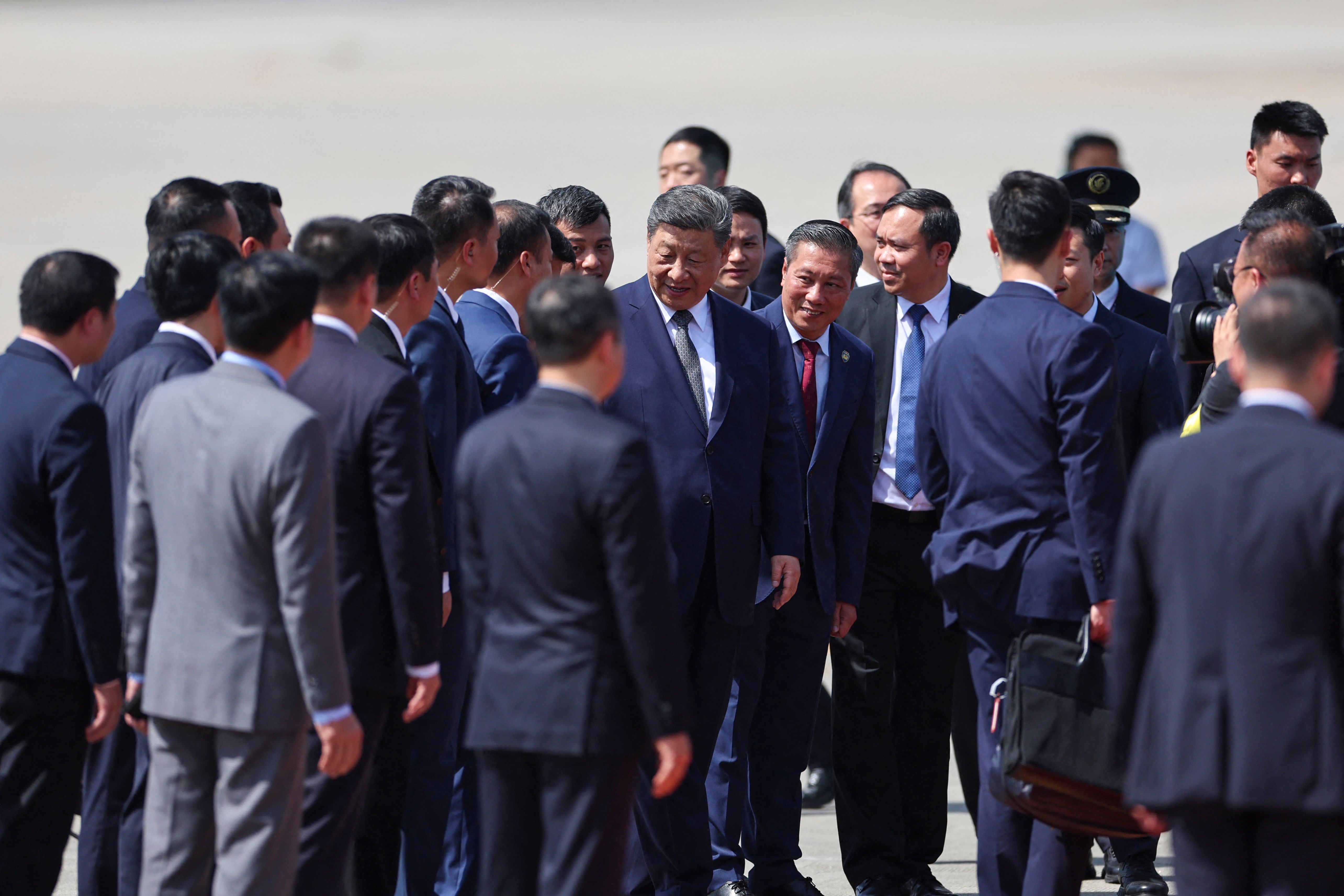
Tapping our network of China experts in the region, Carnegie China offers this latest “China Through a Southeast Asian Lens” report to offer preliminary assessments of whether the U.S. effort to reshape the global trading order will lead countries in the region to tilt toward Beijing.



Selina Ho, Khin Khin Kyaw Kyee, Joseph Ching Velasco, …

As tech competition moves into the biotech sector, China is increasingly shifting its focus to nearby regions to alleviate U.S.-induced supply chain pressures. As part of this transition, Southeast Asia has emerged as a favored destination.

Xue Gong