• Research
  • About
  • Experts
Carnegie India logoCarnegie lettermark logo
Technology
{
  "authors": [
    "Jessica Tuchman Mathews"
  ],
  "type": "legacyinthemedia",
  "centerAffiliationAll": "",
  "centers": [
    "Carnegie Endowment for International Peace",
    "Carnegie China"
  ],
  "collections": [],
  "englishNewsletterAll": "",
  "nonEnglishNewsletterAll": "",
  "primaryCenter": "Carnegie China",
  "programAffiliation": "",
  "programs": [
    "Middle East"
  ],
  "projects": [],
  "regions": [
    "North America",
    "United States",
    "Iraq"
  ],
  "topics": [
    "Security",
    "Military",
    "Foreign Policy"
  ]
}
In The Media
Carnegie China

Obama's Plan for Iraq

No matter how long U.S. troops stay in Iraq, a stable power-sharing agreement will emerge only after all factions have tested each other’s strength and exhausted their desire to fight. Leaving Iraq is the right thing to do, for the U.S. and for Iraq.

Link Copied
By Jessica Tuchman Mathews
Published on Mar 1, 2009

Source: Washington Post

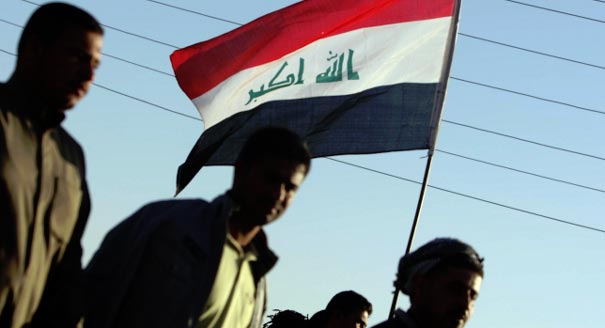
Obama's Plan for IraqPresident Obama's willingness to take on enormous political risks is already almost commonplace. Ending the war, while unequivocally the right thing, is another one. After six years, it makes no difference whether U.S. troops leave in 16 months or 18. The risk for Obama and the challenge for the country lie in what we will do if -- some would say when -- serious violence erupts as U.S. troops depart.

The U.S. presence interrupted a struggle for political power that always follows removal of a government and eventually forced it into nonviolent channels. But the struggle is far from over. Recent political accommodations are extremely fragile, and it is likely that many angry groups have chosen to lie low until the Americans are gone.

Stable agreements to share power emerge only after the parties have tested each other's strength and will and their desire to fight has burned out. History shows that this takes many years, especially when all sides are heavily armed.

So the United States may face a departure in 2011 in the face of great instability. President Obama understands that could happen even if our troops were to stay five more years. There is no substitute for Iraqis sorting out their own political future. But after so much sacrifice and bloodshed, it may not feel much like a victory.

This article first appeared in the Washington Post.

Jessica Tuchman Mathews
Distinguished Fellow
Jessica Tuchman Mathews
SecurityMilitaryForeign PolicyNorth AmericaUnited StatesIraq

Carnegie India does not take institutional positions on public policy issues; the views represented herein are those of the author(s) and do not necessarily reflect the views of Carnegie, its staff, or its trustees.

More Work from Carnegie India

  • Commentary
    The Impact of U.S. Sanctions and Tariffs on India’s Russian Oil Imports

    This piece examines India’s response to U.S. sanctions and tariffs, specifically assessing the immediate market consequences, such as alterations in import costs, and the broader strategic implications for India’s energy security and foreign policy orientation.

      Vrinda Sahai
  • Article
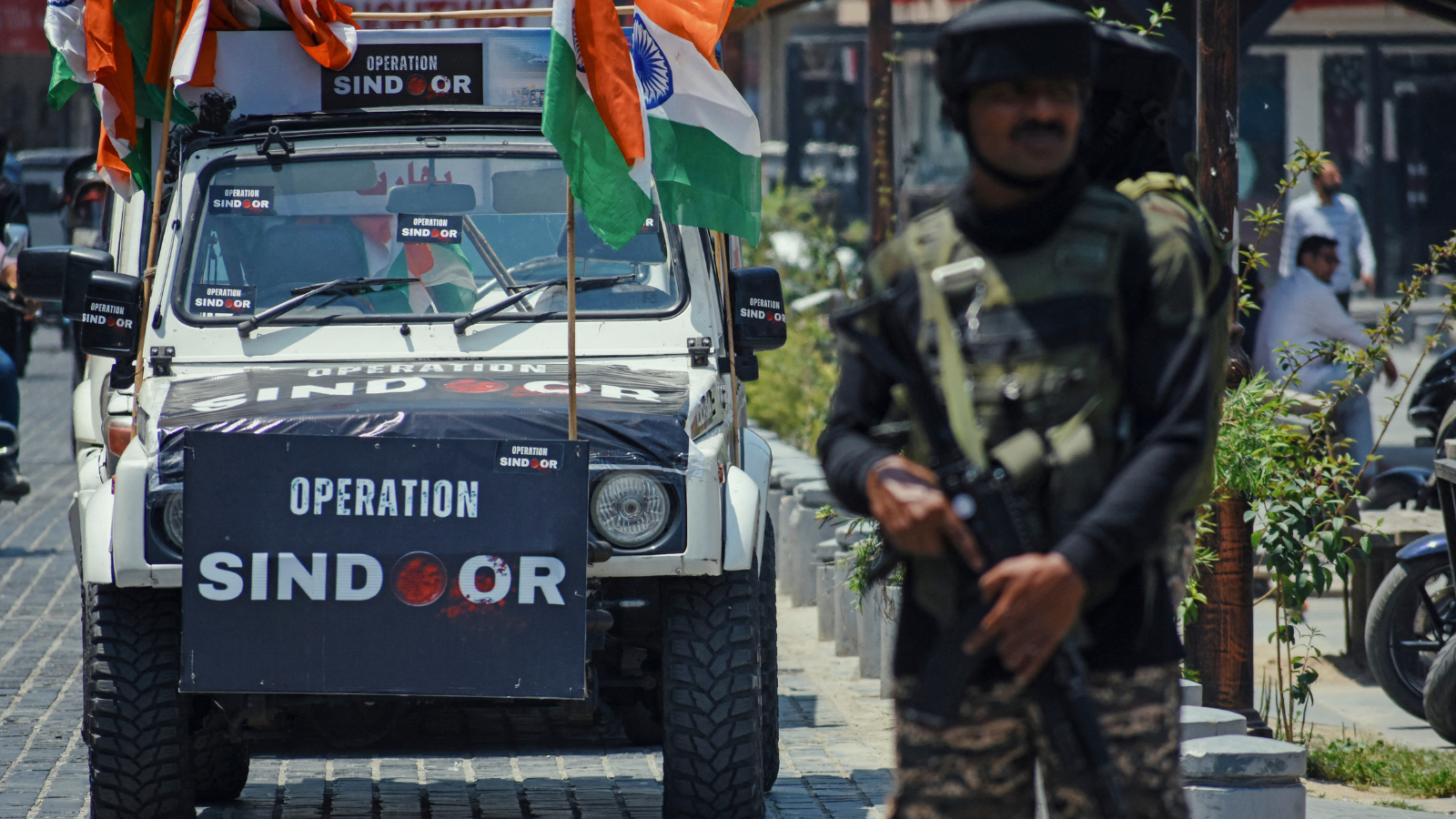
    Military Lessons from Operation Sindoor

    The India-Pakistan conflict that played out between May 6 and May 10, 2025, offers several military lessons. This article presents key takeaways from Operation Sindoor and breaks down how India’s preparations shaped the outcome and what more is needed to strengthen future readiness.

      Dinakar Peri

  • Book
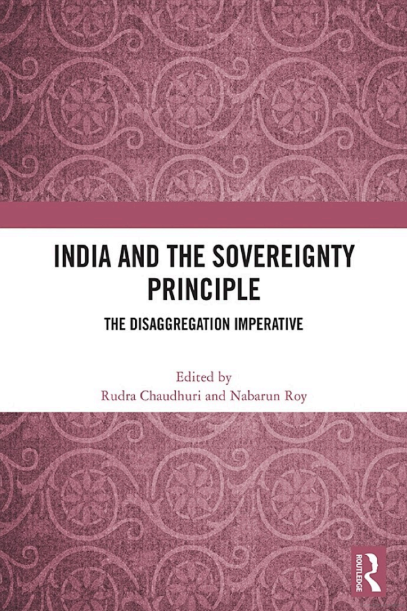
    India and the Sovereignty Principle: The Disaggregation Imperative

    This book offers a comprehensive analysis of India's evolving relationship with sovereignty in a complex global order. Moving beyond conventional narratives, it examines how the sovereignty principle shapes India's behavior across four critical domains—from traditional military power to contemporary data governance.

      Rudra Chaudhuri, Nabarun Roy

  • Commentary
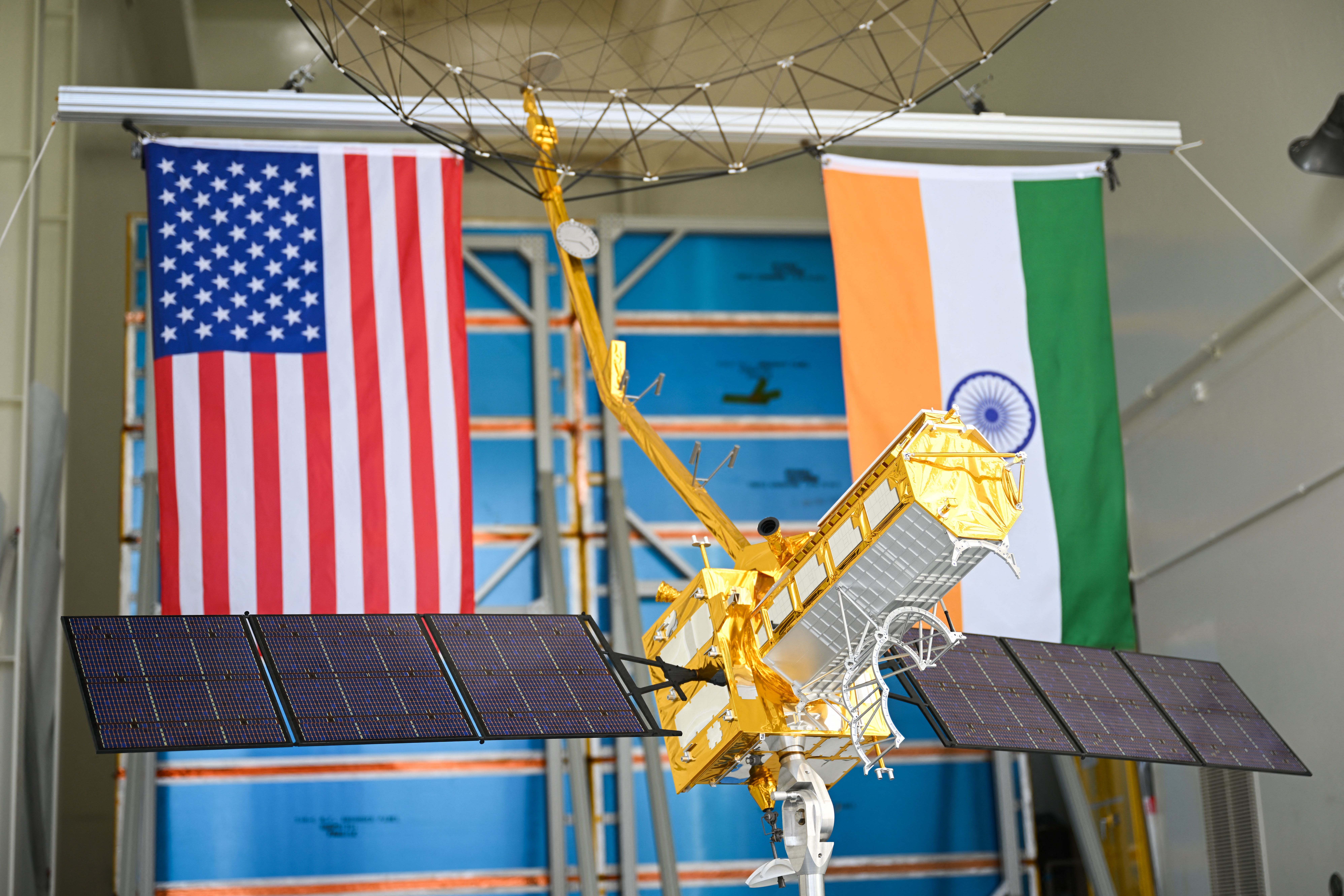
    NISAR Soars While India-U.S. Tariff Tensions Simmer

    On July 30, 2025, the United States announced 25 percent tariffs on Indian goods. While diplomatic tensions simmered on the trade front, a cosmic calm prevailed at the Sriharikota launch range. Officials from NASA and ISRO were preparing to launch an engineering marvel into space—the NASA-ISRO Synthetic Aperture Radar (NISAR), marking a significant milestone in the India-U.S. bilateral partnership.

      Tejas Bharadwaj

  • Article
    Hidden Tides: IUU Fishing and Regional Security Dynamics for India

    This article examines the scale and impact of Chinese IUU fishing operations globally and identifies the nature of the challenge posed by IUU fishing in the Indian Ocean Region (IOR). It also investigates why existing maritime law and international frameworks have struggled to address this growing threat.

      Ajay Kumar, Charukeshi Bhatt

Get more news and analysis from
Carnegie India
Carnegie India logo, white
Unit C-4, 5, 6, EdenparkShaheed Jeet Singh MargNew Delhi – 110016, IndiaPhone: 011-40078687
  • Research
  • About
  • Experts
  • Projects
  • Events
  • Contact
  • Careers
  • Privacy
  • For Media
Get more news and analysis from
Carnegie India
© 2026 Carnegie Endowment for International Peace. All rights reserved.