• Research
  • About
  • Experts
Carnegie India logoCarnegie lettermark logo
Technology
{
  "authors": [
    "C. Raja Mohan"
  ],
  "type": "legacyinthemedia",
  "centerAffiliationAll": "",
  "centers": [
    "Carnegie Endowment for International Peace",
    "Carnegie India"
  ],
  "collections": [],
  "englishNewsletterAll": "",
  "nonEnglishNewsletterAll": "",
  "primaryCenter": "Carnegie India",
  "programAffiliation": "",
  "programs": [
    "South Asia"
  ],
  "projects": [],
  "regions": [
    "South Asia",
    "India",
    "East Asia",
    "Southeast Asia"
  ],
  "topics": [
    "Security"
  ]
}
In The Media
Carnegie India

India-Myanmar Naval Diplomacy

While India's naval diplomacy with Myanmar is headed in the right direction, Delhi needs to step up the pace of cooperation and take bolder steps in assisting Yangon build its naval and maritime capabilities.

Link Copied
By C. Raja Mohan
Published on Mar 11, 2013

Source: Indian Express

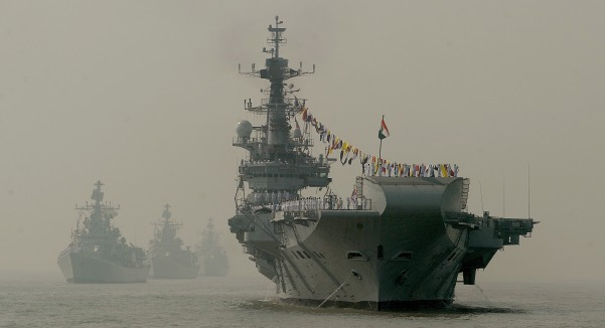
In an important advance in the bilateral security cooperation between Delhi and Yangon, two naval vessels from Myanmar have arrived over the weekend in Vishakhapatnam for joint exercises. This important step follows the visit of Defence Minister AK Antony to Myanmar earlier this year and the agreement to boost bilateral defence cooperation.

Until now the military cooperation between the two neighbors has been limited essentially to the armies. Confronting restiveness on their remote frontiers—in India's North East and Myanmar's North—the security forces of the two countries have over the last two decades deepened their counter-insurgency cooperation.

Preoccupied for decades with its vast land frontiers, India has turned to the seas in the early 1990s. As it launched naval diplomacy two decades, Delhi inevitably looked to Myanmar with which it shares a long maritime frontier.

For nearly a decade, India's naval ships frequently called at Myanmar's ports that were on the way to the east. Delhi was also pleased to see Myanmar's participation in the biennial 'Milan' exercises that its navy holds in the Bay of Bengal off the Andaman and Nicobar Islands.

This is the first time though that Myanmar's ships—a frigate and a corvette-- have come to a port on India's mainland. Form there the ships of the two countries will conduct an exercise in joint patrolling in Southern Bay of Bengal.

Slowly but surely, Myanmar is becoming increasingly conscious of its strategic location at the confluence of the Indian and Pacific Oceans.

Although Myanmar does not face the Western Pacific, it sits right on top of the Malacca Straits that connects the two oceans.

Given its growing interests in the Indian Ocean, Beijing too is paying greater attention to maritime engagement with Myanmar. In the past there was much speculation about Chinese presence in Myanmar's Cocos Islands in the Andaman Sea.

That speculation turned out to be false. Yangon went out of the way to reassure Delhi that it has no intention to provide naval facilities to any foreign power. But there is no denying China's growing interest in naval cooperation with Myanmar.

Chinese naval ships traveling back and forth to the Arabian Sea, where it has been conducting anti-piracy operations since the end of 2008, have occasionally called on the Myanmar's ports.

Given its long coastline, Yangon is bound to pay greater attention to its maritime security in the coming years. While India's naval diplomacy with Myanmar is headed in the right direction, Delhi needs to step up the pace of cooperation and take bolder steps in assisting Yangon build its naval and maritime capabilities.

This article was originally published in the Indian Express.

C. Raja Mohan
Former Nonresident Senior Fellow, Carnegie India
SecuritySouth AsiaIndiaEast AsiaSoutheast Asia

Carnegie India does not take institutional positions on public policy issues; the views represented herein are those of the author(s) and do not necessarily reflect the views of Carnegie, its staff, or its trustees.

More Work from Carnegie India

  • Commentary
    AI Adoption Journey for Population Scale

    Connecting real-world AI use cases across sectors such as health, education, agriculture, and livelihoods can help policymakers, innovators, and institutions align around a shared goal. This article looks at a framework ensuring that AI works for everyone.

      Shalini Kapoor, Tanvi Lall

  • Commentary
    The Impact of U.S. Sanctions and Tariffs on India’s Russian Oil Imports

    This piece examines India’s response to U.S. sanctions and tariffs, specifically assessing the immediate market consequences, such as alterations in import costs, and the broader strategic implications for India’s energy security and foreign policy orientation.

      Vrinda Sahai

  • Article
    Revisiting the Usage of Refurbished Equipment in India’s Semiconductor Ecosystem

    This article looks at the progress of the Semiconductor Laboratory fab modernization plan based on publicly available documents, and potential learnings for future upgrades to government-owned fabs and India’s larger semiconductor ecosystem, especially regarding the use of refurbished equipment.

      Shruti Mittal, Konark Bhandari

  • Article
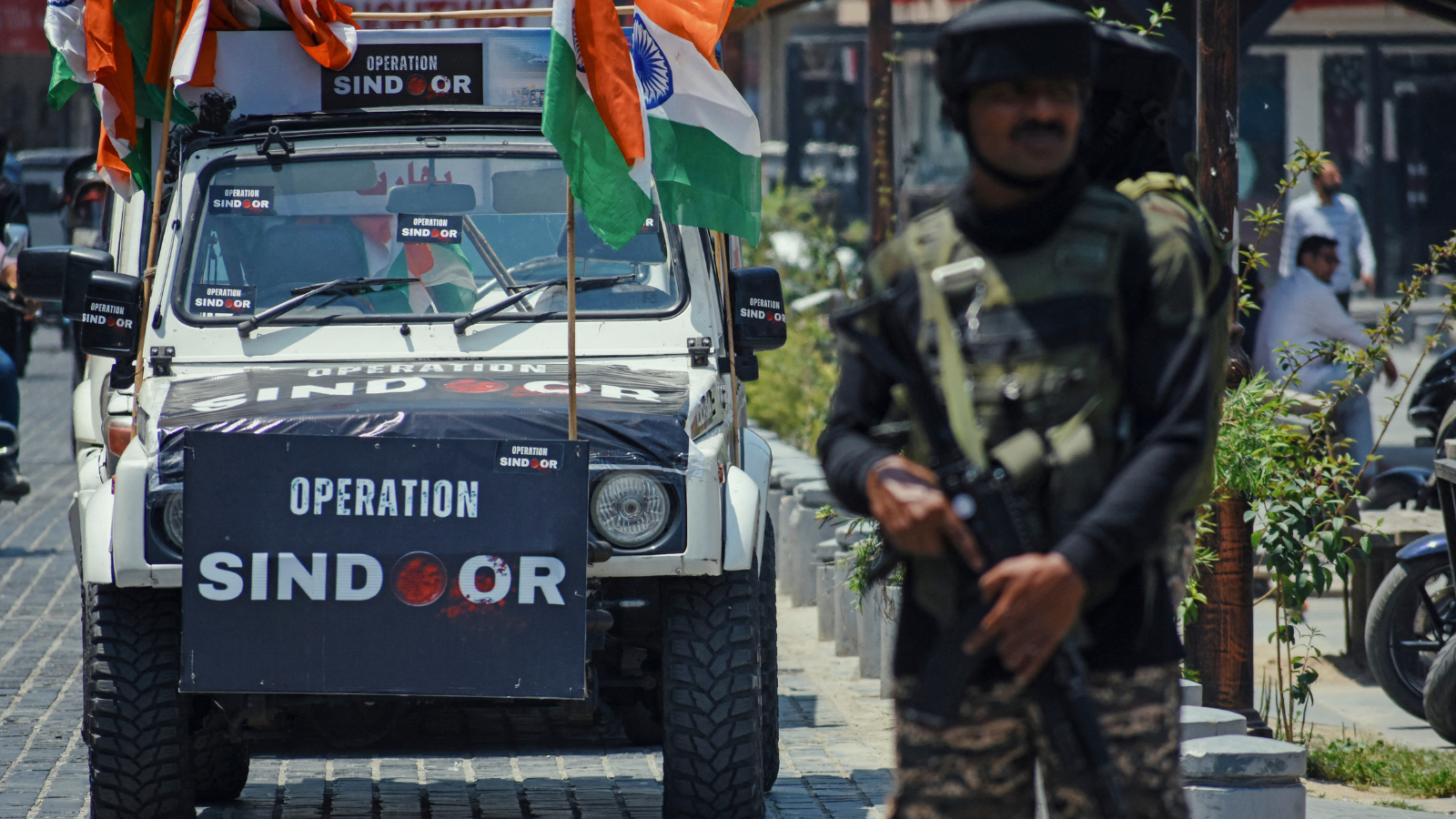
    Military Lessons from Operation Sindoor

    The India-Pakistan conflict that played out between May 6 and May 10, 2025, offers several military lessons. This article presents key takeaways from Operation Sindoor and breaks down how India’s preparations shaped the outcome and what more is needed to strengthen future readiness.

      Dinakar Peri

  • Book
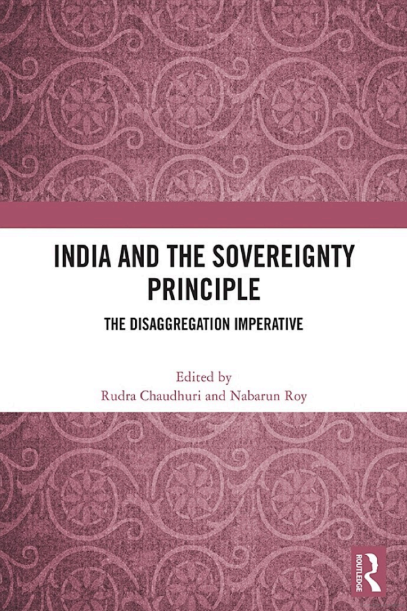
    India and the Sovereignty Principle: The Disaggregation Imperative

    This book offers a comprehensive analysis of India's evolving relationship with sovereignty in a complex global order. Moving beyond conventional narratives, it examines how the sovereignty principle shapes India's behavior across four critical domains—from traditional military power to contemporary data governance.

      Rudra Chaudhuri, Nabarun Roy

Get more news and analysis from
Carnegie India
Carnegie India logo, white
Unit C-4, 5, 6, EdenparkShaheed Jeet Singh MargNew Delhi – 110016, IndiaPhone: 011-40078687
  • Research
  • About
  • Experts
  • Projects
  • Events
  • Contact
  • Careers
  • Privacy
  • For Media
Get more news and analysis from
Carnegie India
© 2026 Carnegie Endowment for International Peace. All rights reserved.